Eco-friendly cosmetic packaging isn’t a trend anymore. In 2026, it’s a core business requirement driven by new laws, rising costs, and customer demand. Getting it right is crucial. Getting it wrong can lead to quality issues, regulatory fines, and wasted investment.
This guide provides direct answers on the top trends, best materials, and biggest risks you need to know for sourcing sustainable packaging in China.
Key Takeaways
- Top Trends: The four biggest trends are the shift to mono-materials, the demand for high-purity PCR, the strategic use of refillable systems, and the return of aluminum.
- Best Material?: There is no single “best” material. The right choice is a trade-off between your product’s needs, cost, and compliance. Aluminum offers the highest recyclability, while high-purity PCR is key for meeting plastic regulations.
- Biggest Risk: Certification fraud is the #1 hidden risk. A former FSC director estimates 20-30% of all FSC claims are false . Always verify certificates in official databases.
- Sourcing Strategy: Success depends on execution, not just material selection. You must audit factory capabilities (e.g., PCR filtration, moisture control for bamboo) and run material-specific QC checks like vacuum leak testing for pumps.
4 Mega-Trends Defining 2026: The Intersection of Design & Material
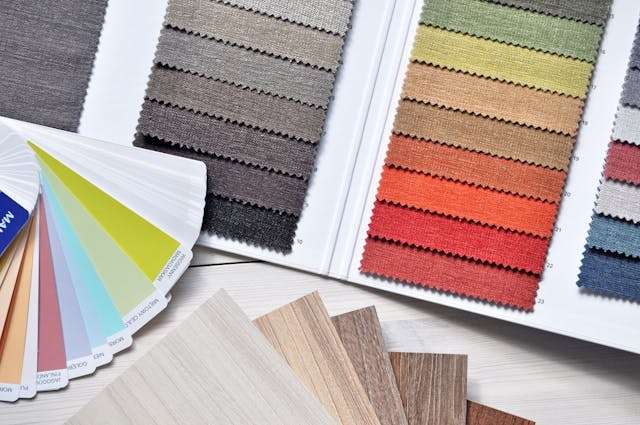
Sustainable cosmetic packaging is no longer just about marketing. Your choices are now dictated by regulatory pressure, recycling realities, and what’s possible in mass production. These four trends define where the industry is heading — and where the most common sourcing mistakes happen.
1. Why is Mono-Material Packaging Becoming the Default?
Answer: Mono-material packaging is becoming the default because it is far easier to recycle and helps brands reduce new Extended Producer Responsibility (EPR) fees in Europe.
By making an entire package from a single material, like 100% Polypropylene (PP), you eliminate the need for recyclers to separate mixed materials (like a metal spring from a plastic pump). This simple change significantly increases the chances your packaging actually gets recycled. However, achieving this requires advanced engineering, like all-plastic pump mechanisms, which not all suppliers can do correctly.
2. Why Has PCR Quality Become More Important Than Percentage?
Answer: The focus has shifted from PCR percentage to purity because low-grade recycled plastic can ruin product quality with contaminants and odors.
Using a high percentage of low-quality Post-Consumer Recycled (PCR) plastic introduces two huge risks. First, visible black specks from unfiltered contaminants can make your packaging look dirty. Second, lingering odors from the recycled waste can compromise your cosmetic formula. Smart brands now demand high-purity, cosmetic-grade PCR, which requires suppliers with advanced filtration systems and batch-level auditing.
3. How Are Brands Using Refillable Systems Strategically?
Answer: Brands are using a “hero packaging” strategy: a durable, premium outer container paired with a simple, replaceable inner cartridge.
This approach is a win-win. It gives customers a long-lasting, luxurious product experience while significantly cutting down on plastic waste over time. The refillable packaging market is projected to hit $62.6 billion by 2030, with brands like L’Occitane and Fenty Beauty leading the charge. But be warned: refillable systems are complex to produce, requiring higher tooling investment and precise engineering to prevent leaks.
4. Why Is Aluminum Making a Comeback?
Answer: Aluminum is returning because it is infinitely recyclable and consumers perceive it as a premium, sustainable material.
Unlike plastic, aluminum can be recycled over and over without losing its quality — in fact, nearly 75% of all aluminum ever produced is still in use today. It also has a key regulatory advantage: the EU PPWR classifies it as a “permanent material,” exempting it from many plastic-specific taxes. The main drawback is its soft surface, which is prone to dents and scratches during mass production if not handled carefully.
Which Eco-Friendly Material is Best for Your Product?

There is no universally “best” eco-friendly cosmetic packaging material in 2026. Every option is a trade-off between cost, regulatory compliance, production risk, and scalability.
What separates successful brands from failed launches is not the material itself, but whether that material can be manufactured consistently, shipped safely, and pass regulatory scrutiny at scale.
The table below provides a direct comparison based on our on-the-ground sourcing experience in China.
| Material | Best For | Key Advantage | Biggest Downside | Sourcing Watchout |
|---|---|---|---|---|
| Aluminum | High-end cream jars, luxury lipsticks | Infinitely recyclable, premium feel, exempt from many EU plastic taxes. | Soft surface is easily dented or scratched during production and transit. | Your QC process must include strict surface integrity inspections. |
| High-Purity PCR Plastic | Shampoo/lotion bottles, squeeze tubes | Reduces virgin plastic use and is essential for meeting California SB 54 recycled content mandates. | Low-grade PCR can cause black specks and odor issues in your final product. | Verify your supplier’s filtration process and demand batch-level QC auditing. |
| Mono-Material PP/PE | Lotion pumps, airless bottles | Simplifies recycling and can significantly lower your EPR fees in the European Union. | Engineering is complex; all-plastic pumps can fail or leak if not made precisely. | Insist on vacuum leak testing for any pump or closure to ensure performance. |
| FSC-Certified Wood/Bamboo | Lids, caps, compact cases | Offers a fantastic natural, organic brand story and is a carbon-neutral material. | High risk of mold, cracking, or warping during sea freight if not properly dried. | Mandatory moisture content testing before shipment is non-negotiable. |
| Glass | Premium serums, facial oils, fragrances | Looks premium and is chemically inert, which is great for protecting sensitive formulas. | Heavy and fragile. High breakage rates and shipping weight increase costs and carbon footprint. | Plan for reinforced palletizing and factor higher shipping costs into your budget. |
We’ve also covered the top sustainable cosmetic packaging suppliers in China in case you want to explore more options.
Most articles on this topic stop at material selection. But in reality, that’s where the biggest and most expensive sourcing failures begin. These are the risks that suppliers rarely mention until it’s too late.
Risk 1: Your PCR Plastic Has Contaminants
The Problem: Low-grade PCR feedstock is often contaminated with old labels, adhesives, and other residues. This shows up as ugly black specks or a foul odor in your packaging.
The Answer-First Takeaway: Never assume all PCR is the same. You must verify your supplier’s filtration process and run batch-level audits to ensure consistency, as two batches of the same PCR can perform differently.
Risk 2: Your Bamboo Packaging Grows Mold During Shipment

The Problem: Bamboo is a natural material that can absorb moisture from the air during long sea-freight journeys, leading to mold, cracking, or warping.
The Answer-First Takeaway: Always require and verify moisture content testing reports from your supplier before any bamboo or wood components are packed for shipment. This is not optional.
Risk 3: Your Aluminum Packaging Arrives Dented
The Problem: While structurally strong, aluminum’s surface is soft and easily gets micro-dents and scratches during mass production, stacking, and palletizing.
The Answer-First Takeaway: Your QC checklist for aluminum must include specific standards for surface inspection and protective handling during packing. Don’t rely on a standard visual inspection.
Risk 4: Your Glass Packaging Costs More Than You Think
The Problem: Glass is chemically stable and looks premium, but it carries hidden logistical costs that many brands underestimate. High breakage rates during transit can erode your margins quickly, especially on first-time bulk shipments. On top of that, glass is heavy — which means higher freight costs and higher carbon emissions per unit shipped. This could become a real issue as EU markets move toward carbon border adjustment mechanisms.
The Answer-First Takeaway: Lightweight glass designs can help reduce both breakage and shipping costs, but they require precise tooling and tighter QC tolerances. Not all factories can deliver this. Before committing to glass, factor in reinforced palletizing costs and higher per-unit freight — and make sure your factory has the capability to produce lightweight designs consistently.
Risk 5: Your Sustainability Certificate is Fake
The Problem: This is the biggest risk of all. A supplier provides a GRS or FSC certificate that is expired, misapplied, or completely fake.
The Answer-First Takeaway: Always verify every certificate yourself using the official online databases (e.g., the FSC Certificate Database). A former FSC Integrity Director estimated 20-30% of all FSC claims are fraudulent. FSC itself has taken action against Chinese manufacturers for repeatedly making false claims on bamboo products, and fraud has been uncovered in every major region. Do not trust a PDF sent by a salesperson.
Why Does Sustainable Packaging Need a Different QC Model?
Most sustainable packaging projects don’t fail because of poor design. They fail because brands apply conventional quality control logic to non-conventional materials.
Here’s the core problem: traditional cosmetic packaging relies on material consistency. Sustainable materials simply don’t offer that luxury.
- PCR plastics vary by feedstock source and filtration quality.
- Natural materials like bamboo and wood react to moisture and temperature.
- Aluminum and glass amplify handling and transit defects.
This means quality issues aren’t always functional failures. They are often aesthetic, sensory, or stability-related — exactly the types of defects that damage premium brands but escape basic, old-school inspections.
Effective QC for sustainable packaging starts by accepting that you must manage material behavior, not just count output.
The Solution: Focus on Material-Specific Failure Points
Instead of just looking for defects, a modern QC model anticipates them. This means running specific tests designed for the known failure points of each sustainable material.
Failure Point Example: Leakage in Eco-Pumps and Refills
Leakage is the most common — and costly — early failure in sustainable packaging, especially for mono-material pumps and refillable systems.
- The Cause: These eco-friendly designs replace metal springs with plastic mechanisms, which are far more sensitive to tiny variations in molding and pressure.
- The Flawed QC: A simple visual inspection cannot detect these micro-leaks.
- The Modern QC Solution: Vacuum leak testing is the non-negotiable solution. This process stress-tests the pumps under pressure, simulating real-world conditions. Without it, leaks often appear only after shipping or storage, when product loss and customer complaints are already unavoidable.
By shifting from a generic QC checklist to a model based on material-specific failure points, you move from reacting to problems to preventing them before they start.
How Do You Properly Vet a Sustainable Packaging Supplier in China?
Verifying a supplier’s “green” claims is now the brand’s responsibility. Regulators and customs authorities expect you to have done your homework. Here is a simple 4-step process for sourcing execution.
Step 1: Verify Certificates First
• Go to the official database (FSC, GRS) and search for the certificate number.
• Check that the certificate is active and that the scope covers your specific product.
• Confirm the certified company name and address match your manufacturer, not a separate trading company.
Step 2: Audit for Specific Capabilities
• For PCR, ask for proof of their multi-stage filtration system.
• For mono-material pumps, ask to see their all-plastic spring mechanism designs and leak testing lab.
• For bamboo/wood, ask about their controlled drying and storage environments.
Step 3: Audit the Process, Not Just the Sample
• A perfect “golden sample” means nothing. It was likely made under ideal conditions.
• Your quality control plan must include in-line checks during mass production.
• This is the only way to catch issues like PCR batch inconsistency or tooling wear.
Step 4: Review the Logistics & Handling Plan
• How will they protect aluminum surfaces during palletizing?
• What kind of reinforced packing will be used for glass bottles?
• Are they using moisture-controlled handling for bamboo components?
• These factors must be evaluated before shipment, not after damage occurs.
If you want to explore more options then we also have a list of general cosmetic packaging suppliers.
Frequently Asked Questions
What is the most eco-friendly cosmetic packaging material?
Aluminum is generally considered the most eco-friendly due to its infinite recyclability without quality loss. However, the “best” material always depends on your specific product, as factors like weight (for shipping emissions) and production energy also play a role.
Is PCR plastic safe for cosmetic products?
Yes, but only if it is high-purity, cosmetic-grade PCR. This means it has gone through advanced filtration to remove contaminants and odors. Always demand material safety data sheets and purity specifications from your supplier.
What are EPR (Extended Producer Responsibility) fees?
EPR fees are payments that brands make to help cover the cost of collecting, sorting, and recycling their packaging after consumers are done with it. These fees are becoming common in the EU and are often lower for materials that are easier to recycle, like mono-material plastics.
How can I quickly verify an FSC certificate?
A: Use the public FSC Certificate Database at info.fsc.org. You can search by the certificate code (e.g., FSC-C000000), organization name, or other details to confirm its validity and scope instantly.
How NicheSources Can Help
Eco-friendly cosmetic packaging in 2026 fails for two reasons: regulatory exposure and production quality breakdowns. NicheSources exists to manage both, on the ground in China.
We work as your local execution layer, ensuring that sustainable packaging materials are not only selected correctly, but verified, manufactured, and shipped in a way that holds up to real audits and real scale.
This includes validating GRS and FSC certifications at the factory level, assessing PCR filtration and mono-material pump capabilities, and applying material-specific quality control before goods leave the factory.
Unlike supplier directories or trading platforms, we do not rely on declarations or samples alone.
Our team verifies production processes, inspects packaging against sustainability-specific risk points, and flags issues that typically surface only after mass production begins.
For brands preparing for EU PPWR and California SB 54 enforcement, this means fewer surprises, fewer delays, and fewer compliance gaps once your packaging enters the market.
If you are sourcing eco-friendly cosmetic packaging and need confidence around compliance, manufacturing stability, and quality control, submit a free sourcing request. We will review your material choice, factory fit, and risk profile before production starts.