For sustainable promotional products in the UK, the best sourcing option depends on order size and timeline. If you need under 200 units or delivery in less than 4 weeks, a UK distributor is usually the safer choice. If you need 500+ units of bamboo, rPET, organic cotton, recycled stainless steel, or seed paper products, China factory-direct sourcing can reduce costs by around 40–60% when planned properly.
The trade-off is simple. UK distributors give you speed, easier communication, and lower risk. China factories give you lower unit costs, deeper customization, and more control over materials, packaging, and branding, but only if you verify certifications, manage quality control, and allow enough time for production and shipping.
In this guide, I’ll break down sustainable product categories, budget tiers, event types, customization methods, landed cost, and the exact point where China sourcing becomes more practical than buying from a UK promotional merchandise supplier.
Key Takeaways
- UK distributors are usually better for urgent campaigns, small orders, and delivery timelines under 4 weeks.
- China factories become more cost-effective for 500+ units, especially for bamboo stationery, rPET bags, drinkware, organic cotton apparel, and seed paper giveaways.
- The breakeven point for many eco branded merchandise categories is around 400–600 units, depending on product size, shipping method, and logo customization.
- Always verify FSC, GOTS, GRS, OEKO-TEX, ISO 14001, BSCI, or Sedex documentation before approving any “eco-friendly” claim.
- Landed cost matters more than factory price. You need to include freight, customs duty, VAT, clearance, packaging, and inspection costs.
What Are Sustainable Promotional Products?
Sustainable promotional products are branded items made from recycled, renewable, reusable, biodegradable, compostable, or lower-impact materials. Common examples include rPET tote bags, bamboo pens, cork notebooks, organic cotton apparel, FSC-certified paper notebooks, seed paper postcards, recycled stainless steel bottles, and compostable packaging.
In the UK, branded merchandise is still a major marketing channel. Businesses use promotional products for trade shows, employee onboarding, client gifting, CSR campaigns, and brand awareness. The difference now is that buyers are more careful about waste, material claims, and corporate social responsibility.
I would not define a promotional product as sustainable just because it says “eco” in the product title. A stronger product has a specific material claim and, ideally, a verifiable certification. For example, “GRS-certified rPET tote bag” is stronger than “recycled bag,” and “FSC-certified notebook” is stronger than “eco notebook.”
The real procurement decision is not whether to choose eco friendly merchandise. It is where to source it from: a UK distributor or a China factory.
Top Sustainable Promotional Product Categories in the UK
Here is a quick comparison of the most practical sustainable promotional product categories for UK buyers.
| Product Category | UK Distributor Price | China Factory Price | Typical China MOQ | Typical China Lead Time | Key Certification |
| Bamboo stationery | £0.80–£1.20 per pen | £0.15–£0.30 per pen | 1,000 pcs | 6–8 weeks | FSC |
| rPET bags and totes | £3.00–£5.00 | £0.80–£1.50 | 500 pcs | 6–8 weeks | GRS |
| Recycled stainless steel drinkware | £8.00–£12.00 | £2.50–£4.00 | 300 pcs | 8–10 weeks | LFGB/FDA |
| Organic cotton apparel | £12.00–£18.00 | £3.00–£5.00 | 200 pcs | 8–10 weeks | GOTS/OEKO-TEX |
| Seed paper giveaways | £0.80–£1.50 | £0.20–£0.40 | 1,000 pcs | 6–8 weeks | FSC |
These are planning ranges, not final quotations. Final costs depend on material grade, logo method, packaging, freight, duty, VAT treatment, and supplier capability.
Bamboo Stationery

Bamboo stationery is one of the easiest entry points for sustainable promotional products. Pens, notebooks, desk organizers, phone stands, and ruler sets are lightweight, affordable, and easy to brand.
For UK buyers, bamboo pens are useful for trade shows, university fairs, onboarding packs, and CSR campaigns. A UK distributor may be better for a 100-piece order needed next week. China factories become more interesting when you need 1,000+ pens, custom packaging, or a full stationery kit.
Best for: trade shows, schools, onboarding kits, conference desks.
UK advantage: fast delivery and low minimum order.
China advantage: lower unit cost and custom kits at scale.
Certification to check: FSC for bamboo or paper components.
rPET Bags and Totes

rPET bags are made from recycled PET plastic, often post-consumer plastic bottles. They are popular because they are practical, lightweight, and easy to distribute at events.
For sustainable promotional products in the UK, rPET totes are one of the best categories to compare against China factory pricing. UK distributors are convenient for small quantities, but the unit cost gap can become significant at 500–1,000 units.
If I were sourcing rPET bags for an ESG-sensitive campaign, I would ask for GRS documentation. A vague “made from recycled plastic” claim is not enough for serious procurement.
Best for: trade shows, retail giveaways, onboarding kits, conference bags.
UK advantage: fast delivery for small batches.
China advantage: lower cost at 500+ units and custom dimensions.
Certification to check: GRS.
Recycled Stainless Steel Drinkware

Reusable bottles, tumblers, travel mugs, and insulated flasks have high retention value. Recipients are more likely to keep them, which gives the brand longer exposure than a disposable giveaway.
For drinkware, sustainability is only one part of the buying decision. You also need to check product safety, coating quality, leak resistance, packaging, and logo durability. I would not approve a drinkware order without a pre-production sample, especially for 500+ units.
Best for: employee gifts, wellness campaigns, corporate events, premium swag.
UK advantage: easier sampling and smaller orders.
China advantage: strong cost savings and deeper color/logo customization.
Certification to check: LFGB, FDA, and recycled material documentation where relevant.
Organic Cotton Apparel

Organic cotton T-shirts, hoodies, caps, tote bags, and drawstring pouches work well for staff gifts, CSR campaigns, and sustainable onboarding kits.
This is a category where certification matters a lot. GOTS and OEKO-TEX are not the same thing. GOTS relates to organic textile processing and certification, while OEKO-TEX focuses on testing for harmful substances. A supplier may have one, both, or neither.
For UK buyers, I would use local distributors for small uniform runs or urgent event apparel. For 200–500+ units, especially with custom dye, embroidery, woven labels, or private label eco friendly packaging, China sourcing may be worth comparing.
Best for: employee apparel, onboarding gifts, CSR campaigns, premium tote bags.
UK advantage: faster delivery and easier sizing exchanges.
China advantage: lower cost and deeper private label options.
Certification to check: GOTS and OEKO-TEX.
Seed Paper and Plantable Giveaways

Seed paper cards, plantable pencils, grow kits, and seed bookmarks are memorable and low-cost. They are especially useful for Earth Day campaigns, sustainability events, universities, charities, and awareness campaigns.
The main issue is not just cost. You need to check seed type, destination rules, paper source, and packaging. Some seeds may not be suitable for all markets, so I would confirm the seed mix before ordering for a UK-wide campaign.
Best for: eco campaigns, awareness events, mailers, low-cost giveaways.
UK advantage: easy small-batch ordering.
China advantage: lower cost at 1,000+ units and custom packaging.
Certification to check: FSC for paper, plus seed documentation where required.
Budget-Matched Sourcing: Where Your Money Goes Further

Budget is one of the fastest ways to decide between UK and China sourcing. A product that makes sense from a UK distributor at 100 units may become too expensive at 1,000 units.
Low Budget: £1–£3 Per Unit
At this budget, you are usually looking at lightweight eco promo products such as:
- Bamboo pens
- Seed paper postcards
- Recycled cleaning cloths
- rPET mini bags
- Cork coasters
- FSC paper notebooks
- Plantable bookmarks
Source from the UK if: You need 50–100 units quickly, the event is close, or you only need basic logo printing.
Source from China if: You need 1,000+ units, can wait 6–8 weeks, or are combining several low-cost SKUs into one shipment.
For low-budget products, shipping and handling can reduce China’s price advantage. A £0.20 factory-price pen is not automatically cheaper if the order is too small. China sourcing makes more sense when the quantity is high enough to spread freight, inspection, and clearance costs across many units.
Mid Budget: £5–£15 Per Unit
This is the strongest category for China sourcing. It includes items with enough unit value to absorb freight and still leave room for savings.
Examples include:
- Bamboo flasks
- rPET tote bags
- Cork notebooks
- Recycled cotton hoodies
- Organic cotton totes
- Bamboo wireless chargers
- Recycled plastic desk accessories
- Stainless steel bottles
Source from the UK if: You need the order within 2–3 weeks, only need 100–200 units, or want easy domestic support.
Source from China if: You need 500+ units, custom packaging, Pantone colors, private label branding, or multiple products consolidated into one onboarding kit.
In my view, this is the sweet spot for corporate onboarding kits, conference swag, and ESG-linked promotional campaigns. The unit cost difference is large enough to justify a proper sourcing process.
Premium sustainable promotional products include:
- Vegan leather portfolios
- Premium stainless steel coolers
- Recycled wool blankets
- Executive drinkware sets
- Bamboo tech gift boxes
- High-end recycled material backpacks
- Custom corporate gift boxes
Source from the UK if: You need premium finishing, domestic fulfillment, small quantities, or a short lead time.
Source from China if: You need 300+ units, custom packaging, logo-matched components, or a full private label gift set.
Premium products need more careful QC. The more expensive the item, the more expensive the mistake. I would always request samples, packaging photos, logo proofs, and pre-shipment inspection before approving production.
Match Your Event Type to the Right Sourcing Strategy
The right sourcing strategy changes depending on the campaign. A trade show giveaway and an employee onboarding kit should not be sourced the same way.
Trade Shows and Expos

Trade shows usually need lightweight, easy-to-carry items that can be produced quickly.
Good products include:
- rPET tote bags
- Bamboo lanyards
- Bamboo pens
- Seed paper cards
- Recycled notebooks
- Biodegradable mints
- Cork coasters
Recommended sourcing route: UK distributor for short timelines; China factory only if planned 8–12 weeks ahead.
If the event is under 4 weeks away, I would not risk China production and freight. Even if the factory can produce quickly, customs, shipping delays, or logo approval issues can put the campaign at risk.
Timeline warning: For China sourcing, start at least 8–12 weeks before the event.
Employee Onboarding and Internal Events

Employee onboarding kits are better suited for China sourcing because they are repeatable. If the company hires regularly, it can build a standard kit and reorder in batches.
Good products include:
- Bamboo notebook
- Bamboo pen
- Stainless steel bottle
- rPET laptop sleeve
- Organic cotton tote
- Cork mousepad
- FSC welcome card
- Custom eco packaging
Recommended sourcing route: China factory-direct for 500+ units; UK distributor for smaller or urgent batches.
The advantage of China sourcing is consolidation. You can source multiple products from different factories, inspect them, pack them into one custom kit, and ship them together.
Timeline warning: Plan 10–12 weeks ahead for custom onboarding kits.
Outdoor Sports and Festivals
Outdoor events need durable products that can handle weather, transport, and frequent use.
Good products include:
- Recycled plastic sunglasses
- Stainless steel bottles
- Organic cotton caps
- rPET drawstring bags
- Reusable ponchos
- Cooling towels
- Bamboo cutlery sets
Recommended sourcing route: China for seasonal campaigns with 300–500+ units; UK for quick replenishment or smaller events.
Outdoor products should be tested more carefully because they face real use. Bottles should be leak-tested, sunglasses should be checked for UV claims, and fabrics should be checked for stitching and colorfastness.
Timeline warning: Order 12–14 weeks before the event season if sourcing from China.
VIP Conferences and Executive Gifting
VIP gifting requires better finishing and packaging. The product should feel premium, even if the materials are sustainable.
Good products include:
- Bamboo wireless chargers
- Cork notebooks
- Premium stainless steel bottles
- Organic cotton apparel
- Vegan leather portfolios
- Custom rigid gift boxes
- FSC inserts and note cards
Recommended sourcing route: Hybrid sourcing.
For example, you may source the bamboo wireless charger, organic cotton pouch, and FSC insert from China, then use a UK fulfillment partner for final delivery if the campaign needs domestic dispatch. This gives you China pricing and UK delivery control.
Timeline warning: For custom executive gift boxes, allow at least 10 weeks if China-sourced components are included.
Customization Guide: What Chinese Factories Can and Cannot Do
China factories can usually offer deeper customization than UK distributor catalogs. But customization only works if the specs are clear.
Before production, I would prepare:
- Logo files in vector format
- Pantone color codes
- Product dimensions
- Material requirements
- Packaging artwork
- Print position
- Print size
- Certification requirements
- Sample approval process
| Customization Method | Best For | Typical China MOQ | China Setup Cost | Limitation |
| Laser engraving | Bamboo, cork, wood, metal | 500 pcs | £30–£50 | Not ideal for complex multi-color logos |
| Silk screen printing | Cotton, rPET, paper, bags | 300 pcs | £25–£40 per color | Each color adds setup and approval work |
| Debossing/embossing | Cork, vegan leather, notebooks | 1,000 pcs | £80–£120 | Higher setup cost and longer approval |
| UV digital print | Hard surfaces, full-color logos | 200 pcs | Varies | Needs surface testing for durability |
| Embroidery | Organic cotton apparel and caps | 200–300 pcs | Varies | More expensive than printing |
Laser Engraving
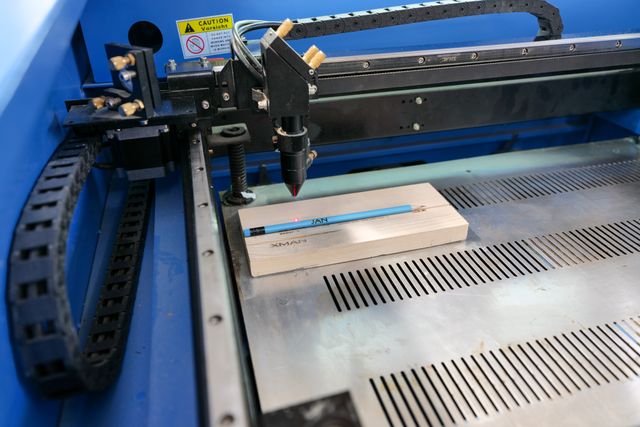
Laser engraving is ideal for bamboo pens, cork notebooks, wooden desk items, and stainless steel drinkware. It gives a clean finish and avoids ink-related concerns.
Choose laser engraving if your logo is simple and single-color. Avoid it if your brand mark relies on multiple colors or fine gradients.
Silk Screen Printing
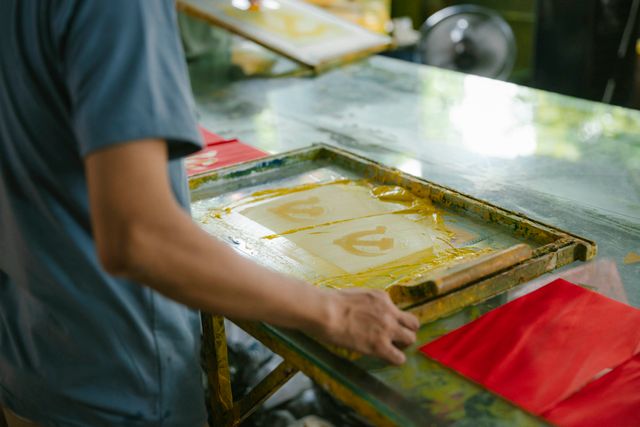
Silk screen printing is common for rPET bags, cotton totes, notebooks, and paper products. Eco water-based inks may be available, but you should confirm ink type with the factory.
This method is cost-effective at scale, but color accuracy needs checking. I would always request a logo proof and production sample for branded merchandise orders.
Debossing and Embossing
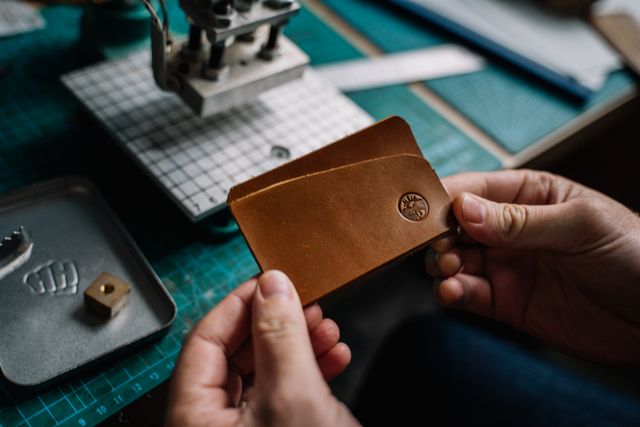
Debossing and embossing work well for cork notebooks, recycled PU products, vegan leather portfolios, and premium gift packaging.
This method gives a more premium look, but setup costs are higher. It usually makes more sense for 1,000+ units or premium executive gifts.
UV Digital Print
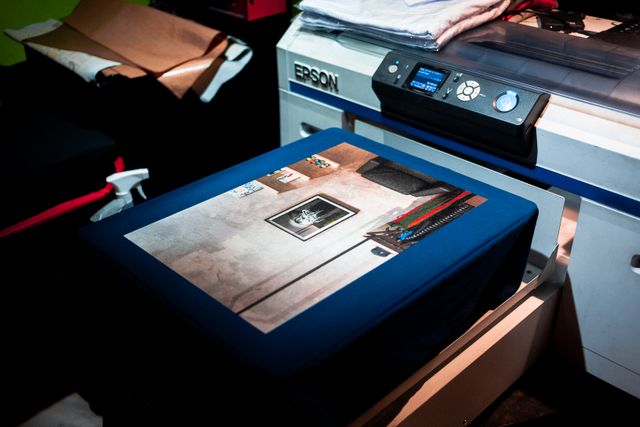
UV digital print is useful for complex logos on hard surfaces, including drinkware, recycled plastic accessories, and tech products.
It is a good option when the logo has multiple colors, but durability should be tested. Ask the supplier how the print performs against scratching, moisture, and heat.
Embroidery
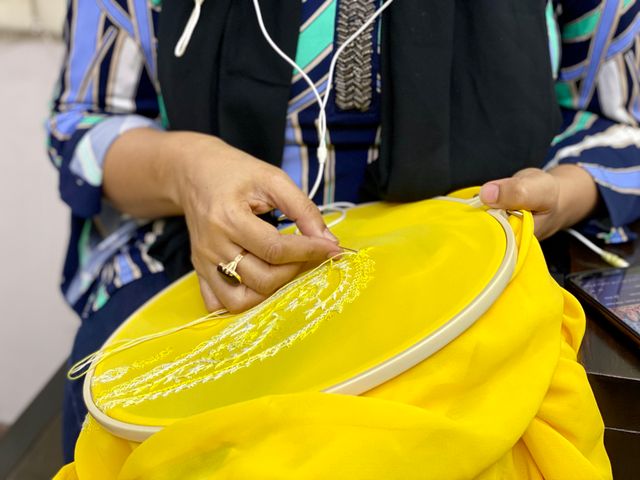
Embroidery is common for organic cotton caps, tote bags, hoodies, and polo shirts. It feels premium but costs more than basic printing.
For organic cotton apparel, check whether the garment certification and decoration process are both aligned with the sustainability claim.
UK Distributors vs China Factories: Complete Procurement Comparison
| Factor | UK Distributor | China Factory Direct |
| Best for | Small and urgent orders | Bulk and planned campaigns |
| Typical MOQ | 25–200 units | 300–1,000 units |
| Production lead time | 1–3 weeks | 3–5 weeks |
| Shipping time | Domestic delivery | Sea freight or air freight |
| Total lead time | 1–4 weeks | 8–10 weeks |
| Unit price | Higher | Lower at scale |
| Customization | Basic logo printing | Deeper custom options |
| Certification verification | Easier communication | Requires document checks |
| Payment risk | Lower | Higher without support |
| Logistics | Simple | Freight, customs, VAT, clearance |
| Best breakeven range | Under 200 units | Around 400–600+ units |
UK distributors win on speed, flexibility, and communication. If you need 100 branded bamboo pens for an event next Friday, use a UK supplier.
China factories win on price, material variety, and customization at scale. If you need 1,000 rPET totes, 500 onboarding kits, or custom bamboo drinkware with branded packaging, China sourcing becomes much more attractive.
I would treat 400–600 units as the practical comparison point for many categories. Below that, the UK distributor’s markup may be justified by speed and convenience. Above that, China factory-direct sourcing is usually worth calculating.
Landed Cost Example: 1,000 rPET Tote Bags
A factory quote is only the starting point. UK buyers need to calculate landed cost before comparing China with UK distributors.
Let’s use a simple example: 1,000 branded rPET tote bags.
| Cost Item | UK Distributor | China Factory Direct |
| Product cost | £2,500 total | £1,000 factory cost |
| Freight | Included or hidden | £180 |
| Duty estimate | Included or hidden | £90 |
| Import VAT | Charged or included depending on supplier | Recoverable if VAT-registered, but cash-flow relevant |
| Clearance/admin | Included or hidden | £97 |
| Estimated total | £2,500 | £1,367 |
| Estimated saving | — | £1,133 / around 45% |
This is a worked example, not a universal quote. The final result depends on product specification, HS code, duty rate, VAT treatment, shipping method, and current freight cost.
Still, this is why landed cost matters. A UK distributor quote may look expensive, but it includes convenience. A China factory quote may look cheap, but it does not mean much until freight, duty, VAT, inspection, and clearance are included.
If you are VAT-registered in the UK, import VAT may be recoverable, but it still affects cash flow and accounting. For procurement planning, I would include it in the decision model and let your finance team decide how to treat it.
How to Verify Certifications and Avoid Greenwashing

Sustainable promotional products have a greenwashing problem. Many products are marketed as “eco-friendly,” “green,” or “recycled” without enough proof.
Here is the verification process I would use before placing a bulk order.
Ask for the Certificate Number
Do not accept a logo in a product image. Ask for the certificate number, certificate holder, issuing body, validity date, and scope.
Check the Official Database
For common certifications, check the official database or verification tool.
Examples include:
- FSC for paper, bamboo, wood, and cork products
- GOTS for organic cotton textiles
- GRS for recycled content
- OEKO-TEX for textile safety
- ISO 14001 for environmental management systems
Confirm the Certificate Covers the Product
A factory may be certified for one product category but not another. A supplier that has a GOTS certificate for cotton fabric may not automatically be certified for finished tote bags with printing and packaging.
Request Transaction Documents Where Relevant
For textile products, transaction certificates may matter if the shipment itself needs to be certified. This is especially important for ESG reporting or client-facing claims.
BSCI and Sedex are useful for supplier responsibility checks, but they are not the same as product sustainability certifications. They help assess working conditions and factory practices, not whether a tote bag is made from recycled materials.
Verify Packaging
A sustainable product in poor packaging creates a weak campaign. Ask whether packaging is FSC paper, recycled paper, compostable material, biodegradable packaging, or standard plastic.
Watch for Red Flags
Be careful if a supplier:
- Says “eco-friendly” but provides no documents
- Claims “recycled” without GRS or test documentation
- Uses an expired certificate
- Provides a certificate under a different company name
- Cannot explain whether the certificate covers the specific product
- Refuses a pre-shipment inspection
- Avoids packaging questions
How NicheSources Reduces China Sourcing Risk
China factory-direct sourcing can save money, but it also adds risk. The buyer has to manage supplier communication, certification checks, product specs, sample approval, payment, production, inspection, freight, customs, and delivery.
This is where NicheSources fits.
NicheSources helps businesses source, purchase, inspect, consolidate, and ship products from China. For UK companies buying sustainable promotional products, the role is to make China sourcing more practical and less risky.
NicheSources can help with:
- Mandarin-speaking factory negotiation
- Supplier sourcing and comparison
- MOQ negotiation
- Product specification confirmation
- FSC, GOTS, GRS, OEKO-TEX, ISO 14001, BSCI, or Sedex document checks
- Sample coordination
- Pre-shipment AQL inspection
- Logo and Pantone accuracy checks
- Packaging quality checks
- Sustainable packaging sourcing
- Multi-SKU consolidation
- Freight and customs coordination
- Import documentation support
For example, if you need 500 employee onboarding kits, NicheSources can help source rPET tote bags, bamboo notebooks, stainless steel bottles, FSC inserts, and custom gift boxes from different factories. The items can then be consolidated in China, inspected, packed, and shipped together.
This is usually more efficient than asking one UK distributor to source everything at a marked-up price or trying to manage multiple factories alone.
NicheSources charges a 5–10% commission and no upfront fee. For buyers who want China pricing but do not want to manage factory risk themselves, that commission can be cheaper than mistakes in certification, packaging, or product quality.
If you are planning a bulk sustainable promotional product campaign, you can request a Free Sourcing Request from NicheSources.
FAQs
What are the most popular sustainable promotional products in the UK?
The most popular sustainable promotional products in the UK include rPET tote bags, bamboo pens, FSC notebooks, reusable bottles, organic cotton apparel, cork notebooks, seed paper cards, and recycled stainless steel drinkware. I would prioritize useful products because recipients are more likely to keep them, reducing waste and improving brand recall.
How much do eco-friendly promotional products cost?
co-friendly promotional products can cost under £1 for simple items like bamboo pens or seed paper cards, £3–£15 for bags, bottles, and notebooks, and £20–£50+ for premium gift sets. UK distributors are usually faster but more expensive. China factories can reduce unit costs at 500+ units if you plan ahead.
Is it cheaper to source promotional products from China?
Yes, China sourcing can be cheaper for bulk promotional products, especially at 500+ units. The savings are strongest for bamboo, rPET, organic cotton, drinkware, and seed paper items. However, compare landed cost, not factory price. Include freight, duty, VAT, clearance, packaging, inspection, and possible delays.
How do I verify a Chinese factory’s eco-certifications?
Ask for the certificate number, certificate holder, issuing body, product scope, and expiry date. Then check the official database for FSC, GOTS, GRS, OEKO-TEX, or ISO 14001. Confirm the certificate covers the specific product category, not just the factory. For textiles, ask whether a transaction certificate is available.
What is the MOQ for custom sustainable merchandise from China?
Typical MOQs range from 300–1,000 units depending on the product. rPET bags often start around 500 units, bamboo pens around 1,000 units, stainless steel drinkware around 300 units, and organic cotton apparel around 200–300 units. Custom packaging, Pantone colors, and private label details may increase MOQ.
How long does it take to receive promotional products from China?
Most China-sourced promotional product orders take around 8–10 weeks from supplier confirmation to UK delivery if shipped by sea. This includes sampling, production, logo approval, inspection, freight, customs, and delivery. Air freight can be faster, but it increases cost and reduces the savings advantage.
What certifications should I look for in sustainable promotional products?
Look for FSC for paper, bamboo, wood, and cork items; GOTS for organic cotton; GRS for recycled content such as rPET; OEKO-TEX for textile safety; and ISO 14001 for environmental management. For factory responsibility, BSCI or Sedex audit reports can support supplier due diligence.
Can I get custom logos printed on eco-friendly products from China?
Yes, Chinese factories can add custom logos through laser engraving, silk screen printing, UV digital print, debossing, embossing, embroidery, and custom packaging. The best method depends on the material. For example, laser engraving works well on bamboo, while silk screen printing is common for rPET bags and cotton totes.
Are recycled promotional products actually sustainable?
Recycled promotional products can be sustainable if the recycled content is verified and the product is useful. For example, GRS-certified rPET bags are stronger than generic “recycled” bags with no proof. Also check durability, packaging, and shipping impact. A recycled product that breaks quickly still creates waste.
Should UK companies use local distributors or China factories?
UK companies should use local distributors for small, urgent, or simple orders. China factories are better for planned bulk campaigns, usually 500+ units, where cost savings, custom packaging, and deeper branding matter. The best route depends on order volume, event deadline, certification needs, and internal procurement capacity.