You receive a product sample labeled “Made in P.R.C.” instead of “Made in China.” Is it fake? Is it a knock-off?
Short answer: No.
“Made in PRC” stands for Made in the People’s Republic of China. It is the exact same country, just a different label.
But if they are the same, why do major brands like Bosch and Zara specifically choose one over the other? And which one should you use to increase sales?
As a professional China sourcing agent, NicheSources helps sellers navigate these decisions daily. We’ve seen sellers lose sleep over this label, and we’ve seen others use it strategically to boost sales and bypass bias.
In this guide, we will explain exactly what “Made in PRC” means, why major brands like Bosch and Zara use it, and how you should choose the right label for your business in 2026.
What Does “Made in PRC” Actually Mean?
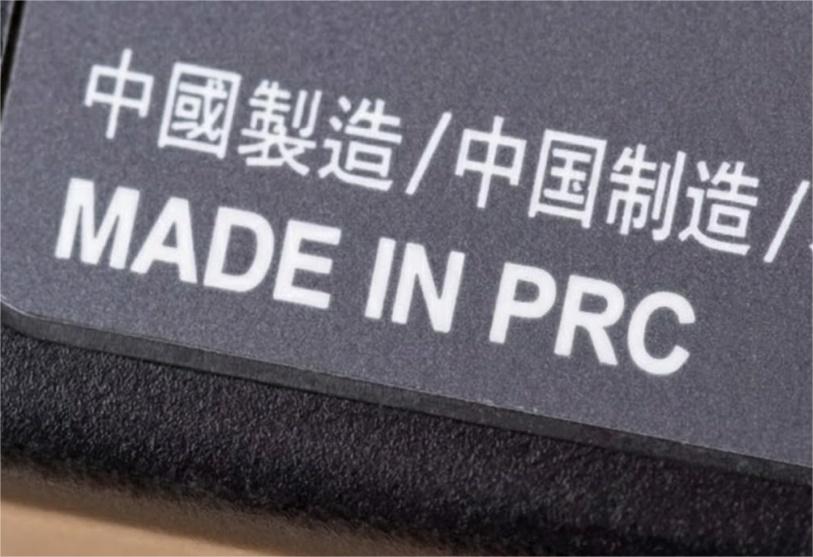
Let’s start with the facts.
“Made in PRC” stands for “Made in the People’s Republic of China”.
Geographically, legally, and politically, it is the exact same country as “Made in China”. It refers to products manufactured in mainland China.
The “Taiwan” Confusion
AA common question we see is: “Does PRC include Taiwan in trade labeling?” In terms of Country of Origin rules, they are distinct:
- Made in PRC / Made in China: Refers to products manufactured in Mainland China.
- Made in Taiwan: Products from Taiwan region have their own separate labeling requirements and are distinctly labeled “Made in Taiwan”.
So, strictly for customs and labeling purposes, “Made in PRC” refers specifically to Mainland China.
The “Quality” Question: Is Made in PRC Original or Fake?
Many buyers assume “Made in PRC” is a trick used by cheap factories to hide their origin.
This is false.
“Made in PRC” is a standard designation used by top-tier global brands for compliance and professional aesthetics. It is not a sign of low quality; it is a sign of formal export manufacturing.
Here is the proof:
1. Luxury Brands (Balmain)
Even premium fashion houses like Balmain use this label. As shown below, the tag represents a legitimate export product, not a knock-off. For luxury brands, “PRC” is simply a neutral, compliant abbreviation.
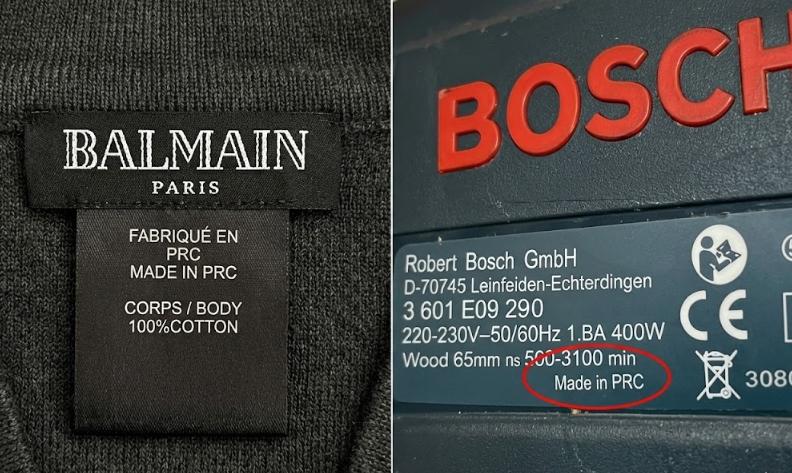
2. Precision Engineering (Bosch, Hitachi, Remington)
If “PRC” meant low quality, industrial giants would avoid it. Yet, Bosch, Hitachi, and Remington all use it on their power tools and electronics. These are high-performance products requiring strict safety certifications (CE). The label fits their industrial image perfectly.
3. Everyday Retail
For footwear and apparel, “Made in PRC” is the dominant standard for exports to the UK and Europe. It streamlines customs data and is industry-standard.
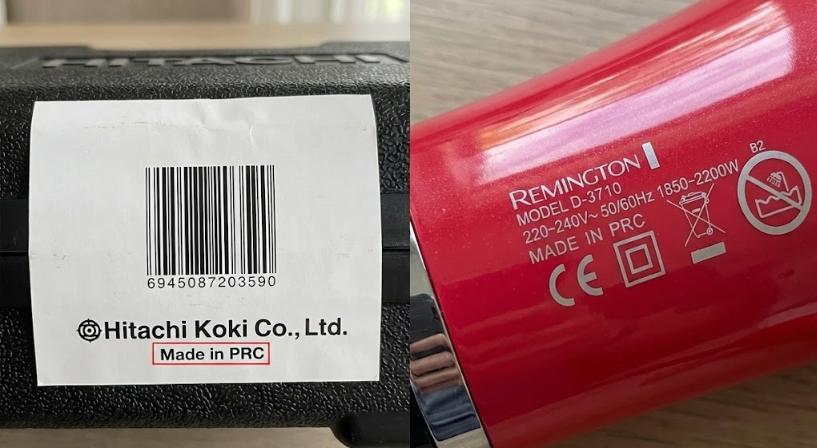
Agent’s Bottom Line: The label doesn’t build the product; the factory does. A sticker saying “Made in China” or “Made in PRC” means nothing if the manufacturing standards are low. At NicheSources, we focus on vetting the factory’s capability, not the acronym on the box.
Made in PRC vs. Made in China: The Strategic Comparison
If you are looking into how to private label products with us, you often have a choice. Which one should you pick?
Here is a comparison based on consumer perception and market trends:
| Feature | Made in China | Made in PRC |
| Consumer Perception | Widely recognized. Can carry “mass-produced” baggage, though this is changing. | Neutral. Sounds technical or like an acronym. Less likely to trigger immediate bias. |
| Best For Category | Cultural goods (Tea, Silk), Souvenirs, Daily items. | Electronics, Smart Gadgets, Medical Devices, Power Tools. |
| Vibe | Traditional, Direct. | Formal, Industrial, Regulated. |
| Customs Risk | Low. Universally accepted worldwide. | Medium. Some strict US/EU customs officers may prefer the full country name. |
Why Do Brands Swap the Label? (The Insider View)
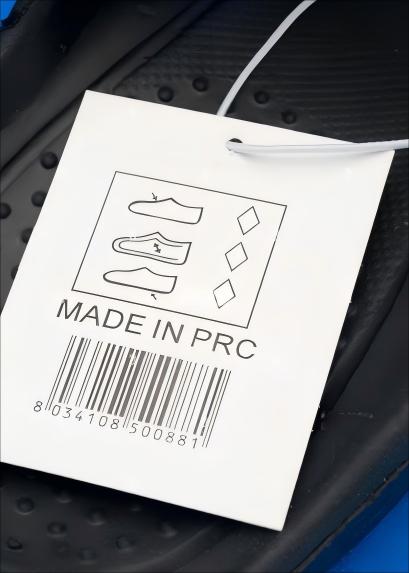
Why would a brand specifically choose “PRC” over “China”? It’s usually a calculated business decision.
1. Mitigating Consumer Bias
Let’s be honest: in some Western markets, there is a lingering bias against the “Made in China” label. By using “Made in PRC,” brands can bypass that immediate knee-jerk reaction. It allows consumers to focus on the product quality rather than the geopolitics.
2. Space and Aesthetics
For small products like lipstick tubes or jewelry tags, space is at a premium. “Made in PRC” is shorter and often fits better in a minimalist design layout.
3. Export Formality
Some specific trade agreements or contracts use the official state name. Factories experienced in export sometimes default to the abbreviation because it matches their paperwork. This attention to detail is critical. When you are preparing your shipping documents, ensuring consistency between your product label and your commercial vs pro forma invoices is vital to avoid delays.
Customs & Legal: Will “Made in PRC” Get Your Package Seized?
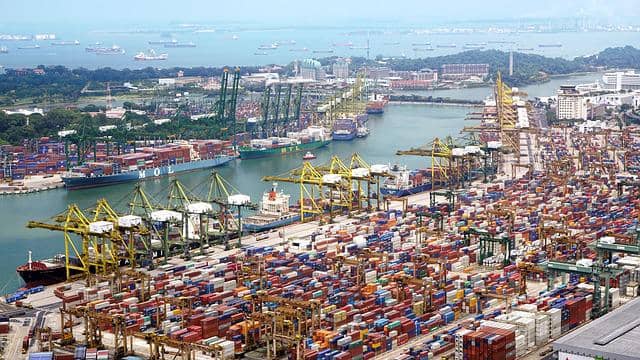
This is the most critical part for dropshippers.
In the United States:
US Customs (CBP) generally requires the English name of the country. While “Made in PRC” is widely seen, strict officers have occasionally delayed shipments to demand “China” be spelled out.
- Verdict: “Made in China” is technically safer for the US market, but PRC is common if paperwork is perfect. For more on shipping logistics, read our guide on shipping from China to USA.
In the European Union:
The EU is generally more flexible. “Made in PRC” is widely accepted and legal in most member states.
The NicheSources Solution:
As your sourcing agent, we don’t guess. We ensure your documents match perfectly. If you are targeting a sensitive market, we will advise you on the safest labeling to ensure smooth 5-8 day delivery.
How to Choose the Right Label for Your Brand

You are not at the mercy of the factory. If you are scaling a brand, you should dictate the customer experience.
- Check Your Competitors: Are the top sellers in your niche using China or PRC? Mimic what is working.
- Know Your Audience: Selling premium tools to Boomers? “Made in PRC” often feels more professional. Selling budget gadgets to Gen Z? They likely don’t care.
- Ask Us to Handle It: If you are sourcing through NicheSources, simply tell us your preference. We can print custom stickers that align with your brand strategy.
FAQ
Is Made in PRC the same as Made in China?
Yes. They refer to the exact same country of origin: The People’s Republic of China.
Does “Made in PRC” mean the product is poor quality?
No. The label has zero impact on quality. Quality is determined by the manufacturer’s standards and your sourcing agent’s QC process. For a deeper dive into manufacturing quality, check out our guide on how to find a manufacturer in China.
Can I change the label from “Made in China” to “Made in PRC”?
Yes, as long as it is accepted by your destination country’s customs. You can request this during the packaging phase.
Conclusion: Don’t Judge the Label, Judge the Sourcing
A “Made in PRC” label won’t save a bad product, and a “Made in China” label won’t hurt a great one. The key to success in 2026 is sourcing high-quality products that earn 5-star reviews.
That is where we come in.
At NicheSources, we go beyond simple order fulfillment. We vet factories, inspect quality, and navigate the complex world of compliance and labeling for you.
Ready to upgrade your supply chain?
Stop worrying about the fine print and start building a brand. Contact NicheSources Today for a free quote on sourcing, private labeling, and fast global shipping.