Shared container shipping from China is best for importers buying from multiple Chinese suppliers but not enough cargo to fill a full container. In practice, we usually see it work best for 1–15 CBM shipments where the buyer wants to avoid paying for unused FCL space or booking several separate LCL shipments.
Instead of letting each supplier ship separately, the goods are sent to one China consolidation warehouse, checked, repacked if needed, and shipped together.
This guide explains how shared container shipping works, how multi-supplier consolidation is handled, what costs to expect, and when a sourcing agent can make the process easier.
Key Takeaways
- Shared container shipping is usually billed by CBM or weight/measure, making it suitable for small-batch imports.
- It works best when you are buying from 2 or more suppliers in China and want one combined shipment.
- Consolidation can reduce repeated domestic freight, duplicate handling, and scattered delivery schedules.
- The main risks are supplier delays, weak carton labels, poor packaging, hidden destination fees, and extra handling.
- Once cargo reaches around 12–15 CBM, compare LCL or shared container pricing against a 20ft FCL quote.
- A sourcing agent can help when you need supplier coordination, warehouse checks, repacking, documents, and shipping support.
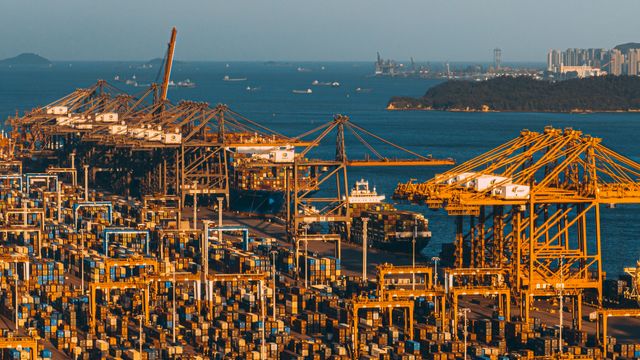
Shared container shipping means your cargo shares ocean container space with other shipments instead of using a full container by itself.
For importers, this usually happens through LCL shipping, groupage, or a consolidation service. You pay only for the space your cargo uses, usually based on CBM or weight/measure.
This method is common for test orders, small-batch restocks, multi-SKU launches, Amazon FBA shipments, and orders from several Chinese suppliers.
The key point is that shared container shipping is not only a cheaper shipping option. For multi-supplier orders, it is also a coordination method. The real value comes from collecting goods from different suppliers, checking them in one place, and exporting them together.
These terms are often used interchangeably, but they are not exactly the same.
| Term | What It Means | Best For |
| Shared container shipping | General term for shipping cargo in a container shared with other goods | Multi-supplier China orders and small imports |
| LCL shipping | Less than Container Load shipping booked through a freight forwarder | Small shipments from one supplier |
| Groupage | A forwarder combines smaller shipments from different customers | Regular small freight lanes |
| SCL / shared container load | Less common term for shared container space | Buyers comparing alternatives to FCL |
In simple terms, LCL is the common freight method. Shared container shipping is the broader idea. Multi-supplier consolidation is the China-side workflow that makes shared shipping practical when your products come from several factories.
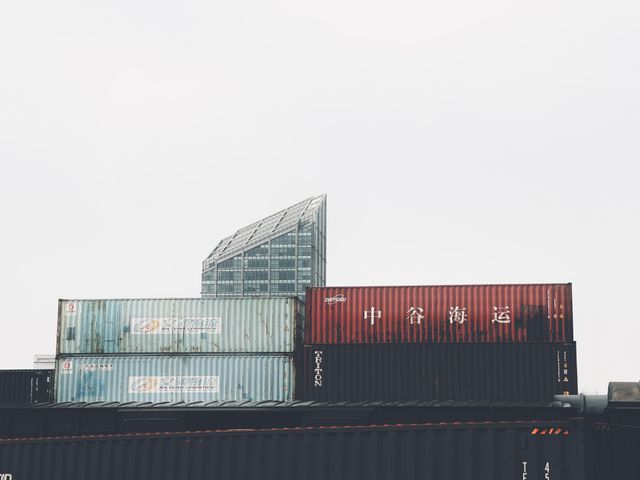
Shared container shipping is a good fit when your cargo is too large for courier shipping but too small for FCL.
We usually consider it when a buyer has multiple suppliers, several SKUs, and enough volume that air shipping becomes expensive. For example, one supplier may produce the main product, another may provide packaging, and a third may supply accessories. Shipping each order separately may look easier, but the total cost and coordination can become messy.
Use shared container shipping if:
- You are buying from 2 or more suppliers in China.
- Your total cargo is around 1–15 CBM.
- You are testing products before scaling.
- You are launching multiple SKUs.
- You need Amazon FBA labels, carton marks, or pallet prep.
- You want one combined shipment instead of several separate LCL bookings.
It may not be ideal for fragile, urgent, oversized, hazardous, liquid, magnetic, or battery-heavy cargo unless the packing and shipping plan is properly checked first.
How Multi-Supplier Consolidation Works in China
Booking shared container space is only one part of the process. The harder part is getting several suppliers to deliver the correct goods, in the right cartons, with the right labels, before the shipping cutoff.
Here is the usual workflow.
Step 1: Confirm POs, Cargo Details, and Incoterms

Before the goods move, collect clear details from every supplier:
- Supplier name
- Product name and SKU
- Purchase order number
- Carton quantity
- Carton dimensions
- Gross weight
- Ready date
- Pickup address
- Carton marks
- Incoterms
- Special handling needs
Incoterms matter because they decide who handles inland delivery and export-side costs. Under EXW, the buyer usually arranges pickup from the supplier. Under FOB, the supplier usually delivers to the agreed port or forwarder point.
This should be confirmed before production is finished, not when the goods are already packed.
Step 2: Send Goods to One China Consolidation Warehouse
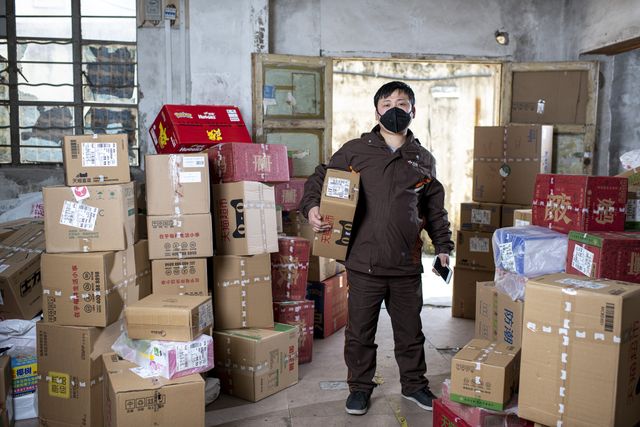
Each supplier sends their cartons to the same consolidation warehouse.
This warehouse may be operated by a sourcing agent, freight forwarder, 3PL, or logistics provider. Its role is to receive goods from different suppliers, check what arrived, and prepare one export shipment.
This step gives the buyer more control. Instead of three suppliers shipping three separate LCL orders, all cargo is received in one place and handled under one plan.
Step 3: Check Carton Counts, Labels, and Packaging
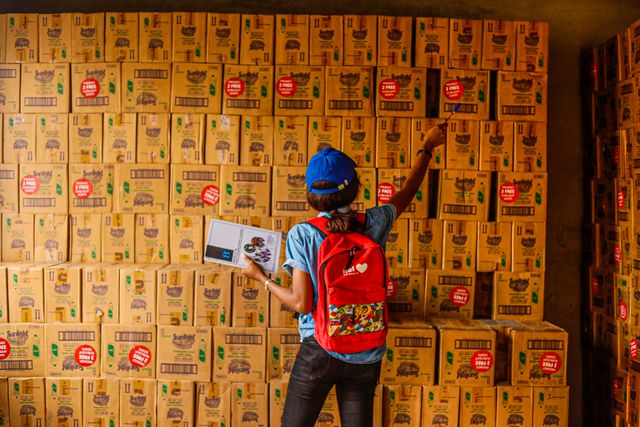
Once the goods arrive, the warehouse should check the basics:
- Supplier name matches the PO
- Carton count matches the packing list
- Cartons are not crushed, wet, or torn
- SKU labels are readable
- FBA labels are correct, if required
- Carton marks match the shipment plan
- Fragile items have enough protection
- Different suppliers’ goods are separated clearly
This is not the same as full product inspection, but it prevents many common shipping problems. A missing carton label may look minor in China, but it can become a lost-carton, FBA receiving, or customs issue later.
Step 4: Repack, Palletize, or Prepare for FBA/Retail Delivery
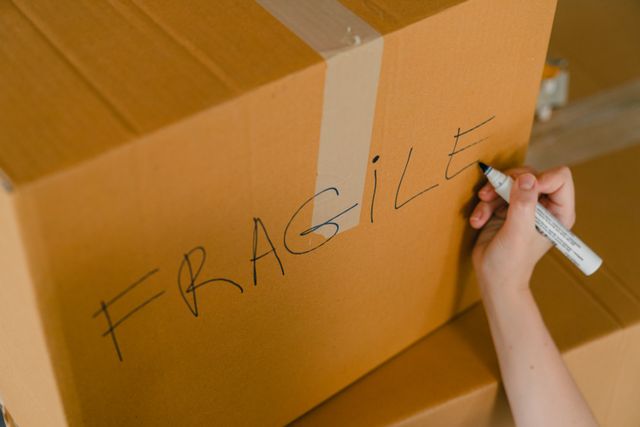
After receiving checks, the warehouse can prepare the cargo for export.
This may include:
- Replacing weak cartons
- Adding tape or corner protection
- Repacking mixed SKUs
- Adding outer carton labels
- Palletizing cartons
- Preparing pallet labels
- Separating heavy and fragile goods
- Taking photos before shipment
This matters because shared container cargo is handled more than FCL cargo. Weak cartons are more likely to fail during loading, CFS handling, deconsolidation, or final delivery.
Step 5: Merge Shipping Documents
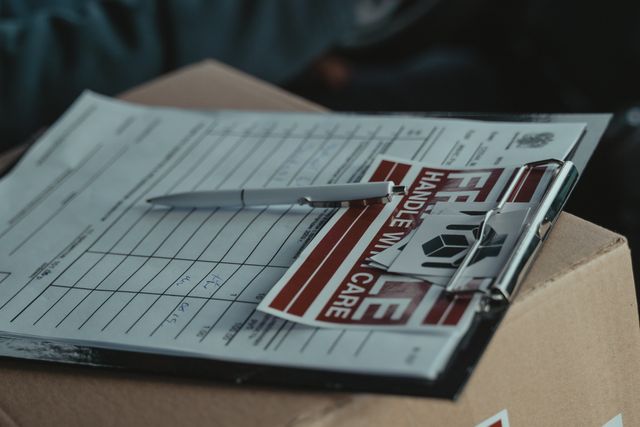
For a consolidated shipment, documentation must be consistent.
Common documents include:
- Commercial invoice
- Packing list
- Supplier invoices
- Product descriptions
- HS codes
- Export declaration details
- House bill of lading
- Master bill of lading
- Importer information
- Customs clearance documents
- Amazon FBA labels, if needed
The product names, quantities, carton counts, and values should match across documents. Inconsistent descriptions can create customs delays.
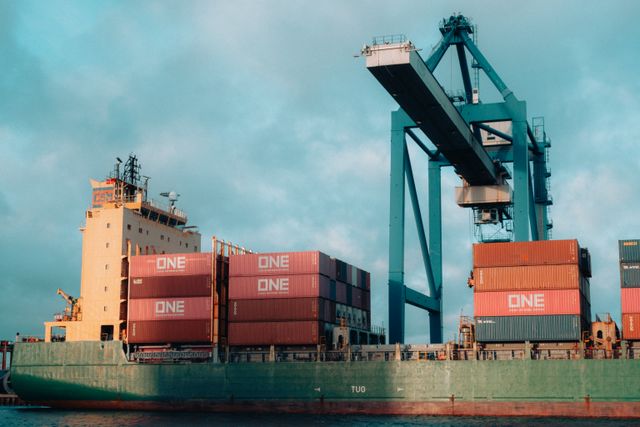
After the goods and documents are ready, the cargo enters the LCL or shared container flow.
The shipment may move through a container freight station, where smaller shipments are combined before loading. The container then moves from the port of loading in China to the port of discharge in the destination country.
One practical issue is container fill time. If the forwarder is waiting to fill a container on a slower route, the cargo may wait longer before departure. This is why the cheapest quote is not always the best one.
Step 7: Deconsolidation and Final Delivery
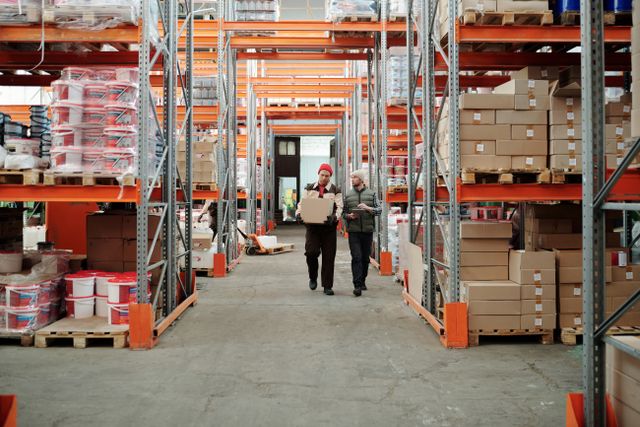
At the destination, the container is unloaded and the cargo is separated. This is called deconsolidation.
After customs clearance, the goods are delivered to your warehouse, 3PL, Amazon FBA, retail location, or business address.
This is where hidden fees often appear. Destination CFS charges, storage, customs broker fees, delivery appointments, demurrage, detention, and final trucking can change the final landed cost.
Multi-Supplier Consolidation Checklist
Before booking, confirm these details:
| Item | Why It Matters |
| Supplier ready dates | One late supplier can delay the full shipment |
| Carton quantity | Helps avoid missing cartons |
| Carton dimensions | Needed for CBM calculation |
| Gross weight | Required for billing and customs documents |
| Incoterms | Decides who pays for pickup and export-side costs |
| Warehouse address | All suppliers must deliver to the correct place |
| Carton marks | Prevents goods from being mixed or lost |
| Packaging strength | Shared cargo is handled more than FCL cargo |
| Product type | Fragile, liquid, battery, magnetic, or regulated goods need checks |
| Final destination | Affects trucking, delivery appointments, and total cost |
The biggest mistake is treating consolidation as only a freight task. It is really a coordination task.
Shared container shipping is usually billed by CBM or weight/measure, but the ocean freight rate is only one part of the total cost.
For multi-supplier orders, you also need to check supplier pickup, warehouse handling, repacking, origin charges, destination charges, customs clearance, and final delivery.
| Cost Component | What It Covers |
| China inland pickup | Moving goods from suppliers to the warehouse or CFS |
| Warehouse receiving | Receiving goods from each supplier |
| Carton check | Checking quantity, labels, and visible damage |
| Repacking/palletizing | Strengthening cartons or preparing pallets |
| Origin CFS/handling | Consolidation, loading, and export handling |
| Ocean freight | Main sea freight movement |
| Documentation | Bill of lading, admin, and export documents |
| Customs clearance | Import clearance at destination |
| Destination CFS/deconsolidation | Unloading and separating cargo after arrival |
| Storage/demurrage/detention | Charges caused by delays |
| Final delivery | Trucking to warehouse, FBA, or door address |
Do not only ask, “What is the cost per CBM?”
Ask for the full landed-cost structure from supplier pickup to final delivery. That is where the real comparison happens.
Worked Example: 3 Suppliers, 8 CBM, China to US West Coast
Below is an illustrative example. All rates should be replaced with live quotes before publishing.
| Supplier | Cargo Volume | Notes |
| Supplier A | 3 CBM | Main product cartons |
| Supplier B | 2 CBM | Accessories |
| Supplier C | 3 CBM | Packaging and add-ons |
| Total | 8 CBM | Consolidated shipment |
Option 1: Separate LCL Bookings
With separate LCL, each supplier may create its own booking, handling fees, documentation, destination charges, and final delivery arrangement.
| Cost Item | Placeholder |
| Supplier A LCL booking | [PENDING VERIFICATION — replace with live forwarder quote] |
| Supplier B LCL booking | [PENDING VERIFICATION — replace with live forwarder quote] |
| Supplier C LCL booking | [PENDING VERIFICATION — replace with live forwarder quote] |
| Repeated origin/destination handling | [PENDING VERIFICATION — replace with live forwarder quote] |
| Multiple final deliveries | [PENDING VERIFICATION — replace with live forwarder quote] |
Separate LCL can work if each supplier ships independently to different destinations. But if all goods are going to the same warehouse, repeated minimum charges can make this inefficient.
With consolidation, the goods are received together, checked together, and shipped under one plan.
| Cost Item | Placeholder |
| Supplier delivery or inland pickup | [PENDING VERIFICATION — replace with live forwarder quote] |
| Warehouse receiving for 3 suppliers | [PENDING VERIFICATION — replace with live forwarder quote] |
| Carton and label check | [PENDING VERIFICATION — replace with live forwarder quote] |
| Repacking or palletizing | [PENDING VERIFICATION — replace with live forwarder quote] |
| Ocean freight for 8 CBM | [PENDING VERIFICATION — replace with live forwarder quote] |
| Destination handling and delivery | [PENDING VERIFICATION — replace with live forwarder quote] |
The benefit is control. A warehouse can catch carton, label, and packing problems before the goods leave China.
Option 3: Compare Against FCL
If the shipment is close to 12–15 CBM, ask for a 20ft FCL quote too.
FCL may cost more upfront, but it can reduce handling risk, destination CFS charges, and deconsolidation delays. For fragile, high-value, or deadline-sensitive cargo, it may be worth comparing earlier. We also have a separate guide discussing the main differences between FCL vs. LCL shipping.
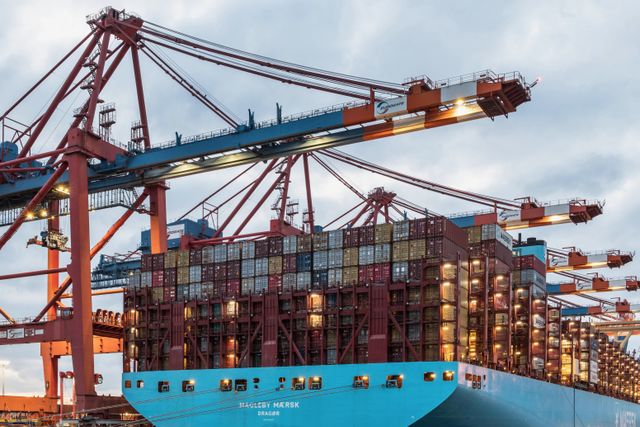
Shared container shipping is useful, but it has trade-offs.
More Handling Than FCL
Shared container cargo moves through more touchpoints than FCL cargo. It may be handled at the warehouse, CFS, port, destination CFS, and final delivery point. Strong cartons and clear labels are important.
Supplier Delays:
One late supplier can delay the whole consolidated shipment. If the cargo misses the cutoff, it may roll to the next sailing.
Mislabeled Cartons
Carton labels matter more when several suppliers send goods to one warehouse. Poor labeling can cause warehouse confusion, lost cartons, FBA receiving problems, or customs issues.
Cheap ocean freight can become expensive after destination CFS, customs broker, storage, demurrage, detention, and final-mile trucking charges are added.
Incompatible Cargo
Heavy goods, fragile products, liquids, batteries, magnetic items, sharp goods, and regulated products should not be mixed without checking the shipping requirements first.
How to Reduce Risk Before Shipping
Most problems can be reduced before the goods leave China.
- Confirm every supplier’s ready date in writing.
- Ask for carton dimensions and gross weight before pickup.
- Use one carton-marking format across all suppliers.
- Add PO number, SKU, supplier name, and destination reference on cartons.
- Ask the warehouse for receiving photos.
- Confirm whether damaged cartons will be reported before export.
- Repack weak cartons before shipping.
- Separate fragile, heavy, liquid, battery, and regulated cargo.
- Ask for a quote with origin and destination charges included.
- Confirm free storage days and cutoff dates.
In practice, standardizing carton labels is one of the simplest ways to avoid problems later.
How NicheSources Manages Multi-Supplier Consolidation
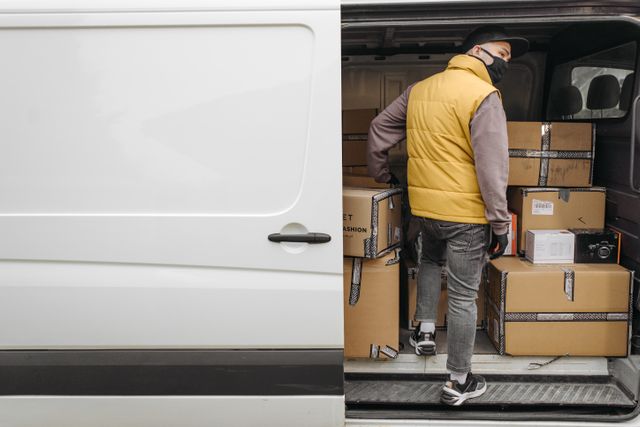
NicheSources helps importers manage the China-side work between sourcing and shipping.
For multi-supplier orders, this can include:
- Collecting goods from multiple Chinese suppliers
- Coordinating delivery to a China warehouse
- Checking carton counts and visible packaging condition
- Arranging quality checks or AQL inspection when needed
- Repacking weak cartons
- Palletizing goods for warehouse, retail, or Amazon FBA delivery
- Preparing carton labels and shipment marks
- Helping with supplier payment or Alipay handling where relevant
- Booking LCL, shared container, FCL, or door-to-door shipping
- Supporting export documents and shipment coordination
The goal is not just to find a low freight quote. The goal is to make sure goods arrive at the warehouse correctly, leave China under one clear plan, and reach the destination without avoidable carton, label, or documentation problems.
NicheSources works on a 5–10% commission model with no upfront fee. If you are sourcing from several suppliers and want one team to manage collection, checking, repacking, and shipping, you can request a Free Sourcing Quote.
Final Recommendation: If You Are…
If you are buying from one supplier under 10 CBM, standard LCL shipping is usually enough.
If you are buying from 2 or more suppliers in China, a consolidation warehouse or shared container approach gives you better control.
If your cargo is near 12–15 CBM, compare LCL or shared container shipping against a 20ft FCL quote.
If your goods are fragile, high-value, or deadline-sensitive, do not choose based only on the lowest CBM rate.
If you do not want to manage supplier follow-up, warehouse receiving, carton checks, repacking, documents, and freight booking yourself, a sourcing agent like NicheSources can coordinate the process.
FAQs
Yes. If your cargo does not fill a full container, you can share container space through LCL shipping, groupage, or a consolidation service. This is common for small-batch imports, test orders, Amazon FBA shipments, and multi-supplier orders. You usually pay based on CBM or weight/measure.
They are closely related. Groupage usually means a freight forwarder combines smaller shipments from different customers into one container or freight movement. Shared container shipping is the broader term for using shared container space instead of booking FCL.
There is no fixed limit, but 2–5 suppliers are usually manageable with proper labels, packing lists, and warehouse receiving checks. If you have more suppliers, use a clear PO system and make sure every supplier follows the same carton-marking instructions.
There is no universal minimum. Some shipments can move below 1 CBM, but minimum charges may still apply. For very small cargo, courier or air freight may be simpler. Shared container or LCL shipping becomes more attractive when the goods are too bulky or costly for air.
The cost per CBM depends on the route, port, cargo type, season, origin fees, destination fees, and final delivery method. Do not compare only the ocean freight rate. Ask for a full quote that includes warehouse receiving, origin handling, destination CFS, customs clearance, and delivery.
It can be safe if the goods are packed properly, but it has more handling risk than FCL. Fragile goods need stronger cartons, inner protection, clear labels, and sometimes pallets. If the goods are high-value or easily damaged, compare FCL or a more controlled shipping method.
Timing depends on the China port, destination country, sailing schedule, customs clearance, and final delivery. Shared container shipping can also include extra time for warehouse receiving, consolidation, loading, and destination deconsolidation. Always ask for the full timeline, not only the ocean transit time.
What documents are needed for consolidated LCL from China?
Common documents include the commercial invoice, packing list, bill of lading, product descriptions, HS codes, importer information, and customs clearance documents. For multi-supplier shipments, documents must be consistent across suppliers. For Amazon FBA, carton labels, pallet labels, and shipment plans may also be required.
Do I need a warehouse in China to consolidate shipments?
If you are buying from multiple suppliers, a China warehouse is usually helpful. It allows suppliers to send goods to one location before export. The warehouse can receive cartons, check labels, count packages, repack weak cartons, and combine goods into one shipment.
Yes. Shared container or LCL shipping can work for Amazon FBA if the goods are labeled, packed, and documented correctly. The warehouse should prepare FBA carton labels, pallet labels if needed, and delivery requirements before export.
Compare FCL once your cargo approaches around 12–15 CBM, or sooner if the goods are fragile, high-value, urgent, or difficult to handle. FCL may reduce handling, destination CFS charges, and deconsolidation delays. The right choice depends on landed cost and risk.