Ray-Ban sunglasses are made in Italy, China, and a few other countries around the world, each playing a unique role in production.
Italy handles the brand’s premium and heritage lines, while factories in China, Thailand, Brazil, and Japan help meet global demand with large-scale, high-precision manufacturing.
For anyone interested in sourcing or selling sunglasses, Ray-Ban offers a great example of how to maintain quality while expanding production internationally.
By understanding where and how Ray-Bans are made, you can pick up valuable lessons for building a supply chain that’s efficient, reliable, and built to scale.
The Evolution of Ray-Ban Manufacturing
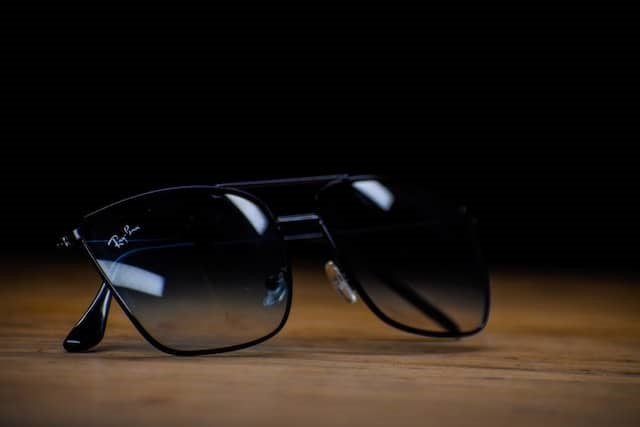
- 1936 – USA: Ray-Ban was founded by Bausch & Lomb in the United States. The first Aviator sunglasses were made for U.S. Air Force pilots.
- 1940s–1950s – Expansion in the U.S.: Ray-Ban grew popular among civilians.The Wayfarer model, launched in 1952, was made with durable plastic and produced in American factories.
- 1999 – Luxottica Acquisition: Italian eyewear giant Luxottica bought Ray-Ban from Bausch & Lomb. Manufacturing moved from the U.S. to Italy, introducing higher automation and global distribution.
- 2000s – Global Expansion: Luxottica established factories in China, Brazil, and India to meet global demand. All facilities follow the same quality standards used in Italy.
- 2018 – EssilorLuxottica Merger: Luxottica merged with French lens maker Essilor to form EssilorLuxottica, the world’s largest eyewear company. The group employs around 200,000 people worldwide and operates hundreds of manufacturing sites, laboratories, and distribution facilities across more than 150 countries.
- Today: Ray-Ban’s production is split mainly between Italy and China.
Regardless of location, every pair is made under Luxottica’s supervision to maintain consistent quality.
Where Are Ray-Bans Made Today?
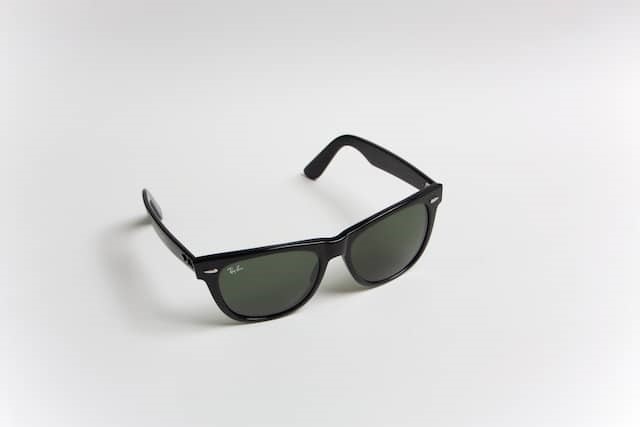
Ray-Ban sunglasses are produced in several countries around the world, most notably Italy and China, with additional facilities in Thailand, Brazil, and Japan.
All of these factories operate under EssilorLuxottica (formerly Luxottica Group), the Italian eyewear giant that owns Ray-Ban, ensuring the same materials, equipment, and quality standards no matter where production takes place.
Let’s take a closer look at Ray-Ban’s current manufacturing locations, as well as how its production footprint has evolved over the years.
Current Manufacturing Locations
| Country | Key Strength | Typical Models / Role |
|---|---|---|
| Italy | Premium craftsmanship & heritage production | Aviator, Wayfarer, Clubmaster (flagship lines) |
| China | Large-scale manufacturing capacity | High-volume plastic & metal frame production |
| Thailand | Injection-molded frame specialization | Sport and lightweight nylon frame models |
| Brazil | Regional distribution efficiency | Latin America market supply |
| Japan | Precision craftsmanship (limited production) | Titanium or specialty components |
- Italy: The historic home of Ray-Ban manufacturing and craftsmanship. Italian factories — primarily in Agordo, Belluno (the historic Luxottica HQ) — produce premium metal and acetate frames, including the flagship Aviator, Wayfarer, and Clubmaster lines. Roughly 60–70% of all Ray-Bans are still made here, maintaining the brand’s signature “Made in Italy” appeal.
- China: Luxottica’s facilities in Dongguan and the broader Guangdong region handle large-scale production of both plastic and metal frames. These factories support global demand while following the same processes and quality standards used in Italy. “Made in China” Ray-Bans are genuine products manufactured under Luxottica’s direct supervision. The first Dongguan plant opened in 1997 and has been expanded multiple times since.
- Thailand: A state-of-the-art plant opened in 2023, specializing in injection-molded nylon and acetate frames. The factory’s precision technology delivers quality on par with Italian-made models, especially for newer, sport-oriented lines.
- Brazil: A newer facility focused on models distributed across Latin America. It improves logistics, reduces delivery time, and supports regional sales without compromising build quality.
- Japan: EssilorLuxottica invested in a production facility in Fukui Prefecture (specifically the city of Sabae) seven years ago, leveraging a region that accounts for over 90% of Japan’s national eyewear output. In May 2025, the company launched a dedicated “Made in Japan” campaign to honor this heritage. These models — typically limited editions and titanium-frame collections — emphasize craftsmanship, durability, and Japanese aesthetics for both local and global markets.
Note: Luxottica also maintains assembly and finishing labs in the United States for prescription and custom eyewear. However, no Ray-Bans are fully manufactured in the U.S. today.
Historical Manufacturing Locations
1937–1999 (Bausch & Lomb Era)
- USA: All Ray-Bans were originally designed and produced in Rochester, New York, including the first Aviator prototypes made for the U.S. Air Force.
- Italy (post-1939): Early collaborations brought Italian frame craftsmanship into play, though large-scale production stayed in the U.S. until the late 20th century.
1999–2000 (Luxottica Acquisition)
- After acquiring Ray-Ban from Bausch & Lomb, Luxottica consolidated production in Italy, upgrading materials, precision, and finishing to meet luxury eyewear standards.
2000s–2010s (Global Expansion)
- China (since 1997): The first Dongguan plant expanded in 2006 and 2010, enabling large-volume frame and lens manufacturing using the same machines as Italian facilities.
- Thailand and Brazil (2020s): New factories were opened to decentralize production and serve regional markets more efficiently.
- Japan: Continued to produce titanium and limited-edition frames using precision alloy techniques that remain unmatched globally.
Over the decades, Ray-Ban’s production has shifted from a single U.S. base to a global manufacturing network.
Through Luxottica’s integrated control, every facility, whether in Italy, China, or Japan, upholds the same commitment to design excellence, durability, and timeless style that defines the Ray-Ban name.
EssilorLuxottica’s 2025 Manufacturing Footprint: By the Numbers
Understanding the scale of Ray-Ban’s parent company gives sellers important context about why this brand commands such consistent quality and global reach.
According to EssilorLuxottica’s official Q4/Full Year 2025 Results, published on February 11, 2026, the group reported strong global growth and continued expansion across its manufacturing and retail network:
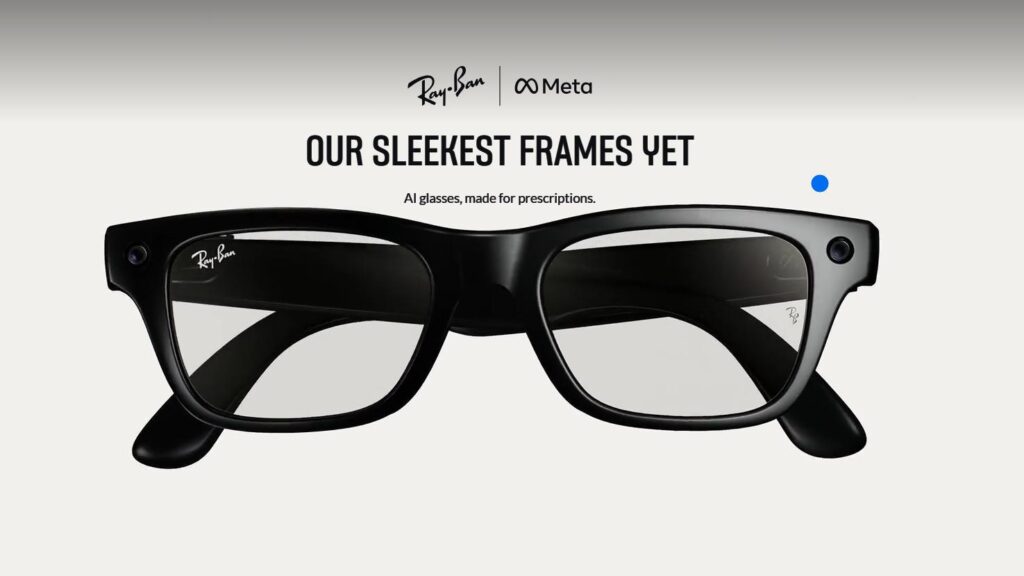
CNBC reported in February 2026 that EssilorLuxottica’s AI glasses — including Ray-Ban Meta and Oakley Meta — surpassed 7 million units sold in 2025, highlighting the rapid adoption of smart eyewear globally.
Why this matters for sellers: EssilorLuxottica’s vertically integrated model — owning its own factories, raw material suppliers, and retail stores — is a masterclass in supply chain control.
It’s the reason Ray-Ban can maintain consistent quality globally while scaling production massively. For small business owners and ecommerce sellers sourcing sunglasses, this model offers a clear benchmark.
Ray-Ban Meta Smart Glasses: What the Tech Trend Means for Sellers
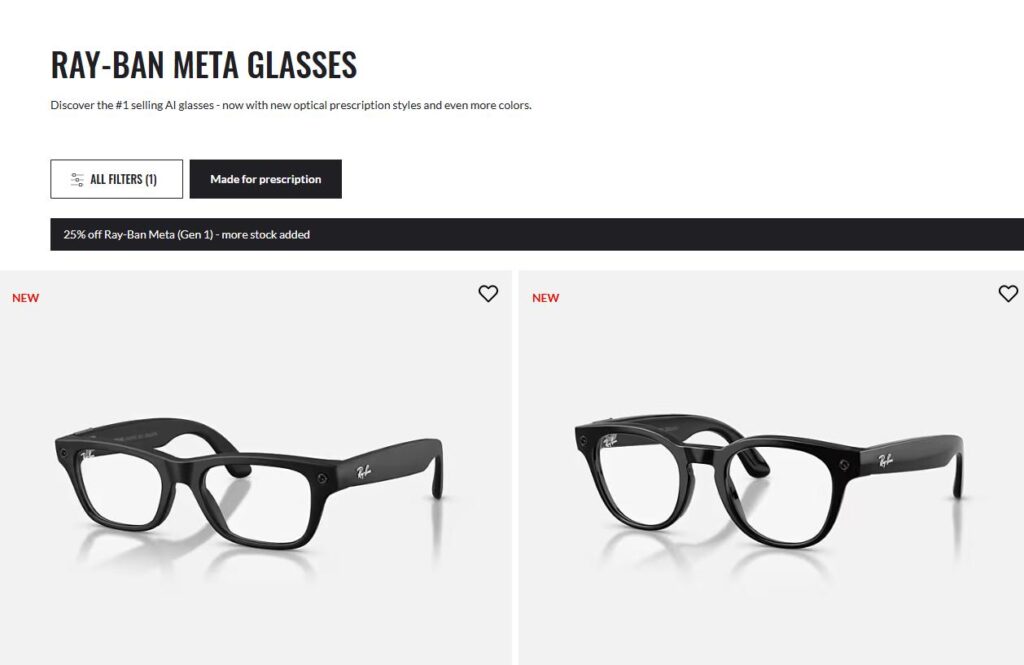
Perhaps the most significant development in the Ray-Ban story in 2025 wasn’t about manufacturing locations — it was about a product category that didn’t exist three years ago: AI-powered smart glasses.
The Numbers
EssilorLuxottica’s FY2025 results revealed a stunning milestone:
“AI glasses units sold, including Ray-Ban Meta (launched September 2023) and Oakley Meta (launched June 2025), were above 7 million in the full year.” — EssilorLuxottica FY2025 Results, February 11, 2026
That’s up from approximately 2 million units sold in 2023 and 2024 combined — a 3.5x year-over-year increase. Ray-Ban Meta smart glasses were the #1 bestselling AI glasses on the global market in 2025, and were the “dominant driver” of EssilorLuxottica’s wholesale revenue growth. (Business of Fashion, Feb 2026)
What Are Ray-Ban Meta Glasses?
The Ray-Ban Meta Gen 2 combines iconic Ray-Ban frames with wearable AI technology:
- 12MP camera for photos and 1080p video, with 3x zoom
- Open-ear audio (speakers + microphones) for calls and music
- Built-in Meta AI voice assistant (“Hey Meta”)
- 42% longer battery than Gen 1 (up to 5 hours active use)
- Display version launched September 2025 at $799, featuring an in-lens display
- Works with Facebook, Instagram, and WhatsApp integration
What This Means for Sunglasses Sellers
The Ray-Ban Meta’s explosive growth signals a broader consumer shift worth paying attention to:
- Wearable tech + fashion is a real and growing category. Consumers are increasingly comfortable wearing functional technology in stylish frames. The “smart glasses” niche is no longer a gimmick.
- Premium price points are sustainable. Ray-Ban Meta starts at ~$299 and the Display version is $799. Consumers are willing to pay for perceived value and brand cachet.
- For private-label sellers: There is a growing market for affordable smart glasses alternatives. Chinese manufacturers like Dongguan suppliers are already producing competing products. If you’re building a brand in the eyewear space, considering tech-integrated frames is worth exploring.
- For resellers: Ray-Ban Meta is available through authorized distributors like Connect Distributors, an authorized Ray-Ban supplier carrying the full Meta AI Glasses line.
How to Spot Authentic Ray-Bans
Because Ray-Ban is one of the most recognizable eyewear brands in the world, it’s also one of the most counterfeited. Fortunately, there are several clear ways to tell if a pair is genuine, whether it’s made in Italy, China, or elsewhere under Luxottica’s supervision.
Here’s what to look for when checking authenticity:
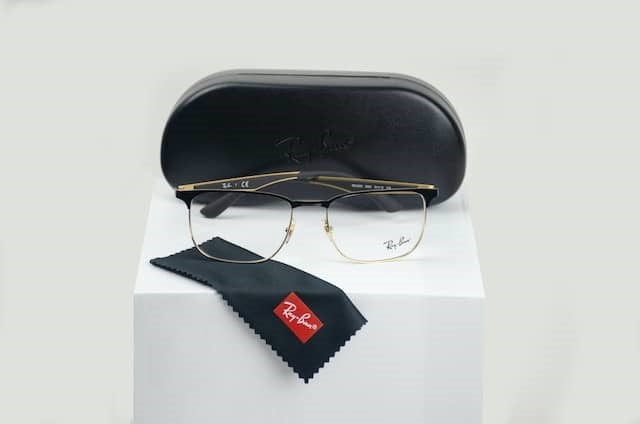
1. Inspect the Build Quality
Authentic Ray-Bans feel solid and balanced.
- The frames should be smooth, with no rough edges or uneven seams.
- Hinges are sturdy and move cleanly without squeaking or looseness.
- Counterfeit models often feel lightweight or flimsy, especially around the arms.
2. Check the Logo and Lens Etching
Every genuine pair includes precise branding details:
- Look for a small “RB” etching on the left lens, close to the hinge. It’s engraved, not printed.
- The Ray-Ban logo appears in white on the top corner of the right lens, printed with crisp, clean edges.
- If the etching rubs off easily or looks misaligned, it’s likely fake.
3. Look at the Nose Pads and Temples
On metal-frame models, the nose pads often feature a subtle “RB” mark molded inside the plastic. The temple arms (inside portion) should include model information like: RB 3025 AVIATOR LARGE METAL – 001/58 58-14 3N.
Fake versions may have missing codes, wrong spacing, or inconsistent fonts.
4. Review the Packaging and Case
Genuine Ray-Bans come with:
- A branded leather or faux-leather case, usually stamped with “100% UV Protection – Ray-Ban – Sunglasses by Luxottica.”
- A high-quality microfiber cleaning cloth and a Ray-Ban booklet inside.
- Packaging that feels premium and well-fitted, not cheap or loosely packed.
If the case smells of strong chemicals, the cloth feels thin, or the print looks off-color, it’s likely not genuine.
5. Confirm Warranty and Retail Source
- Ray-Ban offers a two-year limited warranty, which counterfeit sellers can’t provide.
- Always buy from authorized retailers or Ray-Ban’s official website.
- If you’re buying pre-owned, check the serial number on the inside arm and verify it with Ray-Ban’s support team.
Pro tip for sellers: If you notice Ray-Ban products being sold at more than 30% below MSRP, be cautious — Luxottica/EssilorLuxottica enforces strict MAP (Minimum Advertised Price) policies with all authorized distributors. Deep discounts are often a red flag for counterfeit goods.
The Role of China in Ray-Ban Production
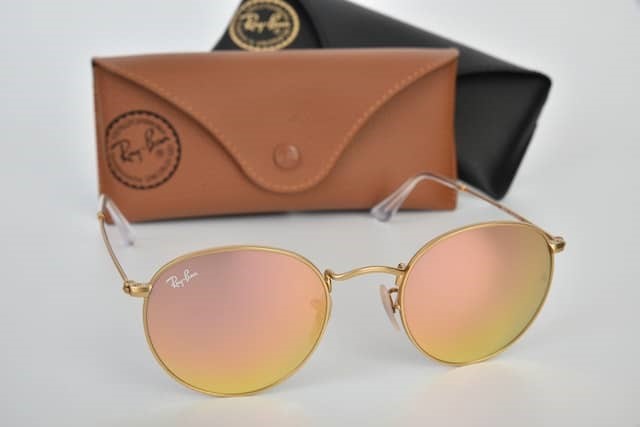
China is a key part of Ray-Ban’s global manufacturing network, supporting the brand’s large-scale production while maintaining quality.
Although design and product development still happen in Italy, several Luxottica-owned factories in Dongguan and Guangdong now handle a major share of global output.
1. Scale and Reach
About 30–40% of Ray-Bans are made in China, primarily plastic and metal-frame models for markets in Asia, North America, and Australia. These facilities operate under Luxottica’s direct management, not third-party contracts.
2. Consistent Standards
Chinese factories use the same materials, molds, and machinery as those in Italy. Every pair undergoes identical quality checks to ensure the same durability, lens clarity, and fit as Italian-made models.
3. Cost Efficiency and Access
Manufacturing in China helps Luxottica manage labor and production costs, making Ray-Bans more accessible while preserving brand value. This approach lets the brand scale globally without compromising on craftsmanship.
Many lenses, especially glass and polarized types, are still made in Agordo, Italy, then shipped to China for assembly. It’s a blend of Italian precision and Chinese efficiency.
How US-China Tariffs Impacted Ray-Ban in 2025–2026
The 2025 US-China trade war had a direct, measurable impact on Ray-Ban prices in America — and the story took an unexpected turn.
The price hike: Beginning February 2025, the Trump administration imposed tariffs on Chinese imports that ultimately reached up to 145% for most goods under the IEEPA framework.
EssilorLuxottica — which manufactures a significant portion of Ray-Bans in China — announced during its Q1 2025 earnings call (April 23, 2025) that it would raise US prices by a “single-digit” percentage to offset the duties.
By late May 2025, prices had increased roughly 5–6% across product lines. For example, the Ray-Ban RB3539 went from 186 to 197; the RB8313 Carbon Fibre from 287 to 304. (Reuters, April 2025)
The reversal: On February 20, 2026, the US Supreme Court ruled the IEEPA tariffs were unlawful (Learning Resources, Inc. v. Trump). EssilorLuxottica had already filed its own lawsuit seeking a refund of duties paid — but has not committed to passing those refunds back to consumers. A class action lawsuit (Ward v. EssilorLuxottica, filed February 26, 2026) is now seeking exactly that.
What this means for sellers: If you source sunglasses from China for the US market, two lessons apply:
- Build tariff contingency into your pricing model from the start.
- The legal landscape is still evolving — monitor whether IEEPA-based tariffs are re-imposed or replaced with new mechanisms.
What Sellers Can Learn from Ray-Ban’s Manufacturing Model
Ray-Ban’s global manufacturing approach offers valuable insights for anyone building or sourcing their own product line. The brand has successfully balanced quality control, brand consistency, and production scale across multiple countries, something many ecommerce sellers aim to achieve as they grow.
Here are a few takeaways from how Ray-Ban operates:
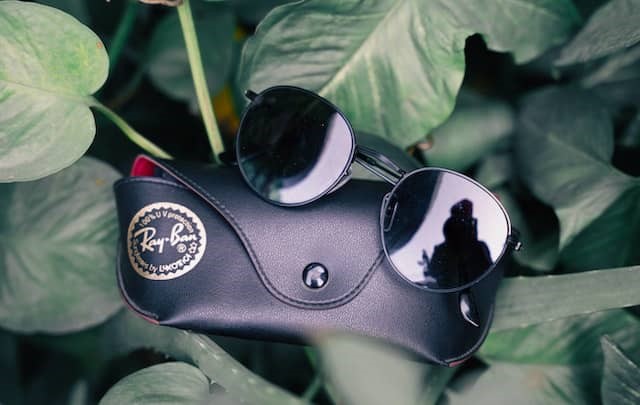
1. Control Quality at Every Step
Ray-Ban doesn’t rely on random third-party factories, all its facilities are owned or managed by Luxottica. This vertical integration allows the company to monitor everything from raw materials to final packaging.
Lesson for sellers: Even if you can’t own a factory, choose reliable, verified manufacturers and request sample checks before mass production. Consistent quality builds trust and repeat customers.
2. Diversify Production Without Diluting the Brand
While most Ray-Bans are still made in Italy, Luxottica expanded to China, Thailand, Brazil, and Japan to improve efficiency and meet global demand — without lowering standards.
Lesson for sellers: You can diversify your supplier base across regions to manage costs and logistics, as long as you maintain unified quality guidelines and materials.
If you want to learn more then we’ve also created posts on other famous brands and what sellers can takeaway from their success:
3. Keep Heritage and Innovation Aligned
Ray-Ban continues to highlight its “Made in Italy” heritage while introducing new materials and designs from other countries. It’s a balance between tradition and modern efficiency.
Lesson for sellers: If you’re sourcing from multiple regions or experimenting with new materials, keep your brand story consistent. Customers buy into your values as much as your products.
4. Invest in Design and Branding, Not Just Production
Ray-Ban’s value doesn’t just come from where it’s made, it’s built through iconic design, timeless branding, and premium presentation. Even as manufacturing globalized, the brand image remained aspirational.
Lesson for sellers: Don’t compete on price alone. Strong branding, packaging, and storytelling can make your products stand out even in competitive markets.
Read More:
- Where Are Asics Made
- Where are Hoka Shoes Made
- Where are Nike Shoes Made
- Where Are Adidas Made
- Where Are Puma Shoes Made
- Where Are Van Shoes Made
- Where Are Salomon Shoes Made
- Where Are Keen Shoes Made
Frequently Asked Questions
Why Is Ray-Ban So Expensive?
Ray-Ban sunglasses are expensive due to their high-quality materials, innovative designs, and the brand’s long-standing reputation.
The cost of producing high-quality lenses and frames also contributes to their price.
Ray-Ban invests in research and development to continually improve its products, ensuring the best eye protection and comfort possible.
Which Models of Ray-Bans Are Most Popular?
Some popular Ray-Ban models include the Wayfarer, Clubmaster, and Aviator.
The Wayfarer is known for its timeless design, while the Clubmaster features wire-rimmed lenses with an acetate brow piece and temple arms. The Aviator has a classic look with teardrop-shaped lenses.
Which Sunglasses Manufacturers Are Good Alternatives to Ray-Ban?
If you’re looking for alternative sunglasses manufacturers for your business, consider exploring sunglasses manufacturers in China and the USA.
These suppliers offer a variety of styles and price points, allowing you to find the best fit for your retail business. Be sure to research and compare manufacturers to ensure you select a reputable and reliable partner for your business needs.
Are Ray Ban’s Made in China Authentic?
Yes. Ray-Bans manufactured in China are authentic as long as they’re produced in Luxottica-owned factories.
All official Ray-Ban facilities, in Italy, China, Thailand, and beyond, use the same materials, machinery, and quality control systems.
A “Made in China” label simply indicates where the product was assembled, not its authenticity.
Counterfeit Ray-Bans may also display that label, so always buy from authorized retailers and check details like the RB lens etching, logo placement, and build quality to confirm they’re genuine.
Sourcing and Selling Sunglasses with Niche
Many brands, like Ray-Ban, choose to source from China or outsource their production to Chinese manufacturers due to cost-effectiveness and access to specialized expertise.
To ensure the quality of your sunglasses and help your business thrive, partnering with a sourcing agent like NicheSources can be a valuable decision.
By working with a professional sourcing agent, you can find the right Chinese manufacturers for your sunglasses business. NicheSources will handle the entire sourcing process, from finding reliable suppliers to handling shipping and customs clearance.
This way, you can focus on growing your business and selling high-quality sunglasses like Ray-Ban to your customers.
If you’re ready to begin your journey outsourcing the production of sunglasses in China, don’t hesitate to request a free quote from NicheSources. With our help, you can find the best manufacturing partners for your sunglasses business.