Lululemon has become a go-to brand for athletic wear, loved for its high-quality yoga, running, and training gear.
Founded back in 1998 in Vancouver, Canada, the company has grown into a global favorite, known for its innovative designs, attention to detail, and premium fabrics.
As a conscious seller, you might be wondering about where all that amazing activewear is made. Well, you’re in the right place!
In this article, we’re taking a closer look at where Lululemon products come from and how they make their manufacturing process both ethical and sustainable. Let’s explore!
Quick Answer: Where Is Lululemon Made? (2025–2026)

Lululemon products are primarily manufactured in Vietnam, China (Mainland), Cambodia, Sri Lanka, Indonesia, Bangladesh, Peru, and the Philippines, through a global network of over 50 third-party factories.
Lululemon does not own any of its manufacturing facilities. It partners with contracted factories across multiple countries and publishes its full supplier list twice per year for transparency.
As of the October 2025 Supplier List (the most recent official disclosure):
| Country | Role | Key Products |
|---|---|---|
| Vietnam | Largest production hub (~40% of apparel) | Leggings, tops, footwear, accessories |
| China Mainland | Major hub for apparel, accessories & fabric | Apparel, accessories, Tier 2 fabrics |
| Cambodia | Growing apparel hub | Activewear, accessories |
| Sri Lanka | Specialized ethical production | Sports bras, yoga pants, underwear |
| Indonesia | Large-scale apparel | Swimwear, performance wear |
| Bangladesh | Apparel and accessories | Basics, accessories |
| Taiwan | Fabric/material supply (Tier 2) | Performance fabrics (Eclat, Formosa Taffeta) |
| Peru | Premium cotton apparel | Loungewear, cotton-based styles |
| Philippines | Accessories and apparel | Gloves, smaller apparel runs |
| Colombia | Accessories | Hosiery and knit accessories |
| Turkey | Accessories | Socks, knit accessories |
| USA | Printing and labeling | Screen printing, labels |
| Canada | Printing | Labels (Paxar Canada) |
| Thailand | Apparel | Select styles (Nan Yang Garment) |
| Egypt | Apparel | Select apparel (Delta Galil) |
Lululemon Name Origin and History
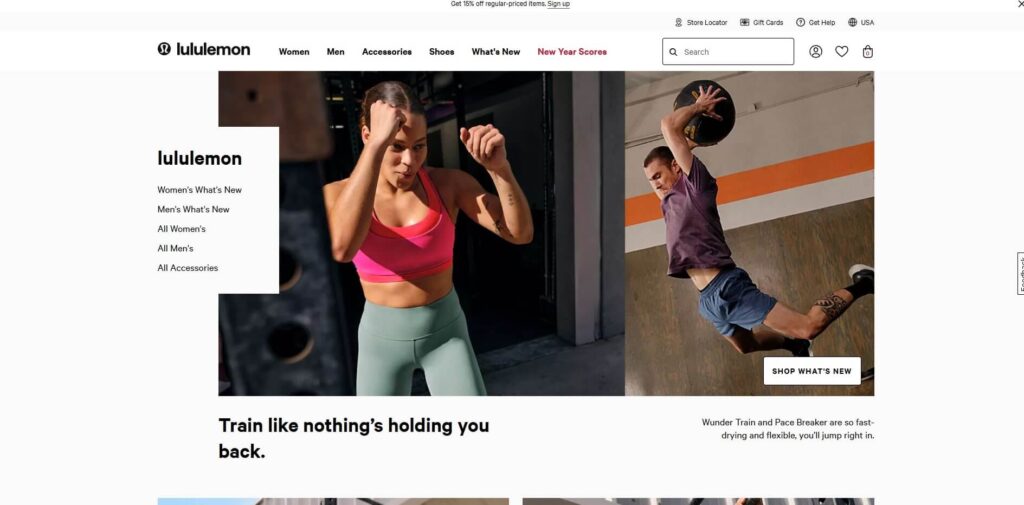
Lululemon traces its roots back to 1998 when it was founded by Chip Wilson in Vancouver, Canada.
The brand’s unique name was chosen to stand out and reflect its innovative spirit.
Starting as a design studio by day and a yoga studio by night, it quickly became a hub for the yoga community.
By 2000, Lululemon opened its first store in Vancouver’s Kitsilano neighborhood, marking the beginning of its journey to becoming a global leader in athletic wear.
The company has certainly come a long way since its humble start as a design-yoga studio hybrid.
Today, Lululemon remains a go-to for active individuals, offering thoughtfully designed products that inspire healthier, more mindful living.
Its roots in yoga and wellness still shine through, making it not just a brand but a lifestyle for people worldwide.
Lululemon’s Full Supplier List: Key Factories
Lululemon publishes its supplier list biannually. The October 2025 disclosure covers 100% of Tier 1 active facilities plus subcontractors of the top 10 Tier 1 suppliers — one of the most transparent supply chain disclosures in the activewear industry.
Vietnam — Largest Production Hub (~40% of apparel)
The single largest manufacturing country for Lululemon apparel. Key partners include Crystal Martin, Eclat Textile Vietnam, Far Eastern Apparel, First Team, and Freetrend Industrial (footwear). Factories range from 1,500 to 8,000+ workers, producing core leggings, tops, accessories, and footwear.
China Mainland — Apparel, Accessories & Fabric Supply (~25–30%)
Critical for finished apparel (Guangdong, Jiangsu, Anhui), footwear (Guangdong), and accessories nationwide. Also dominates as a Tier 2 fabric and trim supplier through mills like Apex Textile, Best Pacific Textile, and Changzhou New Wide Knitting.
Sri Lanka — Ethical Manufacturing Specialist (~11%)
Home to MAS Holdings and Brandix — two of the most globally respected ethical apparel manufacturers. Specializes in sports bras, fitted yoga pants, and underwear, with rigorous labor compliance standards.
Cambodia — Fast-Growing Hub (~10%)
Led by Marvel Garment (17,500+ workers — one of Lululemon’s largest single facilities globally), alongside Quantum Apparel and Green Meadow Development. Cambodia has grown rapidly as a compliance-friendly, cost-competitive alternative to Vietnam.
Indonesia — Large-Volume Apparel & Accessories (~8–10%)
Major producers include PT Yongjin Javasuka (8,500+ workers), PT Ungaran Sari Garments, and PT Pungkook Indonesia (accessories). Handles high-volume performance wear and bag production.
Bangladesh, Peru, Philippines & Others (~5%)
Bangladesh covers basics and accessories; Peru (Cititex, Cofaco) handles premium cotton loungewear; the Philippines produces gloves and smaller accessory runs. Turkey and Colombia supply socks and knit accessories.
Taiwan — Performance Fabric Capital (Tier 2)
Functions almost entirely as a fabric supplier, not a garment manufacturer. Mills like Eclat Textile, Formosa Taffeta, and Everest Textile produce the core performance fabrics — Luon, Nulu, Luxtreme — that define Lululemon’s product quality. Fabric is then shipped to Vietnam or Cambodia for final assembly.
Tariffs Are Reshaping Lululemon’s Supply Chain
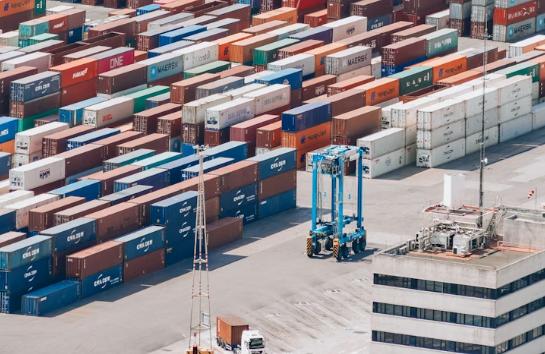
This is the biggest story in Lululemon’s supply chain right now — and critical context for anyone sourcing activewear.
The Tariff Impact
In 2025, Lululemon disclosed an expected $240 million hit to gross profit from US tariffs and the elimination of the de minimis exemption (previously, packages under $800 shipped from Canada to US consumers avoided import duties).
Key data points from recent earnings reports and news:
- ~40% of Lululemon’s products in 2024 came from Vietnam — subject to a 20% US tariff (reduced from the original 46% under a framework agreement)
- ~30% of fabrics came from China Mainland — also heavily tariffed
- Cambodia (9% of products) faces 49% tariffs; Sri Lanka (11%) faces 44% tariffs; rates are currently paused pending negotiations
- 66% of US e-commerce orders were fulfilled from Canadian warehouses, exploiting de minimis — that loophole is now closed
- FY2025 full-year revenue came in at 11.1B, above the lowered 10.85–$11B guidance
- In 2026, gross tariff exposure is estimated at 380M (220M net of mitigation); operating profit impact could exceed $320M
Lululemon’s Response
The company is actively restructuring its supply chain:
- Geographic diversification — reducing single-country dependency, expanding in South Asia
- Regional distribution hubs — building warehousing closer to end markets to reduce tariff exposure
- Supplier negotiations — pushing factories on pricing and terms
- Selective price increases — passing some costs to consumers on core, high-margin products
Lululemon Patent Design
When you think of Lululemon, it’s not just about high-quality fabrics or trendy styles—it’s also about the smart, innovative designs that set their products apart.
The company has gone the extra mile to patent many of these designs, which means they’re not just stylish but also uniquely crafted to perform better, feel more comfortable, and last longer.
Why Does Lululemon Patent Their Designs?
Lululemon’s patented designs are all about protecting the unique features that make their products stand out.
Whether it’s their buttery-soft leggings or ultra-supportive sports bras, patents ensure no one else can copy their ideas.
This helps them maintain their edge in the world of activewear and keeps customers coming back for more.
What Makes Lululemon’s Designs Special?
Here are some of the standout features Lululemon has patented:
- Align Pant Magic: Have you ever tried the Align Pant? If you have, you probably noticed how insanely soft and comfortable they are. That’s thanks to their patented high-waist design, seamless construction, and Nulu fabric. It’s like a second skin—perfect for yoga or just lounging.
- Next-Level Sports Bras: Lululemon’s sports bras aren’t just supportive; they’re brilliantly designed. Patented criss-cross straps and adjustable bands make them a go-to for anything from a chill yoga session to a high-intensity workout.
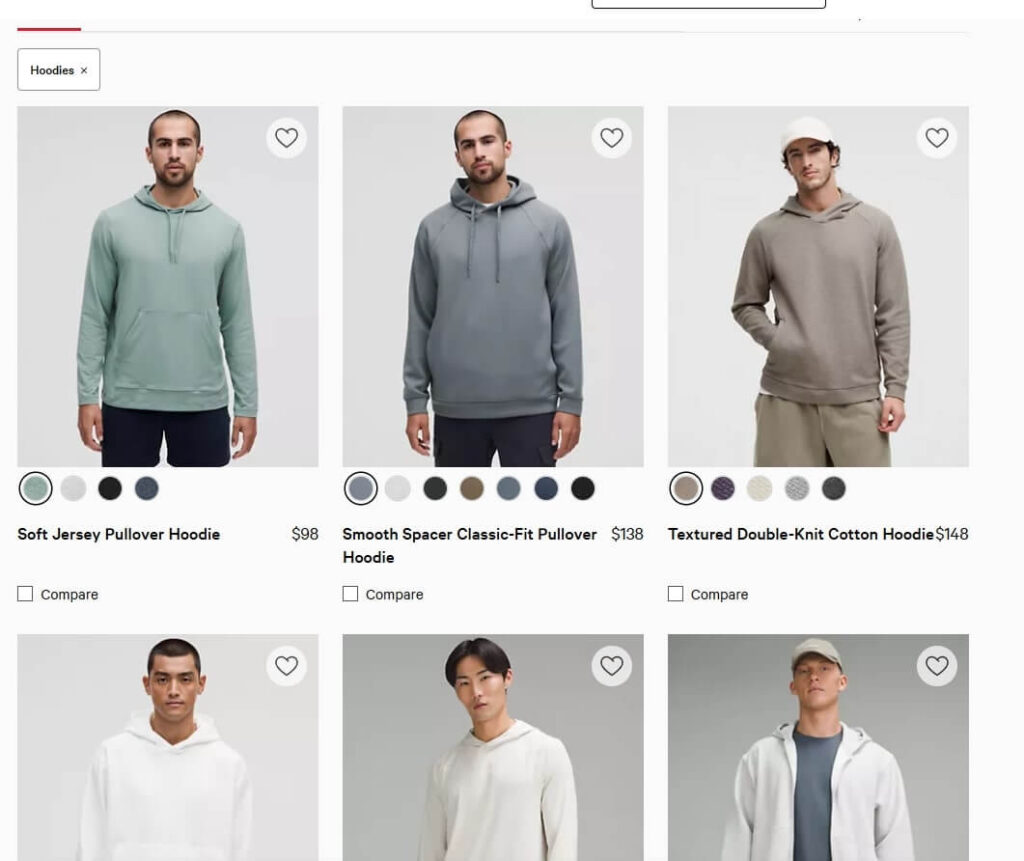
- The Scuba Hoodie Perks: Even their hoodies have something special going on. With features like thumbholes, ergonomic cuts, and hidden media pockets, the Scuba Hoodie isn’t your average hoodie—it’s your new best friend for those post-workout coffee runs.
- No Awkward Fit Here: Let’s talk leggings. Lululemon has patented a gusset design that eliminates the dreaded cameltoe situation. It’s a small detail, but it makes a huge difference when you’re wearing leggings all day.
What Products Does Lululemon Offer?
As a fan of Lululemon, you’re likely familiar with their wide range of products. They have everything from leggings and yoga pants for women to men’s sportswear and athleisure.
Designed for comfort and style, Lululemon’s selection of leggings and yoga pants are perfect for both your workout sessions and casual outings.
For men, the brand offers various sportswear options like jackets, menswear, belt bags, and more, so anyone doesn’t have to sacrifice style for function.
Furthermore, Lululemon offers various accessories to complement their activewear, such as water bottles, perfect for staying hydrated during those intense workout sessions.
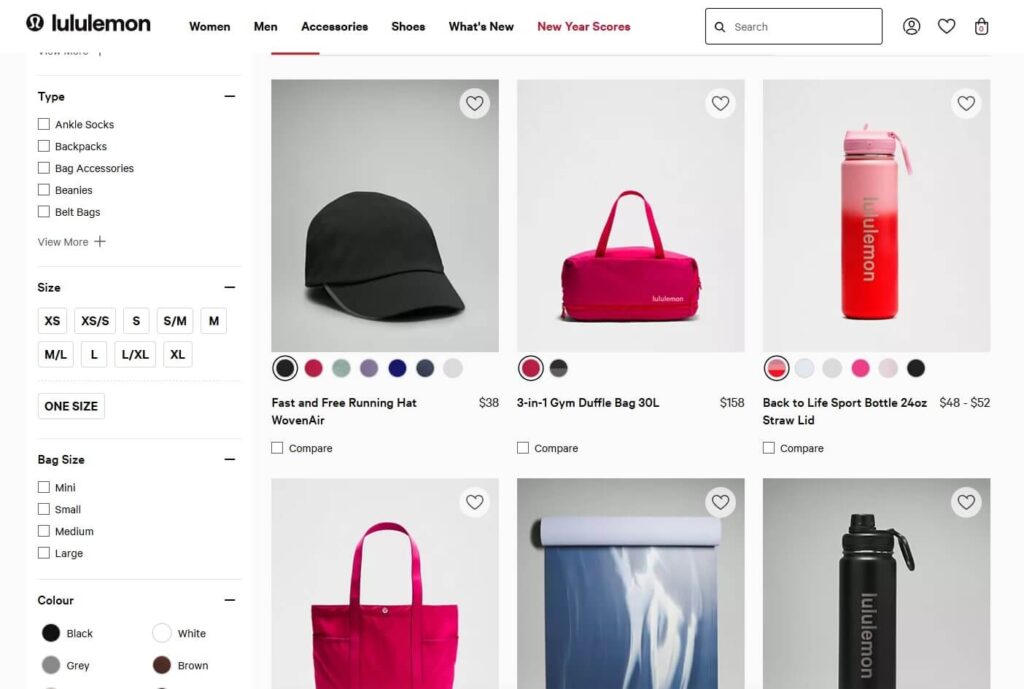
Their athleisure and sportswear collections offer options for both men and women, ensuring everyone can find something to suit their tastes and preferences.
It’s no surprise that the brand has earned its place among the top activewear wholesale vendors in the business, keeping fitness-loving customers satisfied with quality products.
What Makes Lululemon Products So Expensive?
Lululemon’s higher price tags often raise questions, but there are several reasons behind the premium. Here’s a breakdown of what makes Lululemon products worth the investment:

- Premium Fabrics and Materials – Lululemon uses advanced, high-performance fabrics like Luon, Nulu, and Everlux that are designed for durability, breathability, and comfort during workouts. These materials are soft, stretchy, and built to last, providing long-term value.
- Innovative Design and Fit – The brand focuses heavily on perfecting the fit and design of their clothes. With features like hidden pockets, smooth seams, and fabrics that adapt to your body, Lululemon creates functional, comfortable clothing that enhances performance.
- Sustainability and Ethical Practices – Lululemon is committed to using eco-friendly materials and ensuring ethical manufacturing. Sustainable fabrics like organic cotton and recycled polyester contribute to the higher production costs, which are reflected in the retail price.
- Branding and Lifestyle – Lululemon isn’t just selling clothes; they’re promoting a lifestyle. The brand’s premium pricing supports its community-focused image and the exceptional customer experience they provide, making you feel like part of something bigger.
- Durability – With attention to quality, Lululemon’s clothing is designed to withstand frequent use and washing, making them a worthwhile long-term investment for those looking for reliable, high-quality activewear.
Lululemon Manufacturing Policies and Practices
Lululemon has built a strong reputation for its commitment to ethical and sustainable manufacturing practices, which play a big part in the brand’s appeal. Here’s a closer look at their approach:
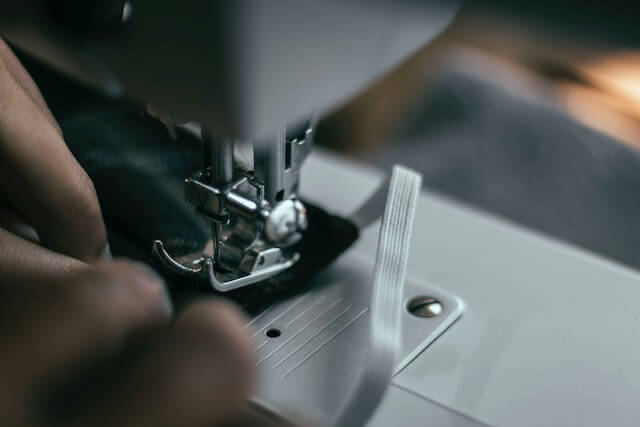
Ethical Manufacturing Practices
Lululemon is committed to manufacturing ethically and ensuring safe working conditions for its employees.
While their products are made in multiple countries globally, the company strives to maintain high standards for workers’ rights and fair labor practices throughout their supply chain.
Lululemon follows a strict Vendor Code of Ethics, which helps ensure compliance with labor laws and international standards in every location where the products are made.
This approach enables them to maintain a consistent ethical stance, regardless of the numerous factories in many different countries.
Some important worker welfare and factory conditions initiatives by Lululemon include:
- Prohibiting child labor, slavery, and human trafficking
- Ensuring fair wages and benefits for workers
- Upholding workers’ rights to safe workplaces and freedom from discrimination
- Promoting employee training and professional development
By doing so, Lululemon creates a friendly and productive environment for their employees and suppliers, contributing to the overall sustainability and well-being of the communities in which they operate.
Sustainable Manufacturing Practices
Lululemon is dedicated to sustainable manufacturing practices. They aim to make their products with minimal impact on the environment without compromising the high-quality their customers have come to expect.
By 2025, Lululemon plans to achieve at least 75 percent sustainable materials for its products. This includes using fibers that are recycled, renewable, regenerative, responsibly sourced, or some combination thereof.
One of the key materials in Lululemon’s products is Luon fabric. This fabric is made of nylon, which is known for its durability and stretchability.
The brand focuses on using high-quality materials like Luon to ensure their products have a long lifespan, which ultimately reduces waste and helps conserve resources.
Consumers can also feel good about Lululemon’s commitment to responsible sourcing. They work closely with suppliers from various countries, including the United States, to maintain ethical and environmentally friendly practices.
In fact, most of their apparel is made in 26 countries worldwide, allowing them to closely monitor and collaborate on sustainability initiatives.
Finally, Lululemon has partnered with leading sustainable materials innovator Genomatica to incorporate renewably-sourced, bio-based materials into their products, further demonstrating their commitment to environmental stewardship.
Frequently Asked Questions
Why Is Lululemon So Popular?
Lululemon has gained popularity due to its high-quality athletic apparel and trendy designs. Their products are particularly well-known for excellent fit, comfort, and durability.
Furthermore, the brand has built a strong community around health, fitness, and personal development, contributing to its widespread success.
Which Country Supplies Lululemon’s Fabric?
Lululemon sources its products and fabrics from 26 countries, including the United States.
However, most of their clothing is made in Asia, where manufacturing costs are low. Some of the manufacturing countries include China, Vietnam, Sri Lanka, Taiwan, and the Philippines, among others.
Can I Find Lululemon Manufacturers on Alibaba?
While you may find some manufacturers on Alibaba that produce athletic apparel similar to Lululemon’s products, it’s important to note that these manufacturers are not necessarily endorsed or authorized by Lululemon.
To ensure the highest quality and authenticity, it’s advised to purchase your Lululemon apparel directly from their official stores or website.
How Can I Purchase Directly from Lululemon’s Manufacturer?
Currently, there isn’t a direct way for consumers or sellers to purchase Lululemon products from their manufacturers. Lululemon maintains strict control over its distribution channels to maintain quality standards and brand integrity.
Therefore, it’s recommended to purchase Lululemon products from their official retail stores or online platform.
Finding Quality Manufacturers: Learning from Lululemon’s Sourcing Strategies
As you probably already know, many brands like Lululemon outsource their production to countries like China. Reasons for this could range from lower production costs to utilizing specialized skills in these regions.
If you’re a small business owner considering sourcing products from China, working with a professional sourcing agent like NicheSources can help you achieve your goals.
Our friendly team at NicheSources assists businesses like yours in finding the perfect suppliers, ensuring thorough quality control, and assisting with shipping arrangements.
Don’t forget — you can always request a free quote for your sourcing needs.