Not everything is made in China, but the label appears often because China combines large-scale production with specialized supplier clusters, experienced workers, tooling capacity, packaging, ports, and domestic logistics. The advantage is no longer explained by labor cost alone. In many product categories, a buyer can find component makers, assemblers, mold shops, packaging suppliers, testing services, and freight support within the same region. That density shortens product-development cycles and gives factories more options when a component or process changes.
The short answer
China became a major manufacturing center through decades of investment, production experience, export infrastructure, supplier development, and participation in global trade. Its strongest advantage is the complete ecosystem around manufacturing.
| Advantage | What it changes for a buyer |
|---|---|
| Specialized industrial clusters | More suppliers and supporting services for a specific product category |
| Component and material access | Shorter sourcing loops when a design changes |
| Tooling and process experience | Faster sampling for many established categories |
| Large production capacity | More options for repeat orders and volume growth |
| Ports and domestic transport | Established routes from factory regions to export gateways |
| Export service network | More providers for inspection, consolidation, customs documents, and freight |
How did China become the world’s factory?
China’s manufacturing position developed over several decades rather than from one policy or one cost advantage.
- Before 1978: China had a limited role in global merchandise trade and a much smaller export-manufacturing base.
- 1978 and the early reform period: Market reforms and special economic zones, including Shenzhen, opened coastal regions to investment, export production, and new factory management practices.
- The 1990s: Supplier clusters expanded in the Pearl River Delta, Yangtze River Delta, and other coastal regions.
- 2001: China joined the World Trade Organization on December 11 as its 143rd member, according to the WTO accession record.
- 2001 to 2010: Global brands expanded sourcing, factories gained repeat-order experience, and ports and domestic logistics handled far greater volumes.
- The 2010s onward: Rising wages encouraged automation, process upgrading, and movement into equipment, electronics, engineering, and higher-value manufacturing.
China’s National Bureau of Statistics records merchandise exports of about $9.75 billion in 1978. The World Trade Organization reported $3.77 trillion in merchandise exports for 2025. That growth reflects far more than assembly labor.
The cluster advantage
China’s manufacturing cities often specialize by product. A cluster may contain raw-material distributors, component makers, mold shops, assembly factories, packaging suppliers, testing laboratories, and freight companies serving the same category.
Examples include Shenzhen for electronics, Foshan for furniture and building materials, Yiwu for small commodities, and parts of Zhejiang and Guangdong for numerous consumer-product categories. Our guide to China manufacturing cities maps more than 30 sourcing hubs by product.
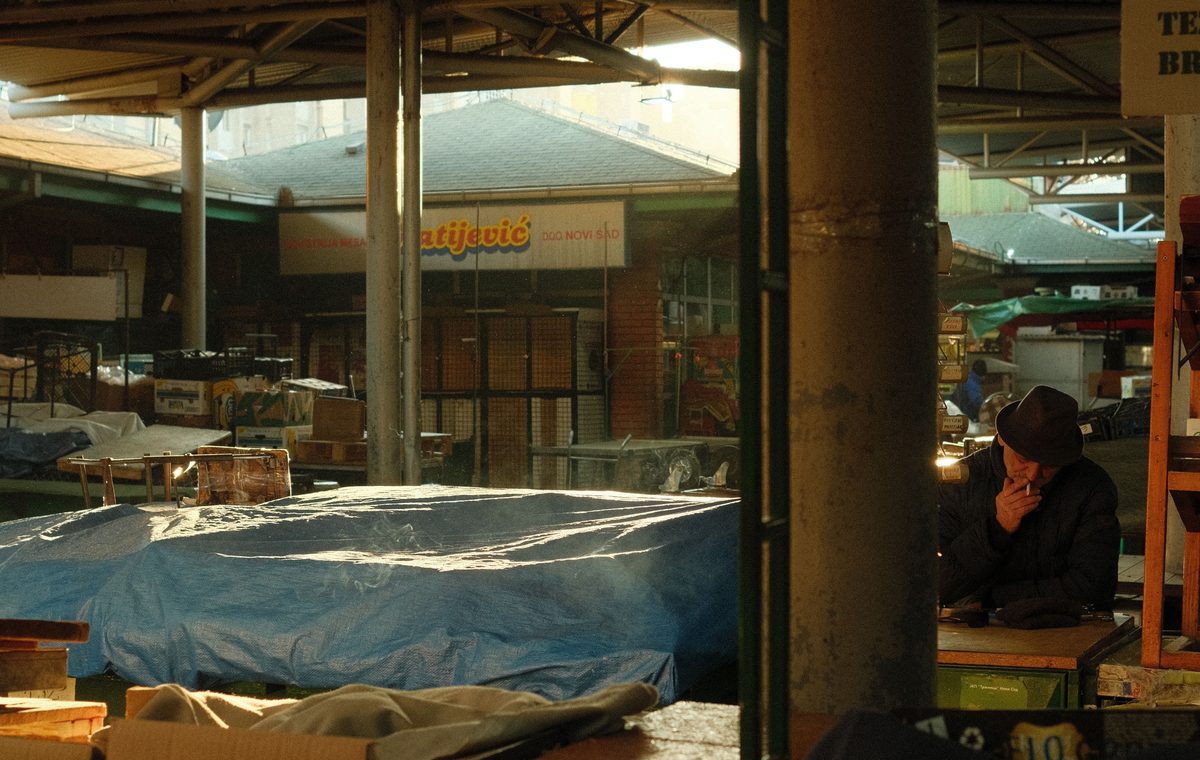
Clusters matter because product development is rarely a single-factory task. A simple electronic accessory may require an injection-molded housing, circuit board, cable, printed insert, retail box, barcode label, and final assembly. When those suppliers are nearby, the lead factory can compare options and coordinate revisions with less delay.
Scale, skills, infrastructure, and speed
Production scale
Factories serving established categories can spread tooling, engineering, and process-control costs across many orders. Large supplier pools also let buyers compare different production models, from ready-stock wholesale to custom manufacturing.
Manufacturing skills
Production knowledge accumulates around repeated work. Engineers, line supervisors, toolmakers, quality inspectors, and packaging teams learn common defects and process limits for their category.
Infrastructure
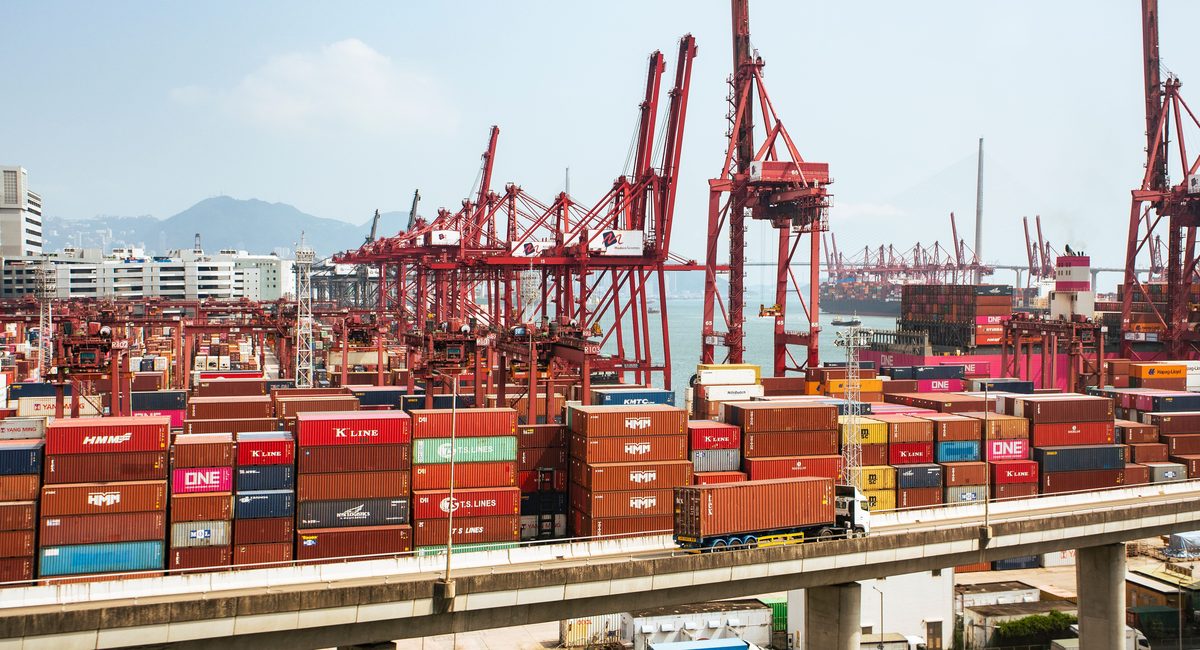
Manufacturing regions connect to domestic trucking, rail, airports, ports, warehouses, inspection companies, and freight forwarders. An importer can move samples by courier, consolidate orders in a warehouse, or book larger shipments through established export routes.
Fast iteration
Supplier density can reduce the time between a design change and a new sample. The buyer still needs controlled drawings, an approval sample, and a change record so speed does not create specification drift.
Current manufacturing snapshot
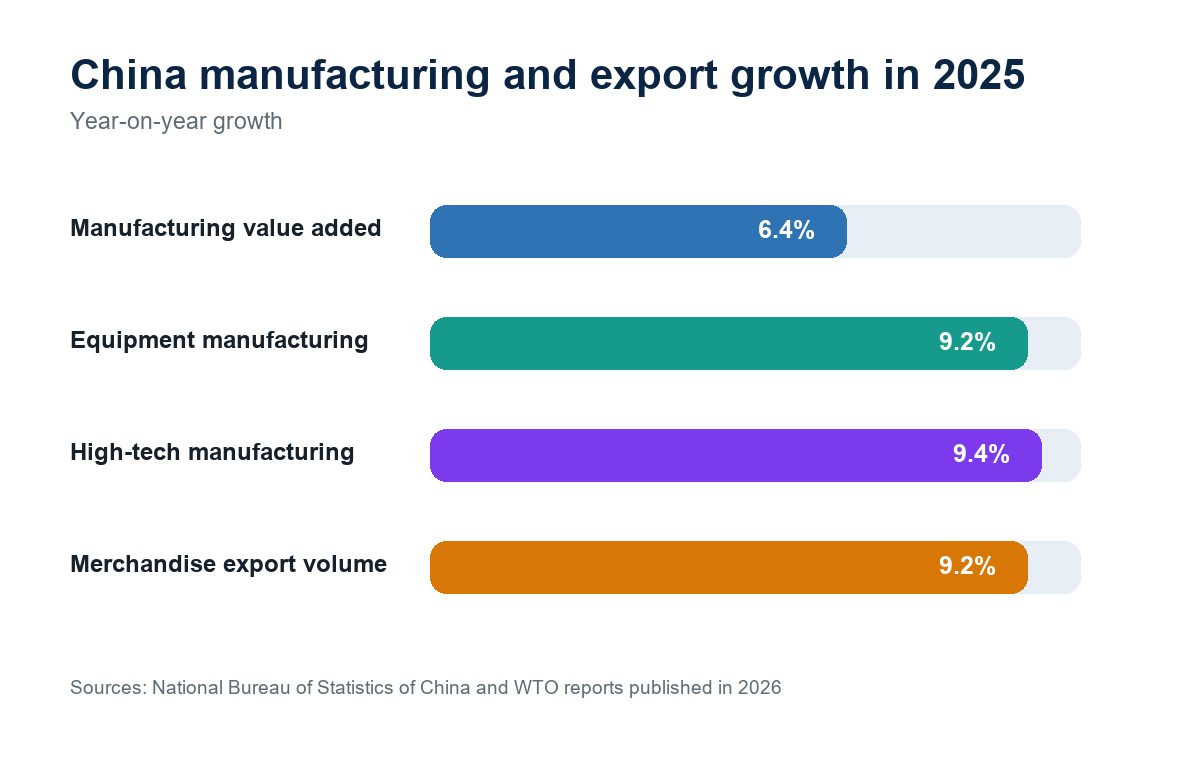
The National Bureau of Statistics of China reported that, among industrial enterprises above the designated size, manufacturing value added increased 6.4 percent in 2025. Equipment manufacturing increased 9.2 percent and high-tech manufacturing increased 9.4 percent.
The World Trade Organization’s March 2026 trade report reported that China’s merchandise export volume increased 9.2 percent in 2025. Export value grew 5.5 percent, showing why buyers should distinguish the physical volume of goods from their dollar value.
Is everything really made in China?
No. World Bank manufacturing-value-added data put China’s 2025 output at about $4.82 trillion out of a global total of about $17.60 trillion. That is roughly 27.4 percent, a large share but nowhere near everything.
What items are made in China at scale?
China has deep supplier networks in consumer electronics, toys, small appliances, textiles and apparel, furniture, home goods, packaging, and many small consumer products. China is not the natural leader in every category. The United States and Europe retain strong positions in areas such as aerospace, advanced pharmaceuticals, specialty foods, and parts of high-end cosmetics and supplements.
What this means for a product buyer
The manufacturing ecosystem affects more than the factory price. It changes how quickly a supplier can find components, make samples, solve a process problem, package the product, and move it toward an export port.
Consider a countertop kitchen appliance. The finished unit may require molded housings, a motor or heating element, switches and wiring, printed instructions, compliance documents, protective inserts, a retail carton, assembly testing, and final inspection.
A quote is only useful when every supplier prices the same specification. If one quote excludes testing, upgraded materials, packaging, or accessories, it is not a lower price for the same product.
Buyers who plan to buy direct from a China factory should ask who owns the tooling, which processes are subcontracted, where the product is assembled, and how approved changes are controlled.
Does made in China mean low quality?
No country label determines product quality. Quality follows the specification, materials, production process, inspection standard, and commercial incentives behind the order.
- Define the exact model, materials, dimensions, colors, functions, and accessories.
- Set measurable tolerances for critical dimensions or performance.
- Match every compliance report to the product model and target market.
- Approve a physical sample and retain it as the quality reference.
- Confirm packaging, labels, barcodes, manuals, and carton markings.
- Define critical, major, and minor defects before inspection.
- Inspect the finished order before the final shipment when the risk justifies it.
- Record every approved change in writing.
China wholesale and custom manufacturing are different
China wholesale suppliers sell existing goods, often from stock or standard production. Custom manufacturers build to a buyer’s specification and may require tooling, higher minimum quantities, longer sampling, and more engineering input.
The guide to buying wholesale from China explains the buying process, supplier checks, payment planning, and shipping decisions in more detail.
How to get China to make your product
| Route | Typical MOQ | Price level | Customization | Best for |
|---|---|---|---|---|
| AliExpress or DHgate | 1–10 units | Retail | Little or none | Samples and early testing |
| Alibaba or Made-in-China | Often 100–500+ units | Wholesale | Logo, packaging, and some product changes | First inventory order |
| 1688 through an agent | Varies | Domestic China pricing | OEM options may be available | Cost-focused restocks |
| Sourcing agent or factory-direct | Negotiable | Quoted to specification | Full OEM or ODM where capable | Scaling brands and private label |
Marketplace listings are useful for low-risk tests. Once the product needs controlled materials, branded packaging, several suppliers, or repeat inspection, a written specification and verified production route matter more than browsing convenience.
Is manufacturing moving away from China?
Some companies diversify production, but “moving away” is too broad to describe every category. A business may keep complex or mature products in China while adding another country for a simpler product, a second market, or additional capacity. This is often called a China Plus One strategy.
US import policy also changes the landed-cost calculation. US Customs and Border Protection states that duty-free de minimis treatment ended for shipments from all countries on August 29, 2025. Section 301 tariffs remain product-specific, and the Office of the US Trade Representative has extended some exclusions through November 9, 2026.
The correct comparison is total landed cost plus execution risk. Unit price alone does not capture tooling, quality failures, inventory, duties, freight, or delay.
A practical sourcing decision
- Does the region already manufacture this product and its key components?
- Can the supplier meet the required material, tolerance, function, and compliance standard?
- Is the minimum order compatible with the forecast and cash flow?
- Can samples and tooling be approved before the launch deadline?
- What is the full landed cost at the expected quantity?
- Which processes are subcontracted, and how are they controlled?
- Can production be inspected before shipment?
- Is there a workable backup for a delayed component or failed supplier?
What to do first, next, and later
First: define the product and market
Write the specification, target quantity, required compliance, destination, launch date, and acceptable landed cost before contacting suppliers.
Next: choose the right cluster and compare suppliers
Match the product to a manufacturing region, request like-for-like quotes, verify the legal companies and facilities, and order samples.
Later: control production and delivery
Approve the final sample, document changes, inspect the order, and coordinate freight based on the finished volume, weight, destination, and deadline.
Frequently asked questions
Why is everything produced in China?
Not everything is produced in China. The label is common because China has large production capacity, specialized industrial clusters, experienced suppliers, tooling, packaging, logistics, and export infrastructure across many categories.
Why does everything seem to be made in China?
Consumers see the country of final manufacturing on many labels, but the wider supply chain may include materials, components, design, software, and distribution from several countries.
Why can China manufacture goods so efficiently?
Efficiency often comes from supplier density and repeated category experience. Factories can source components, tooling, packaging, testing, and logistics within established clusters.
Is manufacturing moving away from China?
Some buyers are adding suppliers in other countries or closer to their markets. Many still use China for products that depend on deep component networks, tooling, and established production processes.
What percentage of the world’s products are made in China?
There is no reliable percentage for the number of products. A better measure is manufacturing value added. World Bank data indicate that China produced about 27.4 percent of the global manufacturing value added recorded for 2025.
Find the right manufacturing cluster for your product
The strongest sourcing location depends on the product, not a general country ranking. NicheSources can match your specification with relevant manufacturing clusters, compare suppliers, coordinate samples, and support inspection and freight through its product sourcing service.
Need suppliers for a specific product?
Share your specification, quantity, target market, compliance requirements, and deadline.