China’s manufacturing cities are specialized industrial clusters where factories, component suppliers, raw materials, packaging vendors, and supporting services concentrate around specific product categories. For buyers, choosing the right city can mean more supplier options, stronger factory-direct pricing, more flexible MOQs, and shorter production lead times.
We’ve spent more than 10 years sourcing across these clusters, and one pattern is consistent: where you source matters almost as much as who you source from. This guide maps 30+ manufacturing cities and factory towns by product so you can narrow your supplier search before requesting quotes through our product sourcing service.
Quick Facts
- Regions covered: Pearl River Delta, Yangtze River Delta, Bohai Rim, and inland manufacturing hubs
- Cities and factory towns: 30+
- Electronics: Shenzhen
- Furniture: Foshan
- Small commodities: Yiwu
- Toys: Chenghai, Shantou
- Best starting point for low-MOQ sourcing: Yiwu and other wholesale-market hubs
China Manufacturing Cities at a Glance: Product → City → Province
If you already know what you want to source, start here. These are the main China manufacturing cities and factory clusters by product category, giving you a practical shortlist before comparing individual suppliers.
| Product | Best City/Cities | Province |
| Electronics & components | Shenzhen, Dongguan | Guangdong |
| Apparel & fashion | Guangzhou, Hangzhou | Guangdong, Zhejiang |
| Furniture | Foshan (Shunde, Lecong) | Guangdong |
| Toys | Shantou (Chenghai) | Guangdong |
| Lighting | Zhongshan (Guzhen) | Guangdong |
| Knives & cutlery | Yangjiang, Jieyang | Guangdong |
| Leather shoes | Wenzhou, Huizhou | Zhejiang, Guangdong |
| Sneakers & sports shoes | Jinjiang, Quanzhou | Fujian |
| Small commodities | Yiwu | Zhejiang |
| Cosmetics & beauty products | Guangzhou (Baiyun) | Guangdong |
| Eyewear & optical lenses | Danyang | Jiangsu |
| Textiles & fabrics | Nantong, Chaozhou | Jiangsu, Guangdong |
| Packaging | Shenzhen, Chaozhou | Guangdong |
| Machinery & construction equipment | Xuzhou, Changzhou | Jiangsu |
| Auto parts | Wenzhou, Cangzhou | Zhejiang, Hebei |
| Socks & hosiery | Datang (Zhuji) | Zhejiang |
| Bags & luggage | Baigou, Guangzhou | Hebei, Guangdong |
| Wedding dresses | Suzhou (Huqiu) | Jiangsu |
| Home appliances | Ningbo, Foshan | Zhejiang, Guangdong |
| Plastics & molds | Ningbo (Yuyao), Dongguan | Zhejiang, Guangdong |
| Hardware & tools | Yongkang | Zhejiang |
How to use this table: treat the city as your starting point, rather than assuming every supplier there is equally suitable. MOQ, export experience, customization capability, certifications, and quality control can vary substantially between factories within the same manufacturing cluster.
Which China Manufacturing City Should You Source From?
Use this 30-second filter before comparing suppliers.
1. You already know your product: use the master table.
Start with the product-to-city table above, then shortlist suppliers inside that manufacturing cluster. This works best when you already know the category, specifications, and approximate order volume.
2. You need a low MOQ or are testing a product: start with Yiwu and wholesale markets.
Yiwu is especially useful for small trial orders, mixed products, and buyers who are not ready for factory-level MOQs. Wholesale markets in Guangzhou and other major trade cities can serve the same purpose for category-specific products.
3. You need a high volume or private label: go to the factory cluster.
For larger orders, custom specifications, or private-label production, source closer to the specialized factories: Chenghai for toys, Jinjiang for sports shoes, Yongkang for tools, or Foshan for furniture. At this stage, we usually suggest working with a sourcing agent who can verify factories, negotiate factory-direct terms, manage samples, and coordinate quality inspection.
How Are China’s Manufacturing Cities Organized by Region?
When we map China manufacturing cities, we usually group them into four major manufacturing zones. This is useful because location affects supplier density, port access, MOQ flexibility, lead times, and the type of factories you are likely to find.
- Pearl River Delta (Guangdong): Shenzhen, Guangzhou, Dongguan, Foshan, Zhongshan, and Shantou. This is one of China’s strongest export-manufacturing regions, especially for electronics, furniture, lighting, toys, fashion, and consumer goods.
- Yangtze River Delta (Zhejiang, Jiangsu, Shanghai): Yiwu, Ningbo, Hangzhou, Suzhou, Wuxi, and Shanghai. We look here for small commodities, textiles, machinery, plastics, eyewear, appliances, and higher-spec industrial manufacturing.
- Bohai Rim (Hebei, Shandong, Tianjin): Important for North China sourcing, with strengths in hardware, auto parts, textiles, machinery, bags, and heavy industry.
- Inland manufacturing hubs (Henan, Sichuan, Hubei, Chongqing): These cities can offer more cost-optimized production for certain categories, but buyers need to account for additional inland transport before goods reach a seaport.
The province-by-province sections below show where each product cluster sits within these larger manufacturing regions.
China Manufacturing Cities in Guangdong: Pearl River Delta Sourcing Hubs
Guangdong is usually one of the first provinces we look at when a client needs export-ready consumer goods. The Pearl River Delta combines dense supplier networks with major ports and specialist markets, so electronics, furniture, apparel, lighting, toys, and hardware can often be sourced within the same region.
Dongguan

Dongguan sits between Guangzhou and Shenzhen and is particularly strong in electronics assembly, components, plastics, and mold making. We generally look here when a product needs both molded parts and downstream assembly rather than simply sourcing finished electronics from a wholesale market.
Common product categories include:
- Consumer electronics and components
- Computers, cameras, routers, and accessories
- Printing equipment
- Plastic injection-molded products and tooling
- Knitwear, particularly around Dalang
One correction worth making: Dongguan is not China’s main toy manufacturing hub. For toys, we would normally look toward Chenghai in Shantou, where the industry is far more concentrated.
Guangzhou

Guangzhou works differently from many factory cities because it combines manufacturing with enormous specialist wholesale markets. For buyers testing designs or comparing many suppliers quickly, that can be more useful than visiting factories one by one.
Some of the main sourcing areas include:
- Shahe and Shisanhang: clothing and fashion wholesale
- Sanyuanli: bags, leather goods, and related accessories
- Baiyun District: cosmetics, skincare, packaging, and beauty supply chains
- Zhanxi/railway-station area: footwear and apparel
Guangzhou government sources describe Sanyuanli as a major leather-goods cluster, while Baiyun contains a particularly dense cosmetics ecosystem spanning manufacturing, raw materials, testing, packaging, and wholesale.
For apparel, buyers can compare ready-market styles before approaching factories for private-label production. Our guides to wholesale dresses and apparel manufacturers cover those routes in more detail.
Guangzhou also hosts the Canton Fair. In 2026, the spring session runs from April 15 to May 5 across three phases, while the autumn session runs from October 15 to November 4.
Shenzhen
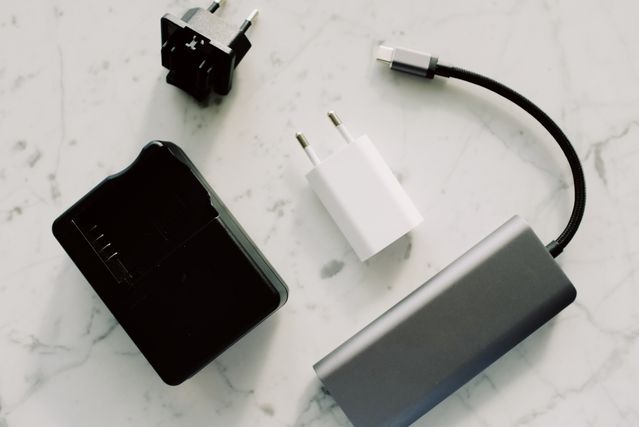
For electronics, Shenzhen remains the city we usually start with, especially when a project involves components, accessories, prototyping, or a fast-moving consumer-electronics category.
The most useful sourcing area is Huaqiangbei in Futian District. Its specialist markets bring components and finished electronics together in a compact area, making it possible to compare multiple supply-chain options in one visit. SEG Electronics Market is particularly focused on electronic components, computers, cables, tools, and related hardware. Shenzhen government sources describe Huaqiangbei as China’s leading electronics trading district.
Products commonly sourced around Shenzhen include:
- Electronic components and PC hardware
- Mobile-phone accessories and parts
- CCTV cameras, smart doorbells, and security equipment
- LED products
- Consumer gadgets and smart devices
For private-label projects, we would treat Huaqiangbei as a supplier-discovery and component-sourcing hub, then verify the actual production facility before placing a large order. Shenzhen also has a mature packaging supply chain, so custom boxes, pouches, and inserts can often be coordinated locally. See our guide to types of packaging.
Foshan

Foshan is the main Guangdong city we look at for furniture and building materials, with much of the furniture trade concentrated in Shunde District.
The best-known sourcing area is Lecong, where furniture malls and showrooms extend along Furniture Avenue and are backed by a large network of manufacturers and distributors.
Typical categories include:
- Home and office furniture
- Hotel and restaurant furniture
- Outdoor furniture
- Custom project furniture
- Tiles and ceramics
- Sanitary ware, sinks, taps, and bathroom fixtures
- Doors and other building materials
The distinction between showroom supplier and actual factory matters here. When we source customized furniture, we verify who manufactures the product, where the factory is located, and whether materials and finishing can be reproduced consistently across a full order.
Zhongshan

If the product is lighting, we narrow the search further than Zhongshan itself and go directly to Guzhen Town.
Guzhen has a dense ecosystem of lighting manufacturers, showrooms, component suppliers, and wholesalers covering:
- Residential lighting
- Commercial lighting
- LED strips and neon flex
- Bulbs and tubes
- Solar and sensor lighting
- Smart lighting systems
The China (Guzhen) International Lighting Fair is also useful for supplier discovery. The 2026 spring edition ran March 18–21, with additional editions scheduled for May 26–28 and October 22–25.
For custom lighting, we would compare more than the fixture design. Drivers, LEDs, certifications, heat management, and component consistency can materially change both the quote and failure rate.
Shantou
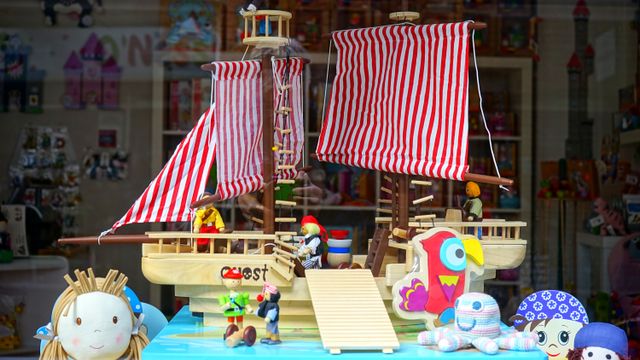
For toys, the important location is Chenghai District in Shantou. This is the cluster we would prioritize for private-label toys, RC products, building toys, educational products, and other mass-market toy categories.
Typical products include:
- Dolls and playsets
- Remote-controlled vehicles
- Building and construction toys
- Educational toys
- Plush and wooden toys
- Seasonal and novelty products
You can explore the wider supplier landscape in our guide to toy manufacturers in China.
Chenghai International Toys and Gifts Fair is scheduled for October 29–November 1, 2026, according to the Shantou government.
For regulated markets, we also verify the exact testing requirements for the destination country rather than relying on a supplier simply saying a toy is “export quality.”
Chaozhou
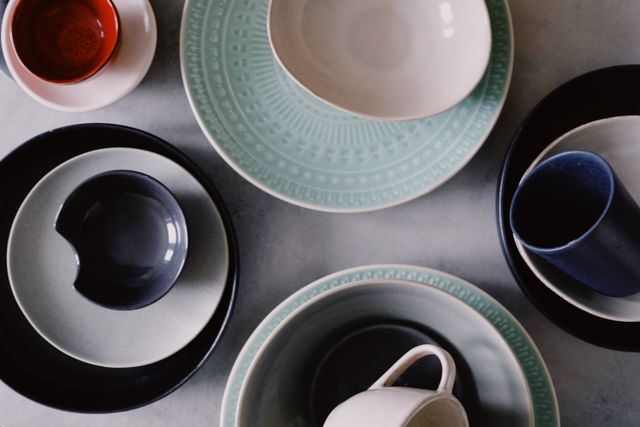
Chaozhou is useful when the order combines ceramics, textiles, formalwear, or packaging. Its supplier base is more specialized than Guangzhou’s broad wholesale ecosystem.
Products to look for include:
- Ceramics and sanitary ware
- Wedding and formal dresses
- Fabrics such as polyester, cotton, organza, and fleece
- Flexible packaging and paper-based packaging
For ceramics in particular, we pay close attention to glaze consistency, dimensions, breakage tolerances, and export packaging. A low ex-factory quote can quickly lose its advantage if fragile goods are packed poorly.
Jieyang

Jieyang is particularly relevant for stainless-steel cutlery and tableware. Factories produce forks, spoons, table knives, ladles, serving utensils, and complete cutlery sets.
Customization can include:
- Handle materials
- Surface finishes and coatings
- Logos and engraving
- Gift-box or retail packaging
- Complete coordinated sets
For stainless-steel products, we would specify the steel grade and finish in the purchase specification. Visually similar cutlery can differ considerably in corrosion resistance, thickness, weight, and polishing quality.
Huizhou
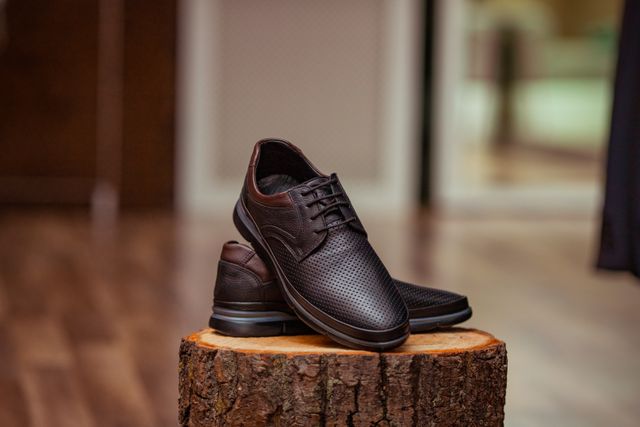
Huizhou is worth comparing for leather footwear as well as selected electronics categories.
The footwear base covers:
- Dress shoes
- Boots
- Sandals
- Children’s shoes
- Leather bags and accessories
The city also produces electronic products such as speakers, earphones, capacitors, and automotive electronics.
When comparing leather-shoe quotations, we define the upper material, lining, outsole, construction method, and leather grade first. Otherwise, two quotes that appear to cover the same shoe can represent very different specifications.
Yangjiang
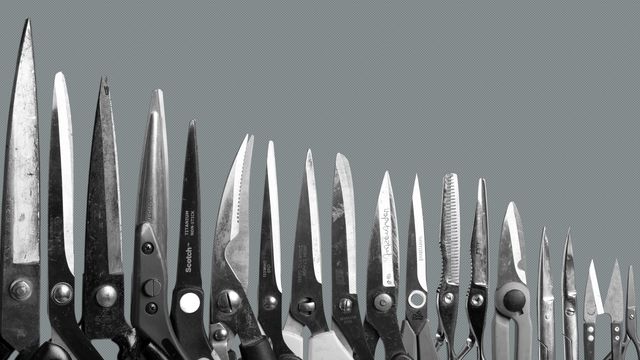
Yangjiang is the Guangdong cluster known for knives, scissors, and related hardware. The supply chain supports both standardized products and OEM/private-label projects with customized steels, handles, finishes, engraving, and packaging.
Major categories include:
- Kitchen knives and chef knives
- Pocket knives
- Knife sets
- Boning and utility knives
- Swords
- Scissors and other cutting tools
Our broader guide to knife manufacturers explains the supplier landscape in more detail.
The China (Yangjiang) International Hardware Knife & Scissors Expo is scheduled for October 20–22, 2026.
For knife sourcing, the quotation alone tells us very little. We normally need to compare blade steel, heat treatment, hardness, grinding, handle construction, edge geometry, and QC standards before deciding which factory actually offers the stronger value.
China Manufacturing Cities in Zhejiang: Yangtze River Delta Sourcing Hubs
Zhejiang is one of the regions we use most often for small commodities, footwear, hardware, plastics, molds, apparel, and household products. What makes it especially useful is the density of highly specialized cities: Yiwu for wholesale goods, Yongkang for hardware, Datang for socks, and Yuyao for plastics all sit within the wider Yangtze River Delta supply chain.
Jinhua

Jinhua is best understood as a manufacturing region rather than one single product cluster. The prefecture administers both Yiwu and Yongkang, two of Zhejiang’s most important sourcing cities.
Around the wider Jinhua area, buyers can find:
- Auto and motorcycle parts
- Power tools and hardware
- Backpacks and bags
- Crafts and decorative products
- General consumer goods
If a client comes to us with a broad catalog rather than one highly specialized product, Jinhua is useful because several different industrial clusters can be reached without crossing provinces.
Yiwu

Yiwu is where we are based, and it is usually our first choice when a buyer wants to test several products, consolidate mixed orders, or avoid committing immediately to a large factory MOQ.
The main sourcing destination is Yiwu International Trade City. For practical trip planning, the traditional five districts break down roughly like this:
- District 1: toys, artificial flowers, jewelry, accessories, crafts, crystals
- District 2: bags, umbrellas, hardware, electrical products, small appliances, electronics
- District 3: stationery, eyewear, cosmetics, beauty products, sports goods, garment accessories
- District 4: socks, hosiery, gloves, hats, towels, shoes, underwear, belts, scarves
- District 5: imported goods, bedding, fabrics, hotel supplies, auto and motorcycle accessories
In practice, the advantage is flexibility. Market vendors may accept quantities far below what a dedicated factory requires, which makes Yiwu useful for product validation and mixed-SKU orders. Once volumes grow or customization becomes more complex, we usually trace the product back to its manufacturing cluster and compare factory-direct options.
2026 update: Yiwu’s market has continued expanding, and the official Yiwugo platform now also lists a District 6, covering categories including fashion jewelry, toys, fabrics, baby products, skincare, smart equipment, and travel goods.
For a deeper look at the buying process, see our guide to buy wholesale from China.
Yongkang
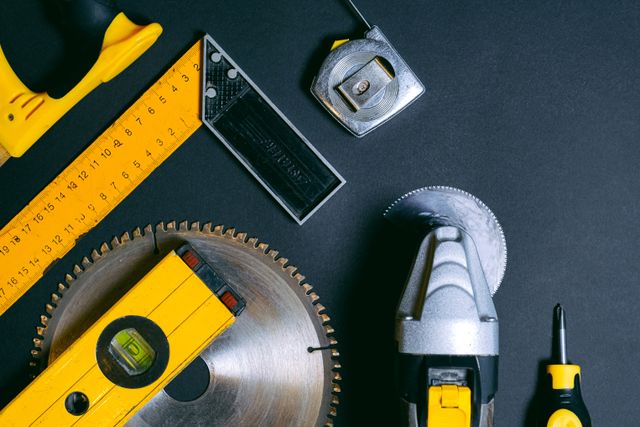
If we are sourcing hardware or tools, Yongkang is one of the first Zhejiang cities we shortlist.
Yongkang is a county-level city under Jinhua with a mature hardware manufacturing cluster covering:
- Power tools
- Hand tools
- Doors and door hardware
- Kitchenware
- Electrical appliances
- Automotive-related products
Official Zhejiang sources describe eight major hardware industries in Yongkang, while the city’s export base includes thousands of businesses involved in overseas trade.
This is more of a factory-direct sourcing city than a low-MOQ wholesale market. For private-label tools, we would compare tooling capability, materials, motor/component specifications, certifications, and QC processes before comparing unit prices.
Datang, Zhuji

For socks and hosiery, Datang in Zhuji is one of the clearest examples of China’s single-product industrial clustering.
The scale is unusual even by Chinese manufacturing standards. Xinhua reported that the Datang cluster produces about 25 billion pairs of socks annually, representing more than 70% of China’s output and roughly one-third of global production.
The cluster includes:
- Casual and fashion socks
- Sports socks
- Children’s socks
- Hosiery and leggings
- Yarn suppliers
- Knitting machinery
- Dyeing, finishing, and packaging services
For buyers, that concentration matters because changing yarn, knitting technique, compression level, or packaging does not necessarily require rebuilding the supply chain elsewhere. Datang also has a growing digital-production base, with nearly 200 digital workshops reported in the cluster.
Wenzhou

Wenzhou remains one of China’s major footwear manufacturing centers, particularly for leather and fashion shoes. The city’s shoe cluster spans manufacturers, material suppliers, machinery companies, designers, and supporting services.
Typical products include:
- Dress shoes
- Women’s fashion shoes
- Boots
- Sandals
- Children’s footwear
- Casual shoes
For shoe sourcing, we pay close attention to the upper material, lining, outsole, construction method, sizing tolerance, and adhesive performance. Two visually similar samples can have very different production costs once those specifications are defined.
Wenzhou also has another important cluster nearby: Yueqing.
Yueqing: Low-Voltage Electrical Products
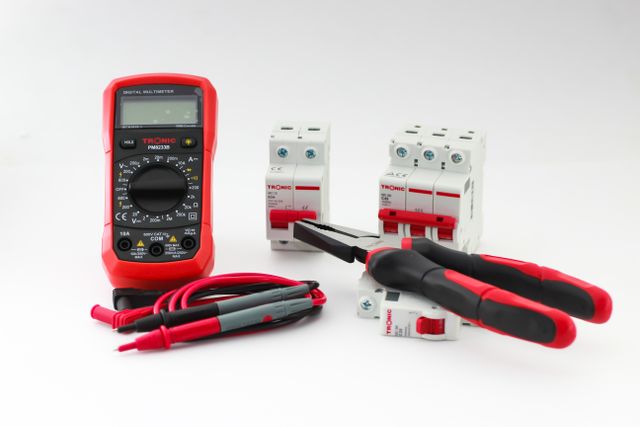
Yueqing is one of China’s strongest bases for low-voltage electrical equipment, including:
- Circuit breakers
- Contactors
- Relays
- Switches
- Distribution equipment
- Electrical connectors and components
Local government reporting says Yueqing’s electrical cluster accounts for a significant share of China’s low-voltage electrical market and has one of the country’s most complete supporting supply chains.
For electrical sourcing, certification is critical. We verify the exact model, rated voltage/current, components, test reports, and certification required for the destination market rather than assuming one certificate covers an entire product family.
Hangzhou
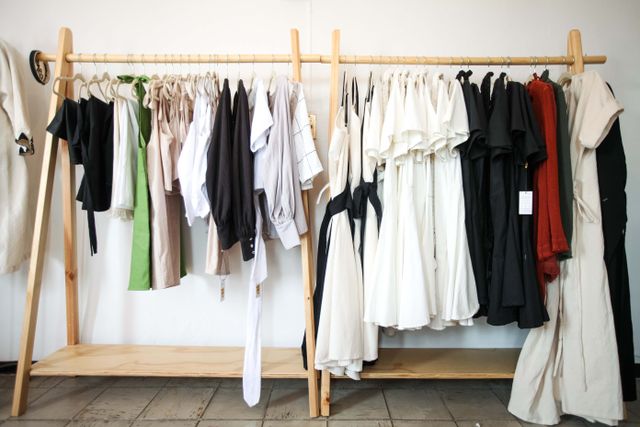
Hangzhou is one of Zhejiang’s strongest fashion and garment trading hubs, with the Sijiqing garment market at the center of its wholesale ecosystem.
The market has more than 10,000 vendors and is supported by a large network of garment manufacturers and brands.
We would mainly look here for:
- Women’s fashion
- Men’s apparel
- Lingerie
- Trend-driven garments
- Ready-made styles for wholesale
Sijiqing is particularly useful for trend research and supplier comparison. Buyers can see what is already moving through the domestic market, compare fabrics and construction, then approach manufacturers for modifications or private-label runs.
The market remains highly active in 2026; Hangzhou authorities reported around 80,000 daily visitors after its post-Spring Festival reopening in March.
Ningbo
Ningbo combines a large manufacturing base with direct access to Ningbo-Zhoushan Port, which makes it especially practical for export-oriented production.
We commonly associate the wider Ningbo area with:
- Household appliances
- Plastic products
- Injection molds
- Mechanical equipment
- Auto components
- Home and consumer goods
For plastics specifically, the important location is Yuyao.
Yuyao: China Plastics City

Yuyao has one of China’s best-established plastics and mold ecosystems. The municipal government identifies China Plastics City as one of the country’s major specialist plastics markets and lists plastics, molds, household appliances, and hardware among Yuyao’s core industries.
For buyers developing injection-molded products, this cluster can simplify the process because resin suppliers, mold makers, injection-molding factories, and supporting manufacturers operate in the same area.
That said, mold quotations need more scrutiny than ordinary product quotes. We normally compare tool steel, expected mold life, cavity count, tolerances, ownership terms, and whether modifications are included before approving tooling.
Taizhou

For Taizhou, we would focus more on molds, plastics, automotive components, and industrial manufacturing than on the garment machinery emphasized in older versions of this article.
The standout sourcing cluster is Huangyan, which has more than 2,000 mold-production and processing companies and is widely recognized for injection-mold tooling.
Relevant categories include:
- Injection molds
- Plastic household products
- Automotive molds and components
- Industrial equipment
- Consumer-product tooling
Taizhou also has a sizable automotive and components industry, with established production in wheels, brakes, gears, and related parts.
For a new molded product, we may compare Yuyao and Huangyan rather than choosing by city reputation alone. Yuyao gives strong access to plastics and raw-material trading, while Huangyan is especially deep in mold design and manufacturing.
China Manufacturing Cities Shanghai
Shanghai is less relevant for low-MOQ consumer sourcing than cities like Yiwu or Guangzhou, but it matters for premium manufacturing, automotive supply chains, petrochemicals, metals, and large-scale industrial production. When we look at Shanghai, we usually treat it as a high-spec industrial hub rather than a general wholesale sourcing city.
Metals
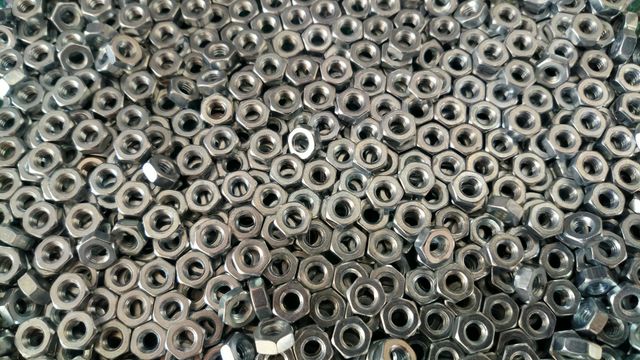
Shanghai has a large metal-processing and industrial supply base covering:
- Steel and iron products
- Aluminum sheets and plates
- Copper and other non-ferrous metals
- Industrial pumps and valves
- Fabricated metal components
For buyers sourcing industrial parts, the advantage is access to more advanced processing and engineering capabilities. The trade-off is that Shanghai is rarely the first place we would look for simple, price-sensitive metal goods.
Chemicals

Shanghai is one of China’s major petrochemical and chemical manufacturing centers, with production concentrated around large industrial zones such as the Shanghai Chemical Industry Park.
Relevant categories include:
- Petrochemicals
- Polymers and engineering plastics
- Industrial chemicals
- Specialty materials
- Chemical intermediates
Chemical sourcing requires much tighter supplier verification than ordinary consumer goods. We would confirm product specifications, SDS documentation, export restrictions, packaging requirements, and destination-market compliance before comparing quotes.
Minerals
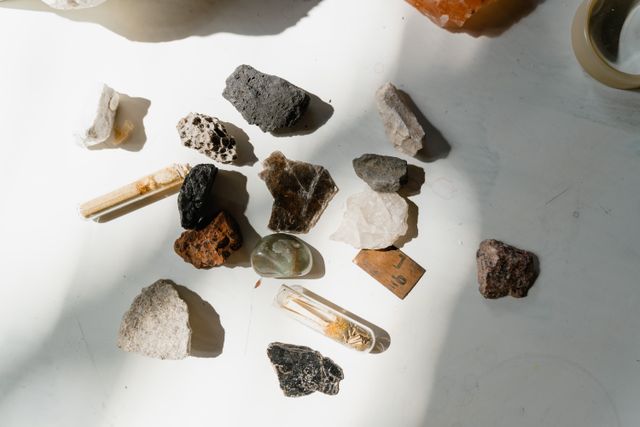
Shanghai also functions as an important trading and processing center for industrial raw materials, including metals and mineral commodities such as nickel, manganese, zinc, lead, cobalt, and graphite.
For most ecommerce buyers, this is less relevant than the city’s finished-goods sectors. It becomes more useful for manufacturers sourcing raw materials, industrial components, or inputs for downstream production.
Clothing
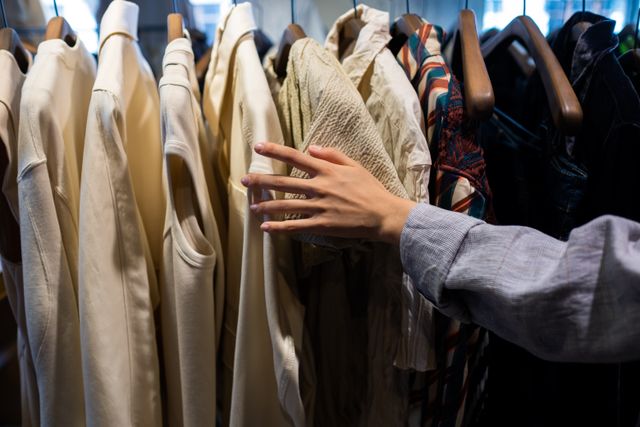
Shanghai does have apparel manufacturing, particularly for higher-value and design-led clothing, including:
- Women’s dresses, skirts, and tops
- T-shirts and casualwear
- Hoodies and trousers
- Children’s apparel
We would generally compare Shanghai with Guangzhou or Hangzhou before committing. Guangzhou is stronger for fast-moving fashion and wholesale sourcing, while Hangzhou has a deeper women’s apparel ecosystem. Shanghai makes more sense when finishing, design, brand positioning, or access to premium suppliers matters more than achieving the lowest possible unit cost.
For most importers, Shanghai is therefore a specialist sourcing option, especially for automotive, petrochemical, metal, and higher-spec manufacturing, rather than the default city for everyday consumer products.
China Manufacturing Cities in Jiangsu: Yangtze River Delta Sourcing Hubs
Jiangsu sits beside Shanghai in the Yangtze River Delta, giving manufacturers strong access to ports, technical talent, and dense supplier networks. We usually look here for home textiles, machinery, precision equipment, medical devices, eyewear, electronics, and industrial products rather than general small commodities.
Suzhou
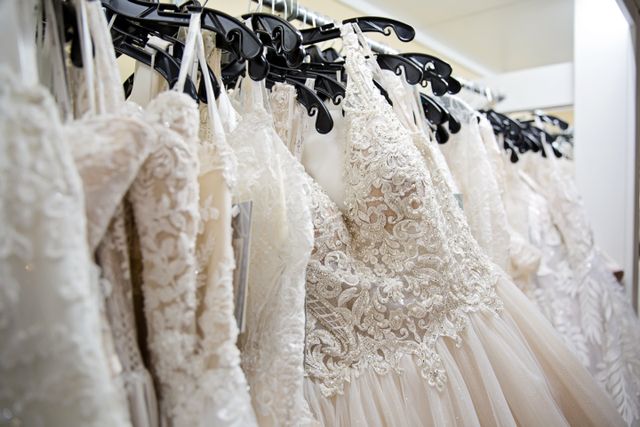
Suzhou has two very different sourcing strengths: wedding apparel and high-spec manufacturing.
For wedding dresses, the place to know is Huqiu Wedding Dress Mall. The cluster has operated for more than 30 years and brings together wedding gowns, bridesmaid dresses, formalwear, accessories, and related wedding businesses. Suzhou government sources describe Huqiu as a major wedding-dress trading center, with the wider industry serving buyers across China and overseas.
For ecommerce and fashion buyers, we would look here for:
- Wedding gowns
- Bridesmaid dresses
- Evening and formal dresses
- Veils and wedding accessories
- Made-to-order styles
The important distinction is between market vendors and actual manufacturers. If customization, consistent sizing, or repeat orders matter, we verify who is producing the garments rather than assuming the showroom is the factory.
Suzhou is also one of China’s significant medical-device and precision-manufacturing bases. Its medical sector spans diagnostic equipment, rehabilitation equipment, implants, medical materials, and supporting components. As of the end of 2023, Suzhou reported 1,263 medical-device manufacturers, so this is a much deeper industrial base than the city’s wedding-dress reputation suggests.
For regulated products, supplier selection needs to go beyond price. We would verify manufacturing licenses, quality systems, product registration requirements, technical documentation, and the certifications required in the destination market.
If you are deciding between visiting specialist clusters and buying from Alibaba and AliExpress, Suzhou is a good example of why knowing the physical cluster can improve your supplier shortlist.
Wuxi

Wuxi not “Wixu,” as it appeared in the previous article is a strong advanced-manufacturing city with established clusters in integrated circuits, IoT, electrical equipment, automotive components, biomedicine, and high-end machinery.
For sourcing, relevant categories include:
- Electronic and electrical components
- Integrated-circuit related products
- Automotive electronics
- Industrial equipment
- Electric motorcycles and e-bikes
- Batteries, controllers, and EV components
The Xishan District is particularly important for electric two-wheelers. In 2025, its 166 large-scale EV enterprises generated more than RMB 80 billion in revenue, while major manufacturer Yadea continues expanding production and R&D there.
That makes Wuxi more useful for buyers who need an established component ecosystem or engineered product than for buyers simply looking for low-MOQ finished consumer goods.
Nantong
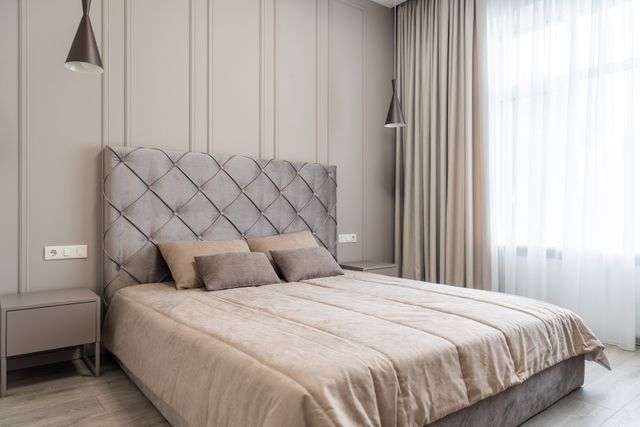
For home textiles, Nantong is one of the clearest specialist manufacturing clusters in China.
The city has a complete supply chain covering:
- Bedding and sheet sets
- Duvets and comforters
- Pillows and cushions
- Curtains
- Towels and household fabrics
- Upholstery textiles
- Yarn, printing, dyeing, and finishing
Much of the activity is concentrated around Tongzhou District and Chuanjiang Town. Nantong government sources describe the area as one of the world’s largest home-textile production bases, with more than 15,000 related enterprises operating across the cluster.
For private-label home textiles, this density is useful because fabric sourcing, printing, sewing, finishing, packaging, and logistics can all be coordinated locally.
We still specify details such as fabric composition, GSM, thread count where relevant, shrinkage tolerance, colorfastness, stitching, and packaging before asking factories to quote. Otherwise, suppliers may be pricing substantially different products under the same generic description.
Changzhou
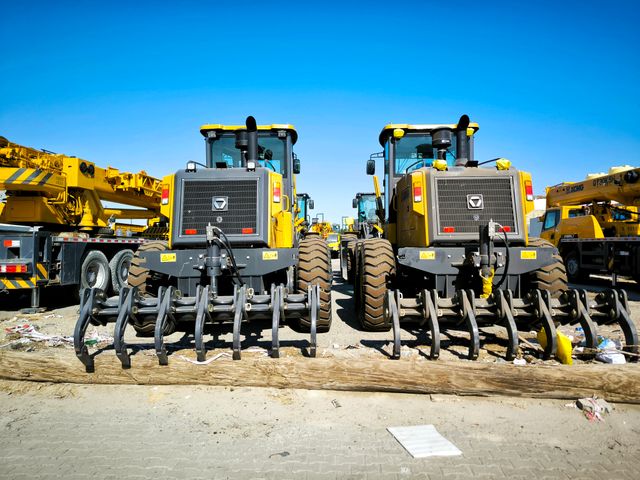
Changzhou is primarily an industrial and equipment manufacturing city. We would shortlist it for products that require machining, engineering, mechanical assemblies, refrigeration systems, or other technical manufacturing.
Common categories include:
- Construction and industrial machinery
- Bearings and mechanical components
- Refrigeration and cold-storage equipment
- Electrical equipment
- Automotive and new-energy components
- Rubber, polymers, and other industrial materials
Unlike Yiwu or Guangzhou, Changzhou is not a market-sourcing destination where buyers browse thousands of finished consumer products. It makes more sense when you already have technical specifications, drawings, or a defined industrial product and need to compare capable manufacturers.
For machinery, we normally request more than a catalog quotation. Spare-parts availability, warranties, electrical standards, documentation, installation support, and after-sales service can matter as much as the equipment price itself.
Xuzhou
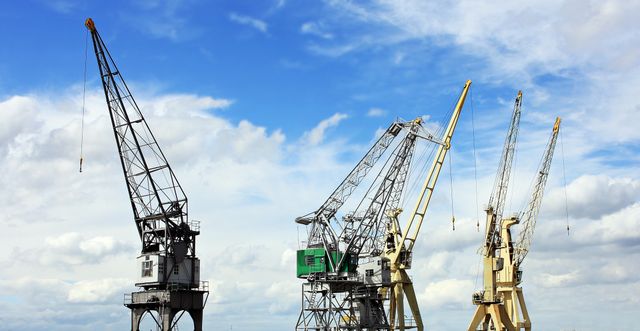
For construction machinery, Xuzhou is one of the strongest cities in China.
The city is home to XCMG, which ranked third globally in the 2026 Yellow Table ranking of construction-equipment manufacturers and first among Chinese companies.
The wider cluster supports products such as:
- Excavators
- Wheel loaders
- Cranes
- Road machinery
- Concrete machinery
- Earthmoving equipment
- Construction-equipment components
If we were sourcing heavy machinery, Xuzhou would be one of the first cities we would investigate because the advantage extends beyond one large manufacturer. An established equipment cluster also supports component suppliers, engineering talent, servicing, and specialized production.
For overseas buyers, however, parts support and after-sales capability need to be verified before purchase. Saving on the initial machine means little if replacement components or technical support are difficult to obtain in your market.
Danyang

Danyang is one of the most specialized cities in this entire guide: it is China’s major optical-lens manufacturing hub.
The scale is substantial. Jiangsu government sources report annual production of more than 400 million pairs of lenses, representing approximately 75% of China’s total optical-lens production and around half of global output.
The cluster covers:
- Prescription lenses
- Resin and optical lenses
- Sunglasses lenses
- Spectacle frames
- Lens coatings
- Eyewear accessories
- Optical processing and fitting
For eyewear buyers, this concentration makes Danyang much more useful than searching factories randomly across China. Lens manufacturers, frame suppliers, coating businesses, laboratories, and supporting services all operate within the same ecosystem.
We would still verify the actual specification behind every quotation. Lens material, refractive index, coatings, UV performance, optical tolerances, and prescription accuracy can change both quality and cost significantly.
For buyers building an eyewear brand, Danyang is therefore usually the Jiangsu city we would start with before expanding the supplier search elsewhere.
China Manufacturing Cities in Fujian
Fujian is one of the main regions we look at for footwear, sportswear, textiles, and stone-related sourcing. The strongest concentration is around Quanzhou and Jinjiang, where shoe materials, machinery, factories, and finished-product suppliers operate within the same regional supply chain.
Quanzhou
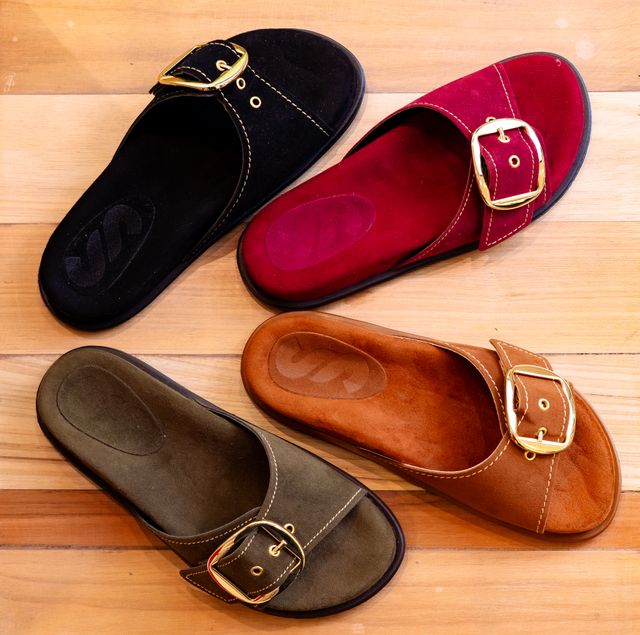
Quanzhou has a broad footwear and textile manufacturing base, covering both finished shoes and the materials behind them.
Common sourcing categories include:
- Casual shoes and sandals
- Slippers and clogs
- Sports and outdoor footwear
- Performance fabrics
- Sportswear and casual apparel
- Shoe materials and accessories
For footwear buyers, the real advantage is supply-chain depth. The wider Quanzhou area includes factories producing uppers, soles, fabrics, synthetic materials, molds, shoe machinery, and packaging, so modifications can often be handled within the same regional cluster.
We would still define specifications before requesting comparable quotes. For shoes, that means the upper material, outsole compound, construction method, size range, logo application, packaging, and required testing. These details can create substantial price differences between products that look almost identical in a supplier catalog.
Jinjiang
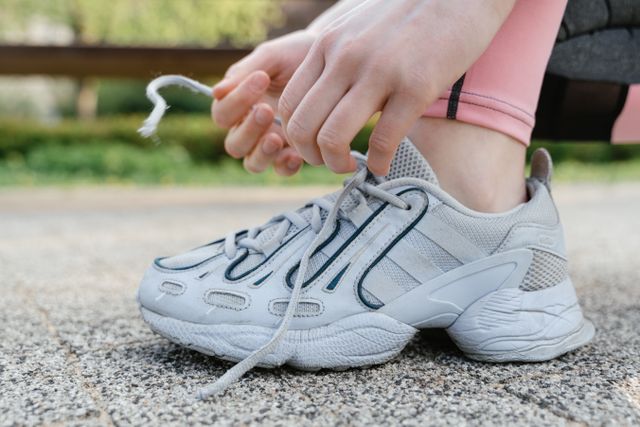
For sports shoes and sneakers, we narrow the search further to Jinjiang, a county-level city under Quanzhou.
Jinjiang has one of the world’s densest athletic-footwear supply chains. The city government reported in 2026 that local factories produce more than 1.6 billion pairs of sports shoes annually, supported by a complete textile, footwear, materials, machinery, design, and logistics ecosystem.
We typically look here for:
- Running shoes
- Basketball and court shoes
- Training shoes
- Casual sneakers
- Outdoor footwear
- Sportswear and performance apparel
- Shoe soles, uppers, fabrics, and accessories
For a private-label sneaker project, Jinjiang is particularly useful once volumes justify factory-level MOQs. Its suppliers already work with molded soles, performance materials, specialized shoe machinery, and relatively complex footwear construction.
The China (Jinjiang) International Footwear and Sports Industry Exposition also brings finished shoes, sports products, shoe materials, and machinery together in one event. The 2025 edition attracted more than 500 exhibitors from over 70 countries and regions, illustrating how complete the local ecosystem has become.
From a sourcing perspective, we pay close attention to mold ownership and development costs. A low initial unit price is less meaningful if the outsole mold is shared, cannot be transferred, or requires expensive redevelopment when you change factories.
Xiamen
Xiamen is more relevant for electronics manufacturing and stone trade/export than for mass-market footwear.
Its electronic-information sector includes displays, computers and communications equipment, semiconductors, and integrated circuits, with major manufacturing zones such as Xiamen Torch High-Tech Industrial Development Zone.
Xiamen is also an important gateway for China’s stone industry. The major processing base is actually nearby Shuitou in Nan’an, while Xiamen functions as a trading, exhibition, logistics, and export center; Fujian government reporting notes that a large share of China’s stone imports and exports moves through the city.
For buyers sourcing granite, marble, slabs, or fabricated stone, we would therefore use Xiamen for supplier discovery and export coordination, then verify where the actual quarrying and processing take place.
China Manufacturing Cities in Hebei: Bohai Rim Sourcing Hubs
Hebei is more fragmented than Guangdong or Zhejiang, so we usually source here by county-level industrial cluster rather than by city name alone. The strongest opportunities are in auto parts, machinery, bicycles, bearings, cashmere, and bags.
Cangzhou
Cangzhou is primarily an industrial manufacturing base, with strengths in machinery, automotive supply, metal fabrication, electronic enclosures, and chemical materials.
Relevant sourcing categories include:
- Auto parts and metal components
- Machinery and fabricated metal products
- Electronic cabinets and enclosures
- Molds
- Chemical and plastic materials
The cluster becomes more specific once you look below city level. Qingxian is recognized for electronic cabinets and enclosures, while Huanghua has established mold and chemical-material industries. Hebei’s 2025 industrial-cluster list continues to identify Qingxian’s electronic-enclosure cluster and Huanghua’s specialty chemical-material cluster.
For custom metal products, we would send suppliers drawings, dimensions, tolerances, material grades, finishes, and inspection requirements before comparing quotes.
Xingtai
For sourcing, Xingtai is more useful as a collection of specialized county-level manufacturing towns than as a wool-textile city, as the older article suggested.
The clusters worth knowing include:
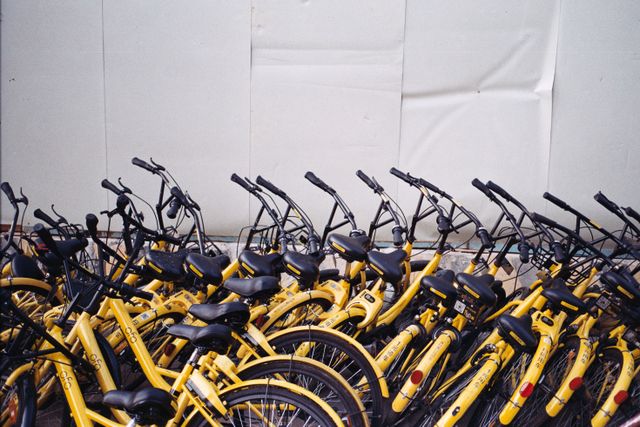
- Pingxiang and Guangzong: bicycles, children’s bicycles, and components
- Linxi: bearings
- Qinghe: cashmere products and automotive components
- Ningjin: electrical cable and photovoltaic products
- Renze: machinery, intelligent equipment, and components
These are recognized industrial clusters in Hebei’s provincial manufacturing programs.
If you source bicycles, for example, going directly to Pingxiang gives you access to frame, wheel, tire, saddle, component, and finished-bike suppliers within the same local ecosystem.
Baigou
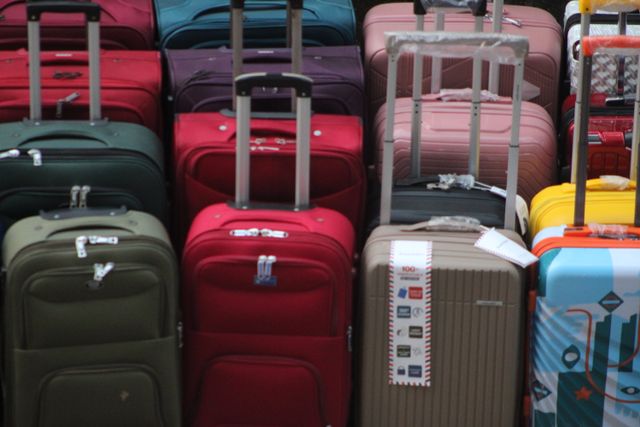
For bags and luggage, we would go directly to Baigou in Baoding. The town has a large wholesale market backed by a specialized manufacturing base producing backpacks, handbags, wallets, suitcases, and related accessories; Hebei government sources report more than 1,500 locally owned bag and luggage brands.
Baigou works particularly well when you want to compare existing styles before moving into custom materials, logos, hardware, and packaging.
China Manufacturing Cities in Henan
Henan is an inland manufacturing province, so the sourcing calculation is different from Guangdong or Zhejiang. Factory costs can be competitive, but we also account for the additional domestic freight required to move export orders toward coastal ports or rail corridors.
Zhengzhou

Zhengzhou has become a major electronics and automotive manufacturing hub. In 2025, the city produced about 148 million mobile phones and more than 1.2 million vehicles, while electronics and automotive manufacturing remained two of its major industrial growth drivers.
We would look here for:
- Smartphones and electronics assembly
- Servers and computing hardware
- Electronic components
- Automotive products and components
- New-energy vehicle supply chains
- Selected apparel and textiles
Zhengzhou also has a clothing industry, but for an ecommerce apparel brand we would normally compare it against Guangzhou and Hangzhou, where the supplier ecosystems are deeper and easier to navigate.
Its inland location becomes more attractive for large-volume orders where manufacturing economics justify additional domestic logistics.
Shangqiu
Shangqiu has manufacturing activity across textiles and garments, machinery, equipment, and newer energy-related industries, but we would be cautious about presenting it as a major EV sourcing capital.
The old article specifically referenced a manufacturer called “Yungton.” We could not verify that claim reliably, so we would remove it rather than repeat it.
For buyers, Shangqiu is more realistically worth investigating for:
- Knitwear and apparel
- Machinery and industrial equipment
- Metal products and tools
- Selected new-energy and electrical products
There is evidence of new-energy manufacturing activity in the area, including photovoltaic production, but that is different from claiming Shangqiu is a nationally important electric-vehicle cluster.
China Manufacturing Cities in Shandong
Shandong is a major coastal manufacturing province on the Bohai and Yellow Sea. Compared with Guangdong, its strengths lean more toward home appliances, industrial goods, plastics, auto parts, wood products, textiles, and large-scale manufacturing.
Qingdao
Qingdao combines a major seaport with strong manufacturing in home appliances, electronics, textiles, machinery, and automotive-related products.
For sourcing, we would mainly look here for:
- Refrigerators, air conditioners, and household appliances
- Appliance components
- Textiles and apparel
- Textile-processing equipment
- Industrial and electrical products
The wider Qingdao area has a particularly mature appliance ecosystem. Pingdu, for example, is described by the Qingdao government as China’s largest white-goods manufacturing base, with major manufacturers and their upstream component suppliers clustered locally.
That supply-chain depth is useful for private-label appliances, but electrical certification, voltage specifications, spare parts, warranties, and destination-market compliance need to be defined before ordering.
Linyi
Linyi is one of the more interesting Shandong cities for wholesale distribution and export sourcing because its manufacturing base sits alongside a huge trading and logistics ecosystem.
Relevant categories include:
- Plastic products
- Auto parts
- Ceramics
- Hardware
- Building materials
- Chemicals
- General wholesale goods
In 2025, Linyi exported RMB 95.8 billion in plastic products and RMB 92.1 billion in auto parts, while market-procurement trade and cross-border ecommerce accounted for a major share of the city’s exports.
For buyers, Linyi can therefore work as both a production and consolidation hub, particularly when an order includes several industrial or household categories.
Heze

Heze is a more specialized sourcing option. Its export industries include wood products and furniture, textiles and clothing, chemicals, crafts, ceramics, and human-hair products.
We would mainly investigate Heze for:
- Wooden furniture and wood products
- Textiles and garments
- Hair products
- Crafts and decorative goods
- Selected chemical products
For wood sourcing, material specification matters. Species, moisture content, board grade, coatings, hardware, formaldehyde requirements, and export packaging should all be agreed before production.
And throughout this article, the province should be spelled Shandong, not “Shangdong,” which appeared in the previous version.
China Manufacturing Cities in Sichuan: Inland Sourcing Hubs
Sichuan offers a very different supply base from coastal China. It has major electronics, food, spirits, furniture, and industrial manufacturing sectors, with Chengdu acting as the province’s commercial and logistics center.
Chengdu

For ecommerce sourcing, we would mainly consider Chengdu for furniture, apparel, footwear, and selected consumer products, particularly when we want to compare inland production against more established coastal clusters.
Relevant categories include:
- Home and commercial furniture
- Clothing
- Footwear
- Consumer goods
- Food and beverage products
Factory pricing can be competitive, but we always compare the landed cost, because goods still have to travel farther before reaching most export seaports.
The previous article also described Chengdu as a major source of “white wine.” That is a mistranslation of baijiu, China’s traditional distilled spirit.
More importantly, the claim should refer to Sichuan as a whole, rather than Chengdu alone. Sichuan is one of China’s major baijiu production regions, with Yibin and Luzhou substantially larger production centers than Chengdu. Provincial figures illustrate that distinction clearly.
For ordinary ecommerce sellers, furniture and apparel are therefore much more relevant Chengdu sourcing categories than baijiu.
China Manufacturing Cities in Hubei
Hubei occupies a central position along the Yangtze River, giving manufacturers strong domestic transport connections despite being inland.
Wuhan
Wuhan is a major advanced and heavy-manufacturing city rather than a specialist wholesale hub like Yiwu.
Its industrial strengths include:
- Automotive manufacturing and components
- Electronics and optoelectronics
- Steel and metal products
- Petrochemicals
- Machinery
- Shipbuilding
- Apparel and textiles
Wuhan’s current industrial planning specifically identifies automotive, steel, petrochemical, shipbuilding, and clothing among the manufacturing sectors being upgraded.
For ecommerce buyers, that means Wuhan is usually a secondary sourcing option unless your product matches one of those industries. We would generally go directly to a more specialized coastal cluster for ordinary textiles, toys, footwear, or small consumer goods.
The COVID-related aside from the previous article should be removed entirely; it has no sourcing value in a 2026 manufacturing guide.
China Manufacturing Cities: Tianjin
Tianjin is one of North China’s most important port and manufacturing cities, giving factories direct access to the Bohai Rim’s export infrastructure.
Its strongest current manufacturing sectors include:
- Automotive and auto components
- Petrochemicals
- High-end machinery and industrial equipment
- Electronics and integrated circuits
- Aerospace equipment
- New materials
- Consumer goods, including textiles and home products
The city’s industrial base is moving increasingly toward advanced manufacturing. In 2025, automotive manufacturing grew 6.3%, specialty-equipment manufacturing 14.9%, and chemical manufacturing 10.1%; Tianjin also has a growing integrated-circuit ecosystem covering design, wafer production, packaging, testing, equipment, and materials.
For a typical importer, we would consider Tianjin particularly when sourcing industrial goods, automotive products, electronics, or North China suppliers where proximity to Tianjin Port can simplify export logistics.
There are also apparel and textile manufacturers producing categories such as t-shirts, jackets, dresses, children’s clothing, and intimate apparel. However, for fashion-first sourcing, we would normally compare Tianjin against Guangzhou or Hangzhou before deciding.
The main operational advantage is logistics: if the factory is already in the Bohai Rim, using Tianjin rather than trucking goods south to Shanghai or Shenzhen can reduce unnecessary inland freight and simplify the export route.
Coastal vs Inland Manufacturing Cities: Cost, Lead Time & Logistics
Once we identify the right product cluster, the next question is whether sourcing from a coastal or inland manufacturing city makes commercial sense. In our experience, the lowest factory quote does not always produce the lowest landed cost. Inland factories may save on labor or overhead, while coastal suppliers usually win on export infrastructure, supplier density, and speed to port.
| Factor | Coastal Manufacturing Cities | Inland Manufacturing Cities |
| Examples | Shenzhen, Guangzhou, Foshan, Ningbo, Qingdao | Chengdu, Chongqing, Zhengzhou, Wuhan |
| Factory pricing | Often higher operating and labor costs | Can be more cost-optimized for labor- or space-intensive production |
| Supplier density | Very high in established export clusters | Strong in specific industries, but usually less broad |
| MOQ flexibility | Better access to wholesale markets and traders for smaller orders | More commonly factory-direct, with factory-level MOQs |
| Lead time to export gateway | Usually shorter because major ports are nearby | Additional trucking, rail, or river transport is normally required |
| Freight options | Extensive ocean freight, air freight, and consolidation services | Domestic rail/truck first, then ocean freight; some hubs also connect directly to Europe by rail |
| FOB orders | Straightforward when the factory is close to Shenzhen, Ningbo, Shanghai, Qingdao, or another major port | FOB may include a longer domestic movement to the named port |
| DDP orders | Easier to consolidate with other coastal suppliers | Still practical, but inland freight becomes part of the door-to-door quote |
| Best fit | New products, mixed orders, shorter timelines, export-focused consumer goods | Larger repeat orders where factory savings justify additional logistics |
When Does Coastal Sourcing Make More Sense?
For most first orders, we prefer to start with the established coastal clusters. The supply chains are easier to navigate, export documentation is routine, and alternative suppliers are usually nearby if the first factory does not work out.
Coastal sourcing is especially practical when:
- You need a lower MOQ or mixed-SKU order
- Lead time is important
- You are still testing suppliers
- Several products need to be consolidated into one shipment
- Your category already has a mature coastal cluster, such as Shenzhen electronics or Foshan furniture
The factory price may not be the lowest available in China, but simpler logistics can offset some of that difference.
When Can Inland Sourcing Reduce Costs?
Inland cities become more interesting once the product is proven and order volumes increase. Lower land, labor, or facility costs can make certain factories more competitive, particularly for products that require significant manual work or production space.
However, we compare the landed cost, not just the EXW price.
For example, a factory in Chengdu may quote below a comparable coastal supplier, but you still need to move the goods hundreds of kilometers before they enter the main ocean-freight network. On smaller orders, those domestic logistics costs can erase much of the factory-price advantage.
How Do FOB and DDP Change the Comparison?
With FOB, the supplier is responsible for getting the order to the agreed Chinese port and completing export clearance. For an inland factory, that can mean a longer domestic journey before the international shipment even begins.
With DDP, the quotation covers transportation through to the agreed destination, including the China-side inland movement. DDP can therefore make coastal and inland quotations easier to compare because you are evaluating a more complete logistics cost rather than looking only at the factory price.
When we compare suppliers from different cities, we normally ask for the same Incoterm and destination from each supplier. Otherwise, a lower quotation may simply exclude costs that another supplier has already included.
Our Rule of Thumb
For a new or relatively small order, we normally prioritize the right product cluster, reliable QC, and straightforward logistics over chasing the lowest ex-factory price.
For a high-volume repeat order, it can make sense to compare inland production against the established coastal cluster and calculate whether the factory savings remain after domestic freight, longer replenishment times, and additional inventory requirements.
You can see the different freight options in our guide to shipping from China.
China Trade Fair Calendar 2026
Trade fairs are most useful when they match the manufacturing cluster you already plan to source from. We normally use the fair for supplier discovery, then visit shortlisted factories or nearby wholesale markets afterward. Based on the supplier clusters covered in this guide, these are the main fairs to plan around.
| Trade Fair | City | 2026 Timing | Best For | Combine With |
| Canton Fair | Guangzhou | April & October | Electronics, machinery, home goods, apparel, toys, consumer products | Guangzhou wholesale markets, Shenzhen, Foshan |
| CIFF – China International Furniture Fair | Guangzhou | March | Furniture, interiors, office and commercial furnishings | Foshan, Shunde, Lecong |
| Guzhen International Lighting Fair | Zhongshan (Guzhen) | March | Residential, commercial and LED lighting | Guzhen lighting factories and showrooms |
| Chenghai International Toy & Gift Fair | Shantou (Chenghai) | April–May | Toys, educational products, RC toys and related supply chains | Chenghai toy factories |
| Yiwu Fair | Yiwu | October | Small commodities, hardware, consumer goods and mixed-product sourcing | Yiwu International Trade City |
| Yangjiang International Hardware Knives & Scissors Fair | Yangjiang | October | Knives, scissors, kitchenware and hardware | Yangjiang knife and cutlery factories |
Which Trade Fair Should You Visit?
For broad sourcing: Canton Fair.
This is the most practical option when your product range spans several categories. We would use the fair to build an initial supplier shortlist, then arrange factory visits in nearby manufacturing cities such as Shenzhen for electronics, Foshan for furniture, or Zhongshan for lighting.
For furniture: CIFF + Foshan.
CIFF gives you a broad view of the furniture market, but the factory work happens nearby. We would normally follow the fair with visits to Shunde and Lecong, where furniture showrooms and manufacturers are concentrated.
For lighting: Guzhen.
If lighting is your main category, going directly to Guzhen Town in Zhongshan is more efficient than relying on a general exhibition. The fair puts fixture manufacturers, LED suppliers, component vendors, and commercial-lighting companies in one place.
For toys: Chenghai.
Chenghai is the specialist cluster for toys, so the local fair gives buyers much more category depth than a general trade event. It is particularly useful for comparing toy factories, packaging options, components, and private-label capabilities within the same sourcing trip.
For small commodities: Yiwu Fair + International Trade City.
Since we are based in Yiwu, we would not treat the fair as a standalone visit. The better approach is to attend the exhibition and then spend time inside Yiwu International Trade City, where you can compare suppliers across thousands of product categories and often work with lower MOQs.
For knives and cutlery: Yangjiang.
Yangjiang is the specialist choice for kitchen knives, pocket knives, scissors, and related hardware. The local fair is useful for supplier discovery, but we would still visit shortlisted factories afterward to compare blade steel, heat treatment, grinding, handle construction, and QC.
Planning tip: the supplier data provided for this guide confirms the months, but not precise 2026 dates for every event. Confirm the organizer’s final dates before booking flights or hotels.
How to Source from China’s Manufacturing Cities
There are three practical ways to source from the manufacturing hubs in this guide: visit in person, work with a sourcing agent, or source online. The right route depends on your order size, experience, and how much supplier verification you can handle yourself.
1. Visit the Manufacturing City in Person
This gives you the most visibility into the supply chain.
A good trip usually looks like this:
- Identify the main manufacturing city for your product.
- Visit the relevant trade fair or wholesale market.
- Shortlist suppliers.
- Visit the actual factories behind the strongest candidates.
- Compare samples, capacity, QC processes, and commercial terms.
This works well for larger orders, technical products, or categories where factory capability is hard to judge from a listing alone. The trade-off is cost: flights, hotels, local transport, interpreters, and several days of travel add up quickly.
2. Work with a Sourcing Agent
A sourcing agent is useful when you know what you want to buy but do not want to manage supplier discovery, negotiations, inspections, and logistics yourself.
A China sourcing agent can help with:
- Matching your product to the right manufacturing cluster
- Finding and comparing factories
- Negotiating pricing and MOQ
- Ordering and reviewing samples
- Factory verification
- Quality inspection before shipment
- Consolidation and shipping
This route becomes especially useful for private-label or repeat orders, where switching factories later can be expensive.
At NicheSources, we are based in Yiwu and work across the manufacturing cities covered in this guide. There is no upfront sourcing fee; you pay after approving the quote.
3. Source Online
Alibaba, 1688, Made-in-China, and supplier websites can all be used to find manufacturers without visiting China.
The process is straightforward:
- Search using the product + manufacturing city rather than the product alone.
- Contact multiple suppliers.
- Request the same specifications from each.
- Compare samples before placing the main order.
- Verify the factory before paying a large deposit.
For example, searching for a “toy manufacturer in Chenghai” or “hardware factory in Yongkang” usually gives you a more relevant shortlist than searching China-wide.
1688 can also reveal domestic-market suppliers that are less visible internationally, but many of them are not set up to handle export documentation, foreign payments, or English-language communication. In those cases, an agent or freight partner may still be required.
Always Verify the Factory Before You Order
The manufacturing city tells you where to look, but it does not guarantee that every supplier is reliable.
Before placing a substantial order, we recommend checking:
- Business license and registered company name
- Whether the supplier is a factory or trading company
- Factory address and production capability
- Main equipment and production lines
- Export experience
- Product certifications where required
- Sample quality
- Production lead time
- QC process
- Pre-shipment inspection arrangements
For higher-risk or customized products, a video call is not enough. A factory audit or independent inspection gives you much better evidence of whether the supplier can actually produce what they quoted.
From our experience in Yiwu: supplier verification is one of the biggest problems buyers face before placing an order. Our on-ground team handles factory checks, supplier comparisons, quality inspection, and logistics so you can evaluate the project before committing. Discuss your project.
FAQs about China Manufacturing Cities
What Factors Should I Consider When Sourcing Goods in China Manufacturing Cities?
Product availability – find out if the specific products you require are available in that city.
Accessibility – you are likely to incur lower shipping costs if you source goods from a city that has or is near a port.
Pricing – goods can sometimes cost more in prime cities like Guangzhou compared to less prominent cities like Chengdu, and others.
Where Are Most Manufacturers Located in China?
Shanghai, Ningbo, and Guangdong.
Shanghai and Guangdong are very modern, easily accessible, and are major trade hubs. All these factors have motivated industrial growth.
Meanwhile, manufacturers favor Ningbo because it has easy access to raw materials and a very vibrant port.
Does “largest manufacturing city” mean the best place to source?
No. “Largest” depends on the metric, and sourcing relevance is different from total industrial scale. Shanghai is one of China’s largest manufacturing economies overall, while Shenzhen is far more relevant to many importers because of its electronics ecosystem.
For sourcing, we focus on product-cluster density instead of city size. A smaller place such as Chenghai can be more useful for toys, while Danyang is more useful for optical lenses. The right city is the one where your product’s supply chain is concentrated.
Which China manufacturing cities are usually the most cost-competitive?
Inland hubs such as Chengdu, Chongqing, and Zhengzhou can offer more cost-optimized factory pricing for certain labor- or space-intensive products. However, there is no universally lowest-cost city because specialization matters more than geography.
Yiwu can be very competitive for ready-made small commodities, while a specialized coastal cluster may still beat an inland factory for electronics, toys, or furniture.
We compare the complete landed cost including domestic freight, MOQ, lead time, QC, and international shipping rather than choosing a city based only on its ex-factory quotation.
When should I choose a coastal cluster over an inland one?
Choose a coastal cluster when speed, supplier choice, export experience, and logistics simplicity matter more than chasing the lowest ex-factory price. Shenzhen, Guangzhou, Ningbo, Qingdao, and nearby cities have dense supplier networks and direct access to major ports.
Inland factories become more attractive when order volumes are large enough to justify extra domestic transport and longer replenishment cycles.
For a first order, we usually prioritize the strongest product cluster and reliable QC. For repeat orders, we can then compare inland factories to see whether the savings survive the landed-cost calculation.
How can I judge Chinese product quality before placing a large order?
Judge quality from specifications, samples, factory capability, and inspection results rather than the city name or supplier’s marketing claims. We first define the materials, dimensions, tolerances, components, finish, packaging, and any required certifications.
Then we compare samples from multiple suppliers and confirm that the approved sample matches what will be mass-produced.
For larger orders, a pre-shipment quality inspection should check workmanship, quantity, packaging, labeling, and critical product requirements before the balance is paid. Strong quality control starts before production, not after defects appear.
Which sourcing route makes the most sense for my business?
Use online sourcing for initial research, visit in person when the order is complex or large, and use a sourcing agent when you need local verification and coordination without managing everything yourself.
Alibaba, 1688, and supplier websites are useful for building a shortlist, but listings do not prove factory capability. A sourcing trip gives you direct visibility, especially around specialist markets and fairs.
An agent can handle factory searches, negotiations, samples, inspections, consolidation, and shipping. The more customized or higher-value the order becomes, the more valuable on-ground verification usually is.
Is a factory town always better than a wholesale market?
No. Factory towns and wholesale markets solve different sourcing problems. A factory cluster is usually better when you need private-label production, custom specifications, repeat orders, or stronger control over materials and manufacturing.
A wholesale market is often better when you need small quantities, multiple SKUs, ready-made designs, or fast product testing. We often use markets such as Yiwu for early-stage validation, then move proven products to specialist factory clusters once volumes justify higher MOQs.
The right route depends on order size, customization requirements, and how much supply-chain control you need.