A phone case listed for $4 on one wholesale website might cost $9 on another. At first glance, the $4 option looks like the obvious choice. But once you factor in shipping, import duties, and other fees, the $9 option could actually cost less.
This is something we always encourage buyers to consider when comparing wholesale suppliers: the lowest listed price doesn’t always mean the lowest total cost.
Wholesale websites are online platforms where businesses source products in bulk, usually at prices below retail. They include B2B marketplaces like Alibaba, supplier directories like Wholesale Central, and direct wholesalers like BuckWholesale. Some cater to large importers, while others accommodate small businesses with low or no minimum order quantities (MOQs).
We’ve put together 25 of the best wholesale websites in 2026, comparing their minimum orders, fees, customer reviews, and sourcing limitations to help you find the right fit.
Quick Facts: Best Wholesale Websites in 2026
- Best for factory sourcing: Alibaba, with Trade Assurance payment protection.
- Best for lower China sourcing prices: 1688, although overseas buyers may need a sourcing agent.
- Best for US boutiques: Faire, offering flexible payment terms to eligible retailers.
- Best free US supplier directory: Wholesale Central.
- Best for no-minimum orders: BuckWholesale, Wholesale Body Oils, and MX Wholesale.
- Best for dropshipping: Banggood, Shewin, and Wholesale7.
Best Wholesale Websites by Business Type
The best wholesale website depends on what you’re selling, how much inventory you can afford, and whether you need ready-to-sell products or custom manufacturing.
Here are our top picks for different business needs, including their minimum order quantities (MOQs), fees, and customer reviews.
| Website | Best for | MOQ | Buyer fees | Reviews (Oct 2026) | Dropshipping |
| Faire | Boutiques and independent retailers | Set by brand | Free; Net-60 terms for eligible buyers | Trustpilot 4.6/5 (7,400+ reviews) | No |
| Alibaba | Factory sourcing and private-label products | Supplier-set | Free to join; payment fees may apply | Trustpilot 3.5/5 (30,000 reviews) | Not a dedicated program |
| 1688 | Lower-priced China sourcing | Supplier-set | Free; agent/forwarding costs may apply | No meaningful third-party score | No |
| Wholesale Central | Finding US wholesale suppliers | Supplier-set | Free | Trustpilot 3.9/5 (23 reviews) | Varies by supplier |
| DollarDays | Small businesses and nonprofits | Case-pack quantities | No membership fee | Trustpilot 4.5/5 (17 reviews) | No |
| BuckWholesale | Blank hats and headwear | No minimum | No membership fee | Trustpilot 4.8/5 (2,000 reviews) | No advertised program |
| SaleHoo | Finding vetted dropshipping suppliers | Supplier-set | $67/year or $127 lifetime for directory | Trustpilot 4.2–4.3/5 | Via listed suppliers |
| DHgate | Testing products in small quantities | Often 1 unit | Free for buyers | Trustpilot 1.6/5 (34,000+ reviews) | Via individual sellers |
| MX Wholesale | UK general merchandise and discount stock | No minimum on most items | No membership fee | Trustpilot 3.5/5 (232 reviews) | Yes |
| Shewin | Women’s fashion and boutique clothing | From 2 pieces | No membership fee | Trustpilot 4.8–4.9/5 (600+ reviews) | Yes |
Review scores reflect the supplied October 2026 research and may change. A high rating based on a small number of reviews offers less confidence than one supported by thousands. Always check recent complaints before placing a large order.
Which Wholesale Website Should You Choose?
If you’re still comparing options, here’s how we’d narrow down your search:
- Starting a boutique? Choose Faire for established brands or Shewin and Wholesale7 for lower-MOQ fashion.
- Launching your own branded product? Start with Alibaba or Made-in-China to find manufacturers offering custom production.
- Testing products without holding inventory? Consider Banggood, Wholesale7, or Pinktown USA for dropshipping.
- Buying larger quantities from China? Compare 1688 suppliers, but calculate shipping, duties, and sourcing-agent fees before deciding.
- Need inventory from US suppliers? Start with Wholesale Central for supplier discovery or DollarDays for ready-to-order bulk merchandise.
What about Costco? Despite its name, Costco operates primarily as a membership warehouse retailer rather than a traditional B2B wholesale marketplace. Businesses can purchase products for resale, but membership costs and retail-oriented pricing may leave limited resale margins. We’ve therefore excluded it from our top 25 wholesale websites.
How We Evaluated These Wholesale Websites
We evaluated these 25 wholesale websites using six criteria, focusing on what matters most to businesses sourcing products for resale.
Our October 2026 research considered:
- Platform legitimacy: We checked whether each website was operational, offered an active wholesale program, and had a verifiable business presence.
- MOQs and pricing: We reviewed minimum order quantities, membership fees, and available pricing information. Where requirements vary by supplier or product, we’ve made that clear.
- Buyer protection: We looked at payment protection, dispute resolution, and return policies. This matters particularly when dealing with overseas suppliers you’ve never ordered from.
- Customer reputation: We considered Trustpilot, BBB, and other third-party reviews, including ratings, review counts, and recurring complaints. We also flagged platforms with limited independent feedback.
- Product selection: We assessed whether each website offered sufficient variety within its target categories, from general merchandise to specialized wholesale products.
- Shipping and fulfillment: We examined available shipping options, warehouse locations, and dropshipping support, where applicable.
A note on verification: Our assessments draw on the October 2026 research compiled for this article, including official supplier policies and third-party review data. We haven’t personally ordered from or independently inspected all 25 platforms, so we distinguish published policies and customer feedback from first-hand experience.
A website’s inclusion doesn’t guarantee that every supplier listed on it is reliable. We encourage buyers to verify individual suppliers and order samples before committing to substantial inventory purchases.
Best Wholesale Websites in China
China is one of the most practical sourcing destinations for businesses looking to buy products in bulk, develop private-label products, or work directly with manufacturers.
However, Chinese wholesale websites serve different types of buyers. Platforms like Alibaba and Made-in-China are designed for international sourcing, while 1688 primarily serves China’s domestic market. Others, such as Shewin and Sunsky, specialize in particular product categories.
Here are 10 wholesale websites worth comparing based on your product category, order volume, and sourcing requirements.
1. 1688.com
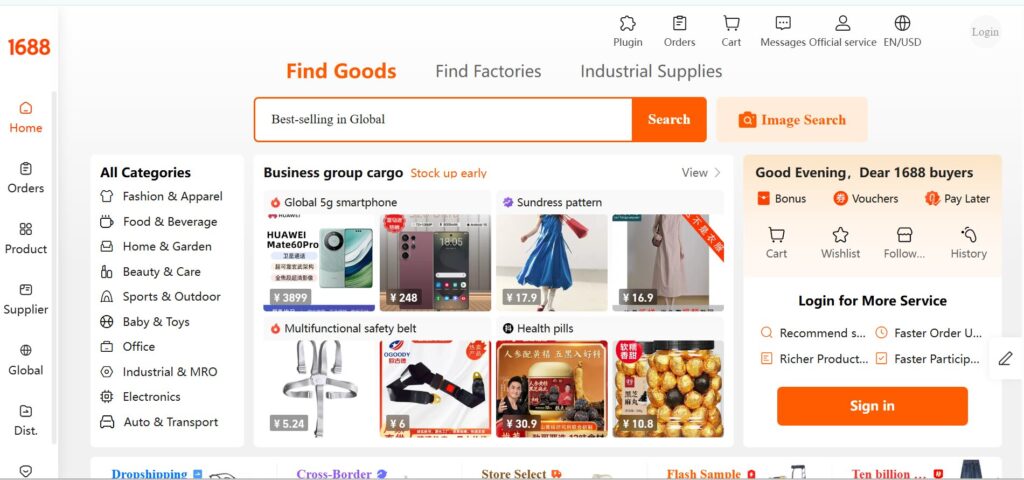
Best for: Businesses seeking lower domestic Chinese wholesale prices and willing to manage international sourcing logistics.
1688.com is Alibaba Group’s domestic wholesale marketplace, connecting buyers with Chinese manufacturers, distributors, and trading companies.
We generally suggest exploring 1688 when you’ve already identified a product with consistent demand and want to compare domestic Chinese prices against export-facing platforms like Alibaba. Prices can be lower because many suppliers primarily serve local businesses.
However, the potential savings need to justify the additional work involved in purchasing, inspecting, consolidating, and exporting products.
- MOQ: Supplier-dependent; some listings accept single-unit orders, while custom manufacturing requires larger quantities.
- Fees: No standard buyer membership fee. Overseas buyers may incur payment, sourcing-agent, and freight-forwarding costs.
- Cons: Chinese-language interface, limited international shipping support, and no Alibaba Trade Assurance protection.
- Reviews: No meaningful platform-wide third-party review score available in the supplied research.
Our take: 1688 makes the most sense for repeat purchases and larger orders where the savings can offset sourcing and logistics costs. For a first international purchase, Alibaba is usually easier to manage.
For more details, see our guide on buying products in bulk from China.
2. Alibaba
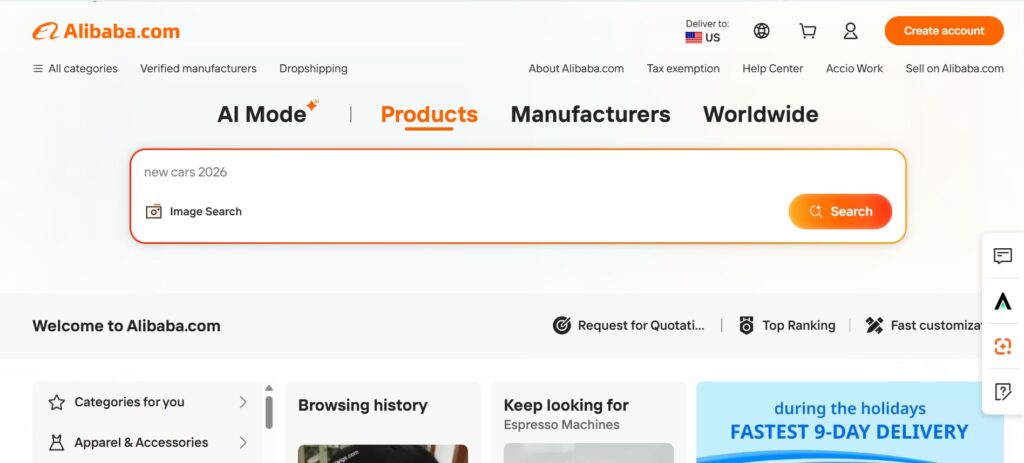
Best for: Businesses sourcing factory-direct products, custom manufacturing, and private-label inventory.
Alibaba is one of the largest international B2B marketplaces, connecting businesses with manufacturers and trading companies across numerous product categories.
It’s often our suggested starting point for businesses new to importing because suppliers are accustomed to international inquiries, export documentation, and custom production requests.
Its Trade Assurance program provides order-level payment protection for eligible transactions. However, buyers must ensure their agreed specifications, deadlines, and payment arrangements are properly documented.
- MOQ: Set by individual suppliers; ready-to-ship products may start at one unit, while custom orders often require hundreds.
- Fees: Free buyer registration; payment-processing fees may apply.
- Cons: Supplier quality varies, and verified badges don’t necessarily mean you’re dealing directly with a factory.
- Reviews: Approximately 3.5/5 on Trustpilot, based on around 30,000 reviews in the supplied research.
Our take: Alibaba is a practical choice for international sourcing, particularly when buyer protection matters. We would still verify suppliers, request samples, and agree on inspection requirements before placing large orders.
Our guide on questions to ask Alibaba suppliers can help you screen potential manufacturers.
3. Made-in-China
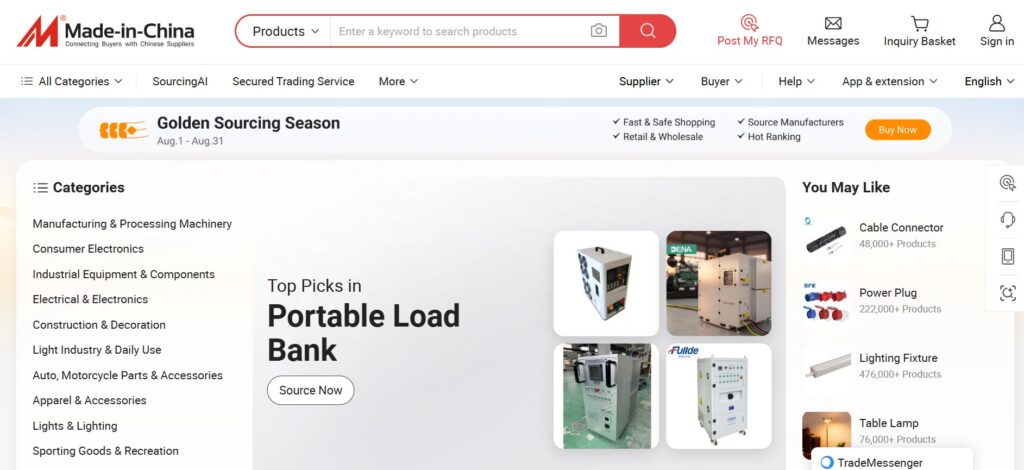
Best for: Importers sourcing industrial equipment, machinery, manufacturing components, and custom-made products.
Made-in-China is a Chinese B2B sourcing platform that connects overseas buyers with manufacturers and exporters.
Although its catalog includes consumer goods, we find its industrial focus particularly useful for businesses sourcing machinery, equipment, and specialized manufacturing products.
One feature worth examining is its Audited Supplier program, which provides inspection reports prepared by third-party organizations such as SGS, TÜV, and Bureau Veritas.
These reports can help with initial supplier screening, although they shouldn’t replace product testing or order-specific quality inspections.
- MOQ: Determined by individual suppliers and manufacturing requirements.
- Fees: Free for buyers; suppliers pay for premium memberships and promotional services.
- Cons: Buyer protection operates through its own Secured Trading Service, and reported refund-enforcement issues warrant caution.
- Reviews: Approximately 3.9/5 on Trustpilot, with around 1,250 reviews in the supplied research.
Our take: Made-in-China deserves consideration when technical specifications and manufacturing capabilities matter more than finding consumer trends. Request inspection reports and confirm exactly what the supplier can manufacture before making a deposit.
4. Global Sources
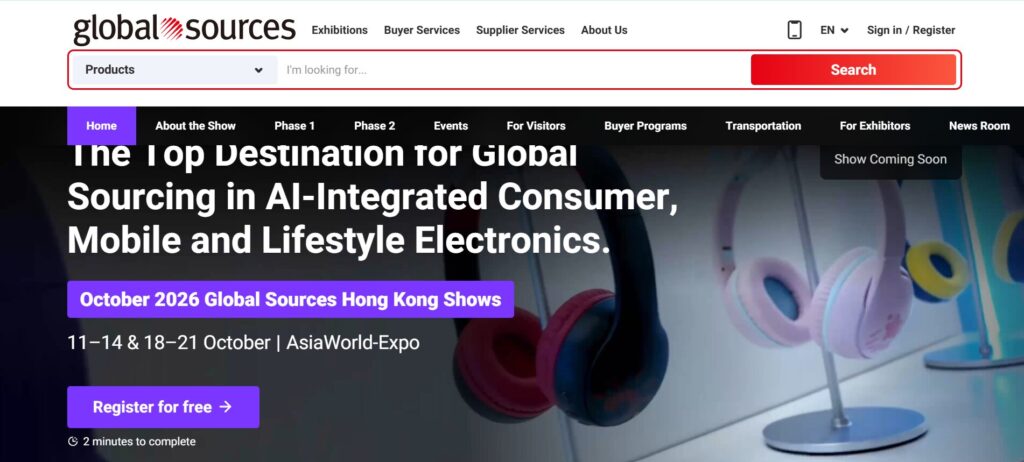
Best for: Established importers seeking Asian manufacturers and opportunities to meet suppliers at trade shows.
Global Sources combines an international B2B supplier directory with trade shows, particularly in Hong Kong.
Its strongest advantage is the ability to identify suppliers online and potentially meet them face-to-face before committing to a commercial relationship.
For importers planning recurring orders, factory visits and trade-show meetings can make it easier to discuss production capabilities, quality requirements, and long-term pricing.
The platform is especially relevant for electronics, consumer products, accessories, and other export-oriented categories.
- MOQ: Supplier-dependent, with many listings intended for bulk commercial purchasing.
- Fees: Free for buyers; supplier memberships and promotional listings are paid services.
- Cons: Some third-party complaints describe suspicious supplier inquiries and requests to move conversations off-platform. Buyer protection should be confirmed before payment.
- Reviews: The supplied research identifies predominantly negative Trustpilot feedback but does not establish a reliable aggregate score and review count.
Our take: Global Sources is worth comparing with Alibaba when supplier relationships and manufacturing credibility are priorities. We suggest using its directory for discovery, then verifying each manufacturer’s registration, capabilities, and payment arrangements independently.
For a closer comparison, read Global Sources vs Alibaba.
5. DHgate
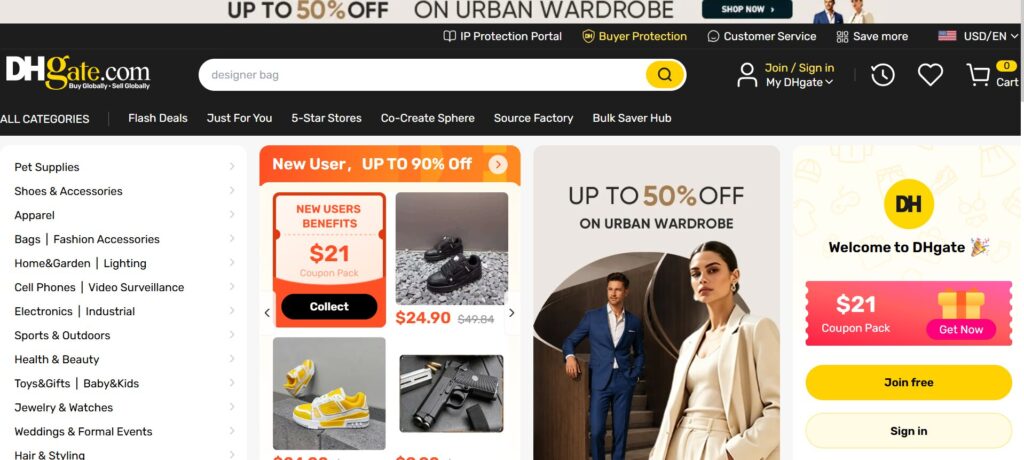
Best for: Small resellers testing products in low quantities before committing to larger wholesale orders.
DHgate is a Chinese cross-border marketplace connecting international buyers with sellers offering products across electronics, clothing, accessories, home goods, and other categories.
Its main appeal is accessibility. Many sellers offer single-unit purchases or small batches, making it easier to test products without investing heavily in inventory.
However, we’d approach DHgate more cautiously than platforms designed around direct manufacturer relationships.
Its third-party reputation raises concerns about product authenticity, seller reliability, and dispute resolution.
- MOQ: Low, with single-unit purchasing available on many listings.
- Fees: Free buyer registration; sellers generally cover marketplace commissions.
- Cons: Significant complaints about counterfeit goods, refunds, and dispute handling. Avoid branded products without verified authorization.
- Reviews: Trustpilot 1.6/5, based on more than 34,000 reviews in the supplied October 2026 research.
Our take: DHgate may be useful for inexpensive product testing, but we wouldn’t make it our first choice for substantial inventory investments. Start with small orders, inspect everything received, and calculate your full landed cost before reordering.
6. Banggood
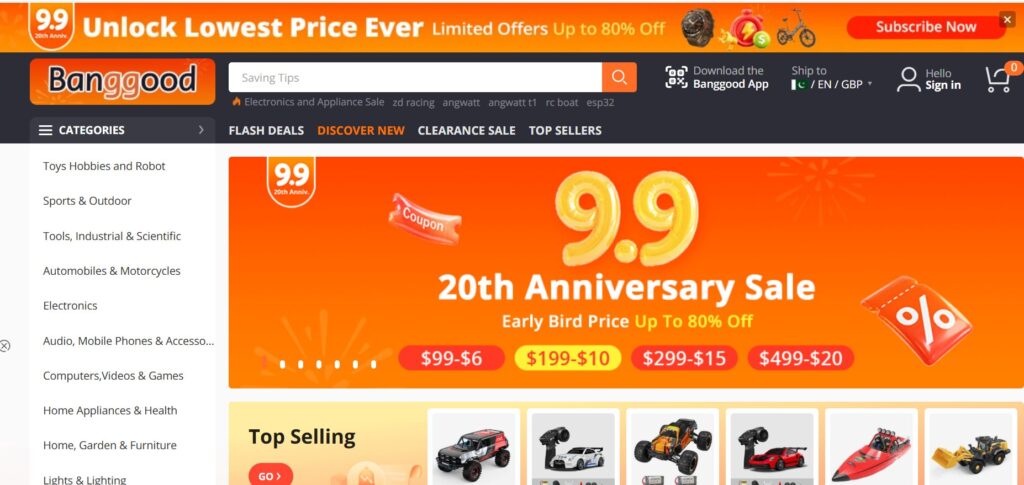
Best for: Ecommerce sellers sourcing electronics, gadgets, hobby products, and items for dropshipping.
Banggood operates primarily as an online retailer and wholesaler, with a product catalog focused on electronics, tools, toys, and consumer accessories.
Unlike Alibaba, where you’re negotiating with independent suppliers, Banggood offers a more centralized purchasing experience.
It also operates a dropshipping program and maintains warehouses in multiple markets, which can offer shorter delivery routes for products stocked near your customers.
However, international shipping availability and delivery times still depend on the individual item and warehouse.
- MOQ: No minimum on many products; larger quantities may unlock better pricing.
- Fees: No standard membership fee for its dropshipping program; product discounts vary.
- Cons: Less supplier flexibility than B2B marketplaces. Customer experiences with refunds and warranties differ across regional storefronts.
- Reviews: Main-site Trustpilot rating approximately 4.3/5 with 61,000+ reviews; some regional storefronts score considerably lower.
Our take: Banggood is worth testing if you sell gadgets or hobby products and want to avoid holding inventory initially. Before listing an item, confirm its actual shipping warehouse, delivery estimate, and return conditions.
For sellers specializing in toys, we’ve also covered wholesale toy manufacturers in China.
7. Sunsky
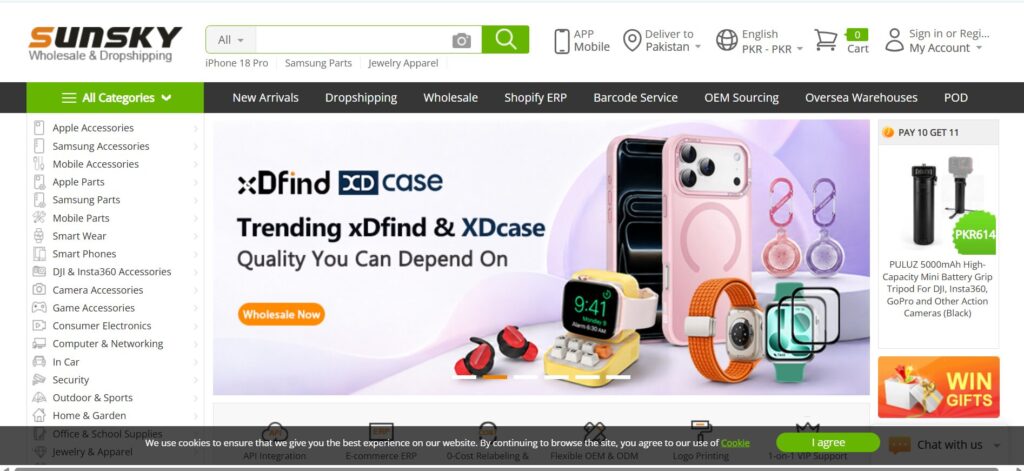
Best for: Retailers sourcing smartphone accessories, electronics, and related products in relatively small quantities.
Sunsky is a Shenzhen-based wholesale distributor specializing in consumer electronics, mobile accessories, replacement parts, and related merchandise.
Its specialized catalog makes it easier to source multiple electronics accessories from one distributor instead of contacting several manufacturers individually.
This can be convenient for online stores selling phone cases, chargers, cables, and similar products.
However, electronics require closer attention to product specifications, compatibility, and applicable safety requirements.
- MOQ: Often around 5–10 units for certain electronics, although requirements vary by product.
- Fees: No standard membership fee; quantity-based pricing and dropshipping options are available.
- Cons: No marketplace-wide payment protection comparable to Alibaba Trade Assurance. Product quality and warranty handling can vary.
- Reviews: No reliable independent platform-wide review score established in the supplied research.
Our take: Sunsky is a reasonable option for testing electronics accessories, particularly when you’re buying several related products. We’d confirm technical specifications and test samples before ordering larger quantities.
8. Shewin
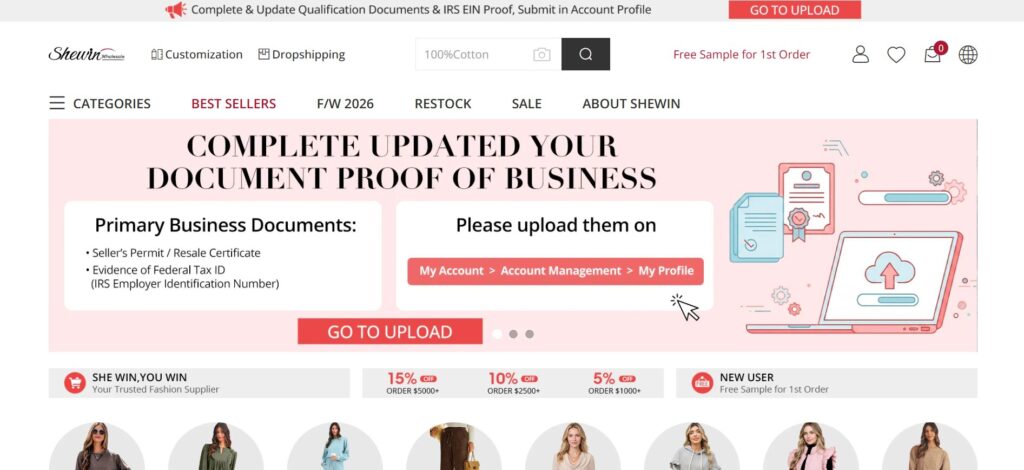
Best for: Boutique owners and online fashion retailers sourcing women’s clothing with low minimum orders.
Shewin specializes in wholesale women’s apparel, including dresses, tops, outerwear, and other boutique fashion products.
Its low order minimums make it accessible to smaller retailers that aren’t ready to purchase full-size production runs.
Shewin also offers dropshipping support, including a Shopify integration, which can be useful for testing clothing styles before committing to stocked inventory.
The main consideration is consistency. Apparel sourcing, sizing, fabric composition, and product photography can all affect customer satisfaction and return rates.
- MOQ: From two pieces on certain wholesale products; no inventory minimum for supported dropshipping orders.
- Fees: No standard membership fee; product pricing varies by quantity.
- Cons: Customer reports mention sizing differences, shipping delays, and return difficulties.
- Reviews: Approximately 4.8–4.9/5 on Trustpilot with 600+ reviews, compared with 3.4/5 on Sitejabber in the supplied research.
Our take: Shewin is worth considering for small fashion boutiques, especially if you want to test products without large inventory commitments. Order samples in multiple sizes and check fabric quality before building an entire collection around a supplier.
You can also compare alternatives in our guide to wholesale clothing vendors for boutiques.
9. Wholesale7
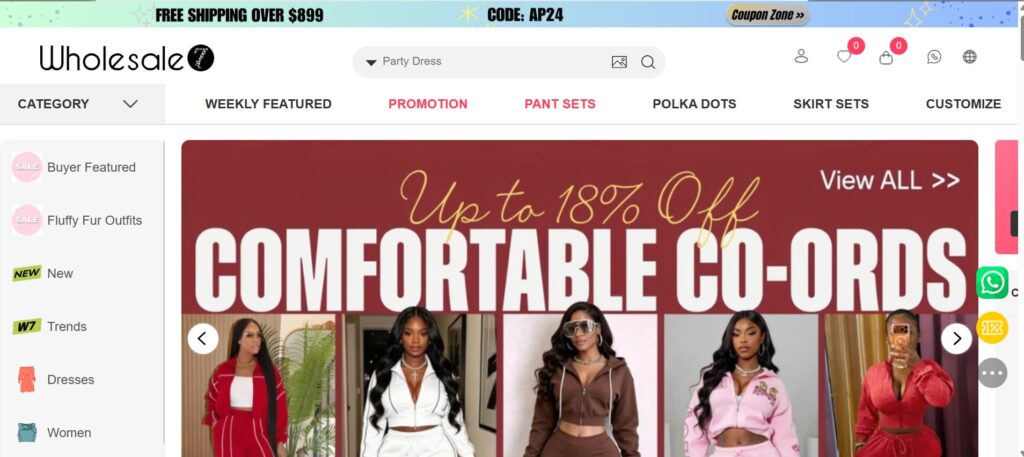
Best for: Small fashion resellers seeking low-MOQ clothing, accessories, and dropshipping services.
Wholesale7 is a China-based fashion wholesaler offering women’s clothing, men’s apparel, accessories, and other fashion products.
Its low minimum orders make it accessible to sellers who want to test a variety of styles without purchasing large quantities of each item.
Dropshipping support is another advantage for smaller ecommerce businesses, although international delivery times should be considered when setting customer expectations.
For fashion businesses, we’d pay particular attention to how actual garments compare with listing photographs.
- MOQ: As low as 1–2 units on some products; individual clothing styles may require larger quantities.
- Fees: No standard membership fee; dropshipping services are available without a separate membership charge.
- Cons: Reports of inconsistent product quality, delivery delays, and customer-service issues. Orders ship from China rather than overseas warehouses.
- Reviews: Approximately 4.5/5 on Trustpilot, based on 226 reviews in the supplied October 2026 research.
Our take: Wholesale7 makes sense for testing affordable fashion products in small quantities. We’d start with a limited selection, check stitching and sizing consistency, and factor shipping times into your resale strategy.
Best Wholesale Websites in the USA
US wholesale websites are worth considering if you want domestic inventory, shorter delivery times, and fewer complications with international shipping and customs.
The trade-off is usually pricing. Domestic wholesalers often have higher unit costs than Chinese manufacturers, but savings on freight, customs clearance, and inventory storage can make them competitive, particularly for smaller orders.
We’ve selected 10 US wholesale websites covering general merchandise, fashion, accessories, and specialized products.
10. Faire
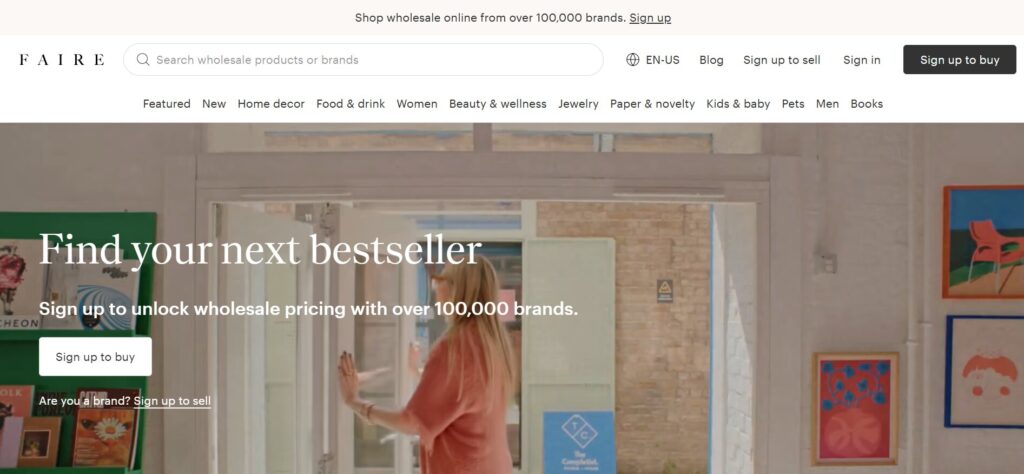
Best for: Independent retailers and boutiques looking for established brands, flexible payment terms, and low-risk inventory purchases.
Faire is a wholesale marketplace connecting independent retailers with brands selling clothing, home decor, jewelry, gifts, and other consumer products.
What we particularly like about Faire is how it reduces the financial pressure of testing new inventory. Eligible retailers can access Net-60 payment terms, while qualifying opening orders from new brands can be returned for free.
- MOQ: Set by individual brands; many accommodate smaller retail orders.
- Fees: Free for retailers to join; brands pay marketplace commissions.
- Cons: Primarily finished branded merchandise, with limited options for custom manufacturing or private labeling. Wholesale prices include brand margins.
- Reviews (Oct 2026): Trustpilot approximately 4.6/5, with 7,400+ reviews in the supplied research.
Our take: Faire is one of our preferred starting points for independent boutiques. However, businesses developing their own products will generally find more manufacturing flexibility on Alibaba or Made-in-China.
11. Wholesale Central
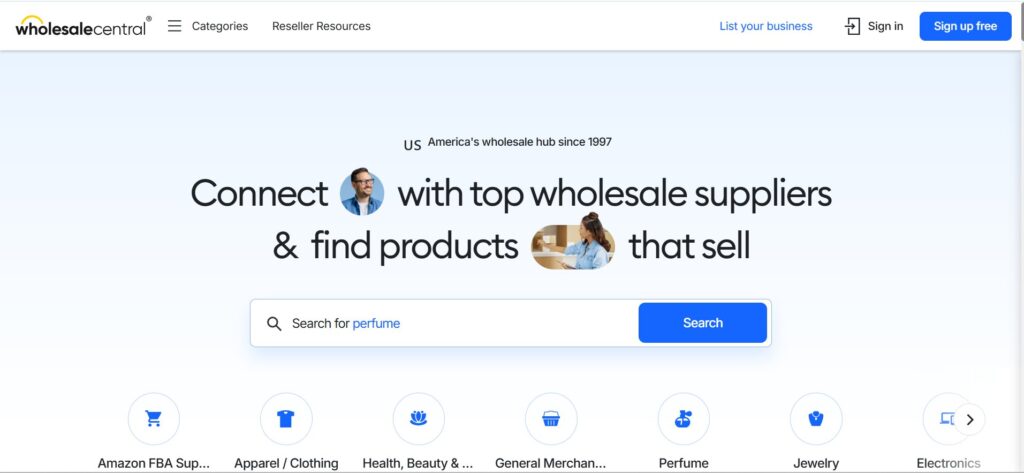
Best for: Small US retailers looking for wholesale suppliers without paying directory or membership fees.
Wholesale Central is a US-based B2B supplier directory that has operated online since 1996.
It connects retailers with wholesalers, manufacturers, importers, and distributors across categories including apparel, electronics, gifts, and general merchandise.
Unlike a typical marketplace, Wholesale Central doesn’t process your orders. You’ll contact suppliers directly to negotiate pricing, minimum quantities, and fulfillment arrangements.
We see this as both its advantage and its main limitation: you can explore suppliers freely, but supplier screening and payment arrangements remain your responsibility.
- MOQ: Determined by individual suppliers.
- Fees: Free for buyers; suppliers pay for listings and promotional services.
- Cons: No centralized payment protection, and some listings may be outdated or unreliable. Supplier verification remains essential.
- Reviews (Oct 2026): Trustpilot 3.9/5, based on just 23 reviews.
Our take: Wholesale Central is a useful starting point for domestic supplier discovery, especially for retailers avoiding subscription costs. We’d independently verify each supplier before making payments.
For additional directories, see our guide to online supplier directories.
12. DollarDays
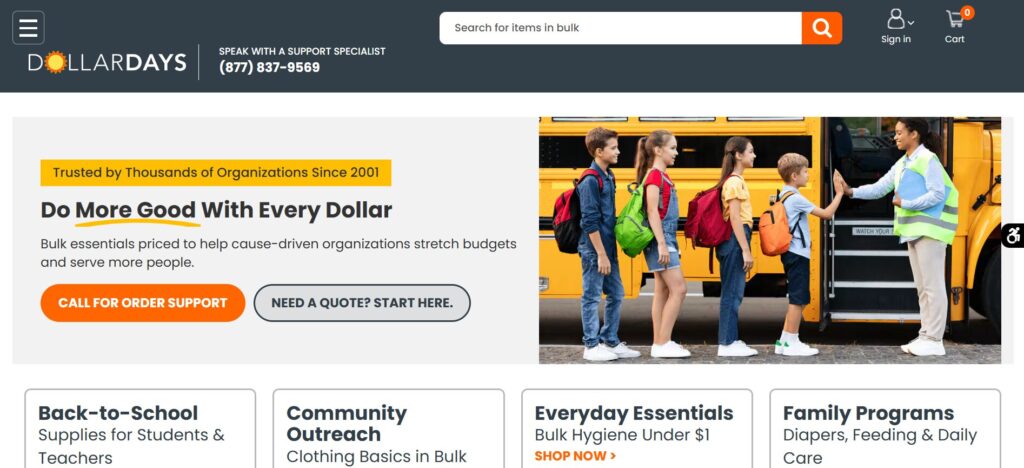
Best for: Small businesses, nonprofits, schools, and retailers purchasing everyday products in bulk case packs.
DollarDays is an Arizona-based wholesaler offering products such as personal care items, school supplies, clothing, blankets, and household essentials.
Its purchasing model is particularly accessible to organizations that need wholesale quantities without committing to pallets of inventory.
- MOQ: Case-pack quantities; no overall minimum order value.
- Fees: Free account; no paid membership required.
- Cons: Limited premium-brand selection, fixed case quantities, and no active dropshipping program.
- Reviews (Oct 2026): Trustpilot 4.5/5 (17 reviews); BBB A+ with no complaints reported over the preceding three years in the supplied research.
Our take: DollarDays is worth considering for everyday essentials and bulk purchasing on a limited budget. Just compare the cost per usable unit, particularly when case sizes exceed your immediate requirements.
13. BuckWholesale
Best for: Retailers and apparel businesses sourcing blank hats without minimum order requirements.
BuckWholesale is a Georgia-based headwear wholesaler offering baseball caps, trucker hats, beanies, and other styles.
Its catalog includes blank headwear and customization options, making it relevant to fashion retailers, promotional merchandise businesses, and embroidery shops.
The biggest advantage is flexibility. Unlike suppliers requiring full cartons or hundreds of units, BuckWholesale lets buyers purchase smaller quantities.
This makes it particularly useful for testing new hat designs or supplying smaller custom-merchandise orders.
- MOQ: No minimum order quantity.
- Fees: No membership fee; free shipping on qualifying orders above $250.
- Cons: Primarily limited to headwear. Small orders may carry proportionally higher shipping costs, and no dedicated dropshipping program is advertised.
- Reviews (Oct 2026): Trustpilot approximately 4.8/5, with around 2,000 reviews; BBB A+ accreditation.
Our take: We’d consider BuckWholesale for small-scale headwear resale or customization. However, businesses developing fully custom cap designs should also compare factory-direct manufacturing costs once order volumes increase.
14. Pinktown USA
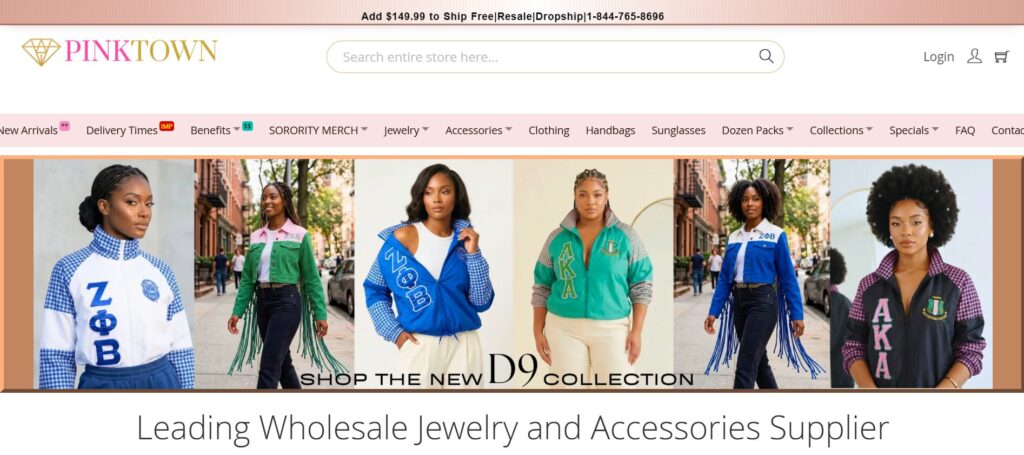
Best for: Fashion jewelry and accessories retailers wanting domestic fulfillment and dropshipping support.
Pinktown USA is a US-based fashion accessories wholesaler offering jewelry, handbags, belts, hair accessories, and related products.
Its catalog makes it particularly relevant to boutiques and online sellers looking to introduce new accessory collections without manufacturing their own designs.
Pinktown also offers dropshipping integrations for Shopify and WooCommerce, allowing eligible sellers to fulfill customer orders without holding inventory.
That flexibility can help test demand before purchasing larger quantities at wholesale prices.
- MOQ: Low product-level minimums; wholesale registration and resale verification may be required.
- Fees: No membership fee; shipping promotions and volume discounts are available.
- Cons: Primarily focused on fashion accessories, with limited international fulfillment. Independent review volume is relatively small.
- Reviews (Oct 2026): Trustpilot 4.5/5 (35 reviews); BBB A+ in the supplied research.
Our take: Pinktown USA is worth exploring for fashion accessories, especially when domestic delivery matters. For branded or custom jewelry, we’d compare manufacturing options before committing to standard wholesale inventory.
Our guide to buying wholesale jewelry for resale covers additional sourcing considerations.
15. Wholesale Body Oils
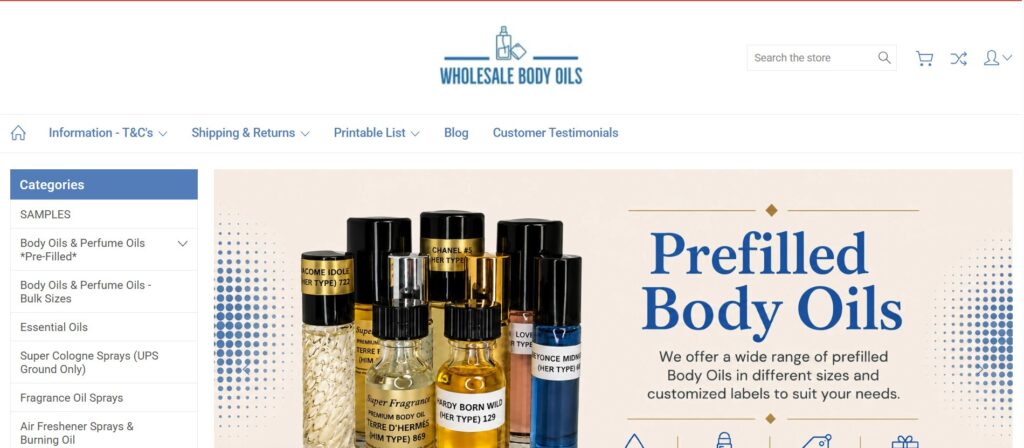
Best for: Fragrance retailers seeking perfume oils, body oils, and related products without minimum order quantities.
Wholesale Body Oils is a Florida-based supplier specializing in fragrance products, including body oils, perfume oils, sprays, and bath products.
Its catalog includes hundreds of fragrance options, making it attractive to retailers focused on perfumes and personal care.
One advantage is the lack of a minimum purchase requirement. Retailers can test different fragrances in smaller quantities before committing to larger orders.
However, we’d pay particular attention to product labeling, ingredient information, and applicable cosmetic regulations before selling fragrance products under your own brand.
- MOQ: No minimum order quantity.
- Fees: No membership fee; quantity-based pricing is available.
- Cons: Limited to fragrance and related products, with longer processing times possible during busy periods. No dedicated dropshipping program is advertised.
- Reviews (Oct 2026): Trustpilot approximately 4.6/5, with roughly 220–310 reviews reported across the supplied 2026 research.
Our take: Wholesale Body Oils makes sense for testing a fragrance business with limited inventory investment. We’d start with a small assortment and evaluate scent consistency, packaging, and customer demand before scaling.
16. Cap Wholesalers
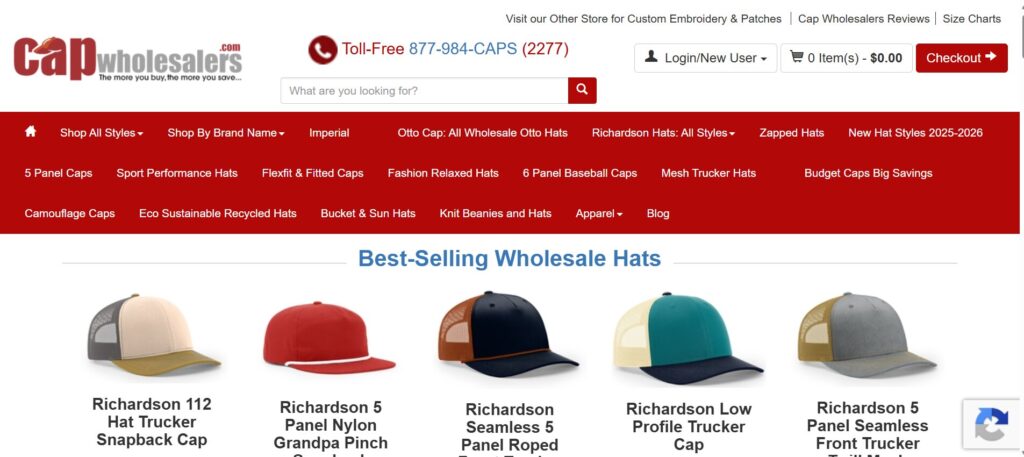
Best for: Businesses sourcing branded blank caps for resale, embroidery, and promotional merchandise.
Cap Wholesalers is a Florida-based headwear distributor offering brands such as Richardson, Flexfit, Otto, Yupoong, and Outdoor Cap.
Its appeal lies in access to recognizable headwear brands rather than an extensive general-merchandise catalog.
This can be useful for businesses providing embroidered caps, uniforms, or branded promotional merchandise.
However, its customer reviews warrant attention, particularly if you’re sourcing products for orders with strict fulfillment deadlines.
- MOQ: 12 hats.
- Fees: No membership fee; volume-based pricing tiers are available.
- Cons: Complaints about stock availability, delayed fulfillment, and communication. Shipping promotions vary by brand.
- Reviews (Oct 2026): Trustpilot 2.6/5, based on only four reviews, with the latest cited review from March 2025.
Our take: Cap Wholesalers may be worth comparing for specific cap brands, but we’d verify stock availability and fulfillment dates before paying. The negative review sample is small, so it signals a reason for caution rather than conclusive evidence of consistent problems.
17. Michelle & Scott’s Wholesale Imports
Best for: Small US retailers sourcing general merchandise with a low minimum purchase requirement.
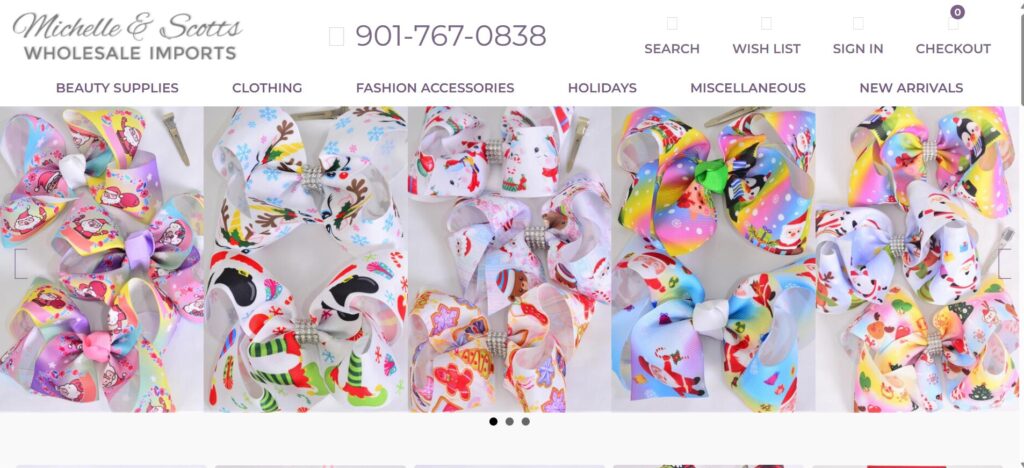
Michelle & Scott’s Wholesale Imports is a Memphis-based importer offering beauty supplies, clothing, fashion accessories, seasonal products, and other merchandise.
Unlike many wholesale distributors, it has a relatively accessible minimum purchase requirement of $75 per order.
This can be convenient for small retailers wanting to test several categories without investing heavily in inventory.
The company also operates a physical warehouse store in Memphis. However, its limited independent review footprint makes supplier verification especially important.
- MOQ: $75 minimum purchase per order.
- Fees: No membership fee; registration is required to access wholesale pricing.
- Cons: Limited third-party customer reviews, a dated website experience, and no advertised dropshipping program.
- Reviews (Oct 2026): No meaningful independent Trustpilot or BBB review profile identified in the supplied research.
Our take: Michelle & Scott’s could be useful for small general-merchandise orders, particularly for businesses near Memphis. We’d start with a modest order and confirm stock availability, shipping charges, and return conditions beforehand.
18. Sunrise Wholesale
Best for: Ecommerce sellers seeking a US-based dropshipping catalog with marketplace and store integrations.
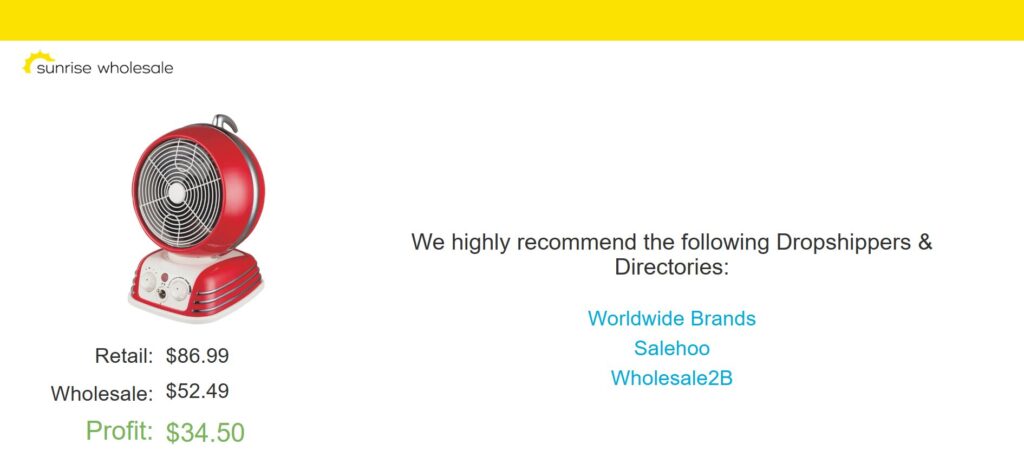
Sunrise Wholesale is a US-based dropshipping supplier offering general merchandise for online resellers.
Its services are designed around sellers using platforms such as Shopify, eBay, Amazon, and BigCommerce.
Rather than purchasing inventory upfront, subscribers can list products and arrange fulfillment as customers place orders.
The convenience comes with recurring membership costs and potential inventory-management risks. If a listed item goes out of stock unexpectedly, the retailer still has to manage the customer experience.
- MOQ: None; single-unit dropshipping is supported.
- Fees: The supplied research lists membership options of approximately 29.95-49/month or $99/year; confirm current pricing before subscribing.
- Cons: Complaints about stock inaccuracies, cancellation difficulties, continued billing, and narrow profit margins. Return restocking fees may apply.
- Reviews (Oct 2026): Trustpilot 2.7/5, based on 15 reviews.
Our take: We’d approach Sunrise Wholesale cautiously. Before committing to a paid plan, test product availability, integration reliability, shipping costs, and the margin remaining after marketplace fees.
For a broader comparison of these business models, read our guide to dropshipping vs wholesale.
19. Worldwide Brands
Best for: Amazon, eBay, and independent ecommerce sellers looking for wholesale and dropshipping suppliers through a paid directory.
Worldwide Brands is a US-based supplier directory that has operated since 1999.
It provides access to listings of wholesalers, distributors, and dropshipping suppliers across a broad range of consumer product categories.
Unlike monthly subscription directories, Worldwide Brands uses a lifetime-access model.
That can appeal to sellers planning to conduct supplier research over several years, although the upfront fee is substantial compared with some alternatives.
It’s also important to understand that membership gives you access to supplier information. It doesn’t include product fulfillment or guarantee supplier performance.
- MOQ: Set by individual suppliers; some dropshipping listings accommodate single-unit orders.
- Fees: Approximately $299 for lifetime access, according to the supplied research.
- Cons: Complaints about outdated listings, an aging interface, and limited supplier depth in some niches. No standard trial period.
- Reviews (Oct 2026): Trustpilot 4.1/5, based on 349 reviews; BBB A+.
Our take: Worldwide Brands may make sense if you’re committed to researching US wholesale suppliers over the long term. For beginners, we’d compare its lifetime fee with SaleHoo and free directories such as Wholesale Central before purchasing access.
Best Wholesale Websites in Other Regions
Not every good wholesale website is based in China or the US. Depending on what you’re sourcing, other regions can make more sense.
We usually look outside China and the US for six main reasons: access to local brands, faster regional shipping, lower import friction, category specialization, China+1 sourcing strategies, or better fit for niche products.
Here are the best wholesale websites in other regions worth considering.
20. IndiaMART
Best for: Businesses pursuing India sourcing, especially for textiles, handicrafts, industrial products, and China+1 sourcing diversification.
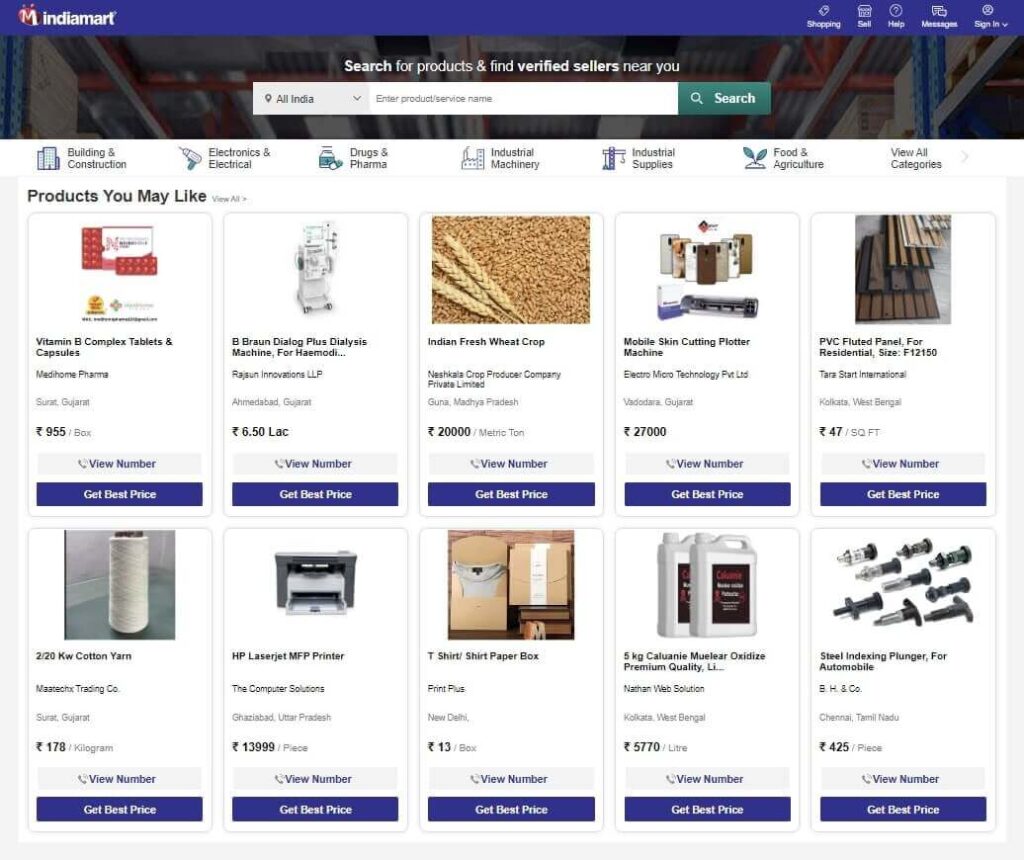
IndiaMART is India’s largest B2B marketplace and one of the main platforms buyers use when they want alternatives to China.
It covers a huge range of categories, from apparel and packaging to machinery and raw materials. For buyers trying to diversify supply chains, IndiaMART is often the first place to start.
That said, we would treat it as a lead-generation platform rather than a low-risk transaction platform. Supplier quality varies heavily, and screening matters much more here than on platforms with stronger buyer protection.
- MOQ: Supplier-set.
- Fees: Free for buyers; suppliers pay to promote listings.
- Cons: No meaningful escrow-style protection, frequent complaints about trading companies posing as factories, and a weak review profile.
- Reviews (Oct 2026): Trustpilot roughly 1.7–1.8/5; Sitejabber around 1.6/5 in the supplied research.
Our take: IndiaMART is useful for supplier discovery, but we would not wire money to a new supplier without verification, samples, and ideally third-party inspection support.
21. SaleHoo
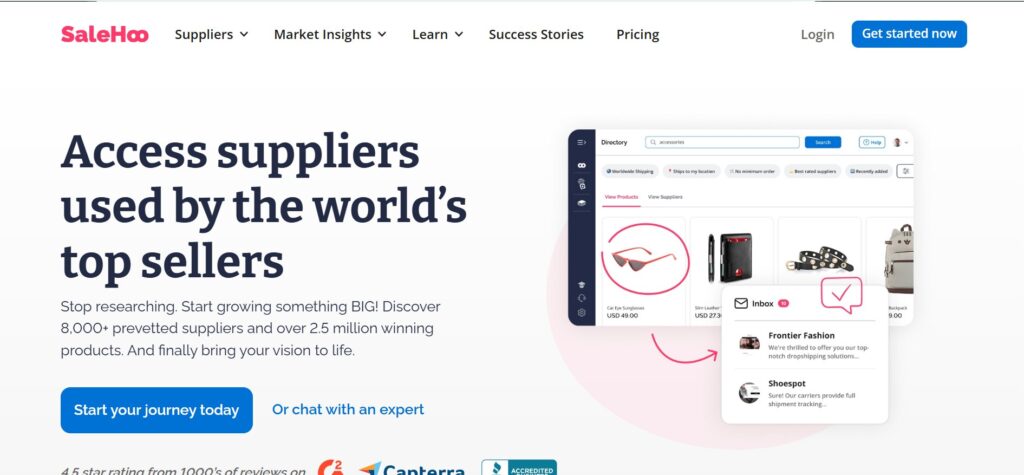
Best for: Beginners looking for a vetted supplier directory and a simpler way to find dropshipping or wholesale suppliers.
SaleHoo is a New Zealand-based supplier directory rather than a wholesale marketplace.
That’s an important distinction. You don’t buy products directly from SaleHoo. Instead, you use it to find pre-vetted suppliers and then contact or work with them separately.
For newer sellers, that curation can save time. But it doesn’t remove the need to evaluate product fit, margins, and supplier responsiveness yourself.
- MOQ: Supplier-dependent.
- Fees: Directory access is around $67/year or $127 lifetime in the supplied research; other tools and plans may cost extra.
- Cons: It’s a directory, not a fulfillment platform. Some sellers may find the supplier pool too broad or generic for niche sourcing.
- Reviews (Oct 2026): Trustpilot around 4.2–4.3/5; BBB A+ in the supplied research.
Our take: SaleHoo is one of the better paid directories for beginners, but we’d still compare it with free directories and category-specific supplier searches before paying.
22. MX Wholesale
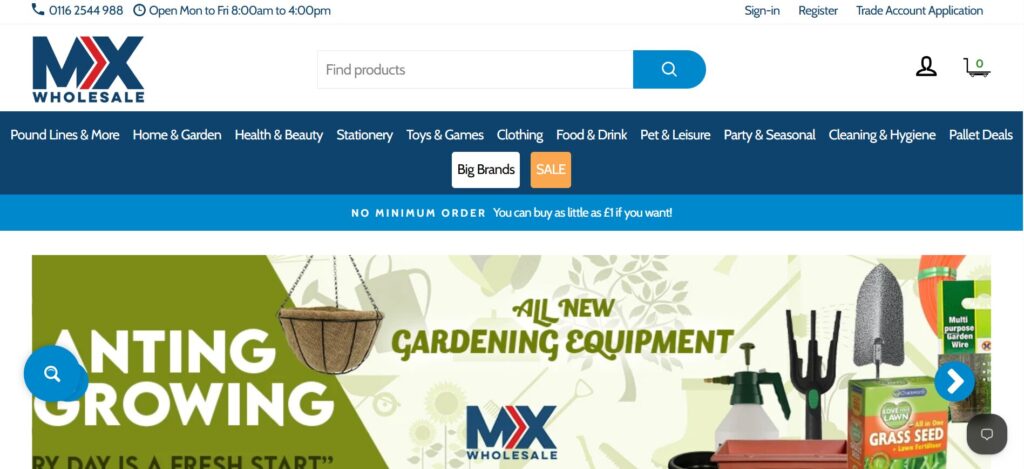
Best for: UK retailers and discount sellers wanting general merchandise with no minimum order.
MX Wholesale is a UK-based wholesaler supplying general merchandise, discount goods, household products, toys, and seasonal inventory.
What stands out is its no-minimum ordering policy on most products. That makes it accessible for smaller retailers who want to test inventory without locking up too much cash.
For UK-based businesses, the local warehousing and delivery model is a practical advantage over importing low-ticket goods from overseas.
- MOQ: No minimum on most items.
- Fees: No membership fee.
- Cons: Mainly useful for UK buyers, mixed customer-service feedback, and not ideal if you’re looking for custom manufacturing or premium branded goods.
- Reviews (Oct 2026): Trustpilot around 3.5/5 with 232 reviews in the supplied research.
Our take: MX Wholesale is a sensible option for UK discount retail and general merchandise, especially when fast domestic fulfillment matters more than the absolute lowest unit cost.
23. Takaski
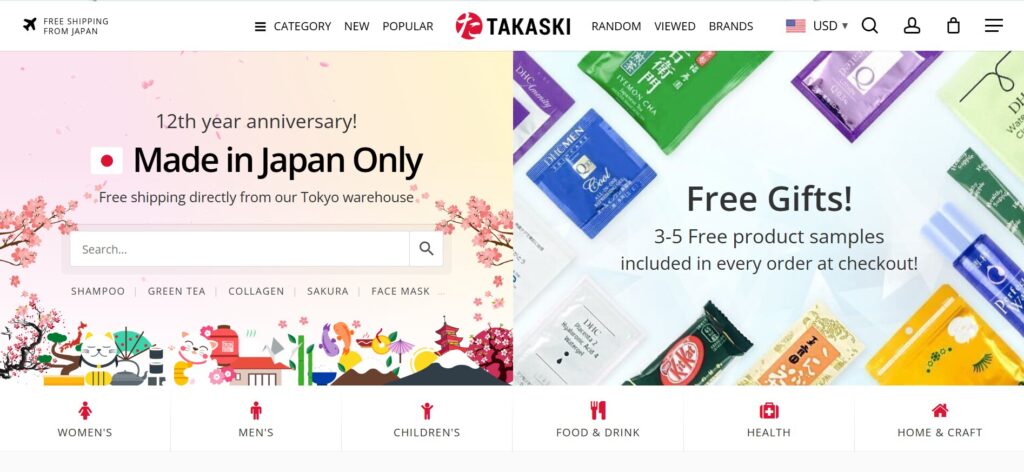
Best for: Retailers looking for Japanese food, snacks, matcha, and specialty consumer products.
Takaski is a Japan-based supplier focused on authentic Japanese products, including snacks, tea, pantry items, and select lifestyle goods.
This is not a broad wholesale marketplace in the Alibaba sense. It’s more of a specialized supplier for retailers who want access to Japanese products without building direct factory relationships.
That specialization is its strength. If you’re targeting Japanese grocery, gift, or specialty retail, focused suppliers can be more useful than giant marketplaces.
- MOQ: Quote-based for wholesale; requirements vary by product and order size.
- Fees: No standard membership fee mentioned in the supplied research.
- Cons: Smaller review sample, narrower product scope, and higher pricing than mass-market wholesale platforms.
- Reviews (Oct 2026): Trustpilot around 4.6/5, but based on a small sample of 17 reviews.
Our take: Takaski is worth considering if authentic Japanese products are central to your product mix. We’d mainly use it for specialty retail rather than broad wholesale sourcing.
24. Style Korean
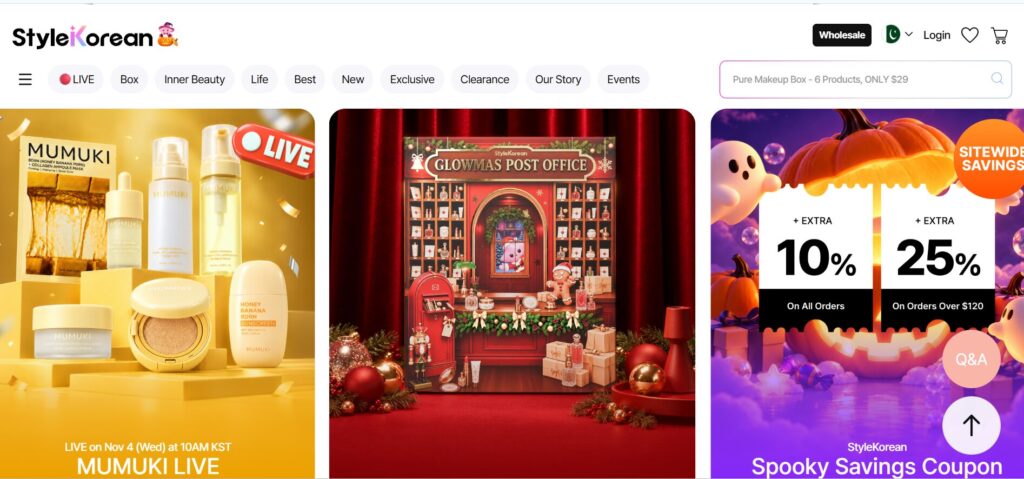
Best for: Beauty retailers looking for wholesale access to established K-beauty brands.
Style Korean is the wholesale arm of a Korean beauty distributor serving international retailers.
Its biggest appeal is brand access. If your store depends on recognizable K-beauty products rather than generic white-label cosmetics, this kind of curated distributor can be more relevant than a broad marketplace.
However, the entry barrier is higher than many small sellers expect. The wholesale model is application-based, rep-driven, and better suited to businesses that already understand the beauty category.
- MOQ: $1,000 minimum order amount per purchase order in the supplied research.
- Fees: No membership fee; shipping and order terms depend on the wholesale arrangement.
- Cons: Higher minimum order value, no dropshipping, and a weak wholesale review profile.
- Reviews (Oct 2026): Trustpilot 2.2/5 for the wholesale portal, based on 9 reviews in the supplied research.
Our take: Style Korean can make sense for established beauty retailers, but we would not recommend it to micro-sellers or first-time buyers testing the category.
25. Solo-Solis
Best for: Retailers wanting a specialist sunglasses wholesaler with low MOQs and private-label options.
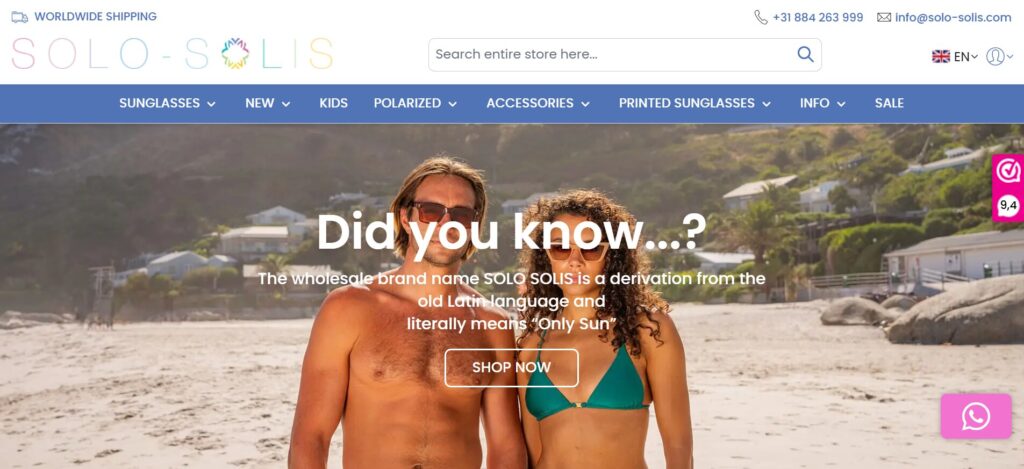
Solo-Solis is a Netherlands-based sunglasses wholesaler focused on fashion eyewear, acetate frames, and recycled-material sunglasses.
We prefer placing it in the Other Regions section because that’s the accurate geographic fit. More importantly, it serves a very different role from general wholesale marketplaces.
If you’re sourcing sunglasses specifically, specialist wholesalers are often easier to work with than broad B2B platforms because the assortment is more focused, the catalog is easier to compare, and branding options are clearer.
- MOQ: 25 pieces for standard wholesale orders; custom logo printing starts at 100 pieces total, with model-level minimums.
- Fees: No membership fee.
- Cons: Sunglasses-only catalog, no general-merchandise range, and no dedicated consumer dropshipping program.
- Reviews (Oct 2026): ValuedShops 4.7/5, with around 608 reviews in the supplied research.
Our take: Solo-Solis is a good fit if sunglasses are a meaningful part of your catalog and you want a focused supplier rather than a massive marketplace. For fully custom eyewear manufacturing, we’d still compare dedicated factory options as well.
Types of Wholesale Websites
Wholesale websites generally fall into five categories: B2B marketplaces, supplier directories, direct wholesalers, membership retail clubs, and sourcing agents.
Understanding these differences matters because each model handles supplier verification, payments, inventory, and fulfillment differently. Choosing the wrong type can leave you paying extra fees or managing sourcing tasks you didn’t anticipate.
Here’s how they compare:
| Type | Examples | How it works | Main limitation |
| B2B marketplaces | Alibaba, Made-in-China, DHgate, IndiaMART | Connect buyers with multiple manufacturers and suppliers | Supplier reliability and buyer protection vary |
| Supplier directories | Wholesale Central, SaleHoo, Worldwide Brands, Thomasnet | Help you discover suppliers and contact them directly | Usually don’t process orders or protect payments |
| Direct wholesalers | BuckWholesale, DollarDays, Shewin | Sell products from their own or managed inventory | Often specialize in limited categories |
| Membership retail clubs | Costco, Sam’s Club | Sell bulk-packaged merchandise to members | Retail-oriented pricing can limit resale margins |
| Sourcing agents | NicheSources | Help find suppliers, negotiate, inspect, and coordinate shipping | Service fees increase sourcing costs |
Is Costco a Wholesale Website?
Costco is primarily a membership warehouse retailer, although businesses can purchase merchandise for resale through its Business membership program.
The distinction matters because Costco’s pricing isn’t necessarily equivalent to factory-direct or distributor pricing. Products typically include a retail markup, and potential resale margins can be limited.
Costco Business membership costs approximately $65 annually in the supplied research, with resale documentation requirements for qualifying tax-exempt purchases.
We’d consider Costco for occasional small-business inventory purchases, particularly when immediate availability matters. However, businesses planning regular resale operations will generally benefit from comparing dedicated wholesale distributors.
What About Thomasnet?
Thomasnet is a US supplier discovery platform specializing in industrial manufacturers, distributors, and service providers.
Its directory includes more than 500,000 North American suppliers, making it particularly useful for finding custom manufacturers, machinery components, industrial materials, and maintenance supplies.
We haven’t included Thomasnet among the main 25 wholesale websites because its focus is industrial sourcing rather than finished consumer products for resale.
However, if you’re sourcing custom components or looking for manufacturers in North America, it’s worth considering. Buyers can search suppliers and submit requests for quotations without paying directory membership fees.
Where Does a Sourcing Agent Fit?
Marketplaces and directories make suppliers easier to find, but much of the sourcing process remains your responsibility.
For example, finding three factories offering the same product doesn’t tell you which one can consistently meet your specifications. You’ll still need to compare samples, verify production capabilities, negotiate terms, arrange inspections, and coordinate shipping.
A sourcing agent can manage these tasks on your behalf, typically charging a percentage of the order value or a separate service fee.
NicheSources
Best for: Ecommerce brands, retailers, and importers that want assistance sourcing and importing products from China.
NicheSources is our China-based sourcing company, headquartered in Yiwu. We help businesses find manufacturers, compare quotations, arrange quality inspections, customize packaging, and coordinate international shipping.
Our sourcing process starts with a free product inquiry. We aim to provide quotations within two business days, allowing buyers to evaluate pricing and manufacturing options before committing to an order.
- MOQ: Depends on the manufacturer, product, and customization requirements.
- Fees: Free product sourcing and quotations, with no upfront charge. Our service fee is typically 5–10% of the order value after quote approval.
- Services: Supplier sourcing, factory verification, quality inspection, custom packaging, and order fulfillment.
- Cons: Our service fee adds to sourcing costs, and we primarily specialize in China. Buyers with established factory relationships may find direct purchasing more economical. We’re also not the right choice for businesses needing immediate stock from US or European wholesalers.
Our take: Working with a sourcing agent is worth considering when you’re coordinating several suppliers, developing custom products, or placing orders that justify additional supplier verification and quality control.
If you’re comfortable communicating with factories and managing inspections and freight yourself, purchasing directly through Alibaba or 1688 may be more cost-effective.
For businesses that prefer assistance, you can learn more about our China sourcing agent services.
How to Choose a Wholesale Website: 5 Checks
The right wholesale website should offer competitive pricing, manageable order quantities, reliable suppliers, and shipping arrangements that work for your business.
Before choosing one, we recommend checking these five factors.
1. Compare the Total Landed Cost
A lower unit price doesn’t always translate into better profit margins.
Let’s say one supplier quotes $2 per product, but shipping costs another $8 per unit. A second supplier charges $4 with delivery included. Even before duties and payment fees, the second option is more economical.
Your landed cost includes:
- Product purchase price
- International or domestic freight
- Customs duties and applicable import taxes
- Payment processing and currency conversion fees
- Sourcing-agent or freight-forwarding fees, if applicable
For overseas purchases, ask suppliers for comparable shipping quotations and clarify whether duties and taxes are included. A DDP (Delivered Duty Paid) quotation can simplify comparisons, provided the seller clearly specifies what’s covered.
We always recommend calculating landed cost per unit before comparing potential resale margins.
2. Match the MOQ to Your Budget
Minimum order quantity (MOQ) determines how much inventory you must purchase upfront.
For example, ordering 500 units at $3 costs $1,500, while purchasing 50 units at $5 requires only $250. The larger order saves money per unit but exposes you to more unsold inventory.
We generally suggest starting with smaller orders when demand is uncertain.
No-minimum wholesalers like BuckWholesale and Wholesale Body Oils are useful for testing products. Once you establish consistent sales, larger orders from manufacturers may offer better pricing.
3. Verify Suppliers and Payment Protection
Being listed on a wholesale website doesn’t automatically make a supplier reliable.
Before placing a substantial order, check the supplier’s business registration, operating history, product specifications, and ability to fulfill your requirements.
Also confirm what happens if products arrive damaged, defective, or different from what you ordered.
Alibaba offers Trade Assurance for eligible transactions, while directories such as Wholesale Central generally leave payments and disputes between buyers and suppliers.
We recommend keeping transaction records, using protected payment methods where available, and arranging independent quality inspections for larger overseas orders.
4. Check Reviews Beyond the Star Rating
Customer reviews are useful, but the overall rating rarely tells the full story.
For example, a 4.6/5 rating based on 17 reviews carries less weight than a similar score supported by thousands of customers.
We look for recurring complaints involving:
- Products arriving with inconsistent quality
- Orders shipping later than promised
- Refunds or returns being delayed
- Unexpected charges or subscription renewals
- Inventory becoming unavailable after orders are placed
Pay particular attention to recent reviews and how suppliers respond to complaints.
A poor review doesn’t necessarily indicate an unreliable business, but repeated complaints about the same operational problem deserve investigation.
5. Confirm Business and Resale Requirements
Some wholesale websites allow anyone to purchase, while others require proof that you’re operating a legitimate resale business.
US wholesalers may request a resale certificate or sales-tax ID before granting access to wholesale pricing or tax-exempt purchases.
International marketplaces such as Alibaba generally have fewer registration requirements for buyers, although importing commercial products may involve customs documentation and product-specific compliance obligations.
Before registering, confirm which documents the platform requires and whether your products can legally be imported and sold in your target market.
When Should You Use a Sourcing Agent?
If you’re importing multiple products from China, coordinating manufacturers, or struggling to verify suppliers, managing everything independently can become time-consuming.
At NicheSources, we help buyers source products, verify manufacturers, arrange quality inspections, and coordinate shipping from China.
Our Yiwu-based team provides free sourcing quotations, typically within two business days, with no upfront fee.
If you’d prefer assistance managing the sourcing process, you can discuss your project with our team.
FAQs about the Best Wholesale Websites
Understanding the nuances of buying wholesale can significantly benefit your business. Below are key questions and answers about wholesale purchasing that can guide you in making informed decisions.
Is Buying Wholesale Worth It?
Buying wholesale is worth it when the savings per unit outweigh inventory, shipping, storage, and selling costs.
For example, ordering 200 units at $5 instead of 20 units at $8 saves $3 per product, but it also requires a much larger upfront investment.
We recommend wholesale purchasing for products with proven demand and consistent sales. If you’re still testing a new product, smaller orders may be more practical until you understand how quickly inventory sells.
Which Is the Best Wholesale Website?
Alibaba is one of the most versatile wholesale websites for international sourcing, while Faire is particularly suitable for independent retailers buying established brands.
For businesses prioritizing domestic Chinese pricing, 1688 is worth exploring. Wholesale Central is a useful free option for discovering US suppliers.
However, we wouldn’t choose a platform based on popularity alone. The best option is the one offering suitable products, manageable order requirements, reliable fulfillment, and enough margin for your business model.
How Do I Find Wholesale Suppliers for My Business?
Start by identifying your product category and deciding whether you need a manufacturer, distributor, or wholesaler selling ready-made inventory.
You can then search marketplaces like Alibaba, browse industry directories, or approach brands directly about authorized wholesale accounts.
We also recommend attending relevant trade shows if you plan to establish long-term supplier relationships. For a more detailed sourcing process, read our guide on how to find wholesalers.
How to Buy Wholesale Items for a Small Business?
Start with products that have demonstrated demand among your target customers, then contact wholesalers to request catalogs, trade pricing, and sample availability.
Once you’ve shortlisted suppliers, compare their quotation validity, payment terms, reorder requirements, and return policies.
We recommend keeping your first order focused on a limited assortment rather than spreading your budget across too many products. This makes it easier to identify your strongest sellers and reinvest in inventory that actually moves.
Can I Negotiate Prices on Wholesale Websites?
Yes. Many manufacturers and independent wholesalers are open to negotiating prices, particularly for larger or recurring orders.
Instead of asking for a lower price without context, share your expected order quantity, product specifications, and potential reorder frequency.
You can also negotiate packaging costs, payment schedules, or shipping arrangements. Established distributors with published price lists may have less flexibility, but quantity discounts or account-specific pricing may still be available.
What Profit Margin Should I Aim for When Buying Wholesale?
Your target profit margin depends on your product category, selling channel, advertising expenses, and operating costs.
We suggest working backward from your expected selling price. Subtract the landed product cost, marketplace commissions, payment fees, fulfillment expenses, and an allowance for returns.
The amount remaining must cover your other operating costs and desired profit.
A product that looks profitable based only on its wholesale price may generate very little income after these expenses.
Can I Sell Wholesale Products on Amazon FBA?
Yes. Amazon FBA sellers can purchase eligible products from wholesalers and send inventory to Amazon fulfillment centers.
However, purchasing from a wholesaler doesn’t automatically mean a product is approved for resale on Amazon. Certain brands and categories require additional selling approval or documentation.
We recommend checking product eligibility and documentation requirements in Seller Central before purchasing inventory. Keep legitimate supplier invoices and verify that your products meet Amazon’s listing, labeling, and packaging requirements.
Can I Get Product Samples Before Placing a Wholesale Order?
Many manufacturers and wholesalers offer samples, although availability, prices, and conditions vary.
Some manufacturers charge for samples and reimburse the cost after a qualifying bulk order. Others sell samples at their standard retail or small-quantity prices.
For customized products, sample development may require additional time and tooling charges.
We recommend testing samples against your intended specifications and getting approval samples documented before production. This provides a clearer reference if the delivered products differ from what you agreed upon.
How Long Does Wholesale Shipping Usually Take?
Wholesale delivery times depend on whether products are already stocked, where they’re shipped from, and which transportation method is used.
Domestic warehouse orders may dispatch within a few business days, while international shipments can involve additional transit and customs-clearance time.
Custom manufacturing adds a separate production lead time before shipping begins.
We suggest requesting two dates from suppliers: the expected dispatch date and estimated delivery date. Treat both as estimates unless your contract specifies binding deadlines.
Should I Use One Wholesale Supplier or Multiple Suppliers?
For a new business, starting with one reliable supplier can simplify purchasing, shipping, and inventory management.
However, depending entirely on one supplier creates risks if products go out of stock, prices increase, or fulfillment is interrupted.
As your business grows, we recommend identifying backup suppliers for your most important products. You don’t necessarily need to split every order, but having an alternative source gives you more flexibility when supply problems occur.