Your stock is running low, but your next shipment is still in China. Should you pay for air freight vs sea freight? Air freight can reach your door in about 3–7 days. Sea freight often takes 25–45 days. That speed costs more.
In August 2026, Xeneta reported air rates of USD 5.76 per kg from Northeast Asia to North America. By contrast, Drewry put a 40-foot container from Shanghai to Los Angeles at USD 7,838 on 24 September. These are different kinds of rates, not a direct price match.
So what do you choose? Use air for urgent, small loads and sea for planned, larger ones. You can also split a shipment to keep shelves stocked while the rest travels by sea.
Key Takeaways
- Look at the full bill. Sea freight is usually 4–6 times cheaper than air freight. Import duties can reduce the overall impact of freight savings because taxes are calculated separately from transportation costs. Always calculate your final landed cost.
- Airlines charge for space. If you ship light, fluffy items, air carriers charge by box size, not weight alone. Light, bulky goods belong on a ship.
- Sort by size. Send boxes under 50 kg via express courier. Once your load hits 2 cubic meters, ocean shipping usually wins. Around 12–15 CBM, comparing LCL and FCL quotes often becomes worthwhile.
- The tax loophole is closed. The USA officially suspended the de minimis exemption on 13 August 2026.
- Mix your methods. Fly your test samples and emergency restocks. Then, safely load 90% of your main inventory onto a cargo ship.
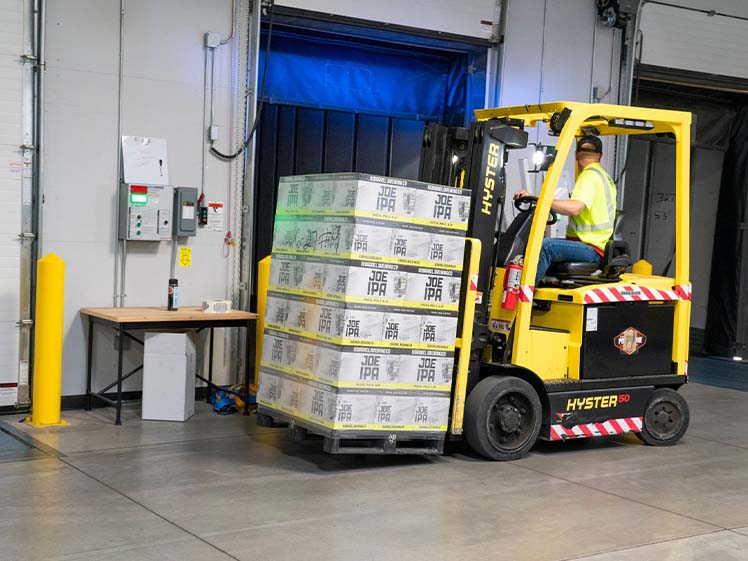
Chargeable Weight vs CBM: What You Actually Pay For
How carriers calculate your air and ocean freight determines whether a shipment is profitable or a loss. The rules are different depending on whether your goods fly or sail:
The Air Penalty for Bulky Goods
Airlines have limited space. They cannot afford to fly a plane full of lightweight items like bubble wrap. So, they charge you based on whichever is greater: the weight on the scale, or the volumetric weight.
Air freight commonly uses a volumetric divisor of 6000, while many express couriers use 5000. Want to avoid surprise surcharges on your next shipment? Master the math behind shipping costs with our easy guide to Volumetric Weight.
Imagine a box that is 60 × 50 × 40 cm. Its volumetric weight is 24 kg. If that box physically weighs 12 kg, you are billed for 24 kg. Express couriers like DHL and UPS use a stricter divisor of 5,000. This makes their rules even less forgiving for bulky cartons.
Tired of paying the Air Penalty for large shipments? Discover What Ocean Freight Is and Who Should Use It
The Ocean Advantage for Volume
When comparing air freight and ocean freight costs, ocean shipping rarely cares about weight unless you ship heavy steel parts. It is all about the cubic meters (CBM) your boxes take up.
- Less than Container Load (LCL): You pay per CBM, plus fixed fees at the port. Those fixed fees are why shipping tiny loads by sea is rarely worth it.
- Full Container Load (FCL): You rent the whole box. A standard 20-foot container practically holds about 26–30 CBM. A 40-foot container holds roughly 68 CBM. Both can safely carry around 28 tonnes.
Why is flying so expensive? Jet fuel costs much more than ship fuel, and a plane’s cargo hold is tiny compared to a mega-ship. You are not just buying transport; you are buying speed.
Trying to decide which shipping method fits your cargo volume? Find our FCL vs LCL guide.
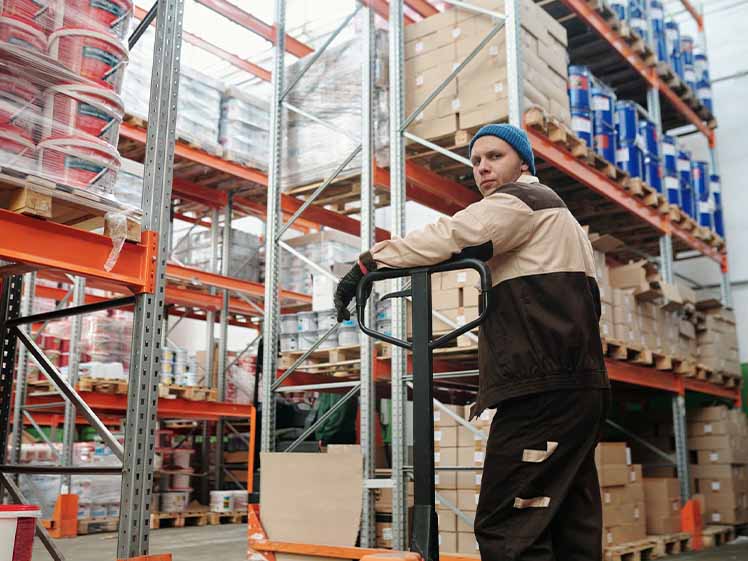
Real Costs of Air Freight vs Sea Freight in 2026
To make the best shipping choice, you need to look at real numbers. Let us explore what it costs to fly or sail your goods:
Current Shipping Rates and the Break-Even Point
Freight prices change weekly, but looking at September 2026 gives you a clear picture of the market.
- Air Freight Rates: Flying your goods from Northeast Asia to North America costs around USD 5.76 per kg. Shipping from China to Western Europe costs roughly USD 3.85 per kg. Globally, air rates average USD 3.13 per kg.
- Sea Freight Rates: Ocean shipping is still much cheaper. On the Transpacific trade, a 40-foot container from Shanghai to Los Angeles costs about USD 7,838. Shipping to New York costs roughly USD 10,373.
- Shared Container (LCL) Rates: If you share a container from China to the USA, you will pay between USD 45 and USD 180 per CBM, plus port fees.
- Express Courier Rates: For small parcels under 150 kg, expect to pay USD 5 to USD 12 per kg if you negotiate.
The old rule still works in 2026: once your shipment hits 500 kg, flying becomes too expensive. However, between 100 kg and 500 kg, you enter a tricky middle ground. Here, your choice depends on how badly you need the goods.
A Real-World Landed-Cost Example
You cannot compare sea freight vs air freight by looking only at the shipping rate. You must calculate the full “landed cost.” This includes the product price, shipping, port handling, customs fees, and heavy import duties.
Imagine you are shipping 1,000 stainless steel kitchen items from Shenzhen, China, to Ohio. The goods weigh 300 kg and take up 1.8 CBM. The factory price is USD 6,000.
| Expense Category | Air Freight | Sea Freight (LCL) |
| Product Cost (FOB) | USD 6,000 | USD 6,000 |
| Freight Transport | USD 1,728 | USD 247 |
| Duties & Government Fees | USD 1,654 | USD 1,661 |
| Port, Broker & Final Mile | USD 628 | USD 412 |
| Total Landed Cost | USD 10,010 | USD 8,320 |
| Cost Per Unit | USD 10.01 | USD 8.32 |
| Delivery Time | 6 to 10 Days | 35 to 45 Days |
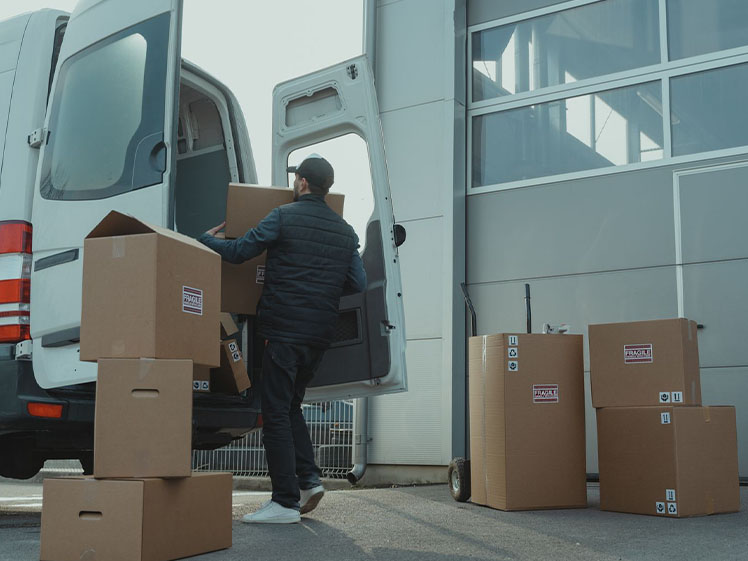
Transit Time and Reliability: Planning Your 2026 Deliveries
When you book cargo, remember that quoted times usually cover port-to-port travel. Door-to-door shipping takes longer because it includes local trucking and customs clearance.
If you are on a tight deadline, flying easily beats sailing. Here is a quick look at typical port-to-port ocean times vs door-to-door air times from China:
| Route | Sea Freight Time | Air Freight Time |
| China to US West Coast | 12 to 18 days | 3 to 7 days |
| China to US East Coast | 22 to 34 days | 5 to 8 days |
| China to UK & North Europe | 28 to 38 days (via Suez) | 3 to 7 days |
| China to Australia | 12 to 18 days | 3 to 6 days |
Sailing is cheaper, but it comes with schedule delays. According to a June 2026 report by Sea-Intelligence, global ocean reliability sits around 62.6%. Late ships run about 5.3 days behind schedule. In contrast, air cargo hits its targets roughly 80% of the time.
When choosing between these modes, consider these unique challenges:
- Ocean Detours: While Red Sea shipping improved in late 2026, many ships still route around the Cape of Good Hope. This detour adds 10 to 14 extra days to European deliveries.
- Port Problems: Sea freight faces heavy port congestion and rolled bookings. This means your cargo might miss its scheduled ship entirely.
- Flight Restrictions: You cannot load lithium batteries, liquids, aerosols, or strong magnets onto a regular commercial plane. Ocean freight may provide more options for certain regulated goods, but shipments still require compliance with dangerous goods regulations.
If your product contains batteries, you usually have to book a ship or pay for highly specialized air transport.
Air and Sea Freight: Carbon Footprint
If you track your supply chain’s environmental impact, your shipping method matters more than almost any other choice. Today, freight mode is more than a line item on your budget. It is a major part of your required Scope 3 emissions reporting.
The difference in carbon pollution between flying and sailing is huge.
- Ocean freight is highly efficient. According to the International Maritime Organization (IMO), maritime shipping accounts for just under 2.9% of global greenhouse gas emissions. Moving goods by sea creates roughly 16 grams of CO₂ per tonne-kilometer.
- Air freight burns a lot of fuel. The UK government’s 2025 DESNZ conversion factors show that long-haul flights generate roughly 530 to 899 grams of CO₂ per tonne-kilometer.
Air freight generally produces substantially higher CO₂ emissions per tonne-kilometer than ocean freight. Smart planning can lower both your carbon footprint and your shipping budget. The biggest impact comes from how you manage your orders, not the vessel itself.
You can use a China sourcing agent to consolidate small orders from multiple suppliers into full containers. Stick to a strict schedule to avoid those expensive, high-carbon emergency flights.
If you ship from China to Europe, look into rail freight. Trains offer a fantastic middle ground. They deliver goods in 18 to 22 days, with costs and carbon emissions sitting right between the extremes of air and sea.
What 2025–2026 Changed for Air Freight vs Sea Freight
Recent policy shifts have rewritten the math for importing goods. If you rely on older shipping guides, your budget will likely take a hit. Three major changes between 2025 and 2026 transformed how you must evaluate air freight vs sea freight.
Here is what you need to know to stay profitable:
- The de minimis exemption is gone. For years, businesses avoided taxes by flying small parcels valued under USD 800 directly to customers. Changes to the U.S. de minimis rules have affected small parcel imports. Importers should verify current requirements with U.S. Customs and Border Protection. Today, every single package pays full import duty. You can no longer dodge taxes by splitting up orders.
- Heavy duties shrink the freight gap. Following legal rulings and new trade policies, import duties on many Chinese consumer goods now sit around 37.5% (MFN + 12.5% base + 25% Section 301). When your tax bill is the highest single cost after buying the product, shipping rates matter less. Always check your specific product codes with a licensed customs broker.
- Shipping rates are moving fast. Due to global events, shipping prices fluctuate constantly. Throughout mid-2026, air cargo rates jumped roughly 24% as plane capacity tightened. Meanwhile, ocean rates began to drop. Old advice claiming flying costs 15 times more than sailing is no longer true.
Stay updated on new customs rules and run the complete numbers for your specific products. A smart, flexible strategy keeps your supply chain moving smoothly and protects your bottom line.

A Smart Framework for Air Freight vs Sea Freight
Choosing how to ship your goods is not a guessing game. It is a practical choice driven by your product type, your budget, and your calendar.
Here is how experienced importers decide between air freight and sea freight:
Match Your Product to the Mode
Different products have completely different shipping needs. Light, high-value items can afford to fly, while bulky or hazardous goods belong on a ship.
| Product Category | Shipping Challenge | Recommended Strategy |
| Consumer Electronics | High value | Air for launch; Sea for bulk stock |
| Battery Devices | Strict airline rules | Sea for bulk; Air only if compliant |
| Apparel & Fashion | Seasonal trends | Split: Fly initial batch, sail the rest |
| Furniture & Home | Very bulky | Sea freight only (Full containers) |
| Toys & Games | Holiday peaks | Sea early; Air for emergency rescues |
| Beauty & Supplements | Liquids restricted | Sea for bulk; small air top-ups |
Express vs. Air vs. Sea: Know What You Are Buying
Many new buyers confuse express delivery with traditional air shipping. Knowing the difference between these three options is your first step to saving money.
- Express Courier (DHL, UPS): This is a simple door-to-door service. It is the cheapest option for boxes under 50 kg. However, express companies use a strict formula that heavily penalizes bulky packages.
- Air Freight: This moves goods strictly from airport to airport. You must hire a freight forwarder to handle the local trucking and customs. It generally becomes cheaper than express delivery when your shipment reaches 45 to 150 kg.
- Sea Freight: Whether you share a container (LCL) or rent the whole box (FCL), ocean shipping wins on pure cost once your cargo passes 2 cubic meters.
Need a reliable partner to manage your international shipments? Find our curated list of 10 Best Freight Forwarders from China to the USA.
The Hybrid Playbook: What the Experts Do
The smartest answer to the air freight vs sea freight question is actually a mix of both. Instead of picking just one method, follow this proven timeline:
- Test with Express: Fly small samples to check factory quality in days, not weeks.
- Validate with Air: Fly a small first batch to test market demand without risking too much inventory.
- Replenish by Sea: Once sales are steady, move roughly 80% to 95% of your goods by ocean to keep costs as low as possible.
- Rescue with Air: Only fly emergency stock to keep your shelves full while the ship crosses the ocean. Always add a time buffer for port delays and customs checks.
To size your emergency air order, use simple math rather than guessing. Calculate your daily sales and multiply that by the difference in transit days.
For example, if you sell 40 units a day, and the ship takes 30 days longer than the plane, you only need to fly 1,200 units. Put everything else on the water.
If you buy from multiple factories, use a staging warehouse in China. Combining small loads from different suppliers into one full container turns several expensive LCL shipments into a single, highly efficient run.
By balancing speed and savings, you build a supply chain that never leaves you empty-handed.
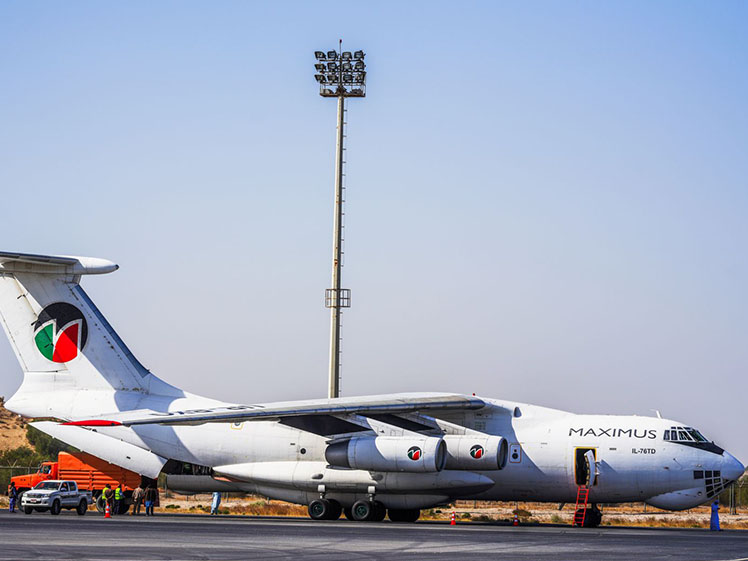
On-the-Ground Coordination for Air Freight vs Sea Freight
You choose between air and ocean at every stage of production. To keep costs low, you need active coordination on the factory floor, so your cargo meets strict transport cut-offs.
Working with an on-site team helps you manage these moving pieces smoothly:
- Align Schedules: Match factory completion dates with boat sailings or flight departures so you never pay extra storage fees.
- Inspect Quality Early: Check goods using standard AQL quality inspections. This prevents you from wasting expensive air freight on defective products.
- Combine Your Orders: Gather cartons from several suppliers at a central warehouse to build cheaper, full container loads.
Some sourcing agents charge service fees based on order value, services required, or project complexity. For example, NicheSources provides sourcing and freight coordination services based on project requirements. Direct oversight in China ensures you get accurate all-in pricing and keeps your supply chain running without unexpected delays.
Setting Up a Winning Delivery Plan
Choosing how to move your goods ultimately comes down to your calendar and box size.
Use this checklist to make your final choice:
- Fly the small and urgent stuff. If your load is under 100 kg, or you face a stockout, pay for air freight. Treat the high cost simply as insurance for your business. Use express for boxes under 50 kg.
- Sail the steady sellers. When restocking items that sell reliably, choose the ship. Use shared containers for loads over 2 CBM and full boxes once you hit 15 CBM. You can put the money you save into buying larger inventory.
- Check the math on bulky goods. If your items are light but take up space, always calculate the volumetric weight. That strict airline math usually makes sea freight the only logical choice.
If your business is growing, you do not have to choose just one method. Combine them to get the speed of air with the deep savings of the ocean.
Planning your next big shipment and need to know if your goods will fit? Find the perfect Shipping Container Size.

FAQs
Is air freight cheaper than sea freight?
Generally, no. Ocean shipping usually costs 4 to 6 times less than air cargo on basic rates. However, air freight often becomes the cheaper choice for small shipments under roughly 100 kg. When you book tiny ocean loads, fixed container freight station fees, terminal handling, and minimum charges quickly add up. These extra port fees can wipe out sea freight’s cost advantage on small cargo.
Which is faster, air freight or sea freight?
Planes move your cargo much faster than ocean vessels. International flights usually take just 1 to 7 days from airport to airport. For door-to-door shipping from China, expect about 3 to 10 days by air. In contrast, an ocean journey takes roughly 25 to 45 days. Local port delays, customs checks, and trucking legs can stretch that ocean delivery timeline even further.
Why is air freight so expensive?
Airlines charge high rates because jet fuel and plane operations cost far more per tonne-kilometer than marine bunker fuel. In addition, an airplane carries only a tiny fraction of a container ship’s massive payload. Carriers must also add mandatory security screenings, airport handling fees, and seasonal fuel surcharges onto your base rate. You are paying a premium for schedule reliability and rapid delivery.
What are the downsides of air freight?
High shipping costs represent the main drawback of flying your cargo. Beyond the steep price, airlines enforce strict weight limits and severe rules against dangerous goods.
Long-distance air transport also generates roughly 35 to 55 times more carbon emissions than sea shipping. Finally, planes only fly airport to airport. You still need local trucks and customs clearance to bring cartons to your warehouse door.
Looking for ways to cut down on these expensive logistics fees? Stop overpaying and follow our expert tips on How to Reduce Your Alibaba Shipping Costs.
What cannot be transported by air?
Airlines enforce strict safety bans on hazardous items. Common restricted goods include loose lithium-ion batteries, flammable aerosols, compressed gases, strong magnets, and industrial chemicals.
Some regulated items can fly if you use certified packaging and paperwork, but many are barred completely from passenger planes. Fortunately, ocean container ships safely carry almost all of these materials across the sea under the International Maritime Dangerous Goods (IMDG) Code.
How much does air freight cost per kg?
Air cargo pricing shifts every week based on jet fuel costs and global plane space. In August 2026, spot rates from Northeast Asia averaged USD 5.76 per kg to North America and USD 3.85 per kg to Western Europe, according to Xeneta data.
However, remember that terminal handling, export screening, and fuel surcharges add to that base rate. Always request a fresh quote before booking.
What is the difference between LCL and FCL?
LCL means Less than Container Load. Your cartons share container space with products from other companies, and you pay only for the cubic meters you use.
FCL stands for Full Container Load, meaning you rent the entire 20-foot or 40-foot steel container. When your volume reaches roughly 12 to 15 cubic meters, booking an entire container becomes cheaper than paying shared LCL fees.
Plan Your China Shipping with NicheSources
Finding the best transport balance only works if someone oversees the physical steps on the factory floor. Suppliers often finish production on different schedules. Meanwhile, you need quality checks completed before booking cargo space, boxes from multiple vendors merged into a single container, and quotes that expose hidden destination fees.
NicheSources handles this on-site coordination across China to protect your budget. Share your product specifications, order volume, destination port, and delivery deadline. In return, you receive vetted factory choices, side-by-side air, ocean, and hybrid plans, and a complete landed-cost breakdown tailored to your delivery schedule.