Six of the 17 wholesale marketplaces featured in our previous list are no longer operating in their original form. Tundra shut down, Shopify discontinued Handshake, and Creoate entered administration in September 2026. Yet outdated recommendations for these platforms still appear online. We’ve revisited the list for November 2026, comparing 18 active wholesale platforms by fees, minimum orders, buyer protection, and suitability for different businesses.
Quick Facts
- Platforms covered: 18 active wholesale marketplaces and sourcing platforms
- Biggest change since 2021: Several established platforms have shut down, pivoted, or changed their business models.
- Typical commissions: Around 10–25% on many commission-based marketplaces; others use subscriptions or different fee structures.
- Common misconception: Supplier directories and wholesale software platforms don’t necessarily offer marketplace checkout or buyer protection.
What Is a Wholesale Marketplace?

A wholesale marketplace is an online platform that connects multiple suppliers with retailers, resellers, and businesses purchasing products in bulk. Many allow buyers to compare suppliers, place orders, and make payments directly through the platform. However, some websites described as wholesale marketplaces only provide supplier contacts or product discovery tools.
Understanding these five types will help you choose the right platform:
| Type | How It Works | Examples |
| Transactional marketplace | Connects multiple suppliers and buyers, with on-platform ordering and payment processes. | Alibaba, DHgate |
| Curated marketplace | Selects brands or suppliers and offers wholesale ordering, often with flexible payment terms. | Faire, Orderchamp |
| Supplier directory | Lists suppliers you can contact and negotiate with directly. Usually offers no transaction protection. | Wholesale Central, SaleHoo |
| Discovery platform | Helps brands connect with potential retail buyers without necessarily processing orders. | RangeMe |
| First-party wholesale store | Sells inventory primarily from one business rather than independent suppliers. | goWholesale |
Some platforms fall between these categories. For example, IndiaMART primarily generates supplier leads, Merkandi operates as a classified listings platform, JOOR focuses on enterprise wholesale relationships, and Brandboom is primarily wholesale sales software.
We’ll explain these distinctions further in our Marketplace vs. Platform vs. Directory section.
Best Wholesale Marketplaces by Use Case
The best wholesale marketplace depends on what you’re sourcing, your order size, and where your business operates. We’ve compared 18 platforms below to help you narrow down your options before evaluating individual suppliers.
| Marketplace | Type | Best For | MOQ | Cost to Buy | Buyer Protection |
| Alibaba | Transactional | Global sourcing, private label | Supplier-set | Free | Trade Assurance |
| Global Sources | Transactional | Asian manufacturers, bulk orders | Supplier-set | Free | Supplier verification; terms vary |
| Made-in-China | Transactional | Machinery, industrial products | Supplier-set | Free | Secured Trading Service (eligible orders) |
| IndiaMART | Directory (lead-gen) | Indian manufacturers | Supplier-set | Free | Limited; supplier-dependent |
| DHgate | Transactional | Small-batch wholesale orders | Low | Free | Platform dispute process |
| Faire | Curated | Independent retailers, boutiques | Low | Free | Eligible returns, Net-60 |
| Orderchamp | Curated | European independent retailers | Low | Free | Eligible payment terms |
| Ankorstore | Curated | EU/UK retailers | Low | Free | Payment terms, guarantees |
| IndieMe | Curated | US/Canadian handmade products | Brand-set | Free | Seller-dependent |
| FashionGo | Transactional | Fashion boutiques, apparel | Low pack minimums | Free | FG Pay, eligible net terms |
| JOOR | Discovery (enterprise) | Established fashion brands | Brand-set | Free for buyers | Contract-dependent |
| Brandboom | Discovery (SaaS) | Wholesale sales management | Brand-set | Free for buyers | On-platform payments |
| Airgoods | Curated | Specialty food and beverages | Low | Free | Eligible Net-60 terms |
| Merkandi | Directory (classifieds) | Liquidation, pallet inventory | Lot-based | Paid membership | No platform protection |
| goWholesale | First-party store | Returns, refurbished inventory | No stated minimum | Free | Seller return policies |
| Wholesale Central | Directory | US wholesale suppliers | Supplier-set | Free | No platform protection |
| SaleHoo | Directory | Supplier research and vetting | Supplier-set | Paid subscription | Membership refund policy |
| RangeMe | Discovery | Brands seeking retail buyers | N/A | Free for buyers | N/A introductions |
Our advice: If you’re stocking a retail store, start with Faire or a relevant regional marketplace. For factory-direct sourcing and private-label manufacturing, compare Alibaba, Global Sources, and Made-in-China. If you’re researching suppliers through directories, remember that you’ll need to handle verification, payments, and disputes yourself.
Best Global Wholesale Marketplaces
Global wholesale marketplaces are a practical starting point if you’re sourcing products directly from manufacturers, comparing international suppliers, or planning larger orders.
These five platforms cover different sourcing needs, from custom manufacturing in China to finding Indian suppliers and testing products in smaller quantities.
1. Alibaba
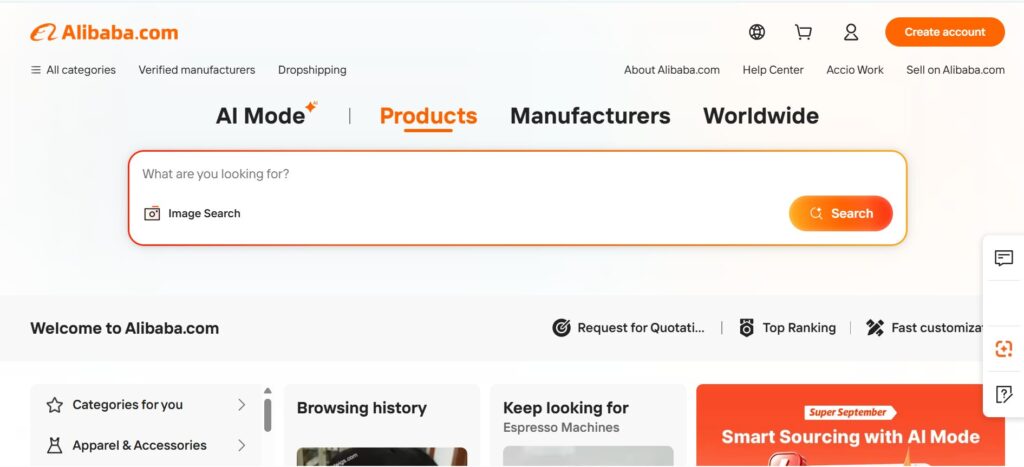
Alibaba is best for businesses sourcing products in bulk, particularly those interested in private labeling, custom manufacturing, or factory-direct pricing.
It’s one of the most versatile options because you can compare manufacturers, trading companies, and ready-to-ship wholesalers across thousands of product categories.
- Type: Transactional wholesale marketplace
- Cost to buy: Free registration; product and payment fees depend on the order
- Seller fees: Paid memberships and transaction fees, depending on the seller’s plan
- MOQ: Supplier-set; often negotiable, with higher minimums for custom products
- Buyer protection: Trade Assurance on eligible orders
- Geography: Global, with a strong concentration of Chinese suppliers
Ideal for: Importers, ecommerce brands, and retailers looking to develop private-label products or negotiate directly with manufacturers.
We recommend requesting quotes from several suppliers using identical specifications. This makes it easier to compare pricing, production capabilities, and minimum order quantities fairly.
Alibaba’s trade assurance program provides payment and dispute protection for eligible orders, but you’ll need to document product specifications and keep payments on-platform.
Cons: Supplier quality and manufacturing capabilities vary considerably. Trading companies may present themselves as manufacturers, and samples don’t always reflect the final production batch. Custom orders can also involve lengthy production and shipping timelines.
For a deeper breakdown of supplier verification and payment risks, see our guide on whether Alibaba is safe and legitimate.
2. Global Sources
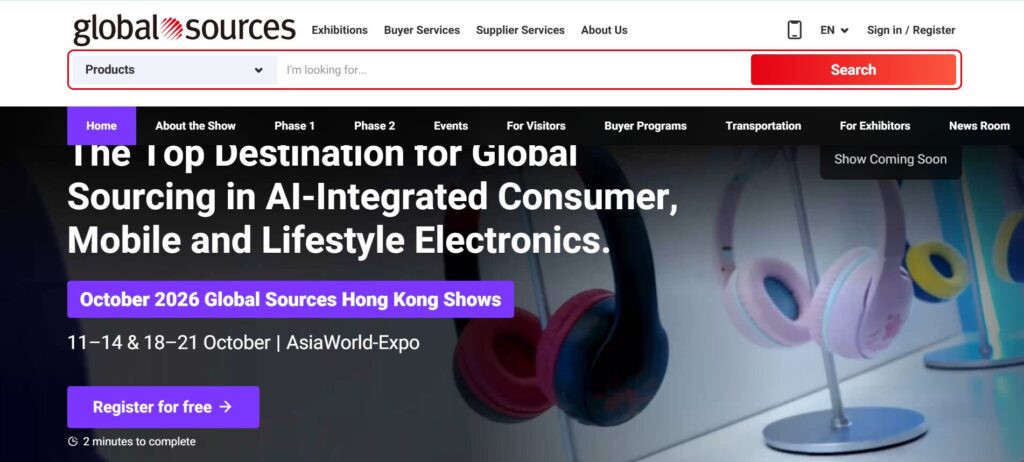
Global Sources is best for businesses looking to source from established Asian suppliers, particularly in electronics, consumer goods, and manufacturing-related categories.
Its biggest advantage is the combination of online supplier discovery and physical trade shows in Hong Kong, where buyers can meet manufacturers and examine products directly.
- Type: B2B sourcing marketplace and trade show platform
- Cost to buy: Free to browse and contact suppliers
- Seller fees: Paid supplier memberships and promotional services; pricing varies
- MOQ: Supplier-set, generally geared toward bulk purchasing
- Buyer protection: Supplier verification; no general platform-wide transaction guarantee
- Geography: Asia-focused suppliers serving international buyers
Ideal for: Established importers and businesses that want to evaluate manufacturing capabilities before placing substantial orders.
Global Sources distinguishes between Verified Suppliers and Verified Manufacturers. It also offers supplier capability assessments that examine production facilities and quality-control processes.
We’d use these reports to shortlist suppliers, then request samples and arrange independent inspections before committing to larger orders.
Cons: The platform is more suitable for established wholesale buyers than small experimental orders. Supplier verification doesn’t guarantee product quality or resolve payment disputes, and Global Sources states that it cannot adjudicate commercial disputes between buyers and suppliers.
3. Made-in-China
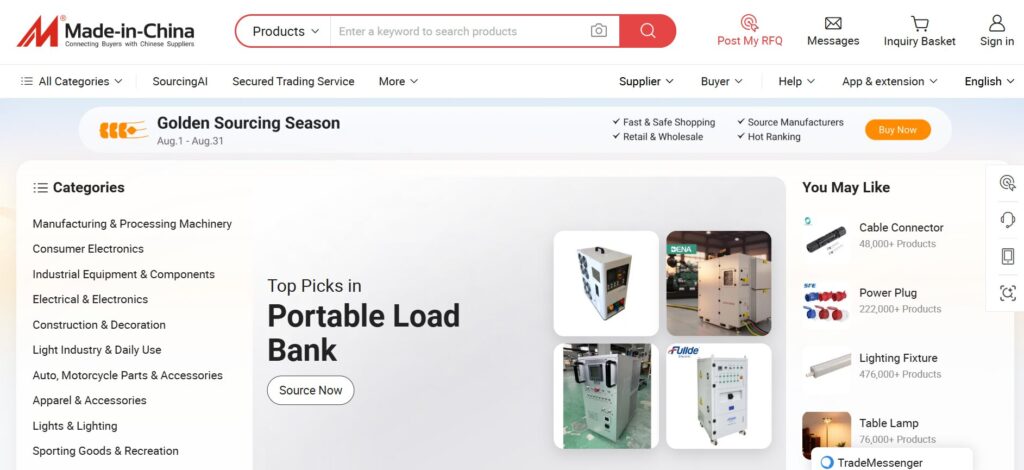
Made-in-China is best for sourcing machinery, industrial equipment, construction materials, and manufactured products from Chinese suppliers.
Its supplier audit reports are particularly useful for businesses that need to evaluate factory capabilities before negotiating expensive or technically complex orders.
- Type: Transactional wholesale marketplace
- Cost to buy: Free registration and supplier inquiries
- Seller fees: Paid supplier membership and promotional tiers
- MOQ: Supplier-set; often higher for industrial and customized products
- Buyer protection: Secured Trading Service (STS) for eligible orders
- Geography: Chinese manufacturers serving international buyers
Ideal for: Industrial buyers, importers, and businesses sourcing equipment, components, or products requiring detailed manufacturing specifications.
Made-in-China provides third-party Audited Supplier reports that can help buyers examine a supplier’s facilities, certifications, and production capabilities.
Its Secured Trading Service also offers payment handling and dispute support for qualifying transactions.
For expensive machinery, we’d prioritize factory audits, technical specifications, warranty coverage, and inspection arrangements before making payment.
Cons: Many products involve substantial MOQs, complex specifications, and international shipping arrangements. Supplier audits don’t guarantee every production batch, and payment protection depends on STS eligibility and terms.
4. IndiaMART
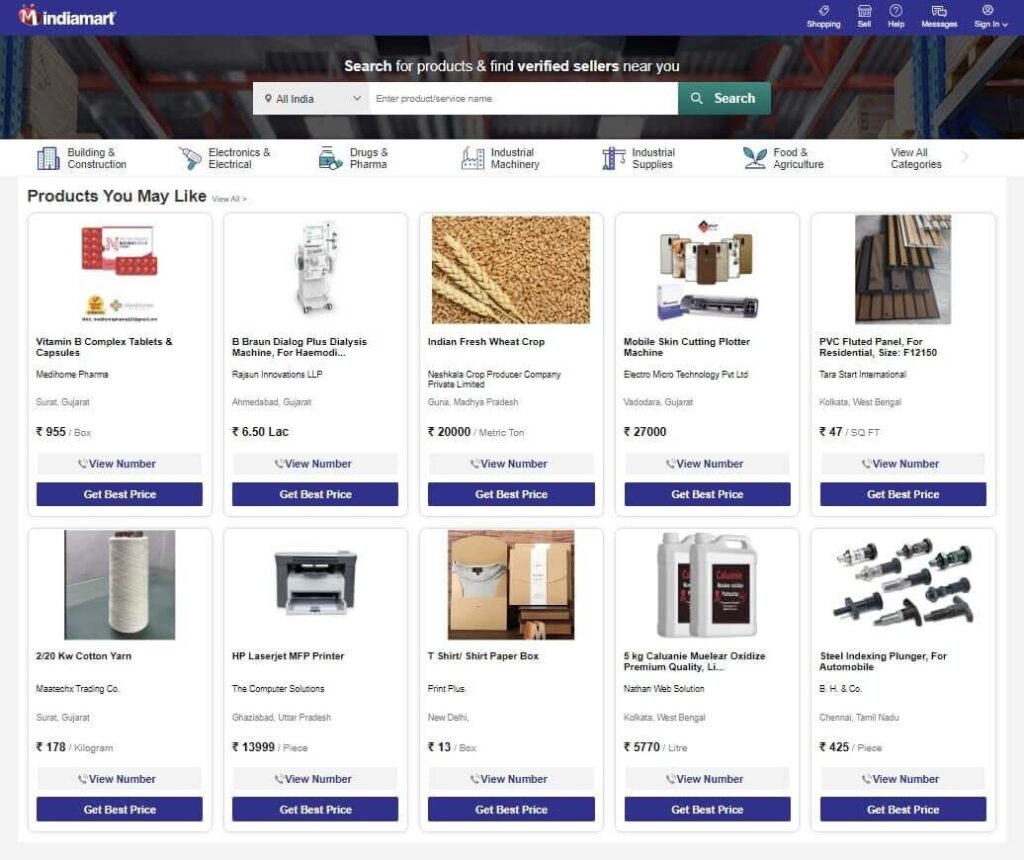
IndiaMART is best for businesses looking to connect with Indian manufacturers, wholesalers, and distributors across a wide range of industries.
It’s especially relevant if you’re exploring India as an alternative sourcing market or want to diversify suppliers beyond China.
- Type: Supplier directory and lead-generation marketplace
- Cost to buy: Free supplier searches and inquiries
- Seller fees: Free basic listings with paid visibility and lead-generation plans
- MOQ: Supplier-set; varies considerably
- Buyer protection: No universal marketplace-wide protection for direct transactions
- Geography: Primarily India, with suppliers serving domestic and export markets
Ideal for: Importers, retailers, and businesses evaluating Indian suppliers for textiles, industrial goods, packaging, and other manufactured products.
The main distinction is how transactions work. IndiaMART primarily helps buyers discover and contact suppliers, so payment arrangements, quality checks, and shipping are often negotiated independently.
We suggest checking business registration details, requesting product samples, and obtaining a written quotation that specifies delivery terms and inspection requirements.
Cons: Supplier quality and reliability can vary, and listings alone don’t establish manufacturing capabilities. International buyers may also need independent quality inspections and freight arrangements, especially for larger orders.
5. DHgate
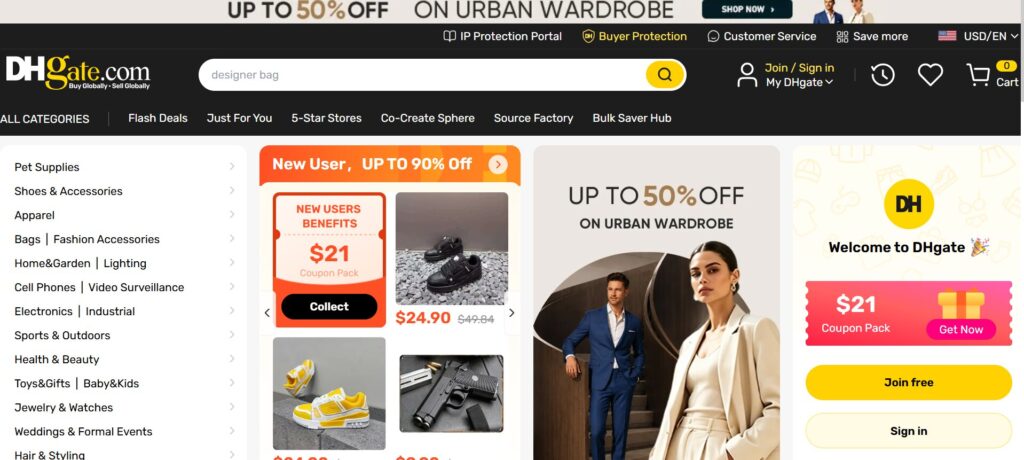
DHgate is best for small-batch wholesale purchases and product testing before committing to larger factory orders.
Compared with bulk-oriented sourcing marketplaces, many DHgate sellers offer low minimum order quantities, making it easier to purchase a handful of units for initial evaluation.
- Type: Transactional wholesale marketplace
- Cost to buy: Free registration
- Seller fees: Category-dependent transaction commissions
- MOQ: Generally low, with some products available individually
- Buyer protection: Platform dispute and refund procedures for eligible orders
- Geography: China-based suppliers serving international buyers
Ideal for: Online resellers and small businesses testing product demand without purchasing hundreds of units upfront.
DHgate can be useful for comparing product variations, ordering samples, and identifying products worth investigating further.
However, we’d avoid treating a successful sample order as proof that a supplier can reliably fulfill larger volumes. Once demand is established, compare factory-direct quotations and landed costs before scaling.
Cons: Product quality can vary between listings and orders. Counterfeit and unauthorized branded merchandise are significant risks, while supplier customization options are generally more limited than with factory-focused marketplaces.
For China-domestic sourcing options such as 1688 and Taobao, see our separate guide to Chinese wholesale websites
Ordering from China at volume? NicheSources can help with factory vetting, pre-shipment inspections, and consolidated shipping.
Best Curated Wholesale Marketplaces for Retailers
Curated wholesale marketplaces are particularly useful for independent retailers and boutiques looking for distinctive products without committing to large inventory orders.
Unlike factory-focused platforms, these marketplaces concentrate on selected brands, smaller order minimums, and flexible payment terms. Here are four worth comparing.
6. Faire
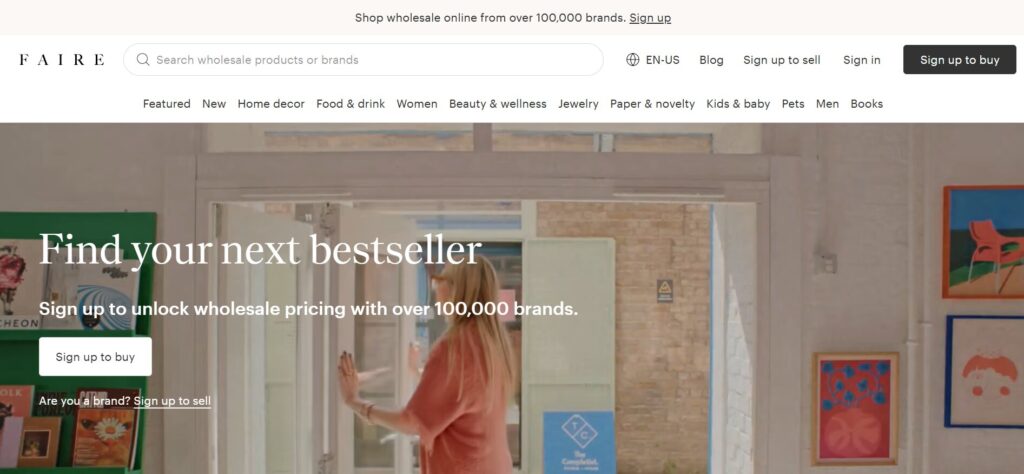
Faire is best for independent retailers and boutiques looking to stock products from established and emerging brands with relatively low purchasing risk.
It covers categories such as home décor, beauty, apparel, jewelry, stationery, and gifts. Retailers can discover brands, compare wholesale prices, and manage orders through one account.
- Type: Curated wholesale marketplace
- Cost to buy: Free for retailers
- Seller fees: Marketplace commissions apply; Faire Direct orders generally avoid commission, although processing fees may apply
- MOQ: Low, determined by individual brands
- Buyer protection: Free returns on eligible first orders with each brand; Net-60 terms for qualified retailers
- Geography: Primarily North America and Europe, with additional supported markets
Ideal for: Gift shops, lifestyle stores, independent boutiques, and retailers looking to experiment with new product categories.
What we particularly like about Faire is its first-order return policy. Retailers can return eligible products from their first order with a new brand, typically within 60 days, although the exact return window depends on their account and order conditions.
Faire also offers Net-60 payment terms to approved retailers. This allows businesses to stock inventory before paying for it, although spending limits and eligibility requirements apply.
These benefits are confirmed in Faire’s official return policy
Cons: Faire is designed for purchasing finished branded goods, so it isn’t suitable for custom manufacturing or private-label sourcing. Wholesale prices may also reflect the commissions brands pay, which can affect your retail margins.
7. Orderchamp
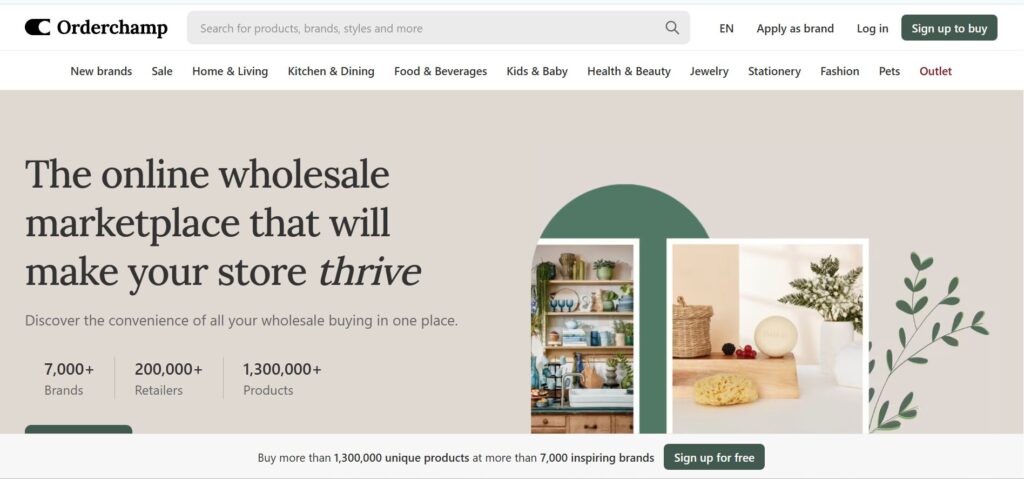
Orderchamp is one of the closest European alternatives to Faire, offering independent retailers access to curated brands with low order minimums.
The platform focuses on European brands across home décor, lifestyle, beauty, accessories, gifts, and other retail categories.
- Type: Curated wholesale marketplace
- Cost to buy: Free for approved retailers
- Seller fees: Base subscription plus tiered commissions, starting at 18% on new marketplace-acquired customers and 7% on reorders
- MOQ: Averaging below €100 per brand
- Buyer protection: On-platform ordering, guaranteed seller payouts, and up to 60-day payment terms for eligible retailers
- Geography: Europe-focused, serving EU and UK retailers
Ideal for: European boutiques, concept stores, and independent retailers looking for local or regional brands.
Orderchamp is particularly attractive if you want to test multiple brands without placing substantial orders with each supplier. Its low minimums allow smaller retailers to diversify inventory while managing cash flow.
An important update for 2026 is its subscription-plus-commission pricing model. According to Orderchamp’s official seller pricing page, marketplace-acquired customers carry an initial commission of 18% on first orders and 7% on reorders. These rates can decrease to 12% and 1%, respectively, based on annual sales volume. First-order commissions are capped at €250, and brands can pay 0% commission on qualifying customers they bring to the platform themselves.
For retailers, Orderchamp continues to offer deferred payments of up to 60 days, subject to approval.
Cons: Its geographic focus makes it less practical for businesses outside Europe. Orderchamp restricts certain third-party marketplace resellers, and brands considering its selling services should evaluate subscription costs alongside commissions.
8. Ankorstore
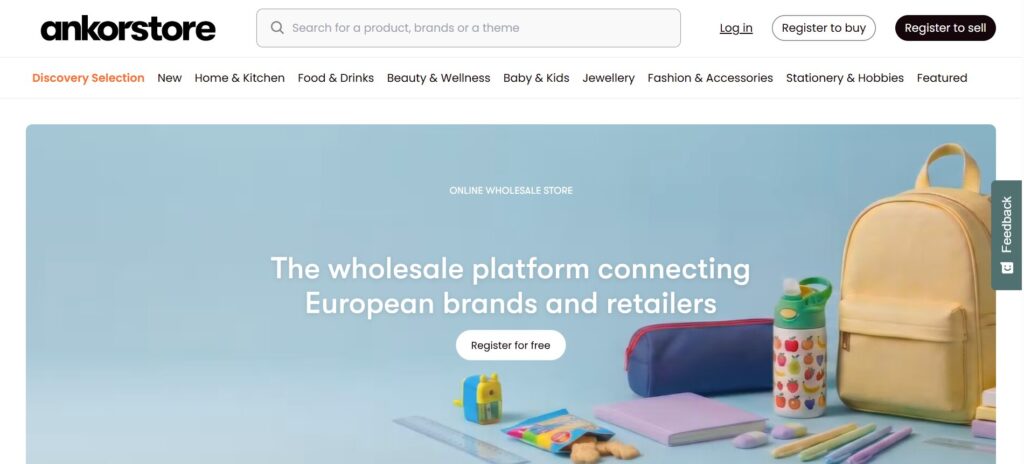
Ankorstore is best for European retailers seeking independent brands, flexible payment terms, and alternatives to Faire.
It connects retailers with European brands across home, beauty, food, fashion, and lifestyle categories.
- Type: Curated wholesale marketplace
- Cost to buy: Free registration; optional Ankorstore+ membership
- Seller fees: 3% payment fee plus a €49 acquisition fee for qualifying new customers
- MOQ: Brand-set; minimums vary by supplier
- Buyer protection: Guaranteed seller payments and Net-30/60/90 options for eligible retailers
- Geography: European markets, including the EU and UK
Ideal for: Independent European retailers sourcing regional brands and comparing Faire-style wholesale platforms.
Ankorstore made a significant pricing change on December 10, 2025, removing its previous percentage-based marketplace commissions.
Under the updated structure, brands pay a 3% payment fee calculated on the order total, including VAT. This covers transaction processing, payment guarantees, and payouts two days after confirmed delivery.
Ankorstore also charges a one-time €49 fee, excluding VAT, when it introduces a qualifying new retail customer. The fee doesn’t apply to existing customers or eligible prospects registered through its MyNetwork system.
These terms are documented in Ankorstore’s September 2026 pricing documentation
For retailers, another important change is that brands now set their own minimum order values and free-shipping thresholds. As a result, we’d compare shipping costs and supplier-specific terms before placing orders.
Cons: Ankorstore experienced significant layoffs in 2023 and subsequently restructured its business model in December 2025. While the revised pricing reduces commission costs for brands, retailers should verify current terms, delivery conditions, and payment eligibility before relying on the platform for recurring purchases.
9. IndieMe
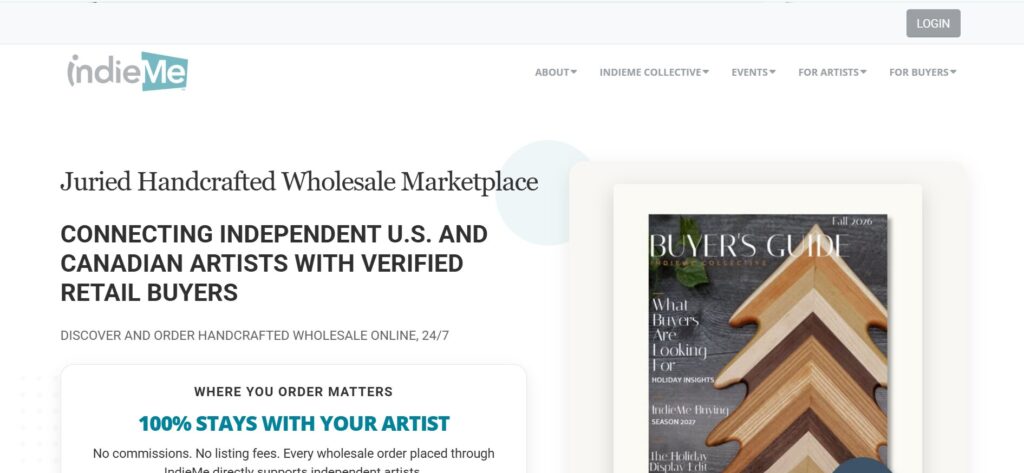
IndieMe is best for independent retailers looking to source handcrafted products from American and Canadian artists.
Unlike broader wholesale marketplaces, IndieMe concentrates on original handcrafted goods, including pottery, jewelry, accessories, home décor, and gifts.
- Type: Curated wholesale marketplace
- Cost to buy: Free for approved retail buyers
- Seller fees: $25 non-refundable jury application fee plus monthly or annual membership fees
- MOQ: Set by individual artists
- Buyer protection: Seller-specific payment, refund, and shipping policies
- Geography: United States and Canada
Ideal for: Gift shops, galleries, museum stores, and specialty retailers looking for handmade products with a distinct identity.
One advantage of IndieMe is its juried artist selection process. Artists must apply for approval, and their products must meet the platform’s handcrafted standards.
According to IndieMe’s official artist registration page, applicants pay a $25 non-refundable jury fee. Approved artists then select a monthly or annual web service plan before activating their stores.
IndieMe’s membership-based model also means artists aren’t charged a percentage commission on individual wholesale orders.
For retailers, however, it’s important to review each artist’s terms. Payment arrangements, shipping costs, and return policies can differ between sellers.
Cons: IndieMe has a narrower product selection than Faire or Orderchamp and focuses on American and Canadian handmade goods. It also doesn’t provide the same standardized buyer protection or return benefits as larger transactional marketplaces.
Which should you choose? We’d start with Faire for general independent retail, Orderchamp or Ankorstore for European brands, and IndieMe for North American handmade products. Fashion boutiques should also consider FashionGo, while specialty food retailers may find Airgoods more relevant.
Best Fashion Wholesale Marketplaces
Fashion wholesale platforms serve different types of businesses, from boutiques purchasing ready-made clothing to established brands managing relationships with major retailers.
We’ve included three options here, although they operate differently. FashionGo is a traditional transactional marketplace, while JOOR focuses on enterprise wholesale management and Brandboom combines sales software with marketplace features.
10. FashionGo
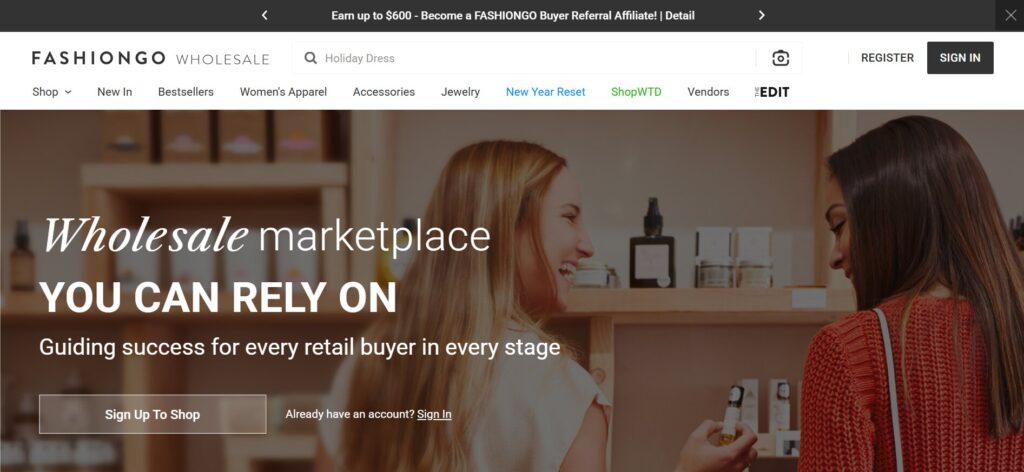
FashionGo is best for US fashion boutiques and online retailers sourcing trendy apparel, accessories, and footwear from wholesale vendors.
The platform connects retailers with more than 1,400 vendors, offering everything from women’s clothing and jewelry to shoes and lifestyle products.
- Type: Transactional wholesale marketplace
- Cost to buy: Free registration; seller’s permit required for full access
- Seller fees: 10–13% commission depending on product category; no monthly or setup fees
- MOQ: Low pack minimums, determined by individual vendors
- Buyer protection: FG Pay checkout and Net-30, 45, or 60 payment terms for approved buyers
- Geography: Primarily US-focused, with vendors registered in the US and Canada
Ideal for: Fashion boutiques, clothing retailers, and ecommerce businesses that regularly introduce new styles.
One advantage of FashionGo is its flexible payment and shipping options. Its Dynamic Net Terms program lets eligible retailers pay within 30, 45, or 60 days without additional financing fees.
FashionGo also offers free shipping on qualifying orders from participating vendors, with minimums starting at $100 for accessories and jewelry and $300 for apparel.
These terms are confirmed in FashionGo’s official seller pricing and shipping program documentation.
Cons: FashionGo focuses heavily on trend-driven clothing, where styles and inventory availability can change quickly. Product quality varies between vendors, and buyers should check size packs, fabric details, and return policies before ordering.
11. JOOR
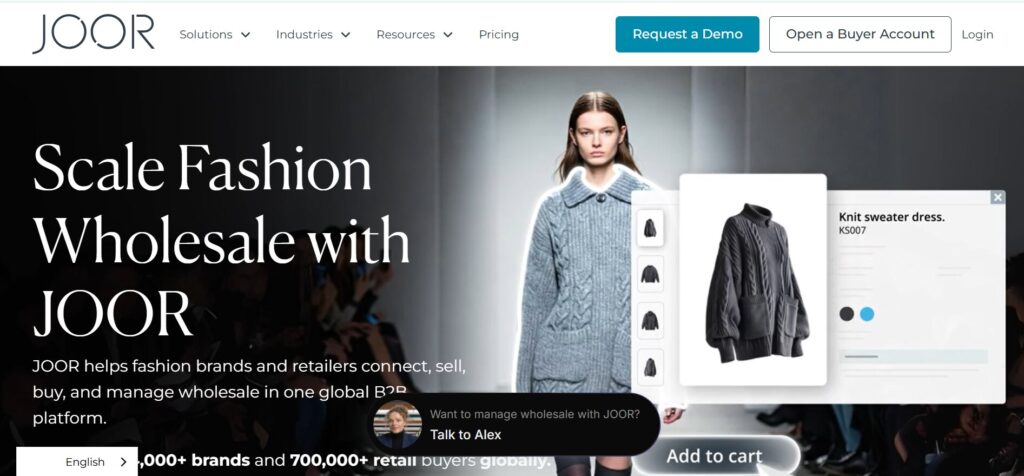
JOOR is best for established fashion brands and retailers managing wholesale relationships, seasonal collections, and large-volume orders.
It operates as an enterprise wholesale platform with a curated buyer network rather than a conventional open marketplace.
- Type: Enterprise wholesale platform with retailer discovery and ordering
- Cost to buy: Free for standard retail buyer accounts; advanced retail tools are paid
- Seller fees: Annual subscription with custom pricing; 0% order commission, although payment processing fees may apply
- MOQ: Set by individual brands
- Buyer protection: JOOR Pay supports payment processing; commercial terms depend on the participating brands
- Geography: Global, with more than 14,000 brands and 700,000 retail buyers across 150 countries
Ideal for: Established fashion labels, distributors, department stores, and retailers managing multiple wholesale brand relationships.
JOOR offers digital showrooms, product catalogs, order management, retailer discovery, and integrations with existing business systems.
For brands, the main benefit is managing wholesale operations from a central platform while reaching qualified retail buyers.
An important 2026 distinction is that JOOR now offers a Starter plan for brands with under $1 million in annual wholesale revenue, alongside Pro and Enterprise plans. However, pricing remains quote-based rather than publicly fixed.
According to JOOR’s official pricing page, the company doesn’t charge commissions on wholesale orders, although JOOR Pay can involve transaction fees.
Cons: JOOR’s subscription model and enterprise-focused features may be difficult to justify for smaller brands with limited wholesale activity. Access to its curated network also doesn’t guarantee new retail partnerships.
12. Brandboom
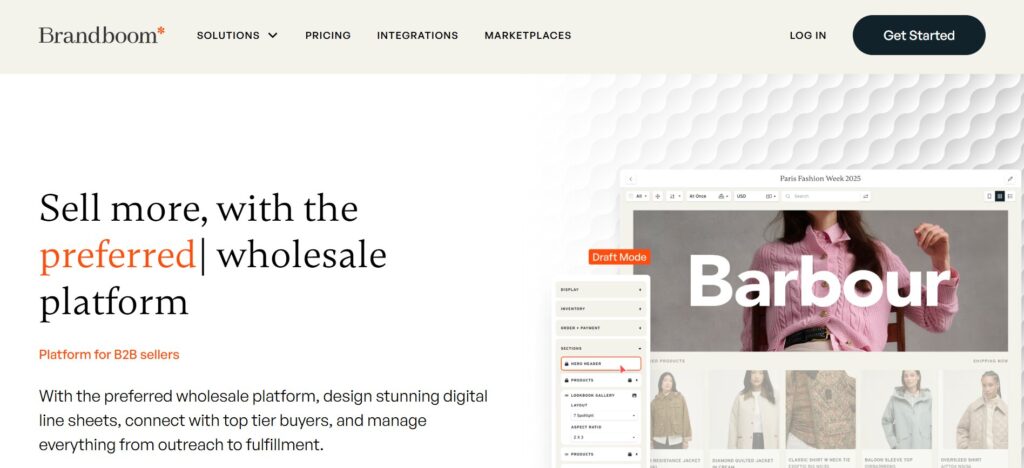
Brandboom is best for fashion and lifestyle brands that want to manage wholesale catalogs, presentations, and orders through one platform.
It’s primarily wholesale sales software, although it also operates curated marketplaces where eligible brands can reach additional buyers.
- Type: Wholesale SaaS platform with curated marketplace features
- Cost to buy: Free for wholesale buyers
- Seller fees: Free plan available; paid plans start at $50/month, billed annually. Marketplace orders carry 6–7% commission plus processing fees
- MOQ: Set by individual brands
- Buyer protection: On-platform payment processing; marketplace payment guarantees depend on the program
- Geography: US-based platform serving international brands and buyers
Ideal for: Small and growing fashion brands that want to replace PDF catalogs, spreadsheets, and manual wholesale ordering with digital sales tools.
Brandboom lets sellers create digital line sheets, share product presentations, accept wholesale orders, and manage payments.
Its Basic plan costs $50 per month when billed annually, while the Startup plan costs $100 per month. Larger businesses can request custom pricing.
One important correction for 2026: Brandboom Connect was discontinued on March 1, 2024. It has been replaced by newer Brandboom marketplace offerings, including its curated fashion marketplace.
According to Brandboom’s marketplace fee documentation, marketplace orders carry a 6–7% commission, with combined commission and processing fees totaling approximately 10%.
You can also review Brandboom’s current subscription plans
Cons: Brandboom’s primary strength is wholesale sales management, so businesses seeking a large open supplier marketplace may find it less suitable. Subscription costs and marketplace transaction fees also need to be considered separately.
Which should you choose? We’d suggest FashionGo for boutiques purchasing wholesale inventory, JOOR for established fashion businesses managing larger retail relationships, and Brandboom for brands looking to streamline wholesale sales and order management.
Best Niche and Liquidation Wholesale Marketplaces
Some wholesale platforms focus on specific industries or inventory types. Airgoods specializes in food and beverages, while Merkandi and goWholesale cater to businesses sourcing liquidation, overstock, and returned merchandise.
These platforms can offer useful sourcing opportunities, but their purchasing processes and buyer protections differ considerably.
13. Airgoods
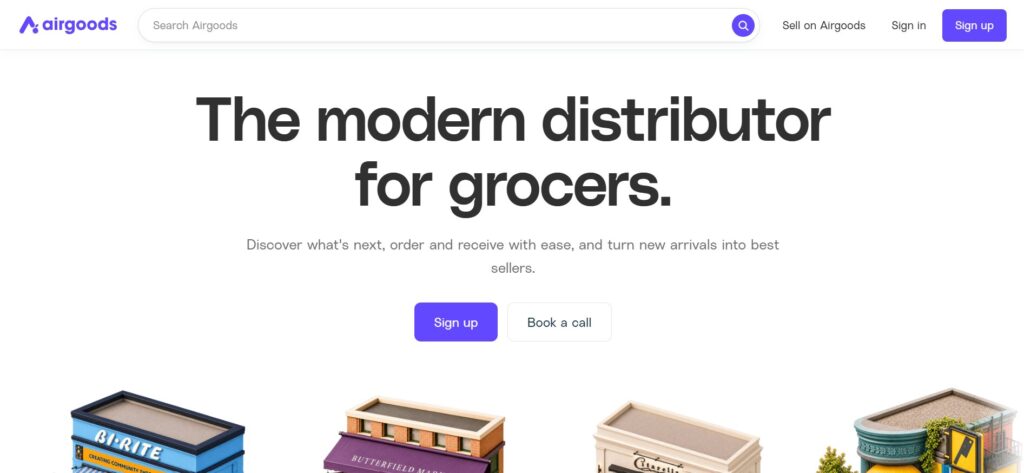
Airgoods is best for independent grocery stores, cafés, and specialty retailers sourcing food and beverage products from emerging brands.
The platform connects US retailers with independent food and beverage brands, offering products such as snacks, beverages, specialty groceries, and packaged foods.
- Type: Curated transactional wholesale marketplace
- Cost to buy: Free for approved retailers
- Seller fees: 15% + $10 on opening orders; 15% on reorders; 0% commission through qualifying Airgoods Direct orders
- MOQ: Brand-set, with low minimums and case-pack requirements
- Buyer protection: On-platform payments, Net-30 terms, and Net-60 for qualified retailers
- Geography: Continental United States
Ideal for: Specialty grocers, cafés, convenience stores, and retailers introducing independent food and beverage brands.
What makes Airgoods attractive is its combination of product discovery and flexible payment terms. According to its April 2026 payment terms announcement, eligible retailers receive Net-30 terms, while qualifying businesses can apply for Net-60.
For brands, the platform uses a commission-based model without setup or monthly subscription fees. Its official seller pricing documentation confirms the 15% commission structure and additional $10 opening-order fee.
We’d recommend comparing wholesale prices, shipping charges, case sizes, and product shelf life before ordering. Food products require more careful inventory planning because unsold stock may expire before you recover your investment.
Cons: Airgoods is limited to food and beverages and primarily serves verified retailers in the continental US. It also prohibits dropshipping and resale through third-party marketplaces such as Amazon and eBay. Brands should account for commissions and payout-processing fees when calculating margins.
14. Merkandi
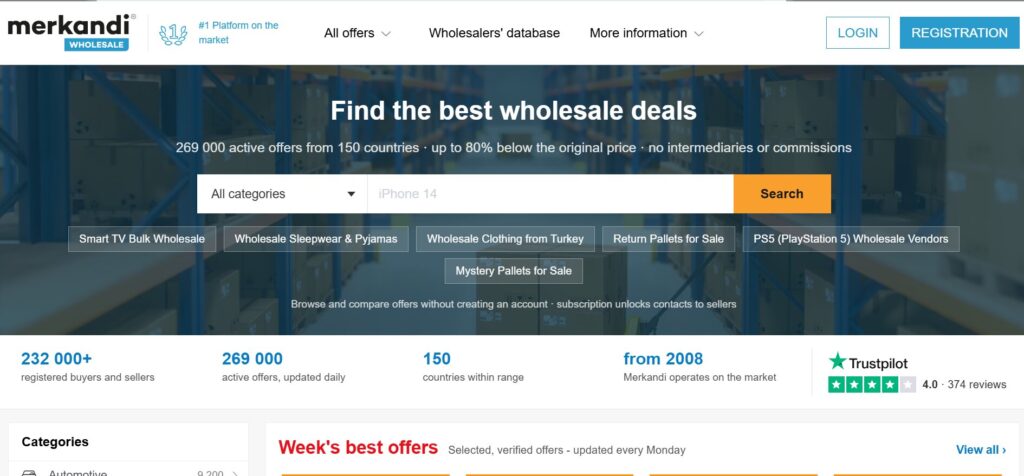
Merkandi is best for experienced resellers sourcing liquidation stock, customer returns, and surplus inventory from European wholesalers.
The platform lists bulk offers across electronics, clothing, household goods, appliances, and other categories. Many listings involve pallets, mixed lots, or larger quantities of discounted merchandise.
- Type: Wholesale directory and classifieds platform
- Cost to buy: Paid membership required for full supplier access; pricing depends on account tier
- Seller fees: Subscription-based plans rather than transaction commissions
- MOQ: Seller-set, commonly pallet or lot-based
- Buyer protection: No marketplace escrow or transaction guarantee
- Geography: International, with a strong European supplier network
Ideal for: Liquidation buyers, discount retailers, and experienced resellers comfortable evaluating bulk inventory.
The most important distinction is that Merkandi doesn’t process transactions between buyers and sellers. It provides supplier listings and contact information, but buyers negotiate prices, payment arrangements, and delivery directly with individual wholesalers.
Merkandi explicitly confirms this in its official registration and buyer information. Although the company verifies sellers before allowing listings, it cannot guarantee product authenticity or supplier reliability.
For liquidation orders, we’d request a detailed stock manifest showing quantities, product conditions, brands, and model numbers. Where possible, arrange an independent inspection before paying for an expensive pallet or truckload.
Also calculate the likely resale value of usable inventory rather than assuming every item in a liquidation lot can be sold at the advertised retail price.
Cons: Merkandi offers no centralized payment protection or dispute resolution for purchases. Membership fees apply even if you don’t find suitable suppliers, and refund eligibility can be restricted once you’ve accessed its services. Stock condition and listing accuracy require independent verification.
15. goWholesale
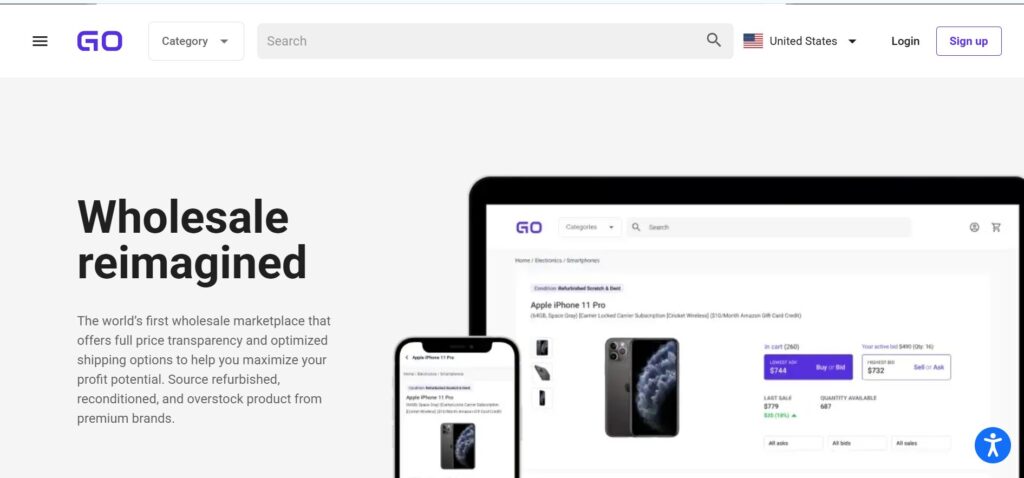
goWholesale is best for resellers purchasing refurbished products, customer returns, and excess inventory without committing to large liquidation pallets.
The platform offers merchandise across electronics, home goods, furniture, apparel, and other categories. Its inventory model is closely tied to returns processing and refurbishment, with additional third-party seller participation.
- Type: Primarily first-party wholesale storefront with marketplace features
- Cost to buy: Free account registration
- Seller fees: Seller-specific arrangements; current commission rates aren’t publicly confirmed
- MOQ: No standard platform-wide minimum; buyers can mix products
- Buyer protection: Limited returns and cancellation policies; 10% restocking fee may apply
- Geography: Primarily North America
Ideal for: Online resellers, discount stores, and businesses testing refurbished or returned merchandise in smaller quantities.
Unlike traditional pallet liquidation platforms, goWholesale allows buyers to select individual products and submit offers on available inventory.
Its official buying process confirms that customers can register, purchase or make offers, choose shipping options, and complete checkout through the platform.
One important consideration is its 10% restocking fee. According to goWholesale’s cancellation policy, canceled orders and refused shipments incur a 10% fee. Orders generally cannot be canceled once shipped.
Its return policy also states that sales are generally final, with a 10% restocking fee on authorized returns.
We’d therefore recommend reviewing product conditions, including accessories, shipping charges, and resale margins before completing checkout.
Cons: Returned and refurbished inventory carries condition-related risks, including missing accessories, packaging damage, and inconsistent resale values. The restrictive cancellation and return policies make purchasing mistakes potentially expensive.
Which should you choose? Airgoods is the strongest fit for US food and beverage retailers. Merkandi suits experienced liquidation buyers who can independently verify suppliers and inventory, while goWholesale is worth considering for smaller purchases of refurbished and returned merchandise.
Best Wholesale Directories and Discovery Platforms
Wholesale directories are useful when you want to compare suppliers and negotiate directly rather than rely entirely on a marketplace’s existing catalog and pricing.
We’ve included three options here: Wholesale Central for US supplier research, SaleHoo for a paid supplier database, and RangeMe for brands looking to reach retail buyers.
Platform pricing and features checked against official information available in November 2026.
16. Wholesale Central
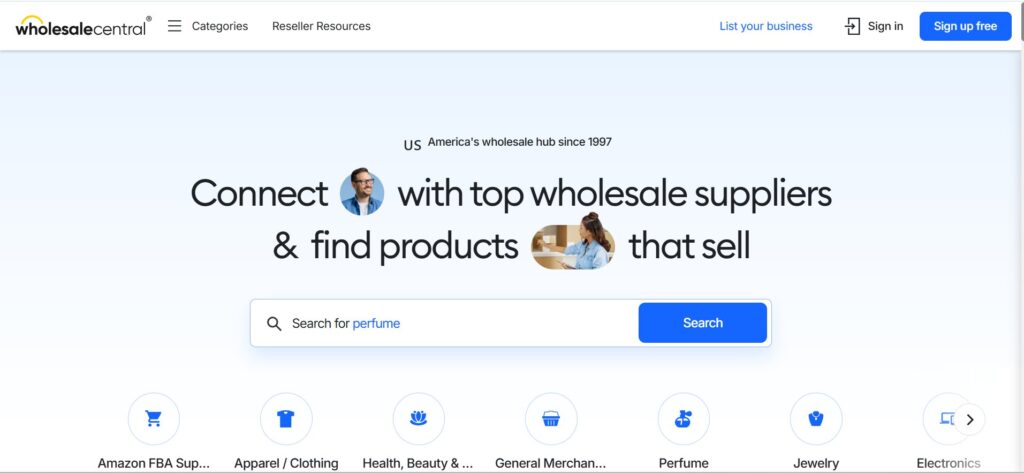
Wholesale Central is best for retailers and resellers looking for US-based wholesalers without paying a supplier-directory membership fee.
The platform covers apparel, electronics, beauty, home goods, gifts, and other wholesale categories.
- Type: Wholesale supplier directory with ordering features
- Cost to buy: Free supplier browsing
- Seller fees: Paid supplier listings and promotional plans
- MOQ: Determined by individual suppliers
- Buyer protection: No verified platform-wide purchase guarantee
- Geography: Primarily United States
Ideal for: US retailers and online resellers who prefer contacting domestic wholesalers and negotiating their own purchasing terms.
Wholesale Central has expanded beyond its traditional directory format. Its 2026 platform updates describe supplier storefronts, product listings, shopping carts, and checkout functionality. However, availability depends on the supplier, so buyers may still need to negotiate directly.
We’d use the directory to build a supplier shortlist, then confirm minimum orders, resale documentation, shipping costs, and return policies before placing an order.
Cons: Supplier verification doesn’t guarantee product quality or reliable delivery. There is no confirmed marketplace-wide payment protection covering every supplier, so you’ll need to evaluate each seller independently.
17. SaleHoo
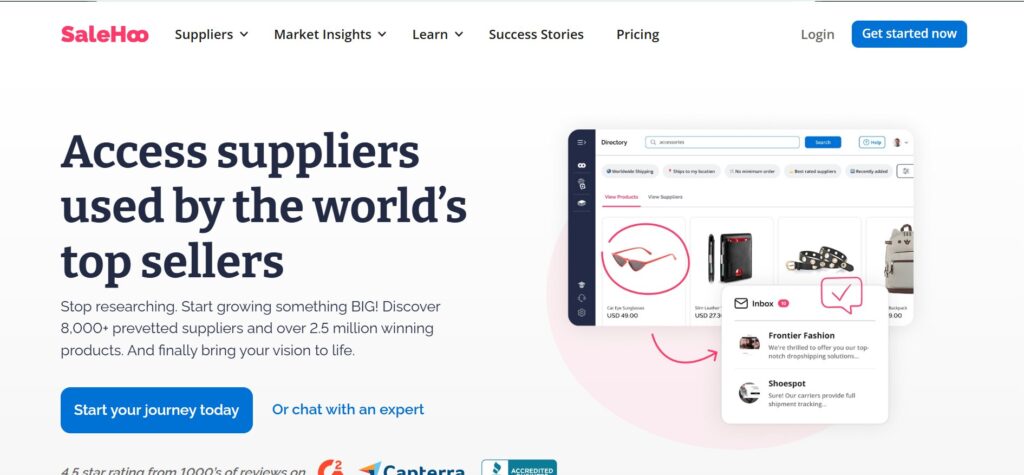
SaleHoo is best for ecommerce entrepreneurs who want access to a researched supplier database, product research tools, and sourcing guidance.
It provides access to more than 8,000 suppliers across wholesale and dropshipping categories, including products for Shopify and other online stores.
- Type: Paid supplier directory and ecommerce research platform
- Cost to buy: Current Starter plan 9/monthbilledannually (108/year); legacy Directory offers may differ
- Seller fees: No standard marketplace transaction commission; suppliers transact directly
- MOQ: Depends on the supplier
- Buyer protection: Membership refund terms, not supplier-order protection
- Geography: New Zealand-based, with suppliers worldwide
Ideal for: Online sellers who want to research suppliers and products before negotiating wholesale orders.
SaleHoo advertises more than 8,000 vetted suppliers, but its pricing has evolved. Its current pricing page lists a Starter plan at $9 per month billed annually, while a separate Directory offer still advertises $67 annually after a $1 seven-day trial. This distinction matters when comparing subscription costs.
We’d check whether a subscription gives you access to suppliers you couldn’t already find independently. The real value comes from saving research time and identifying suppliers that fit your product category and order size.
Cons: SaleHoo doesn’t handle supplier fulfillment or guarantee the quality of your orders. Its directory can also include suppliers offering widely available products, making differentiation difficult for retailers.
18. RangeMe
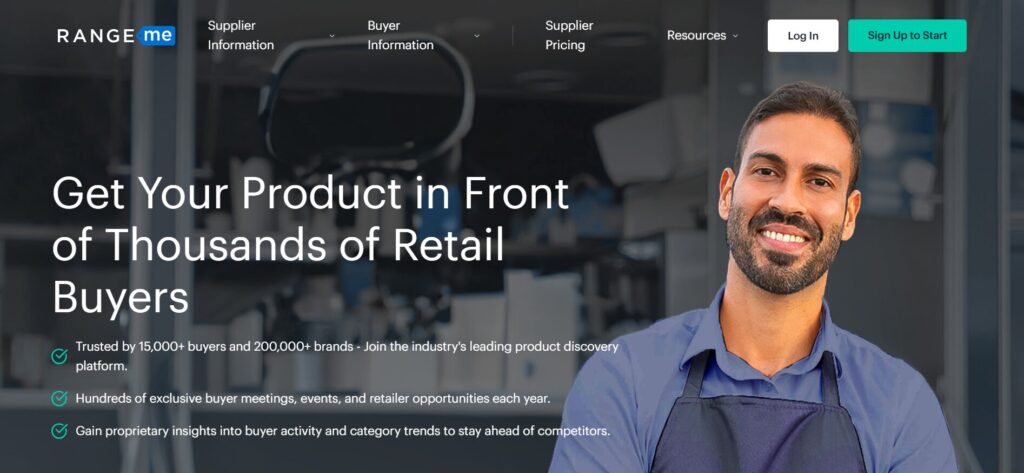
RangeMe is best for consumer product brands looking to introduce their products to retail buyers, distributors, and category managers.
Unlike most platforms in this list, RangeMe focuses on helping brands secure retail relationships rather than letting resellers purchase wholesale inventory.
- Type: Product discovery and retail-buyer outreach platform
- Cost to buy: Free for retail buyers
- Seller fees: Free plan; Starter $99/year, Premium $1,399/year, Pro $2,499/year
- MOQ: Not applicable to platform discovery; negotiated with buyers
- Buyer protection: No standard marketplace escrow or transaction guarantee
- Geography: International, with a strong North American retail network
Ideal for: Consumer brands seeking retail distribution, including those targeting supermarkets, specialty retailers, and larger chains.
Brands can upload product information, packaging details, certifications, and pricing to build a digital profile for retail buyers.
RangeMe’s official pricing page confirms that the free plan supports up to three products. Paid tiers unlock expanded listings, retailer submission opportunities, visibility tools, and buyer insights. Some opportunities require a paid subscription, and purchasing a plan doesn’t guarantee retailer interest.
We see RangeMe as a useful option when your products are retail-ready and your main challenge is reaching buyers who make purchasing decisions for stores.
Cons: RangeMe isn’t designed for general wholesale purchasing or supplier sourcing. Its premium tiers can represent a significant expense for smaller brands, with no guarantee of buyer responses, meetings, or purchase orders.
When does a directory beat a marketplace? We’d choose a directory when supplier discovery is the main challenge and you’re comfortable negotiating prices, arranging inspections, and managing payments independently. A transactional marketplace is usually more convenient when you want standardized ordering and clearly defined purchase protections.
Why Are Some Wholesale Marketplaces Missing?
Several wholesale marketplaces featured in older buying guides have shut down, changed ownership, or moved into different business models. Some still appear in search results, making it difficult to tell which platforms are actually worth using.
We’ve reviewed these changes as of November 2026 and excluded platforms that are no longer operating in their original form or don’t fit this comparison.
Wholesale Marketplaces That Shut Down
- Tundra (July 2023): Closed its wholesale marketplace amid competition with Faire. Its antitrust lawsuit against Faire was dismissed with prejudice on February 25, 2025.
- Handshake (October 2023): Shopify retired Handshake shortly after announcing its partnership with Faire, which became Shopify’s recommended wholesale marketplace.
- Abound (June 2023): Transitioned from its original wholesale marketplace to Droply, a dropshipping platform. Abound and Droply were acquired by Carro in January 2024.
- Boutsy (closure date unconfirmed): Its former wholesale marketplace is no longer verifiably operational. We couldn’t establish an official shutdown date.
- Trayde (September 2024): Its UK operating company, TRAYDE LTD, was dissolved on September 24, 2024, according to Companies House.
Creoate Entered Administration in September 2026
Creoate Limited entered administration on September 10, 2026, according to official UK Companies House records.
However, there’s an important development: administrators sold Creoate’s business and assets to Clifton Ventures Holding Limited on October 2, 2026.
This means Creoate shouldn’t automatically be described as permanently closed. The sale also doesn’t establish that its previous payment terms, seller obligations, and buyer protections remain unchanged.
What’s concerning is that Shopify’s July 2026 wholesale marketplace guide and SaleHoo’s August 2026 guide still recommend Creoate without reflecting its subsequent administration.
We’ve therefore left Creoate out of our recommended platforms until its post-acquisition operating arrangements and buyer protections can be independently confirmed.
Wholesale Platforms That Changed Direction
Dropee rebranded to Borong in October 2023, expanding its business beyond its original wholesale and dropshipping model.
Today, Borong provides B2B procurement, distribution, and digital commerce solutions for Malaysian businesses and larger corporate customers.
It’s still an active business, but its regional procurement focus makes it less suitable for this general wholesale marketplace comparison.
Platforms Excluded Due to Buyer Concerns
Two other active platforms didn’t make our shortlist because of their review histories and limitations for international sourcing.
- TradeIndia: An India-focused B2B supplier discovery platform. As of November 2026, its Trustpilot rating was approximately 1.5/5 across 106 reviews. Complaints include allegedly poor-quality business leads, aggressive sales practices, and difficulties obtaining refunds.
- EC21: A South Korean B2B marketplace that still connects international buyers and suppliers. Its Trustpilot rating was approximately 1.8/5 across 14 reviews, including allegations of unreliable suppliers and fraudulent transactions.
These are customer-reported complaints, not independently proven findings. Review samples are also relatively small, so they shouldn’t be treated as definitive measures of every supplier’s reliability.
For substantial orders, we’d prioritize independently verified suppliers and avoid paying large deposits without clear contractual protections.
Services Commonly Misclassified as Marketplaces
Two other names deserve clarification:
- Contarmarket: A US wholesale distributor selling products through its own storefront and supplier network. Although it uses marketplace terminology, buyers primarily purchase from Contarmarket itself rather than independently transacting with multiple sellers. It’s more accurately categorized as a first-party wholesale store.
- CJDropshipping: A product sourcing and order fulfillment service offering warehousing, dropshipping, and logistics support. It’s useful for testing products without committing to wholesale inventory, but it doesn’t operate like a conventional multi-seller wholesale marketplace.
How We Verified These Platforms
We checked operating status and business models in November 2026 using official websites, company-registry records, insolvency filings, acquisition announcements, and publicly available customer reviews.
For discontinued platforms, we distinguished confirmed closures from acquisitions, rebrands, and administration proceedings. We also reviewed whether services actually process wholesale transactions or primarily provide supplier discovery and fulfillment.
Platform ownership, pricing, and buyer protections can change, so we recommend confirming current terms before making substantial purchasing commitments.
How to Choose a Wholesale Marketplace
The best wholesale marketplace depends on your budget, product category, order volume, and the level of purchasing risk you’re comfortable taking.
Before choosing a platform, we recommend comparing these eight factors. They’ll help you evaluate the actual cost of sourcing products and avoid problems that aren’t always obvious from supplier listings.
1. Match the MOQ to Your Budget
Minimum order quantity (MOQ) determines how much inventory you must purchase upfront.
For example, if a supplier requires 500 units at $8 each, that’s a $4,000 inventory commitment before shipping, duties, or inspection costs.
- Small test orders: Consider DHgate, Faire, or other low-MOQ marketplaces.
- Established retail stores: Faire, FashionGo, and Orderchamp support smaller brand-specific orders.
- Bulk or custom manufacturing: Alibaba and Made-in-China offer more room for factory-level negotiations.
We’d suggest testing demand with smaller orders before committing to large production runs, particularly for unfamiliar products.
2. Compare Commissions and Platform Fees
Marketplace fees affect supplier margins and can influence the wholesale prices buyers receive.
Commission-based marketplaces commonly charge around 10–25%, although actual rates depend on the platform, order type, and seller agreement.
Here are some verified examples from 2026:
- Airgoods: 15% commission, plus $10 on opening orders; qualifying Airgoods Direct orders have 0% commission.
- Orderchamp: Published rates start at 18% for marketplace-acquired first orders and 7% for reorders, with lower volume-based tiers.
- Ankorstore: Replaced traditional commissions with a 3% payment fee and a €49 charge for qualifying newly acquired customers.
For buyers, we’d compare the final cost per unit across suppliers, including shipping and taxes. A marketplace that’s free to join can still offer less competitive wholesale pricing if sellers build commission costs into their quotes.
3. Check Payment Terms Before Ordering
Flexible payment terms can help retailers manage cash flow, especially when stocking inventory ahead of seasonal demand.
Common options include:
- Net-30: Pay 30 days after the agreed starting date.
- Net-60: Pay after 60 days.
- Net-90: Pay after 90 days.
Faire, FashionGo, Airgoods, and Ankorstore offer deferred payment options for eligible retailers.
For example, Ankorstore’s November 2026 payment documentation confirms 30-, 60-, and 90-day options, although eligibility depends on the retailer and country.
One distinction worth checking: buyer payment terms and seller payout schedules aren’t necessarily the same. Airgoods, for instance, lets sellers choose payout timing independently, with different processing fees.
We’d prioritize longer payment terms when inventory turnover is predictable, but avoid assuming every business will qualify.
4. Evaluate Buyer Protection and Escrow
Payment protection becomes increasingly important as order values grow.
Wholesale platforms offer different levels of protection:
| Protection Level | How It Works | Examples |
| Escrow or payment protection | Payment release or dispute procedures follow platform rules | Alibaba Trade Assurance, Made-in-China STS |
| Managed checkout and returns | Platform handles ordering, with defined refund or return policies | Faire, FashionGo |
| Supplier-direct transactions | Buyers negotiate payments and resolve disputes independently | Wholesale Central, Merkandi |
Before paying, check whether the protection covers product defects, incorrect specifications, late delivery, and supplier nonperformance.
We’d also keep product specifications, delivery deadlines, and payment conditions in writing. Even where escrow exists, disputes are generally evaluated against the agreed order terms.
5. Verify Suppliers Beyond Their Badges
Supplier verification programs aren’t standardized across wholesale marketplaces.
For example, Made-in-China offers third-party Audited Supplier reports, while Alibaba uses supplier verification programs with different levels of business and operational checks.
Neither automatically guarantees the quality of your actual shipment.
Before placing a substantial order, we recommend:
- Checking business registration and manufacturing capabilities.
- Requesting samples against written product specifications.
- Confirming production capacity and lead times.
- Arranging a pre-shipment quality inspection for larger orders.
The key is understanding exactly what a verification badge confirms rather than assuming every listed supplier has passed the same checks.
6. Consider Geography and Total Shipping Costs
A lower wholesale price doesn’t always result in a lower landed cost.
Consider this illustrative comparison:
| Cost Component | Domestic Supplier | Overseas Supplier |
| Product cost per unit | $12 | $7 |
| Shipping per unit | $1 | $3 |
| Duties and clearance per unit | $0 | $2 |
| Total landed cost | $13 | $12 |
The overseas supplier saves just $1 per unit in this hypothetical example, despite having a $5 lower product price.
For US retailers, domestic options such as FashionGo can simplify shipping and eliminate import procedures. European retailers may find similar advantages with Orderchamp or Ankorstore.
When importing, always compare freight, applicable duties, customs clearance, insurance, and delivery terms.
These costs directly affect your ecommerce profit margins.
7. Choose Platforms With Category Expertise
General wholesale marketplaces offer broad product selection, but category-specific platforms can provide a more focused supplier network.
For example:
- FashionGo: Apparel, footwear, and accessories for fashion retailers.
- Airgoods: Food, beverages, and specialty grocery products.
- IndieMe: Handmade goods from US and Canadian artists.
- Made-in-China: Machinery, industrial products, and manufacturing components.
We’d start with category-specific platforms when product selection, replenishment, or supplier specialization matters more than browsing the widest possible catalog.
For custom manufacturing across multiple categories, larger sourcing marketplaces may offer greater flexibility.
8. Assess Platform Stability and Exit Risk
Wholesale relationships can become difficult to manage if a platform changes ownership, restructures, or experiences financial problems.
Creoate illustrates this risk. The company entered administration on September 10, 2026, and its business and assets were sold on October 2, according to UK Companies House filings.
Before depending heavily on any marketplace, we’d check recent reviews for recurring complaints about delayed payouts, refunds, and account restrictions.
It’s also worth maintaining direct supplier contact information where permitted, keeping copies of invoices, and avoiding unnecessary dependence on a single sourcing channel.
Our recommendation: Shortlist two or three marketplaces that match your product category and budget. Then compare the same products using landed cost, MOQ, payment terms, and buyer protection before placing your first substantial order.
Wholesale Marketplace vs Platform vs Directory
These terms are often used interchangeably, but they describe different ways to find suppliers and purchase wholesale products. Understanding the differences helps you choose the right sourcing method.
- Wholesale marketplace: Connects multiple suppliers and buyers, typically allowing businesses to browse products and place orders through a shared platform. Examples include Alibaba, Faire, and FashionGo.
- B2B marketplace: A broader category covering wholesale trade, industrial procurement, and business-to-business transactions. Explore our guide to B2B marketplaces.
- Wholesale website: Any website selling products at wholesale prices, including individual distributors, manufacturers, and marketplaces. See our comparison of the best wholesale websites.
- China wholesale platforms: Websites such as 1688 and Taobao that primarily serve Chinese buyers and may require additional help with payments, language, and international shipping. Compare Chinese wholesale websites.
- Sourcing websites: A wider group of supplier discovery channels, including directories, marketplaces, and manufacturer databases. Explore our list of product sourcing websites.
- Wholesale buying process: The practical steps involved in selecting suppliers, negotiating minimum orders, verifying products, and arranging delivery. Our guide explains how to buy wholesale.
The main distinction is who handles the transaction. A marketplace may provide checkout and payment protection, while a supplier directory generally leaves negotiation, payment, and dispute resolution to the buyer and seller.
Wholesale Marketplace vs. Sourcing Agent
Wholesale marketplaces work well for finding suppliers, comparing prices, and placing standard product orders. However, as your business grows, managing multiple suppliers, production quality, and international shipping can become more complicated.
A sourcing agent can take over much of that coordination, particularly when you’re importing products from China.
We’d consider working with a sourcing agent when you need:
- Custom or private-label products: Find manufacturers that can produce products to your specifications, including custom packaging and branding.
- Quality control: Arrange factory checks, sample approvals, and pre-shipment inspections before products leave the manufacturer.
- Consolidated shipping: Combine orders from multiple suppliers into fewer shipments to reduce handling and potentially lower freight costs.
- MOQ and price negotiations: Explore smaller production runs or better volume pricing through direct discussions with manufacturers, although concessions aren’t guaranteed.
- Ongoing supplier management: Coordinate production schedules, resolve supplier issues, and monitor repeat orders.
For example, if you’re purchasing products from three different Alibaba suppliers, each may have separate payment terms, production timelines, and shipping arrangements. A China-based sourcing agent can coordinate these orders, inspect the goods, and consolidate shipments where practical.
Our recommendation: Use marketplaces to discover products and test demand. Once you have consistent sales or need customized manufacturing, compare the total cost of working directly with suppliers against using a sourcing agent.
At NicheSources, we help businesses source products from China, manage quality inspections, and arrange international shipping. Our sourcing service has no upfront fee, with service charges applied to approved orders.
A marketplace may still be the better choice for occasional purchases or small, straightforward orders. A sourcing agent generally becomes more valuable when supplier coordination, quality requirements, or shipment complexity justify the additional service cost.
FAQs about Online Wholesale Marketplaces
Which Is the Best Wholesale Marketplace?
It could be misleading to pick one marketplace and proclaim it as the best overall. This is because every business has different sourcing needs and, therefore, what works for your business may not work for another.
So, here is a better response. The best wholesale marketplace is one that meets your business’ sourcing requirements.
If you can find exactly what you need in an online wholesale marketplace, at a favorable price, and the suppliers ship to your destination, then you are certainly on the right platform.
What Are the Benefits of Sourcing Goods from an Online Wholesale Marketplace?
Sourcing goods wholesale means that you will be buying in bulk. As such, it is understandable that you may feel skeptical about doing so online.
However, here are some benefits of online marketplaces that are worth considering.
Online wholesale marketplaces give you access to numerous suppliers at your convenience. They make sourcing goods much easier, faster, and cheaper.
Product prices on wholesale marketplaces are affordable and could thus boost the profitability of your business.
Online wholesale marketplaces list goods from different brands. This allows you to compare different options and choose a suitable supplier for your business.
Beyond just sourcing goods, some wholesale marketplaces also provide business support services such as dropshipping order fulfillment, access to virtual trade shows, and escrow to secure payments.
What Factors Should I Consider When Choosing an Online Wholesale Marketplace to Source Goods from?
It is advisable to consider:
Product variety – aim for a marketplace whose suppliers sell what you need as well as other products related to your niche. The latter will, particularly, be instrumental for the growth of your business.
Prices – compare prices on different platforms and identify one or two where suppliers offer the best value for money. Factor in costs like shipping too to get better price estimates.
Minimum Order Quantity/Value – aim for a wholesale marketplace where suppliers sell at a minimum order quantity or minimum order value that matches your budget and the quantity of goods you require.
Shipping – what areas do suppliers on the marketplace ship to? How long does it take and how much does it cost? Is it possible to find quicker or better shipping terms on another wholesale marketplace?
The brands/suppliers – every wholesale marketplace lists products from specific brands or suppliers. Examine their reputation and reliability through ratings on the platform and independent reviews to avoid scams and other mishaps.
Which Wholesale Marketplace Is Best for Retailers?
For general retail stores, Faire offers a broad selection of independent brands. FashionGo is better suited to apparel boutiques, while Airgoods specializes in food and beverages. European retailers can compare Orderchamp and Ankorstore for regional suppliers. The most useful starting point is your product category, followed by location, minimum order requirements, and replenishment options.
What Are the Best Websites Like Faire?
Orderchamp and Ankorstore are among the closest alternatives to Faire for European retailers. Both offer curated brands, relatively low order minimums, and eligible deferred payment options.
For more specialized needs, FashionGo focuses on clothing and accessories, Airgoods on specialty food and beverages, and IndieMe on North American handmade products. Availability and purchasing conditions differ by region and retailer eligibility.
Are US or European Wholesale Marketplaces Better?
Neither region is universally better. US-based platforms such as FashionGo can simplify domestic sourcing for American retailers, while Orderchamp and Ankorstore may offer similar advantages to European buyers.
We’d generally start with suppliers in your selling region when delivery speed and straightforward returns matter. International sourcing can offer different product options, but customs duties, freight charges, and delivery timelines should be included in your comparison.
What Commissions Do Wholesale Marketplaces Charge?
Commission structures vary by platform and transaction type. For example, Airgoods publishes a 15% commission, plus $10 on opening orders. Orderchamp lists an 18% starting commission for marketplace-acquired first orders, with lower rates for qualifying reorders and sales tiers.
Ankorstore uses a different structure, charging a 3% payment fee and a conditional €49 customer-acquisition fee. Other platforms rely on subscriptions instead.
Do You Need a Business License to Buy Wholesale?
It depends on the marketplace, your location, and what you’re purchasing. Platforms such as Faire and FashionGo generally require business verification, which may involve a resale certificate or seller’s permit.
Alibaba and DHgate are more accessible without business documentation, although commercial import and resale obligations may still apply. Check the relevant tax registration, product compliance, and import requirements before purchasing inventory for resale.
When Should You Use a Sourcing Agent Instead?
A sourcing agent becomes useful when sourcing involves custom manufacturing, supplier negotiations, inspections, or coordinating several factories.
For small, straightforward purchases, ordering through a marketplace may be more economical. We’d consider an agent once repeat order volumes, quality requirements, or logistics complexity justify the service fee. Compare total sourcing costs and responsibilities before deciding, rather than assuming an agent will always deliver lower prices.