Key Takeaway: Yes, for fashion and costume jewelry, zinc alloy is an excellent choice due to its low cost and exceptional design versatility.
At NicheSources, we often see clients choose it to create intricate, trend-focused pieces cost-effectively. However, it is less durable than stainless steel and can tarnish or cause allergies if not sourced from quality-verified manufacturers with proper plating.
This guide will help you weigh these factors from a sourcing perspective.
What Exactly Is Zinc Alloy in Jewelry?
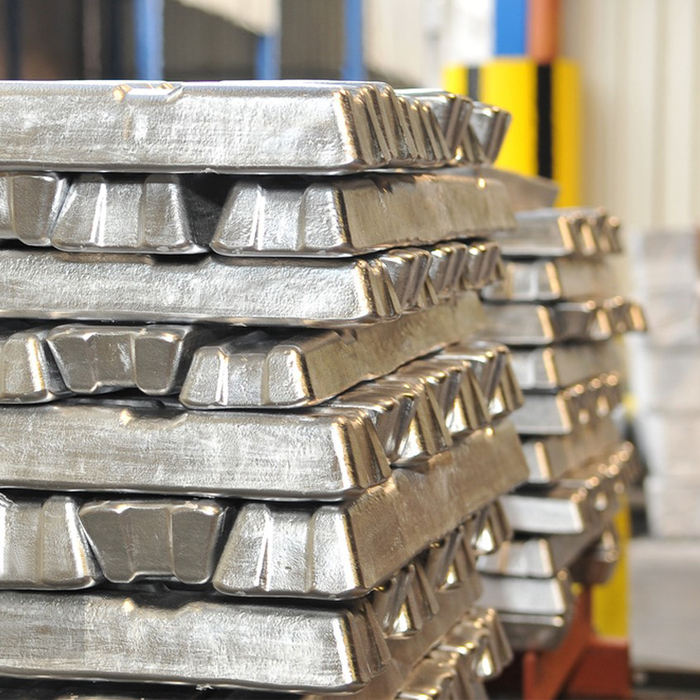
Zinc alloy for jewelry is a metal created by melting zinc and mixing it with other elements like copper, aluminum, and magnesium.
This combination, often called Zamak, results in a material that is surprisingly versatile. Unlike raw zinc, this alloy is specifically engineered for casting, allowing it to be molded into detailed and complex shapes.
In the jewelry industry, you might hear it referred to as “zinc-based alloy,” “pot metal,” or simply “fashion jewelry alloy.” Its popularity stems from a simple formula: it offers a low-cost, highly malleable base material that is perfect for creating beautiful, intricate designs that would be too expensive or difficult to produce with other metals.
Is Zinc Alloy a Good Choice for Your Jewelry Business?
So, should you use zinc alloy for your products? The answer depends entirely on your brand’s goals, target market, and product positioning. To simplify the decision, here is a straightforward breakdown of its main advantages and disadvantages.
| Pros (Advantages) | Cons (Disadvantages) |
| Highly Affordable & Cost-Effective | Can Tarnish or Discolor Over Time |
| Excellent for Complex & Detailed Designs | Not Fully Hypoallergenic (May Contain Nickel) |
| Lightweight and Comfortable to Wear | Less Durable Than Stainless Steel or Brass |
| Good for Plating (Gold, Silver, etc.) | Can Bend or Break Under High Stress |
In short, zinc alloy is the ideal material for fast-fashion jewelry, promotional items, or any collection where creative design and budget are the primary drivers. For high-end, daily-wear, or heirloom-quality pieces where longevity is paramount, you should explore more durable and inert materials.
Key Benefits of Using Zinc Alloy
Zinc alloy presents several compelling advantages that make it a strategic choice for many jewelry brands, especially those in the fashion sector.
Unbeatable Cost-Effectiveness
Zinc alloy’s primary advantage is its low cost. Both the raw material and the manufacturing process are significantly cheaper than for brass, stainless steel, or precious metals.
Zinc alloy raw materials (typically Zamak grades) are currently trading at roughly $3.3 per kg—often 60-70% less than brass ingots (around $11–12 per kg in major markets), according to March 2026 data from Made-in-China supplier quotes.
Its low melting point (around 380–420°C for popular jewelry-grade Zamak alloys) — far below brass (~900–940°C) or stainless steel (1,375–1,530°C) — means substantially less energy is consumed during production.
Design Freedom and Versatility
Zinc alloy possesses excellent fluidity when molten, allowing it to fill intricate and complex molds with high precision. This means you can create detailed, elaborate designs—from delicate filigree to bold, sculptural shapes—that would be difficult or prohibitively expensive to achieve with other metals.
If your brand’s unique selling proposition is design, zinc alloy gives your creative team unparalleled freedom.
Perfect Base for Plating
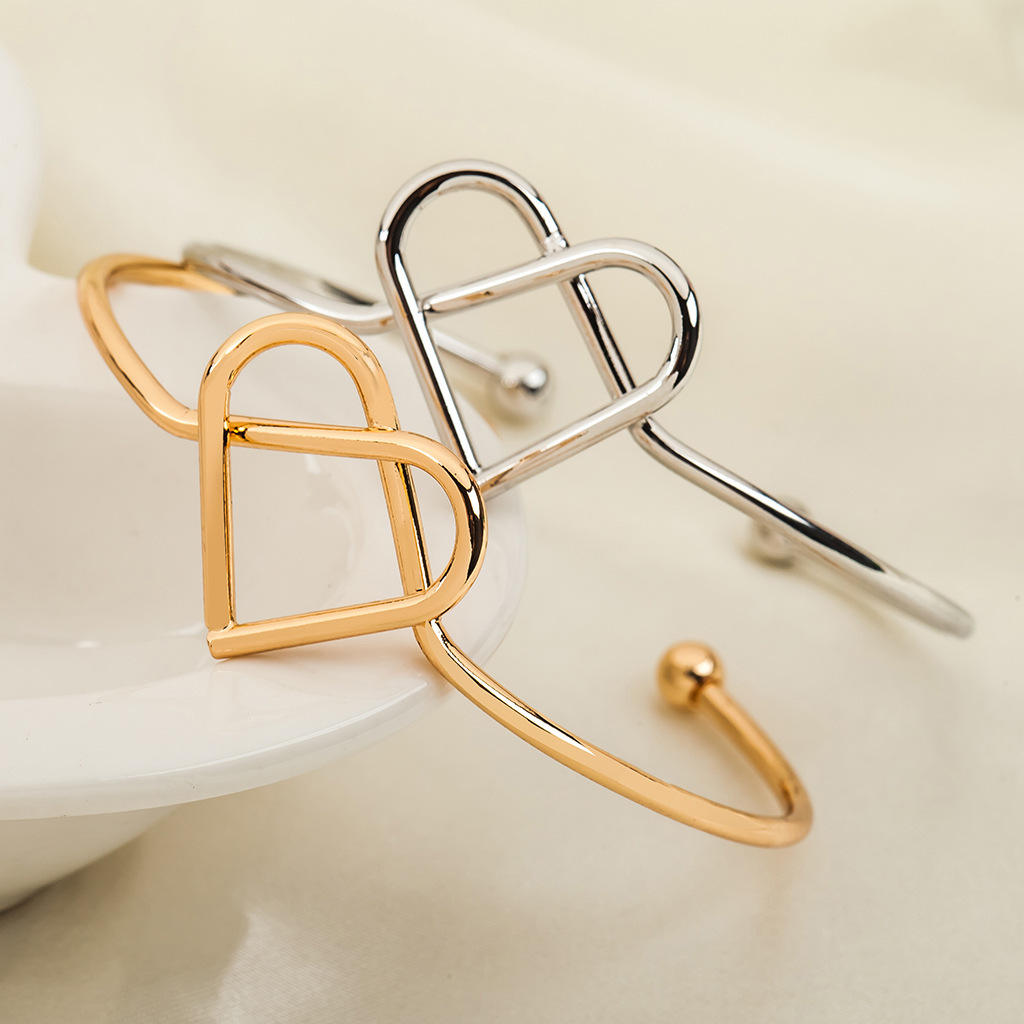
The smooth, uniform surface of a well-cast zinc alloy piece makes it an ideal substrate for electroplating. It readily accepts a variety of finishes, including gold, silver, rhodium, and antique patinas.
This enables you to offer jewelry with the luxurious appearance of precious metals at a fraction of the cost, giving your customers high-end looks on a budget.
Lightweight for Comfortable Wear
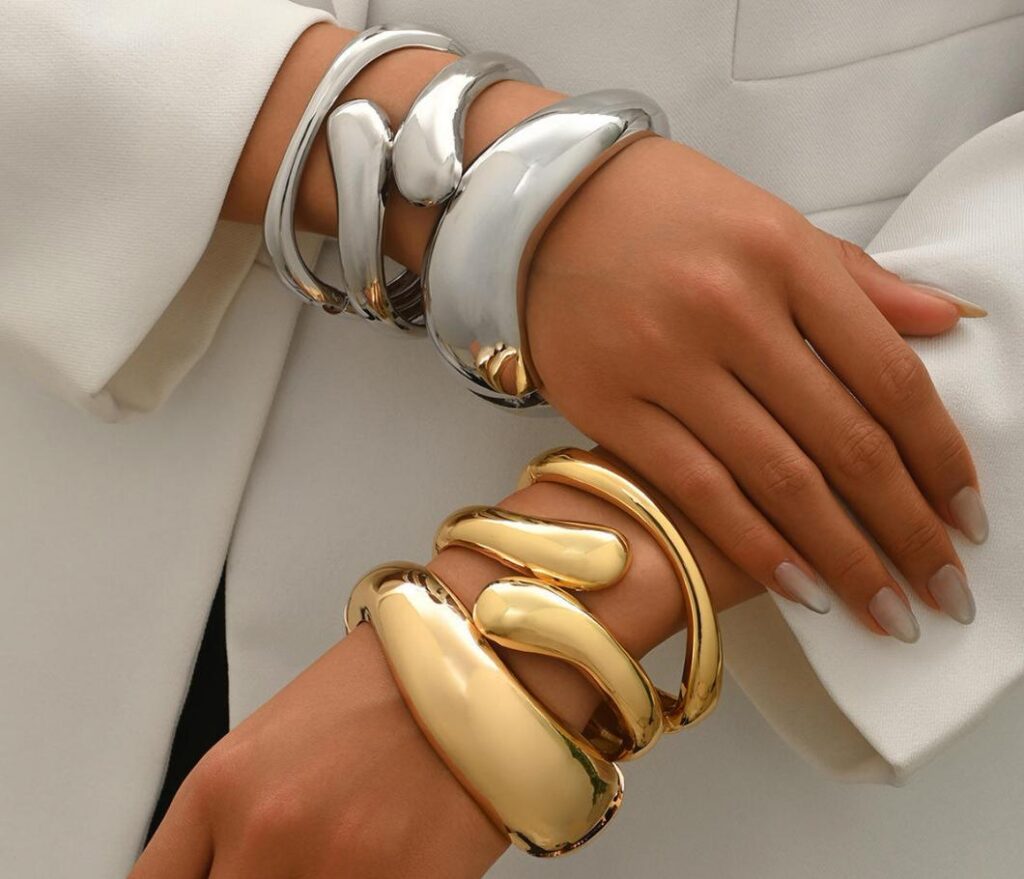
Compared to brass or stainless steel, zinc alloy is noticeably lighter. This is a significant advantage for designing large, statement pieces like chandelier earrings or chunky necklaces.
The reduced weight ensures the final product is comfortable for the customer to wear for extended periods, improving the overall customer experience and reducing the likelihood of returns due to discomfort.
Potential Downsides to Consider
Being aware of zinc alloy’s limitations is crucial for managing product quality and customer expectations. A transparent approach to these issues builds trust in your brand.
Does Zinc Alloy Jewelry Tarnish?
Yes, eventually, it can. The base metal itself is reactive and will oxidize when exposed to air, moisture, and the natural oils and acids from skin. However, the more critical factor is the quality of the protective plating. Thin or low-quality plating (under 1 micron) often wears through within months of regular use, exposing the zinc alloy underneath and leading to discoloration.
In contrast, high-quality plating—such as 1–3 microns or thicker layers of gold or rhodium—can keep zinc alloy jewelry looking fresh for 1 to 3 years or more with proper care (removing pieces before water exposure or lotion application and storing them dry). Many jewelry suppliers recommend this thickness for lasting color.
For jewelry designed to last without tarnishing, exploring alternative materials is key. You can learn more about them in our guide to jewelry metals that don’t tarnish.
Is Zinc Alloy Safe for Skin?
This is a major concern for many brands. Pure zinc is generally safe, but zinc alloys can sometimes contain nickel, a common allergen that causes skin irritation for a significant portion of the population.
This is a critical point where quality control in sourcing becomes paramount. As a sourcing agent, we make it a standard practice to require our partner factories to provide nickel-free and lead-free alloys that comply with US and EU regulations.
How Durable Are Zinc Alloy Pieces?
Zinc alloy offers moderate durability for jewelry applications. It is a relatively soft metal compared to stainless steel or brass, with a typical Brinell hardness rating of 80-100 HB versus stainless steel’s 150-200 HB see typical Zamak zinc alloy properties. This makes zinc alloy jewelry more prone to bending, scratching, or denting under significant stress or repeated impact.
For this reason, it is not the ideal choice for items subjected to constant high pressure, such as the band of a ring worn daily. However, it is perfectly suitable for less-stressed items like earrings, pendants, brooches, and statement necklaces where its design flexibility is a greater asset than its structural strength.
Zinc Alloy vs. Other Common Jewelry Metals
To make an informed sourcing decision, it helps to see how zinc alloy stacks up against other popular materials in the fashion jewelry space. Each has its own profile of strengths and weaknesses.
| Feature | Zinc Alloy | Stainless Steel | Brass |
| Cost | Low | Medium | Medium-Low |
| Durability | Medium | Very High | High |
| Hypoallergenic | No (unless specified) | Yes | No (can cause green skin) |
| Tarnish Resistance | Low (needs plating) | Very High | Medium (tarnishes) |
| Design Complexity | Very High | Medium | High |
Zinc Alloy vs. Stainless Steel
This is a primary trade-off between cost/design and durability. From our experience as sourcing agents at NicheSources, stainless steel is far more durable (Brinell hardness 150–200 HB versus zinc alloy’s 80–100 HB), scratch-resistant, and hypoallergenic, making it a superior metal for daily-wear items like rings and bracelets. However, it is harder and more expensive to cast, which limits its design complexity.
Choose stainless steel if your brand prioritizes longevity, a hypoallergenic promise, and a sleek, modern aesthetic. Choose zinc alloy if you need intricate designs, a wide variety of plated finishes, and a lower manufacturing cost.
Zinc Alloy vs. Brass
Brass and zinc alloy are closer competitors. Both are excellent for detailed designs and are cost-effective. Brass is about 20% heavier and stronger than zinc alloy, and it develops a unique vintage-style patina as it tarnishes. However, it can also turn skin green and its higher cost can be a factor. You can explore this material further in our detailed comparison of brass for jewelry.
Choose brass if you want a heavier, more substantial feel and a vintage appeal. Choose zinc alloy if your priority is the lowest possible cost and a smooth base for a wider range of plated finishes.
Sourcing High-Quality Zinc Alloy Jewelry from China
Successfully using zinc alloy in your jewelry line depends almost entirely on the quality of your manufacturing partner. While the material is inexpensive, the sourcing process is filled with potential pitfalls that can erase any cost savings.
From our experience as sourcing agents at NicheSources, the biggest challenge with zinc alloy jewelry from China isn’t the price—it’s consistency. Many factories, in an effort to lower costs even further, may use recycled materials with impurities or apply very thin electroplating (often under 1 micron).
This leads to products that tarnish quickly, break easily, or even fail to meet important safety standards, such as keeping lead content below 100 ppm as required by CPSIA regulations.
Key Quality Checkpoints for Your Manufacturer
When vetting a potential supplier, you must go beyond the price quote. Here are the critical questions to ask:
- Alloy Composition: Request a specification sheet for the alloy they use. Explicitly ask for and get written confirmation that it is lead-free and nickel-free to comply with international standards.
- Plating Thickness: Ask about the thickness of the plating in microns. For fashion jewelry, a layer of 0.5–1.0 microns is standard, but for better durability, you should aim for 1.0–3.0 microns.
- Testing & Samples: Always request pre-production samples for your own evaluation. A reliable manufacturer should be willing to subject their products to third-party testing for material content and durability, such as wear resistance or salt spray tests.
Navigating this process can be challenging, especially for small businesses working with jewelry manufacturers.
How a Sourcing Agent Mitigates Risks
This is where a professional sourcing partner like NicheSources becomes invaluable. We bridge the gap between your brand and the factory floor. Our process includes on-site factory audits, negotiating material specifications, overseeing production quality, and conducting independent final inspections.
We ensure that the zinc alloy products you receive are not only cost-effective but also safe, durable, and beautiful, meeting the standards your customers expect.
Frequently Asked Questions (FAQ)
Can you shower with zinc alloy jewelry?
It is highly recommended to remove zinc alloy jewelry before showering, swimming, or exercising. Water, soap, and other chemicals will accelerate the breakdown of the protective plating and cause the underlying metal to oxidize and tarnish much faster.
How long do zinc alloy rings last?
The lifespan of a zinc alloy ring depends heavily on the plating quality and how it is worn. For a frequently worn ring, the finish may start to show wear in 6 months to a year. For this reason, zinc alloy is better suited for occasional-wear fashion rings rather than daily-use items like engagement or wedding bands.
Will zinc alloy turn my skin green?
It is less likely to than brass or copper. The green tint on skin is typically a reaction to copper. While some zinc alloys contain copper, it is usually not the main component. If the jewelry is well-plated, no reaction should occur. Any reaction would more likely be an allergic one to nickel, not a green stain.
Is zinc alloy a cheap metal?
Yes, in terms of cost, it is one of the most affordable metals used in jewelry manufacturing. However, “cheap” in price does not have to mean “poor” in quality. When manufactured and plated correctly, zinc alloy can be used to create stunning, high-quality fashion jewelry that offers exceptional value.
Conclusion: Make the Smart Choice for Your Brand
Ultimately, zinc alloy is a valuable and strategic material for the fashion jewelry industry. Its low cost and incredible design flexibility provide a powerful combination for brands looking to produce trend-driven, visually appealing pieces on a budget. The key to success with zinc alloy lies not in the material itself, but in the quality of its execution.
By understanding its pros and cons, and by partnering with a reliable manufacturer who can guarantee material safety and high-quality plating, you can confidently leverage zinc alloy to grow your product line.
If you are looking for a trustworthy partner to source zinc alloy jewelry from China, or if you are unsure which material best suits your design and budget, contact NicheSources today. Our team of experts can provide a free consultation to guide you through the entire process, from design and material selection to final delivery.