Stuck sorting through Alibaba listings, only to find the order is too big or the shipping bill stings? You have 15 other options. This guide compares sourcing websites like Alibaba across China, the US, India, and Europe, so you can pick the one that fits your product and budget.
Start small? Try DHgate or AliExpress, where you can often buy just one item. Want to compare factory quotes? Check 1688, but plan for help with Chinese listings, payment, and shipping. For US suppliers, search Thomasnet. For shop stock, browse Faire.
You’ll also see where IndiaMART and TradeIndia fit. Along the way, we explain minimum orders, fees, payment options, and language hurdles. That way, you can price your next order without surprises.
Key Takeaways
- Pricing: Domestic Chinese platforms offer the lowest rates. In fact, 1688 list prices typically run 15–40% below Alibaba, though you usually need a local agent to pay in RMB and pack export crates.
- MOQ: Minimum order sizes match your scale. You can buy a single unit on AliExpress or DHgate, while Made-in-China and Global Sources often require factory runs of 500+ units.
- Access: Browsing vendor catalogs online is free worldwide, but ordering abroad requires practical plans for international payments and customs clearance.
- Trust: Platform badges do not replace basic safety checks. Always review business licenses, hold physical samples, use protected payments, and inspect crates before they leave the factory floor.
- Strategy: Seasoned importers rarely rely on one catalog. Instead, gather quotes across 2 or 3 platforms so suppliers can compete for your business.
Why Buyers Look Beyond Alibaba
While Alibaba remains a massive global marketplace, open platforms often create real friction for your growing brand. Many Alibaba-verified suppliers charge higher unit prices because vendors build an “export premium” into invoices to cover sales staff and export paperwork.
When you prepare for seasonal product launches, slow replies and uneven factory standards can delay your schedule. Furthermore, recent trade policy shifts directly affect your landed costs:
- The End of Duty-Free Parcels: The United States ended its USD 800 de minimis duty-free exemption, first for China and Hong Kong in May 2025, and then for all countries in August. As a result, even small sample cartons arriving by air cargo now clear customs with full duties.
- Active Tariffs: Section 301 tariffs of 7.5–25% remain in effect on most Chinese goods, based on official US Customs and Border Protection guidance.
These trade updates do not stop overseas manufacturing, but they change your order math. By comparing several free websites similar to Alibaba, you balance import duties, secure steady inventory, and protect your profit margins.
Chinese Websites Like Alibaba for Direct Sourcing
Your order size shapes where you should look. One site may let you buy a single sample. Another may expect a factory brief and a large run. Before you compare prices, check the minimum order quantity (MOQ), payment route, and shipping plan.
1688: Direct Factory Pricing for High-Volume Importers
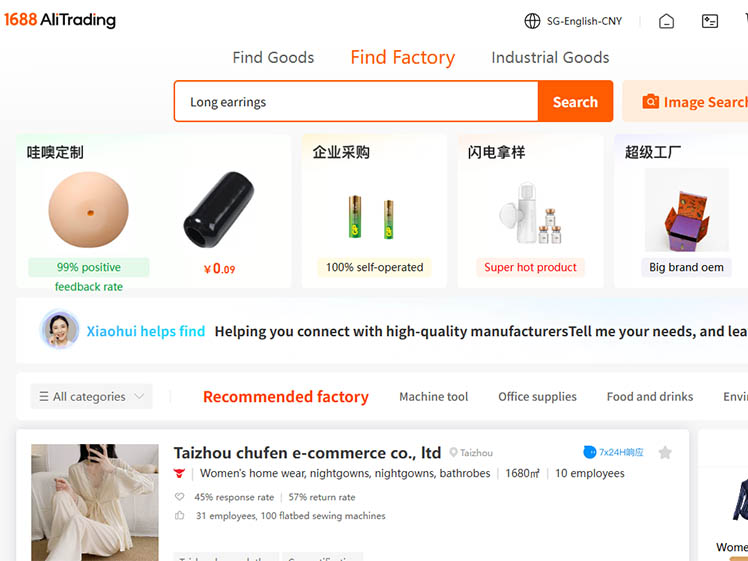
1688 is Alibaba Group’s marketplace for wholesale buyers in China. Some listings start at 1–10 pieces. China sourcing agents report listed prices 15–40% below similar Alibaba listings, but the gap varies and does not include export costs.
- Best For: Buyers who can use an agent to shop and check goods in China.
- Access: Mainly Chinese; local payment in RMB and delivery within China are common.
- Pros: Domestic listings give you more product options to compare.
- Cons: Agent fees, local delivery, repacking, and international freight can erase a low listed price.
If you need 5,000 silicone kitchen mats, try an image search to find similar listings. Then send an agent your exact size, material, and color. Ask for an itemized price through delivery.
If you are weighing these domestic options against consumer-facing platforms, our 1688 vs Taobao guide breaks down the key differences for importers.
DHgate: Low-Risk Product Testing and Small Batches
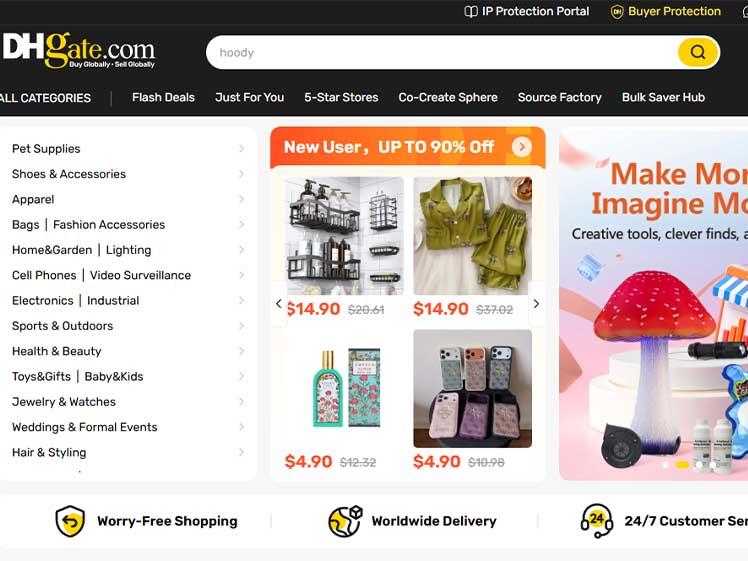
DHgate is a cross-border marketplace founded in 2004. Many listings start at 1–10 pieces and show price breaks when you buy more. Its public pages give different buyer and seller counts, so the 59.6 million buyers and 2.54 million sellers in the draft should not be treated as verified current figures.
- Best For: Testing goods before placing a larger order.
- Access: English checkout and overseas shipping on eligible listings; check which card or other payment options appear for you.
- Pros: DHgate uses a payment-holding process and has a dispute route.
- Cons: Seller quality varies. Avoid listings that copy another brand’s name or logo.
A hardware store could order 30 garden shears, then check how the blades open and how the handles feel. Compare the total at 10, 30, and 100 units first. Payment protection lets you raise a problem, but it does not guarantee a refund.
AliExpress: Sample Orders and Concept Validation
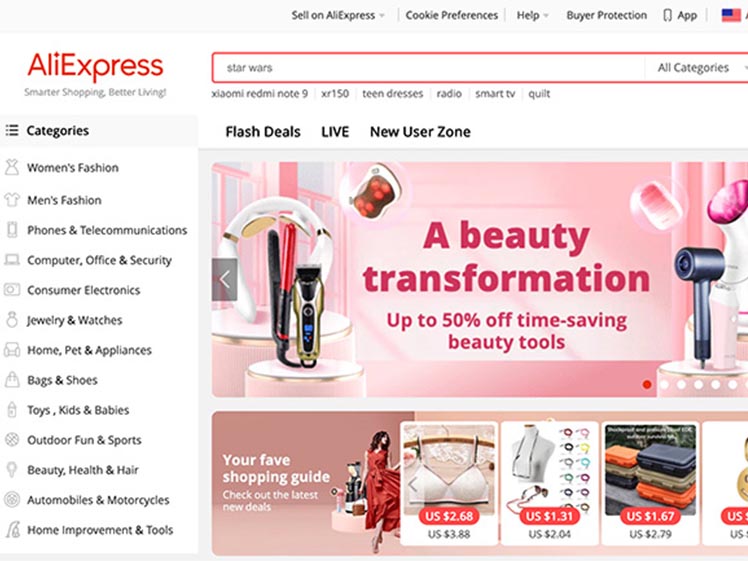
AliExpress is Alibaba Group’s consumer marketplace. It is useful when you need to review one item before asking a manufacturer for a quote. You can shop in several languages, though payment and delivery options depend on your location and the listing.
- Best For: Samples, product checks, and small-scale dropshipping.
- MOQ: Usually one piece.
- Pros: You can check size, finish, and packaging without buying a full case.
- Cons: The per-item cost can be higher than a wholesale quote, and custom branding may not be offered.
If you are designing a travel backpack, buy 3 existing models and check their zippers, seams, and straps. For US deliveries, include possible duties, taxes, and fees: goods worth USD 800 or less generally no longer qualify for duty-free de minimis treatment.
You can further compare these two procurement strategies in our Alibaba vs AliExpress guide.
Made-in-China: Heavy Industry and Custom Contract Manufacturing
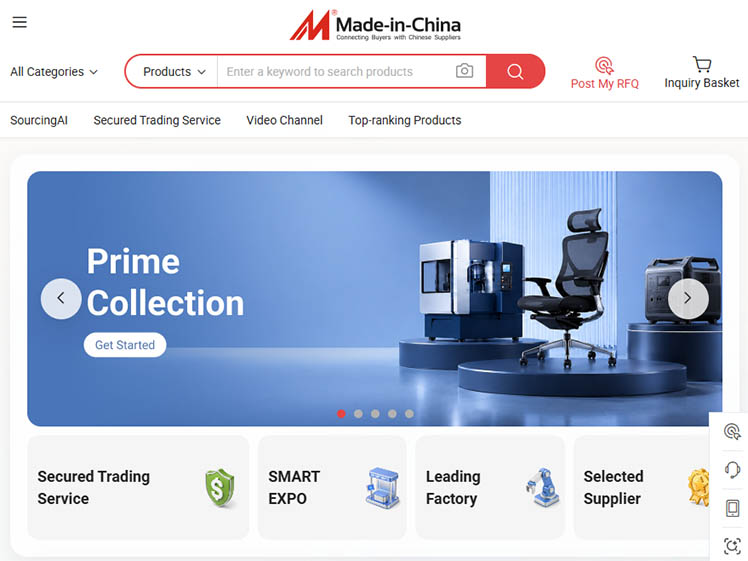
Made-in-China began in 1998. It is useful for machinery, hardware, building materials, and custom parts, though it lists other goods too. Minimums differ widely: some factory runs need hundreds of pieces, while some listings start at one.
- Best For: Orders that need drawings, load ratings, or material specs.
- Access: English site; agree on shipping and payment with the seller. Some orders qualify for its Secured Trading Service.
- Pros: Some suppliers provide free audit reports from SGS, Bureau Veritas, or other third parties.
- Cons: An audited profile does not prove that your batch meets its specs.
For steel scaffolding, send each seller the same load rating, dimensions, and quantity. Ask for test records and a sample plan before agreeing to a large run.
To decide which marketplace offers the strongest supplier pool for your project, review our Made-in-China vs Alibaba analysis for a side-by-side look at their auditing standards.
Global Sources: Vetted Electronics and In-Person Trade Shows
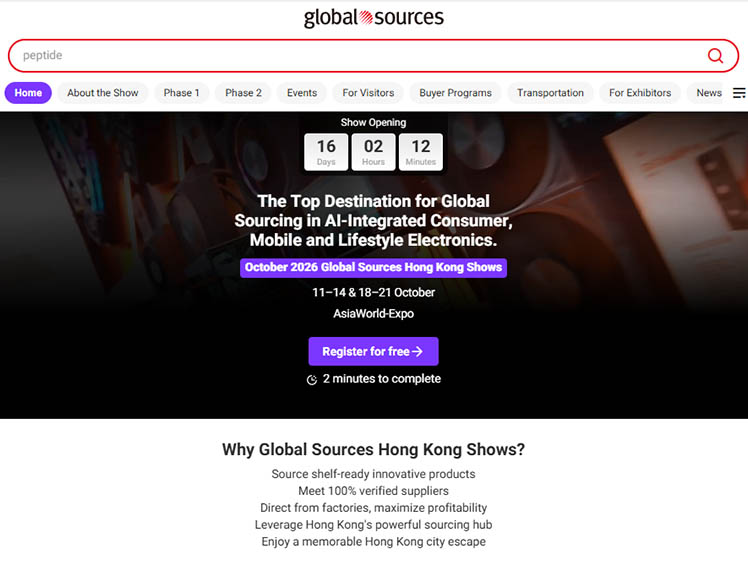
Global Sources has linked buyers with Asian exporters since 1971. It pairs online listings with trade shows. Its website reports more than 14 million registered buyers and users, including 97 of the world’s top 100 retailers; that is a company-reported figure.
- Best For: Electronics, smart-home goods, gifts, and accessories.
- MOQ: A listing may ask for 100–1,000 units; ask about a paid sample.
- Access: English site; confirm each seller’s payment and shipping terms.
- Pros: You can inspect a working product at a Hong Kong show and speak with its supplier.
- Cons: A verified supplier badge doesn’t guarantee the exact product you’ll receive.
For a smartwatch, take one list of questions about battery life, software updates, and warranty terms for each booth. Get written replies before you compare quotes.
To better understand how these two sourcing giants differ in supplier quality and verification, refer to our Global Sources vs Alibaba comparison before making your final selection.
Taobao: Domestic Trend Discovery and Packaging Ideas
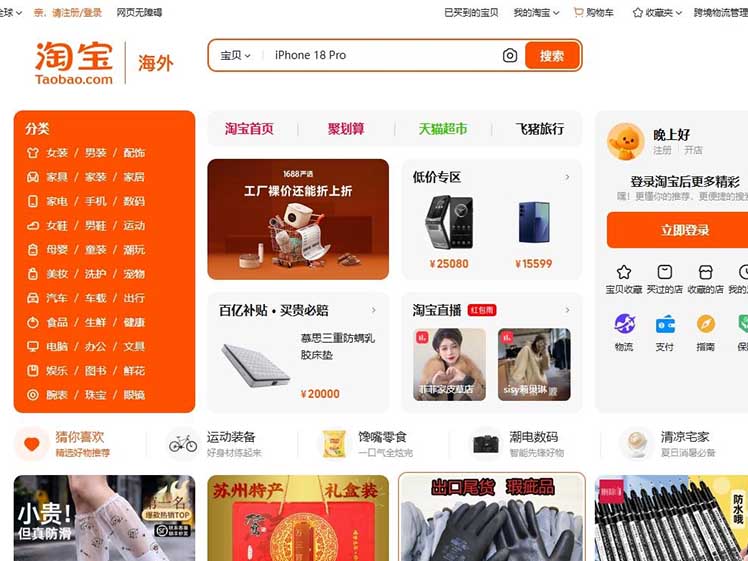
Taobao is a consumer marketplace. Its one-piece listings can help you compare styles and packaging, but a retail price is not a factory quote.
- Best For: Product research and buying an example to inspect.
- Access: Language, payment, and overseas delivery vary by market and item.
- Pros: Retail listings let you compare sizes, colors, and finishes.
- Cons: Sellers may not provide export papers or business order terms.
If you sell beauty goods, compare lip gloss tubes and caps, then write down the size and finish you want. Taobao advertises multilingual support in more than 17 markets.
HKTDC: Export-Ready Partners with Trade Council Backing
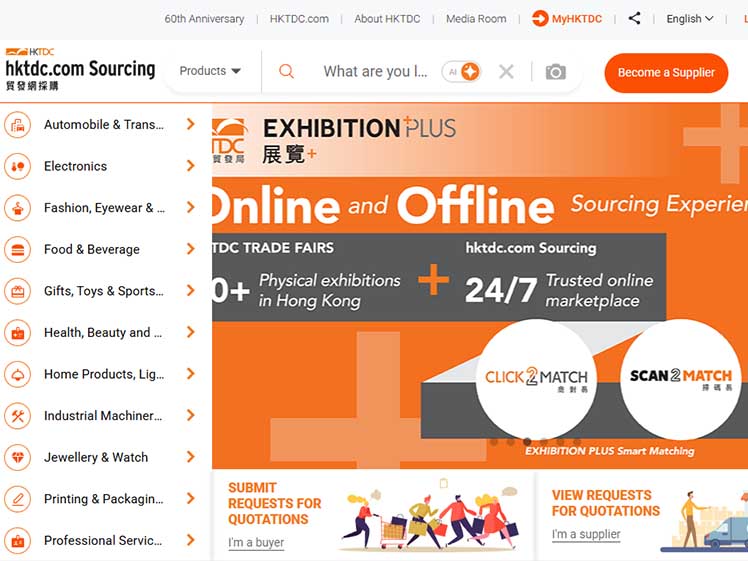
HKTDC Sourcing is run by the Hong Kong Trade Development Council, a statutory body set up in 1966. It has 51 offices worldwide and runs trade events and an online supplier search.
- Best For: Gifts, branded goods, and packaging.
- MOQ: Each supplier sets it; selected products offer small-order purchases.
- Access: English site; check whether you pay online or contract directly with the supplier.
- Pros: You can follow up an online search with a meeting at a trade event.
- Cons: HKTDC’s public status does not guarantee a seller’s quality or protect every payment.
For a corporate gift box, ask for a printed sample, board thickness, pack size, and delivery date. If your destination has packaging rules, ask what proof the supplier can provide.
Access Requirements at a Glance for Chinese B2B Sites
When you compare these sourcing channels, your practical ability to process payments and handle customs is critical. Use this summary table to plan your import operations.
| Site | Language | Payment | Overseas delivery | Agent? |
| 1688 | Mainly Chinese | Local methods common | Usually needs forwarding | Often |
| DHgate | English available | Checkout methods vary | On eligible listings | Usually no |
| AliExpress | Several languages | Online checkout | On eligible listings | Usually no |
| Made-in-China | English | Seller terms or eligible secured checkout | Arrange with seller | Optional |
| Global Sources | English | Agree with seller | Arrange with seller | Optional |
| Taobao | Varies by market | Varies by market | Depends on destination | Sometimes |
| HKTDC Sourcing | English | Seller terms or select online orders | Arrange with seller | Optional |
Before paying, request a written total for goods, samples, service fees, freight, and import charges. Give each seller the same specs and delivery address
Exploring Websites Like Alibaba in the USA
No single US site does every job Alibaba does. Start with what you need: a factory to make a part, finished goods for your shop, or supplies for work. A US-based website does not mean every product on it was made in the US. Ask the seller to confirm the country of origin if that matters to your order.
Thomasnet for Industrial Sourcing and Custom Parts
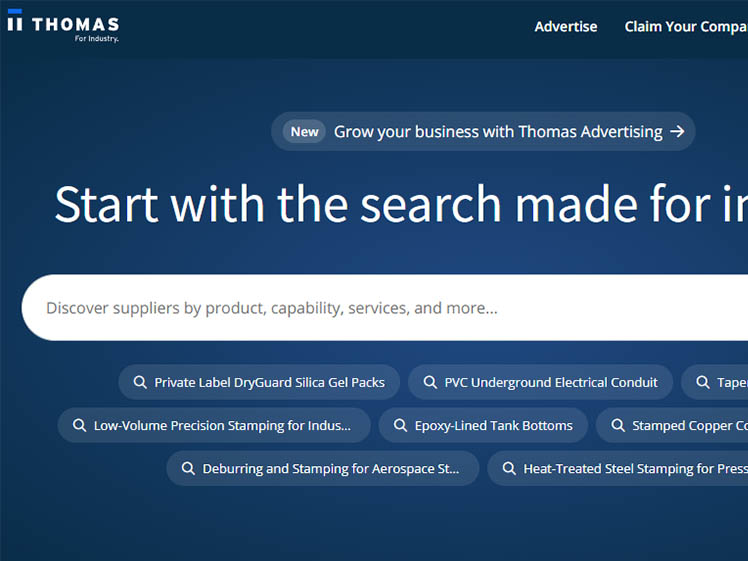
Thomasnet is a supplier directory, not a checkout marketplace. It lists more than 500,000 North American suppliers, with filters for location and credentials such as ISO and ITAR.
- Best For: US or Canadian factories, custom parts, packaging, and industrial goods.
- MOQ and Cost: Each supplier quotes its own minimum and price. Custom jobs may require a large run. Searching is free.
- Watch For: A listed supplier may be a distributor, not the maker. Ask where production takes place.
For a US-made bracket, send shops the same drawing, material, quantity, and due date. This quote request sheet gives suppliers the details they need to price your job.
Faire for Boutique Shops and Finished Retail Goods
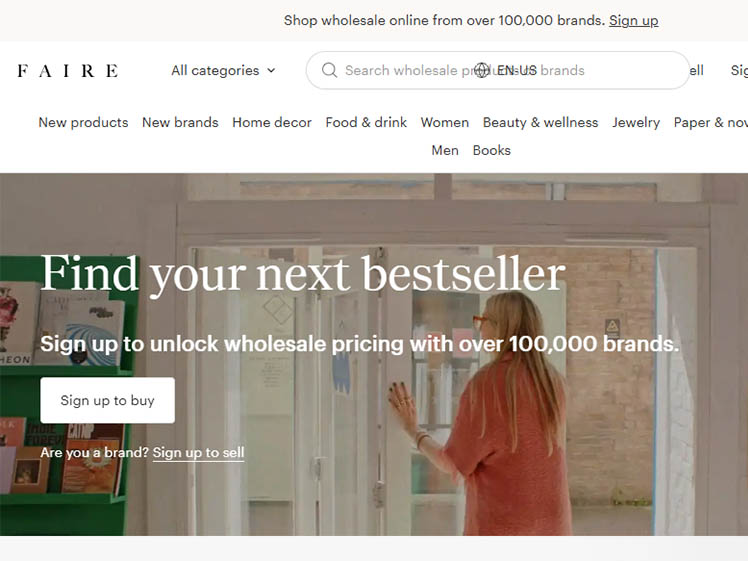
Faire connects retailers with brands that sell ready-made products. It lists more than 100,000 brands.
- Best For: Boutiques, gift stores, and online shops choosing branded stock.
- MOQ and Cost: Brands set their own case packs and order minimums. Retailers can join for free.
- Watch For: Eligible retailers may get up to 60 days to pay. Free returns generally apply to a first order with a brand, typically within 60 days; check your account’s terms.
For a holiday shelf, compare a few small gift lines before you commit to repeat orders. If you want your logo on the goods, ask the brand directly. Don’t assume it offers private label or products sold under your own brand.
Wholesale Central for Closeout and Surplus Inventory
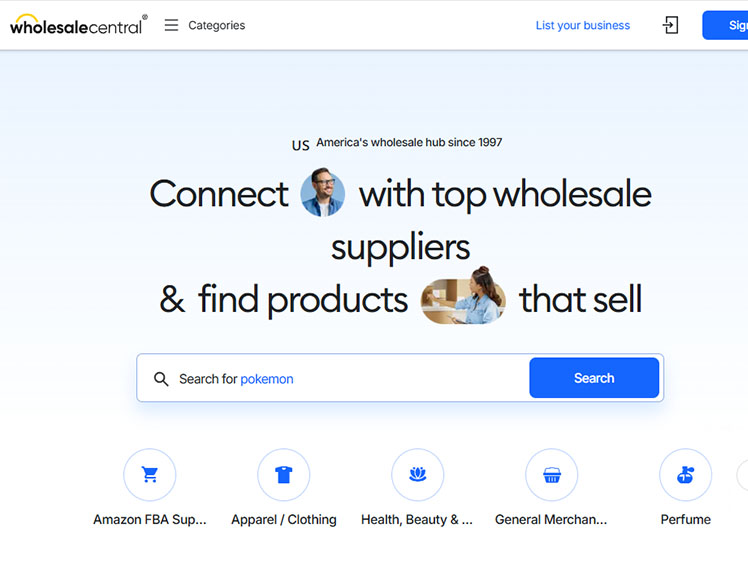
Wholesale Central is a free directory of wholesalers, importers, and liquidators. It screens listings; you contact suppliers directly. It doesn’t handle checkout or protect payments you make to a supplier.
- Best For: Finding apparel, gifts, general stock, and closeout lots.
- MOQ and Cost: Each supplier sets its minimum; searching is free.
- Watch For: A liquidator may have only one lot. Confirm item condition, unit count, and return rules before paying.
When a closeout box looks cheap, ask for a current stock list and photos of the actual goods. Then price the lot by usable unit, not by carton.
Amazon Business for General Bulk Purchasing
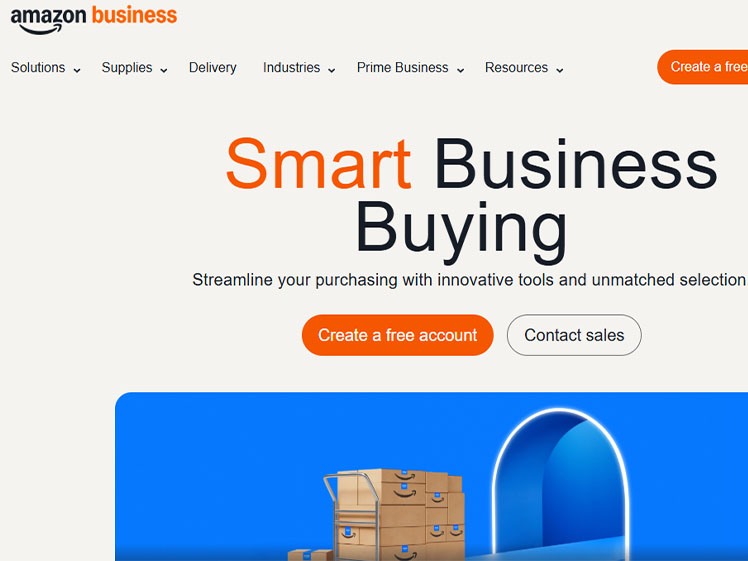
Amazon Business uses a familiar online checkout for work purchases. Eligible items show business prices and quantity discounts. It is useful for restocking, not finding a factory to make your own product.
- Best For: Office supplies, cleaning supplies, and urgent replacement items.
- MOQ and Cost: Many items have no minimum. Some discounts start at two units.
- Watch For: Shipping speed, returns, and pricing depend on the listing and seller. Check the final checkout total.
If you run out of packing tape, compare the price per roll and delivery date. A quick reorder may matter more than the lowest case price, especially when orders are waiting at the packing table.
Worldwide Brands for Vetted Wholesale Contacts
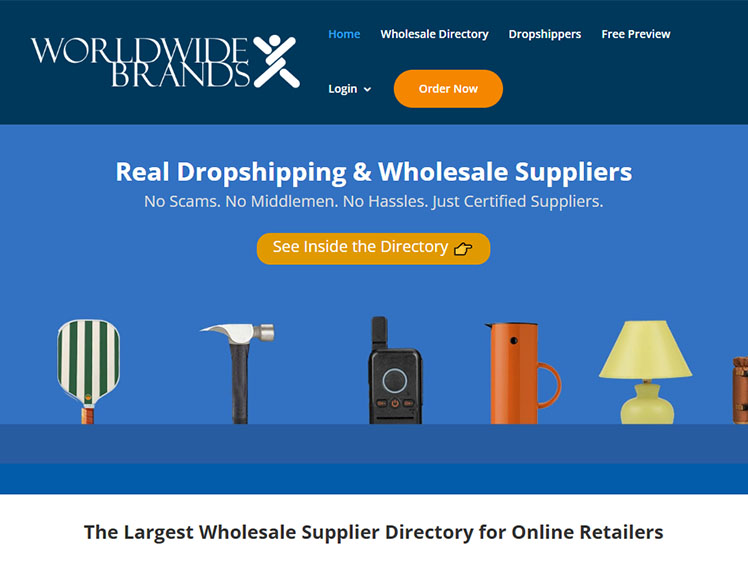
Worldwide Brands is a paid directory, not a wholesale store. Founded in 1999, it says its list covers more than 8,000 wholesalers and 16 million products. Its stated price is USD 299 for lifetime directory access, with no regular membership fee.
- Best For: Sellers willing to contact suppliers and set up accounts themselves.
- MOQ and Cost: Supplier minimums vary. The directory fee is separate from purchases.
- Watch For: Certification applies to the supplier listing. It doesn’t guarantee a product fits your store or that its price leaves room for profit.
Before paying, search for a free preview for your exact product type, then check the current membership price.
For more leads, see 25+ wholesale suppliers in the USA. Whichever route you take, ask for the same details each time: product origin, order minimum, shipping cost, lead time, and return terms.
Exploring Websites Like Alibaba in India and Other Regions
If you want suppliers outside China, start with the product and the place you need it delivered. IndiaMART and TradeIndia help you compare quotes from India. Europages helps you find European firms. These sites are mainly for making contact, so check order and export terms with each supplier.
IndiaMART for Indian Sourcing
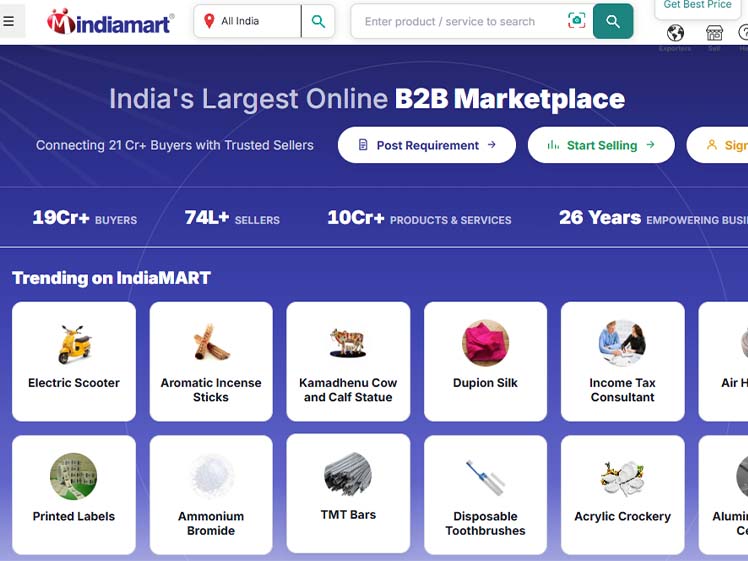
IndiaMART is India’s largest online business-to-business (B2B) marketplace. It supports textiles, apparel, crafts, chemicals, packaging, and industrial supplies. IndiaMART reported 8.7 million supplier storefronts in December 2025. These are listed sellers, not a count of export-ready factories. IndiaMART also claims to have about 60% of India’s online B2B classifieds market. That share measures listings, not all wholesale sales.
- MOQ: Each seller sets it. Ask when you send an inquiry.
- Access: English site. Buyers can search and contact sellers for free.
- Check: Export history, packing, and the documents needed for your destination.
Say you need 500 cotton tote bags. Send the same size, fabric weight, print file, and delivery country to several sellers. Then compare the full quotes, not just the price per bag.
TradeIndia to Double Your Quotes
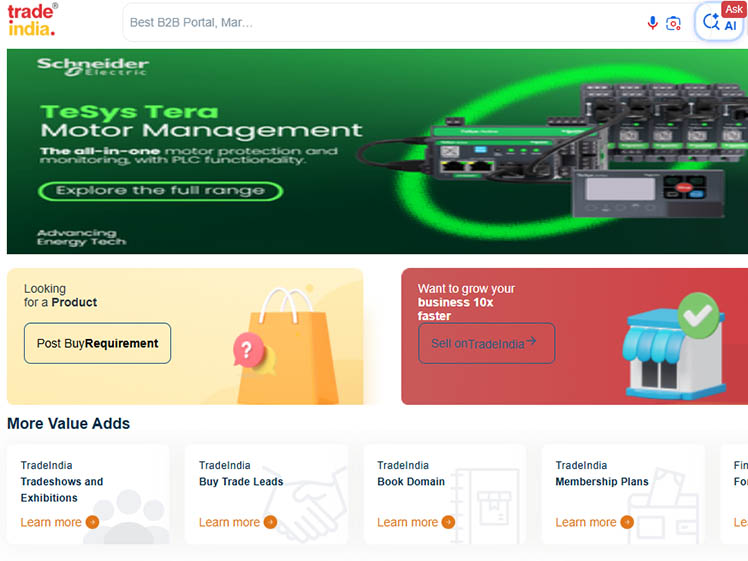
TradeIndia is another large Indian B2B site, launched in 1996. Many categories overlap with IndiaMART, so use it to find more candidates, not to assume you will get twice as many unique suppliers.
- MOQ: Set by the supplier.
- Access: English; You can search and inquire without a buyer subscription.
- Check: Whether the seller makes the goods, has shipped abroad, and can meet your deadline.
For the tote bags, reuse your first inquiry word for word. That makes any difference in price, sample cost, and lead time easier to spot.
Europages for Fast EU Shipping
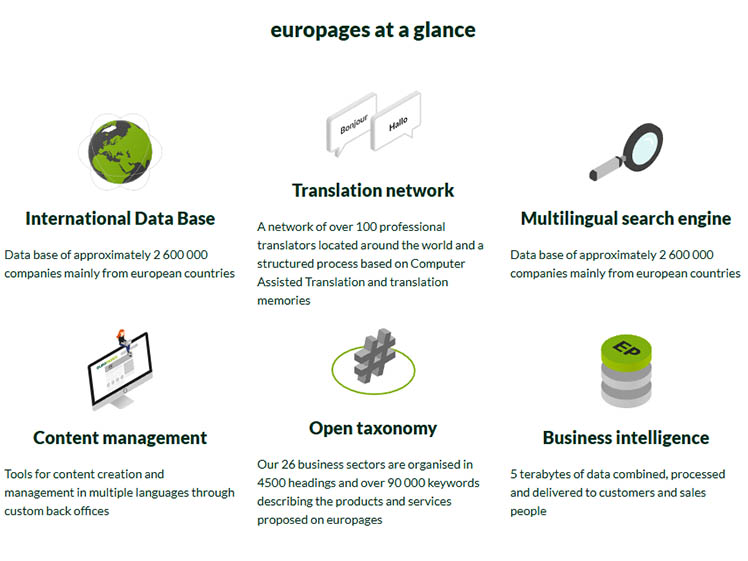
Europages helps you find European manufacturers and service firms. It lists millions of companies across many industries. You can search in several languages and request quotes, but payment and shipping depend on the supplier. Its related platform, wlw, focuses on Germany, Austria, and Switzerland.
- MOQ: Set by each supplier.
- Access: Free supplier search; arrange the order directly.
- Check: Factory location, product standards, and delivery terms.
If you need cartons for an EU launch, ask whether a nearby producer can meet your date. Also, ask for proof of any product rules you must meet. A European address alone is not proof.
For more leads, try South Korea-based EC21 or the global Kompass directory. Neither replaces a sample or a written quote. Ask about duties and who handles customs before paying.
To keep quotes easy to compare, give each seller the same product details and destination. See our roundup of 17 online wholesale marketplaces for more options.
How to Choose: Match the Platform to Your Sourcing Stage
Match the platform directly to your current business stage. Your order size is a great guide.
| Sourcing Stage | Typical Order Size | Platforms | Why It Works |
| Product validation | Up to USD 500 | AliExpress, DHgate | No MOQ and fast samples. You are testing demand, not building margin. |
| Small batch | USD 500–USD 5,000 | DHgate, 1688 (with agent) | Real wholesale pricing starts here. The 1688 price gap easily covers your agent costs. |
| Bulk orders | USD 5,000+ | Alibaba, Made-in-China, Global Sources | Three supplier pools compete. Customization and relationships matter more than list price. |
| Domestic products | Any | Thomasnet, Faire, Wholesale Central | Delivery speed and “Made in USA” positioning heavily outweigh the unit cost. |
Three golden rules hold at every stage:
- Run multiple platforms in parallel. The same product quoted across Alibaba, 1688, and Made-in-China routinely produces a meaningful price spread.
- The cheapest quote is rarely the best landed cost. Your true number includes the unit price plus packaging, ocean freight, import duties, and inspection fees.
- Graduate your suppliers, not just your platforms. A validated product should quickly move from AliExpress samples to a wholesale channel, and finally to a direct factory relationship.
Our guide to buying from Alibaba safely covers that exact workflow step by step.
Staying Safe on Any Sourcing Platform
Staying safe on any sourcing platform takes basic discipline. A “verified” badge on a supplier profile is just a helpful starting point. You still need to run your background checks before spending your capital.
Follow these four practical steps to protect your inventory:
- Verify the legal entity. You can check a Chinese supplier’s business license on the National Enterprise Credit Information Publicity System (NECIPS) at gsxt.gov.cn. The State Administration for Market Regulation runs this free registry. Type the factory’s 18-character Unified Social Credit Code to confirm it legally exists.
- Order physical samples. Never skip this step. Always hold the actual item in your hands before you buy a massive bulk batch.
- Keep payments on the platform. Only use the website’s official escrow checkout. If you wire cash straight to an outside bank account, you instantly drop all your built-in buyer protection.
- Inspect your cargo. When your order grows past a few thousand dollars, hire a local third-party inspector. Paying a few hundred dollars to check your pallets before they leave the factory floor prevents an entire container of unsellable goods.
Eventually, you will hit a wall that online research cannot fix. The cheapest domestic catalogs accept only Chinese currency and ignore export paperwork. To cross this gap, many buyers hire a sourcing agent.
Teams like NicheSources work locally in China. We buy directly from domestic factories, verify the legal registry, consolidate your boxes at the warehouse, and run quality tests before the ship leaves the dock.
Which Website Like Alibaba Should You Use?
The right sourcing website depends on your order volume and delivery priorities:
- Testing a Product Idea: Start on AliExpress or DHgate. Ordering single test pieces or small cartons with buyer protection gives you fast customer feedback before you spend substantial capital.
- Chasing the Lowest Unit Price: Use 1688 through a sourcing agent. The 15–40% list-price gap over Alibaba provides real profit margins once your order volume easily absorbs agent and freight costs.
- Bulk OEM Manufacturing: Request quotes from Alibaba, Made-in-China, and Global Sources in parallel. Letting three different supplier pools bid against each other secures competitive rates.
- Fast Domestic Restocking: Turn to Thomasnet for custom machine parts or Faire for retail-ready brands. You pay higher per-unit costs, but local freight trucks avoid customs and deliver inventory within days.
Match each marketplace to your production schedule to keep your inventory flowing smoothly without cash-flow surprises.
FAQs
What is the US equivalent of Alibaba?
There is no single US equivalent. If you need a custom part, search Thomasnet, which lists over 500,000 North American suppliers. If you stock a boutique, Faire offers finished goods from more than 100,000 brands. For routine bulk purchases, try Amazon Business. Always check origin; a US listing does not mean the goods are US-made.
Is DHgate better than Alibaba?
For a small test order, DHgate may suit you better: some sellers allow one piece, offer price breaks for more units, and use a payment-holding system. For custom products or private labels, Alibaba gives you more ways to contact manufacturers. Neither is always cheaper. Compare shipping, sample costs, and the price at your target quantity.
Is there a better alternative to Alibaba?
It depends on what you need. 1688 may show lower domestic prices, but overseas buyers often need an agent. Global Sources lets you research suppliers and meet exhibitors. Thomasnet helps with US manufacturing; IndiaMART helps you search India. Send the same product details through two or three sites, then compare full quotes and samples.
Who is cheaper, Alibaba or AliExpress?
For one item, AliExpress may cost less overall because you can buy just one. Alibaba often offers a lower unit price on larger orders, though some sellers also allow small minimums. There is no reliable cutoff at “a few dozen” units. Add shipping, duties, sample fees, and any custom work before comparing totals.
Is Faire a legit website?
Yes. Faire is an established wholesale site for retailers and says it has more than 100,000 brands. Retailers can join for free; eligible buyers may get up to 60 days to pay. Qualifying first orders with a brand may also be returned. Check the return window shown for your order; don’t assume every order has 60 days.
What’s the biggest Chinese wholesale website?
For international wholesale sourcing, Alibaba is a major export-facing Chinese marketplace. Within China, 1688 is a leading domestic wholesale site. Taobao is a consumer shopping platform, not a wholesale match. All three belong to Alibaba Group. A lower 1688 listing price does not prove a factory price. Agent fees and freight can change the final cost.
Who is Alibaba’s biggest competitor?
If you mean cross-border supplier search, Global Sources and Made-in-China are close alternatives to Alibaba. Both list Chinese suppliers; Global Sources also runs trade shows. If you mean shopping by Chinese consumers, JD and PDD are different rivals. No single Alibaba competitor fits both markets. Compare platforms by product type, not a blanket ranking.
Source from Any Platform with NicheSources
Comparing websites like Alibaba is simple, but moving real cargo across the ocean takes local support. Handling payments in RMB, checking factory licenses, consolidating warehouse crates, and clearing export paperwork can quickly stall your operations.
NicheSources manages these daily tasks directly on the ground in China. Our bilingual team finds reliable factories across 1688, Taobao, and direct manufacturing channels. We inspect your pallets using strict AQL standards, combine multiple vendor orders, and clear outbound customs for a transparent 5–10% commission with no upfront fee.
Tell us your product specs, target quantities, destination port, and delivery schedule. We will deliver verified factory options and an itemized landed-cost breakdown.