Check two genuine pairs of ECCO shoes and you may find “Made in Thailand” on one and “Made in Portugal” on the other. That is because ECCO operates its own manufacturing network across Europe and Asia rather than relying mainly on third-party shoe factories.
ECCO shoes are made in five company-owned factories in Portugal, Indonesia, Thailand, China, and Vietnam. Slovakia was part of that network until its Martin factory closed in summer 2025. ECCO also controls much of its leather supply through its own tanneries, giving the company unusually tight control over materials, production, and quality.
Quick Facts: ECCO Manufacturing in 2026
- Active shoe factories: 5 Portugal, Indonesia, Thailand, China, and Vietnam
- Recently closed: Martin, Slovakia, in summer 2025
- Active leather tanneries: 3 Indonesia, Thailand, and China
- Dongen tannery: Being phased out following a May 2025 fire
- Production capacity: More than 20 million pairs per year
- Headquarters: Bredebro, Denmark
- Manufacturing model: The vast majority of production takes place in ECCO-owned facilities rather than outsourced factories.
For brands studying footwear production, ECCO is a useful example of how tighter supplier control can reduce variability across materials, manufacturing, and QC the same issues we look at when evaluating factories through a product sourcing service.
ECCO Factories at a Glance
ECCO currently operates five company-owned footwear factories across Europe and Asia. The network changed in 2025 when its Martin, Slovakia plant closed after 27 years of production.
| Country | City / Location | Opened | Main Role | Tannery on Site | 2026 Status |
| Portugal | São João de Ver | 1984 | European production and production R&D | No | Active |
| Indonesia | Sidoarjo, East Java | 1991 | Full footwear production; historically one of ECCO’s largest production sites | Yes | Active |
| Thailand | Ayutthaya | 1993 | Footwear production | Yes | Active |
| China | Xiamen, Fujian | 2005 | Finished shoes, uppers, and global distribution | Yes, added in 2008 | Active |
| Vietnam | Bau Bang, Binh Duong | 2015 | Primarily shoe uppers for other ECCO factories | No | Active |
| Slovakia | Martin | 1998 | Formal and casual footwear | No | Closed in summer 2025 |
The 30-Second Takeaway
- ECCO makes the vast majority of its footwear in its own factories, giving it more direct control over production than brands that rely mainly on contract manufacturers.
- Vietnam plays a different role: its Binh Duong facility primarily produces shoe uppers rather than complete footwear.
- The factory network became smaller in 2025 when ECCO closed its Martin, Slovakia plant as part of a cost-driven production reorganization.
The Origins of ECCO (Danish Roots)
ECCO started in 1963, when Karl and Birte Toosbuy sold their home and moved to Bredebro, Denmark, to build their own shoe factory. For roughly the first two decades, ECCO shoes were made there before production gradually expanded into other countries.
The company is still privately owned by the Toosbuy family. As of 2026, Hanni Toosbuy serves as Chairman, while Thomas Gøgsig has been CEO since December 2024. Bredebro remains ECCO’s global headquarters and design base, even though large-scale manufacturing now takes place mainly in Portugal and Asia.
That Danish base still matters: ECCO’s manufacturing model has remained unusually vertically integrated as the company expanded globally.
Where Are ECCO Shoes Made?
ECCO’s production network spans Europe and Asia, but each facility plays a different role. That distinction matters because a country appearing in ECCO’s supply chain does not always mean complete shoes are assembled there.
Portugal: São João de Ver
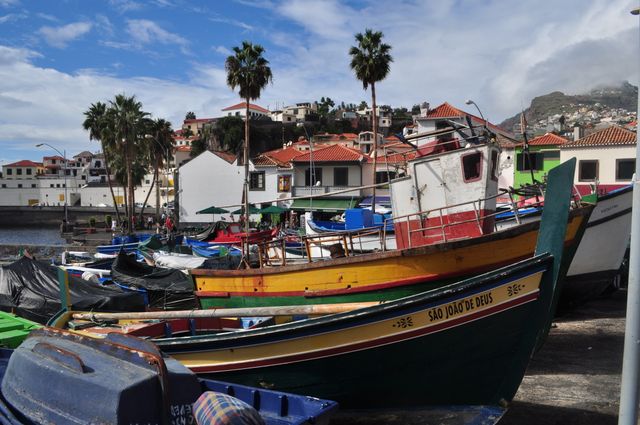
ECCO opened its Portuguese factory in São João de Ver in 1984, making it the company’s first fully owned production site outside Denmark.
The facility handles footwear production and also functions as a production R&D center. Processes developed there, including laser roughening of leather, can be tested before being introduced across ECCO’s wider factory network.
Indonesia: Sidoarjo
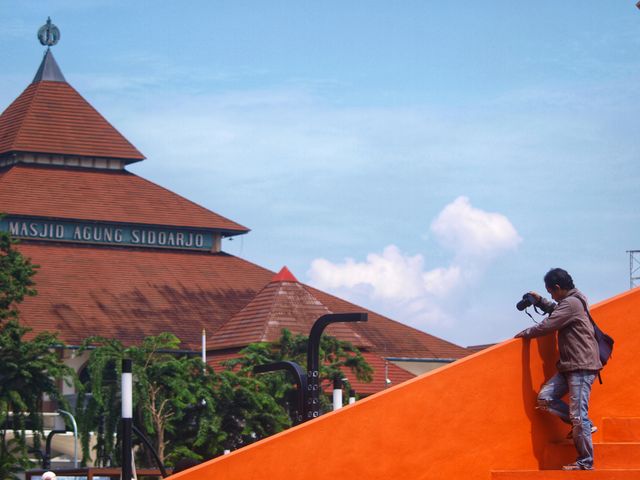
ECCO’s Sidoarjo, East Java factory opened in 1991 and became one of the company’s largest manufacturing sites.
What makes this location particularly integrated is that it combines footwear production with leather processing. A beamhouse and tannery operate on the same campus, allowing raw hides to move through leather processing and into finished footwear within ECCO’s own production system.
Thailand: Ayutthaya
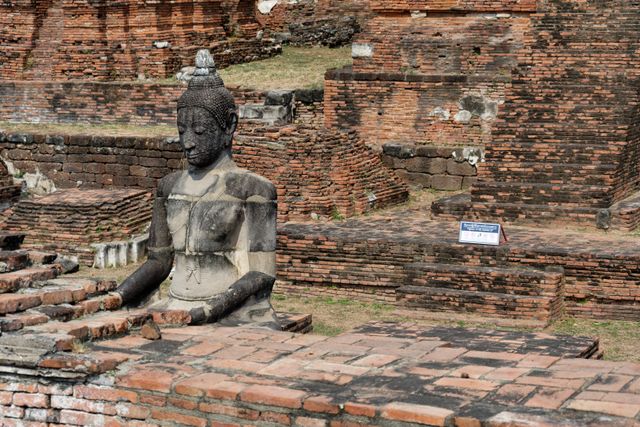
ECCO established its Ayutthaya factory in 1993, with a tannery operating alongside shoe production.
The facility was rebuilt after severe flooding affected the region in 2011. Today, it remains one of ECCO’s core Asian production hubs, with both footwear manufacturing and leather processing under company control.
China: Xiamen
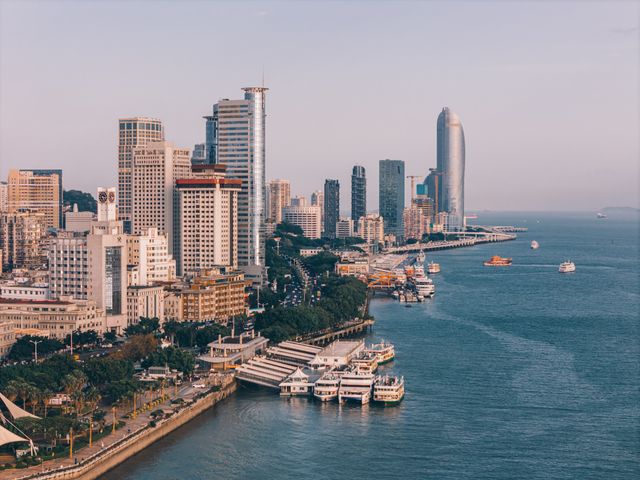
ECCO opened its Xiamen, Fujian shoe factory in 2005 and added a tannery next to the plant in 2008. The site produces finished shoes and shoe uppers for global distribution.
From a sourcing perspective, this is an important distinction. A “Made in China” label on ECCO footwear means the product was made within ECCO’s own manufacturing network, rather than automatically indicating outsourced production. For independent brands sourcing footwear from China, we would make the same distinction between a true manufacturer and a trading company before comparing pricing or MOQ.
Vietnam: Binh Duong
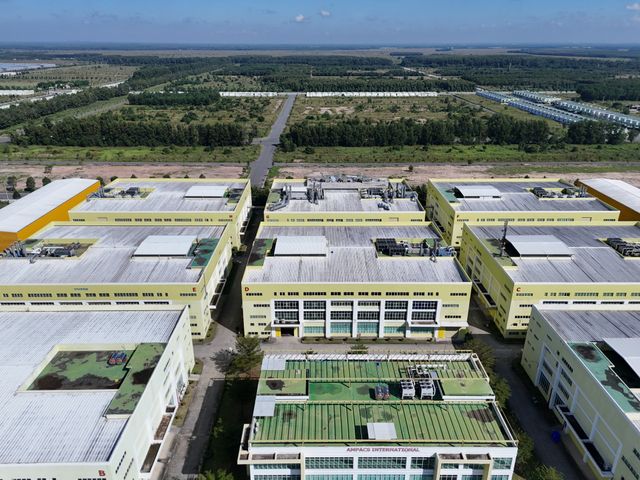
ECCO began trial production in Binh Duong in 2015, with regular operations developing from 2016 onward.
Unlike ECCO’s full footwear plants, the Vietnam facility focuses primarily on shoe uppers, which are sent to sister factories for further assembly. Its newer production complex includes eight stitching lines and holds LEED Gold certification.
This is why we would avoid describing Vietnam simply as another full ECCO shoe factory. Its role in the production chain is more specialized.
Slovakia: Martin (Closed in 2025)

ECCO’s Martin factory opened in 1998 and produced footwear for 27 years, with more than 50 million pairs manufactured over its lifetime.
ECCO announced the closure in April 2025, and production ended during summer 2025. Around 650 jobs were affected. According to ECCO’s 2025 Annual Report, the decision was driven by production-cost competitiveness and a broader reorganization of the company’s global manufacturing network.
You may still find genuine ECCO shoes marked “Made in Slovakia” because older production remains in circulation.
Denmark: Bredebro

Bredebro is where ECCO began manufacturing shoes in 1963, but large-scale production ended there in the mid-1980s.
Today, the location serves primarily as ECCO’s headquarters and design base rather than a volume shoe factory. That means current retail pairs are generally produced elsewhere in ECCO’s manufacturing network.
India: Is ECCO Made There?
We would be cautious with claims that ECCO shoes are manufactured in India.
References to “licensed production” in India circulate online, but the material we have does not provide a reliable primary source confirming ECCO shoe manufacturing there. What is verified is that ECCO has a sourcing office in India and is expanding its retail presence.
For a specific pair, the safest approach is to rely on the country-of-origin label rather than assume production based on ECCO’s commercial presence in a market.
ECCO’s Tanneries: From 4 to 3
ECCO’s vertical integration goes beyond shoe assembly. Through ECCO Leather, the company also operates its own tanneries, giving it direct control over one of the most important inputs in footwear production.
Until 2025, ECCO operated four tanneries in Indonesia, Thailand, China, and the Netherlands. That changed after a fire damaged its Dongen tannery in the Netherlands in May 2025. ECCO’s 2025 Annual Report states that “operations in Dongen will discontinue” and that ECCO Leather will continue operating from its tanneries in Asia. No final closure date has been announced, so Dongen is best described as being phased out.
That leaves three active Asian tanneries:
- Sidoarjo, Indonesia
- Ayutthaya, Thailand
- Xiamen, China
All three hold Gold ratings from the Leather Working Group (LWG), and ECCO has been an LWG member since 2010.
ECCO Leather is also larger than an internal supply operation. It develops more than 1,000 types of leather each year, employs over 1,750 people, and supplies leather to companies outside ECCO across fashion, sports, and automotive markets.
For footwear brands, this is one of the clearest examples of what vertical integration actually changes: ECCO can influence leather development, consistency, and supply before the material ever reaches the shoe factory.
Why ECCO Owns Its Factories
ECCO’s manufacturing model is built around control. By owning its factories and tanneries, the company can manage leather supply, production standards, and process changes within the same organization rather than coordinating them through outside contractors.
That is very different from brands such as Nike and Adidas, which rely heavily on third-party manufacturers. ECCO takes on more fixed-cost and operational responsibility, but in return it gets tighter control over how materials are processed, how new production methods are introduced, and how quality standards are applied across factories.
The practical advantages are:
- Material control: ECCO can move leather from its own tanneries into its own factories.
- Process consistency: Production standards can be applied directly across the network.
- Faster manufacturing changes: New equipment or techniques can be introduced without waiting for an outside supplier to retool.
- Direct oversight: Labor and environmental requirements apply within ECCO-owned facilities rather than only through supplier audits.
How ECCO Shoes Are Made: DIP and FLUIDFORM
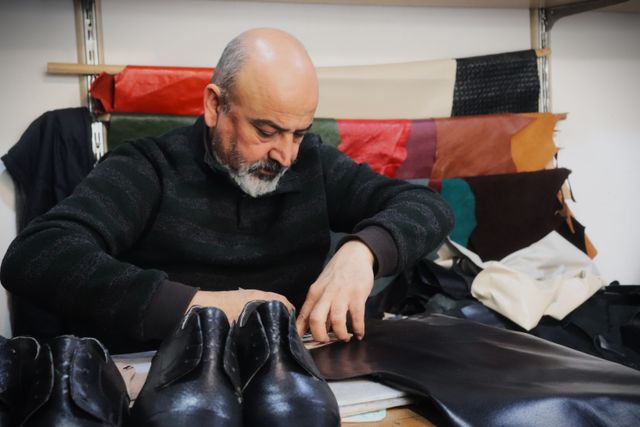
A key part of ECCO’s construction method is Direct Injection Production (DIP), marketed as FLUIDFORM. Instead of attaching a pre-made sole with glue or stitching, liquid polyurethane is injected directly into a mold around the shoe upper. As it cures, the sole bonds to the upper and forms a flexible, one-piece construction.
Around that process, ECCO controls several production stages:
- Leather preparation: Leather is produced to defined thickness, color, and durability specifications before cutting.
- Cutting and stitching: Automated equipment handles repeatable tasks, while workers complete stitching, assembly, and finishing.
- Direct-injected soles: Polyurethane is molded directly onto the upper using FLUIDFORM rather than relying on a conventional glued sole.
- Shared QC standards: ECCO applies the same production and inspection system across its owned factory network.
ECCO also states that all ECCO GOLF shoes use FLUIDFORM and are made in company-owned factories, keeping that construction method within its own production network.
If you also want to learn from the manufacturing process of other popular brands, here’s a list to gain some inspiration:
Read more:
- Where Are Asics Made
- Where Are Hoka Shoes Made
- Where Are Keen Shoes Made
- Where Are Van Shoes Made
- Where are Nike Shoes Made
- Where Are Adidas Made
- Where Are Salomon Shoes Made
- Where Are Puma Shoes Made
Does Origin Matter for ECCO Shoe Quality?
We wouldn’t treat the country on the label as a reliable quality ranking. ECCO owns its factories and applies the same broader production and QC system across the network, so a pair made in Portugal is not automatically higher quality than one made in Thailand or China. ECCO also publishes no factory-by-factory defect data that would support that conclusion.
There is, however, a separate durability issue worth knowing about. Some ECCO owners report polyurethane soles cracking or crumbling, including recent complaints from 2024–2026. This failure mechanism is commonly described as PU hydrolysis, where polyurethane deteriorates over time, particularly when footwear spends long periods in storage.
We would also be careful with claims that a low Trustpilot score proves ECCO’s overall quality has declined. A Trustpilot profile for eccoshoesuk.com currently shows a TrustScore around 1.5/5, but the profile for ecco.com is much more positive at 4.3/5 across a far larger review base. The difference is substantial enough that neither score should be presented as a simple brand-wide verdict.
So, if you are comparing two pairs of ECCOs, we’d focus more on the specific model, sole condition, age, and storage history than whether the label says Portugal, China, Indonesia, or Thailand.
How to Check Where Your ECCO Shoes Were Made
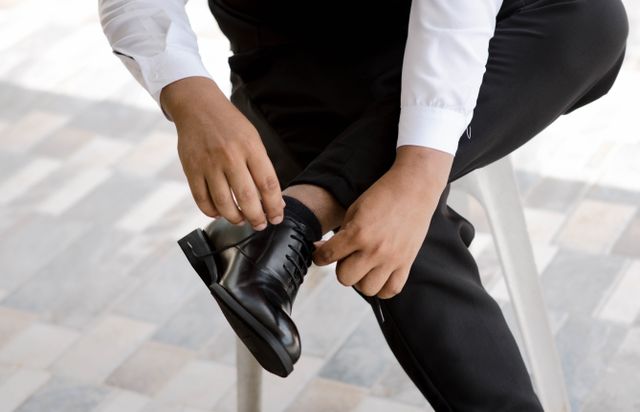
ECCO does not publish a model-to-factory database, so the label on your specific pair is the most reliable place to check.
- Check the tongue or inner label. Look for “Made in…” followed by the country of manufacture.
- Check the box sticker. It should repeat the country of origin along with the article number.
- Verify the article number. Search it on ECCO’s official website or contact ECCO customer service if you want to confirm the model.
For authenticity, the retailer and article number matter more than whether the pair was made in Portugal, China, Thailand, or another ECCO location.
What ECCO Teaches Brands About Choosing a Manufacturer
ECCO’s model is unusually integrated, but the principles behind it apply to smaller footwear brands too. In our experience, these are the five areas worth checking before choosing a manufacturer:
- Supply chain control: ECCO keeps key inputs, including leather, within its own network; ask suppliers which processes they handle in-house versus subcontract.
- True landed cost: ECCO accepts higher fixed costs for more control; compare factories on total cost, including rework, QC, and logistics not unit price alone.
- Specialization: ECCO assigns different roles to different facilities, such as uppers in Vietnam and production R&D in Portugal; choose a factory that already specializes in your product type.
- Quality control: ECCO standardizes inspection across its own plants; we recommend requiring written QC standards and pre-shipment inspection rights.
- Auditable standards: ECCO uses third-party frameworks such as LWG; ask potential manufacturers for current audit certificates and verify their validity.
From our experience in Yiwu: supplier verification is the #1 issue our clients face before working with us. Our on-ground team handles factory audits and background checks so you don’t have to. Discuss your project.
Frequently Asked Questions
Are Ecco Shoes Still Made in Denmark?
Originally, yes. For the first two decades, all ECCO shoes were made in Bredebro, Denmark, the site of the company’s very first factory. But as demand grew, production moved abroad.
Today, ECCO’s large-scale manufacturing takes place in its factories in Portugal, Slovakia (until its closure in 2025), Indonesia, Thailand, China, and Vietnam. Denmark is no longer a production hub for commercial footwear, though it still serves as ECCO’s headquarters and design center.
Some prototyping and R&D work may still happen there, but the shoes you find in stores are made in ECCO’s global factories.
What Types of Shoes Does ECCO Specialize In?
ECCO specializes in a wide range of footwear, catering to various needs and styles. In their collection, you’ll find stylish sandals, casual slip-ons, boots, and business-casual shoes. They offer comfortable and durable options for both men and women.
Are ECCO Shoes Good Quality?
Yes, ECCO shoes are known for their good quality.
The company owns tanneries and factories in various countries, including China, Thailand, Vietnam, Indonesia, Slovakia, and Portugal, ensuring high-quality production and materials.
ECCO’s commitment to quality and comfort makes them a popular choice among consumers worldwide.
Are ECCO Shoes Known for Being Ethically Produced?
While we cannot specifically mention their ethical production standards, it is worth noting that ECCO owns their tanneries and factories.
This allows them greater control over the production process, materials sourcing, and treatment of workers, which suggests that they prioritize responsible and ethical manufacturing practices.
What Sets ECCO Shoes Apart from Other Brands in the Market?
ECCO shoes stand out for their blend of style, comfort, and durability. They cater to a wide variety of customers and shoe preferences.
The company’s commitment to owning their factories and tanneries allows for better quality control and fosters innovation in design and materials.
What Are Some of the Best Shoe Manufacturers in China?
China is home to numerous shoe manufacturers. If you’re looking for a reliable supplier, you can refer to this list of top 14 shoe manufacturers in China to help you make an informed decision and source your shoes effectively.
Does ECCO buy leather from outside suppliers?
Yes. ECCO says the majority of its leather comes from company-owned tanneries, while the remainder is sourced largely from Leather Working Group-certified manufacturers. In 2025, 98% of its leather came from LWG-certified sources.
How can you spot fake ECCO shoes online?
We would focus on the seller rather than the manufacturing country. ECCO warns about unauthorized websites with missing contact details, suspicious domains, broken links, unusual pricing, or bulk-discount offers, and recommends buying through ECCO or authorized retailers.
Does ECCO repair or refurbish old shoes?
In the US, ECCO states that it does not offer repairs or refurbishment through its warranty program. Repair options from independent cobblers will depend on the shoe’s construction and condition.