Labubu, the mischievous, monster-eared character, has become a global phenomenon. In 2024 alone, the LABUBU series sales reportedly topped 3 billion RMB (approx. $419M USD).
This explosive growth, part of a Chinese art toy market expected to hit 110.1 billion RMB by 2026, has sellers asking: where are these collectibles actually made?
The simple answer is: Labubu is designed by Hong Kong artist Kasing Lung, marketed by Pop Mart, and produced by OEM partners in China.
But this “Made in China” tag is just the start. Labubu’s success is a masterclass in modern IP branding and, more importantly, a diversified sourcing strategy.
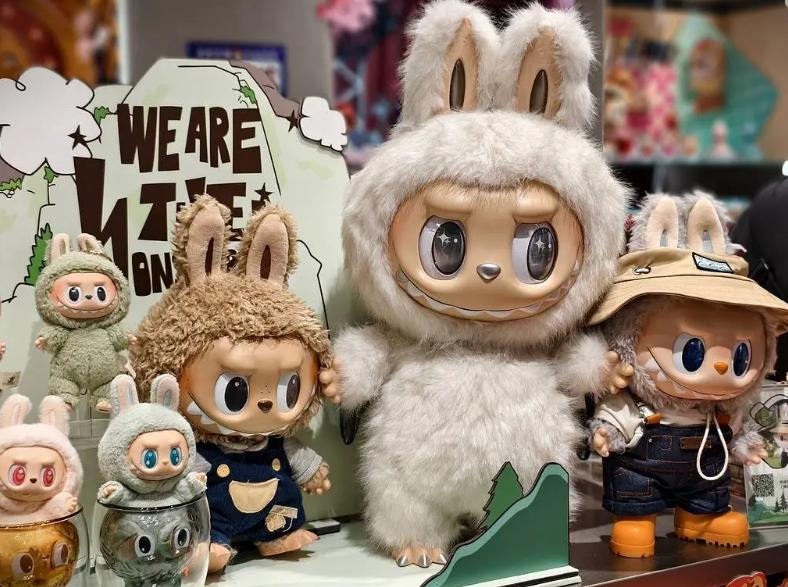
The “Artist x Brand” Model: The IP Engine
First, it’s key to understand the business model. Pop Mart does not own the Labubu IP.
- The Artist (Kasing Lung): Creates the IP—the characters and stories that drive customer demand.
- The Brand (Pop Mart): This Beijing-based company is the engine. They license the IP and handle product development, marketing, and distribution.
Pop Mart is an “asset-light” brand. As they state in their reports, they do not own their own factories. This allows them to focus on marketing and scale, but it also means their entire business relies on finding and managing high-quality OEM partners.
Manufacturing Origins: A Multi-Province Strategy
Pop Mart’s production is not in one place; it’s spread across key industrial clusters to balance quality, cost, and scale.
| Production Region | Known For | Role in Pop Mart’s Strategy |
| Guangdong (Shenzhen, Zhongshan) | High-End, High-Fidelity | The traditional hub. Used for premium paint, complex molds, and new product R&D. |
| Zhejiang (Yiwu) | Fast Production & Accessories | Ideal for high-volume, lower-complexity items (e.g., keychains, accessories). |
| Jiangxi (Ganzhou) | Emerging Industrial Base | An emerging hub used to scale established products at a competitive cost. |
Key Insight for Sellers: This is a next-level sourcing strategy. Pop Mart isn’t just “finding a factory.” They are using different regions for different purposes—Guangdong for premium quality, Jiangxi for massive scale.
A Deeper Look: The Factories Behind the Brand
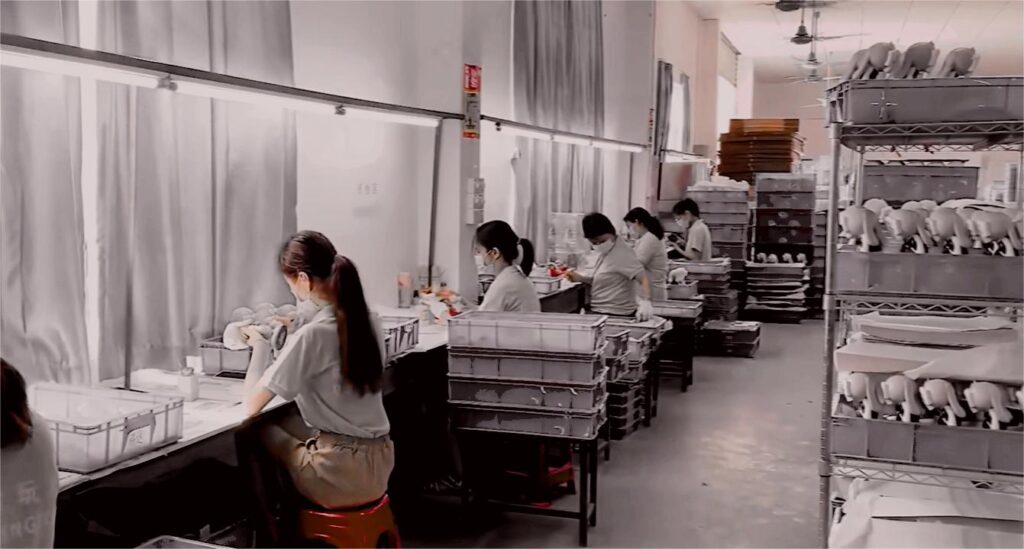
This is not just theory. We can trace the supply chain to specific partners.
- Core Supplier for Scale: One of Labubu’s main production bases is in Ganzhou, Jiangxi province. Public records link production to Shun Jia Toys (Ganzhou) Co., Ltd.
- Proof of Massive Growth: In 2024, this single factory filed plans for a new project to produce “12 million toy pieces per year,” with construction from October to December.
This shows the scale Pop Mart operates on. They aren’t just placing orders; they are booking out entire factory production lines years in advance to guarantee capacity.
We can also see smaller, associated suppliers like Shenzhen Xingqiong Technology, which has appeared on Alibaba as a supplier for Labubu-related products. This highlights the complex network of component and assembly partners behind one “simple” toy.
A Look at the “Art Toy” Manufacturing Process
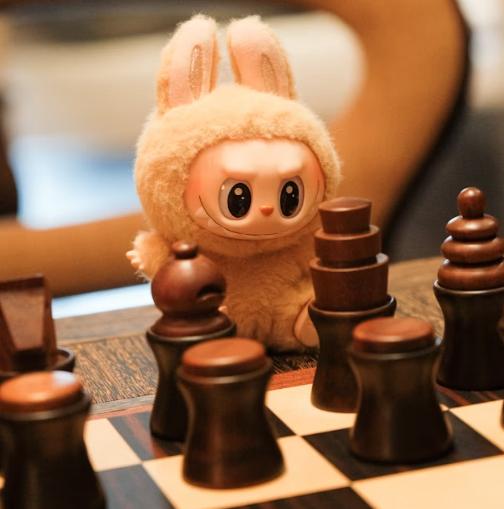
Many sellers see a vinyl figure and think it’s a simple, low-cost product. But a $15 collectible like Labubu is made with a process closer to high-end electronics. The value is not in the plastic; it is in the precision and finishing.
To copy this success, a manufacturer must be an expert in these four key areas:
- The Steel Mold (The Foundation): Everything starts with a high-precision steel mold. For a complex character, this mold can cost thousands of dollars. A cheap mold will show ugly seam lines or lose detail. This is the first and most important investment.
- The Material (PVC/Vinyl): The figures are made from PVC (vinyl). The key here is consistency—ensuring the material has the right texture, weight, and durability.
- Painting (The Core Value): This is the most critical and expensive step. The “cute” look is achieved with “pad printing” (移印) for logos and eyes, and multi-layer spray painting by hand. Each color (like the blush on the cheeks) is a separate step using a custom “paint mask” (喷油模具). This is slow, skilled labor, and it’s where 90% of quality failures happen (overspray, missed spots, smudges).
- Assembly & Packaging: Finally, the parts (head, arms, accessories) are assembled. This must be done in a clean environment to avoid dust or scratches. The blind box and foil wrapper are also key parts of the product experience and must be perfect.
Why This Matters for Your Brand: You cannot use a general toy factory for this. You must partner with a specialized OEM that has clean rooms for painting and a team of stable, skilled workers. This is a high-skill process.
The Labubu Blueprint: Key Lessons for Your Brand
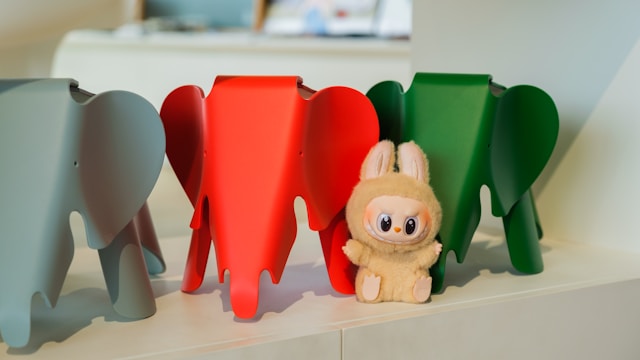
Pop Mart’s $420M+ sales year with Labubu provides a clear blueprint.
- IP is Your Most Valuable Asset: The product’s value is the character, not the vinyl.
- Sourcing is Strategy: Don’t just find a factory. Find the right factory for the right job (Quality vs. Speed vs. Scale).
- Scale Requires Diversification: Relying on one factory is a huge risk. Pop Mart uses partners across China to protect its supply chain.
- Consistency is King: The “Labubu review” phenomenon shows that quality must be identical, no matter which factory makes it. A brand’s reputation depends on a uniform customer experience.
Read More: Learn how to find the right factory in our [Guide to Vetting Chinese Suppliers].
Read More:
- 15 Best Wholesale Toys China Suppliers
- Where Is Lego Made
- Where Are Stanley Cups Made
- Where Are Jordan Shoes Made
- Where Are Crocs Made
- Where Are Babymori Clothing Made
- Where Are Shein Clothing Made
NicheSources: Your Partner in Quality Consistency
The Labubu model shows that the most successful brands build complex supply networks. But it also shows the biggest risk: losing quality control.
As sourcing agents, our most critical job is managing this. We don’t just find factories. We create a single “Golden Sample” (a perfect master product) and a detailed Quality Control checklist.
Then, we enforce that exact standard across all your production partners—whether they are in Shenzhen, Jiangxi, or Vietnam.
Don’t let your brand’s success be ruined by inconsistency.
Ready to build and scale your brand? Contact NicheSources for a consultation today.