China is globally renowned as a source of affordable innovative products. Its manufacturing sector is also lauded for its high output capabilities and efficiency.
That said, when sourcing goods to resell, it is important to be strategic. Aim for products with high demand, unsaturated supply, and good profit potential.
To help you get started, we have done the research and come up with a shortlist of cheap products from China that are worth considering. They are spread across different niches and price ranges to suit different businesses.
Read on.
Note: All prices are estimates based on prevalent prices at the time of writing. Profit margins are also solely based on price and do not factor in business overheads such as shipping and taxes.
1. AI-Powered Home Security Camera
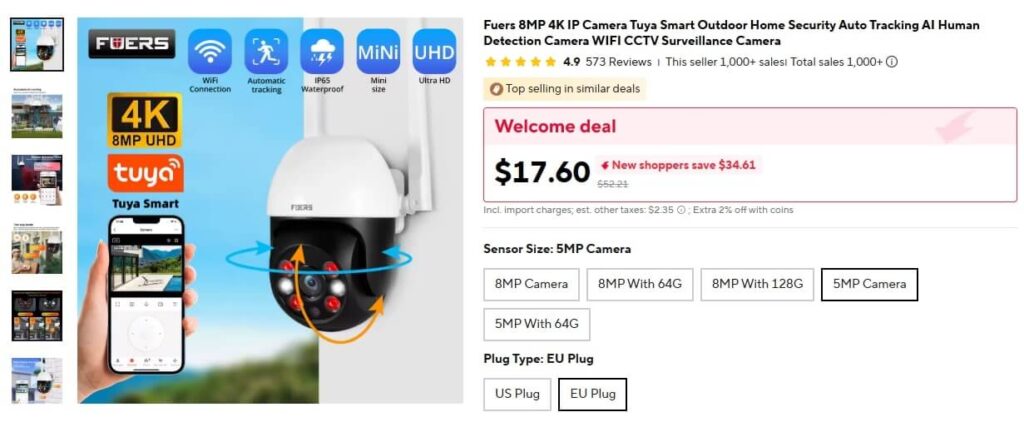
AI-powered security cameras reduce false alarms by detecting the difference between people, pets, and packages, giving users peace of mind and fewer false notifications.
Most models offer 1080p or higher video, app alerts, and two-way audio. These smart upgrades are ideal for renters and homeowners looking for simple, DIY protection.
With 74% of U.S. consumers prioritizing home safety tech, this is an evergreen product with upgraded selling points.
Average 2025 Sourcing Price: $15–$30 per unit for standard 1080p AI-enabled models.
Estimated Profit Margin: ~50%. Retail prices range from $50–$80 depending on feature set and brand positioning.
Sourcing Insider Tip: Make sure your supplier provides FCC and CE certifications to avoid customs or listing issues.
Also verify night vision and motion sensitivity with real-world sample tests, cheap sensors often underdeliver in dark conditions.
Ask how footage is stored (local vs. cloud), as privacy-conscious customers will want details.
2. Smart LED Ambient Lighting Panels or Strips
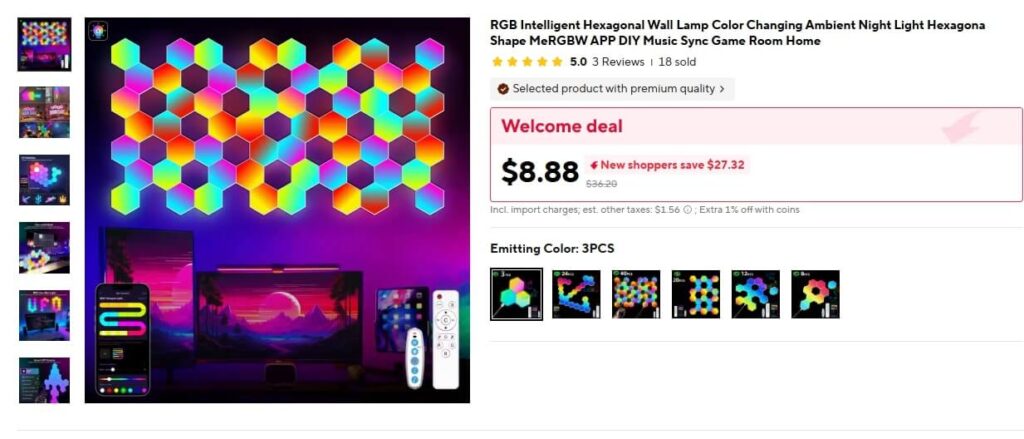
These smart LED kits, whether wall panels or flexible strips, turn any room into a customizable visual experience.
Newer models offer app control, music sync, and integration with Alexa/Google Assistant.
With the boom in gaming setups and home décor upgrades, these lights continue to trend, especially in the EU and U.S.
Average 2025 Sourcing Price: $10–$15 for a 5m RGB smart strip or entry-level wall panel kit.
Estimated Profit Margin: 50%+. Retail pricing ranges from $30–$50 for quality sets.
Sourcing Insider Tip: Request CE and RoHS certifications, and double-check brightness and color rendering with samples, some cheap LEDs flicker or have dull output. Confirm mounting adhesive strength and consider including bonus clips or tape; complaints often stem from lights that won’t stay up.
3. GaN Multi-Port Fast Chargers (30W–100W)
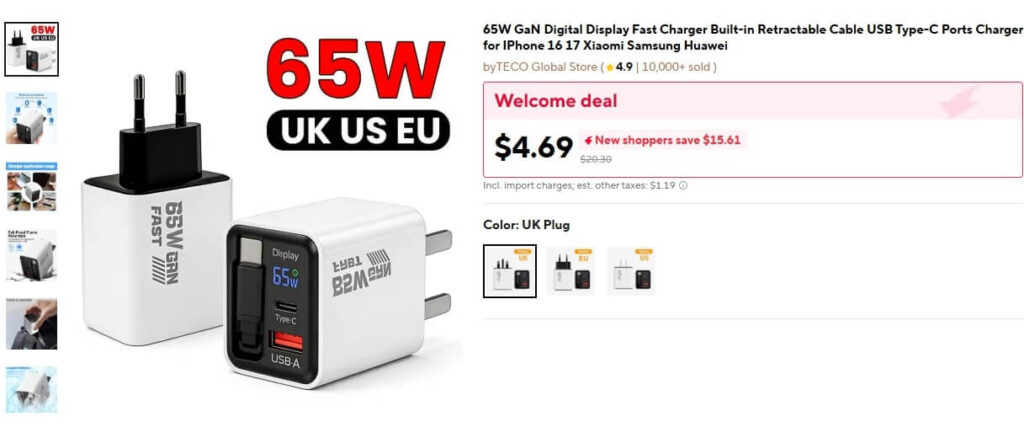
GaN chargers offer faster, more efficient charging in a smaller form factor. With USB-C fast charging demand growing, these multi-port adapters are a strong alternative to branded laptop or phone chargers.
They’re compact, travel-friendly, and increasingly mainstream in both consumer and B2B tech markets.
Average 2025 Sourcing Price: $5–$10 depending on wattage and port count (e.g. 65W 3-port charger ≈ $9).
Estimated Profit Margin: 40–60%. Retail typically ranges from $20–$35, with high-end 100W models going up to $50+.
Sourcing Insider Tip: Don’t skip UL, CE, and FCC compliance, especially for U.S. listings. Ask suppliers about overcharge and short-circuit protection chips. Avoid low-cost clones with weak internal components that overheat under full load. Do a multi-device charging test to vet thermal performance.
4. MagSafe Wireless Power Banks (5,000–10,000 mAh)
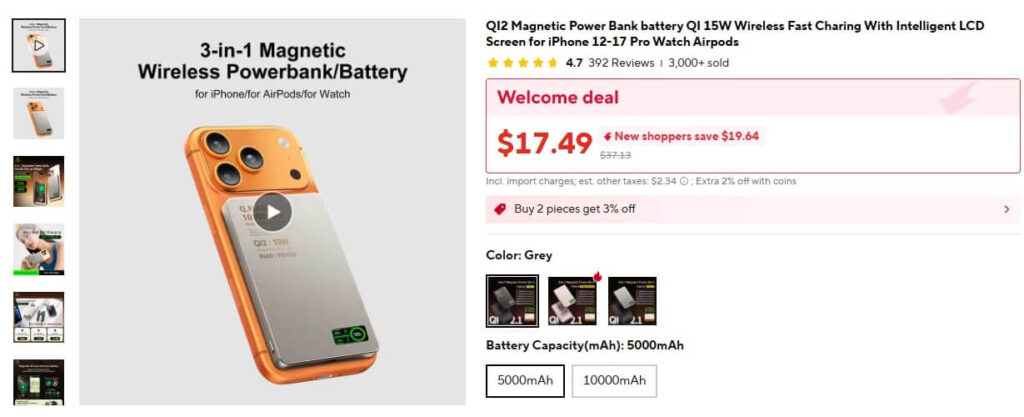
These magnetic wireless chargers snap onto compatible phones for tangle-free charging on the go.
Sleek, compact, and multi-functional (often doubling as phone stands or grips), MagSafe power banks appeal to Apple users and commuters alike.
Their convenience and aesthetic make them a step above generic power banks.
Average 2025 Sourcing Price: $10–$15 depending on capacity and features.
Estimated Profit Margin: 50–60%. Most retail between $25–$40 depending on capacity and finish.
Sourcing Insider Tip: Only source from suppliers with UN38.3 and MSDS certification, lithium batteries must meet shipping safety standards. Check magnet strength and alignment on physical samples. Weak coils or misaligned pads lead to poor charging speed and high return rates. Ask for UL2056 compliance if selling in higher-end markets.
5. Matter-Compatible Smart Plug (Wi-Fi)
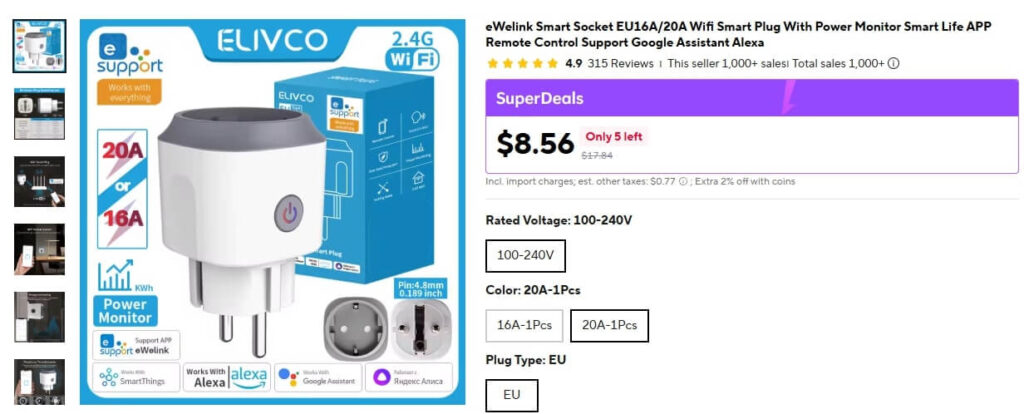
These updated smart plugs work seamlessly across Alexa, Google, and Apple Home thanks to Matter protocol support no more platform lock-ins.
Popular for automating lights, fans, or appliances, Matter-certified plugs stand out for ease of setup and universal compatibility.
Their energy-monitoring features also appeal to eco-conscious buyers.
Average 2025 Sourcing Price: $4–$7 depending on chipset and certification level.
Estimated Profit Margin: 40–55%. Matter plugs retail between $20–$25, vs. $15–$18 for generic smart plugs.
Sourcing Insider Tip: Always confirm the plug is officially Matter-certified, not just “Matter-ready.”
Ask for documentation or the CSA-IoT listing. UL or ETL certification is also key for U.S. listings due to electrical safety requirements.
Test app setup across platforms; Matter’s whole appeal is seamless pairing.
6. Smart Fingerprint Door Lock
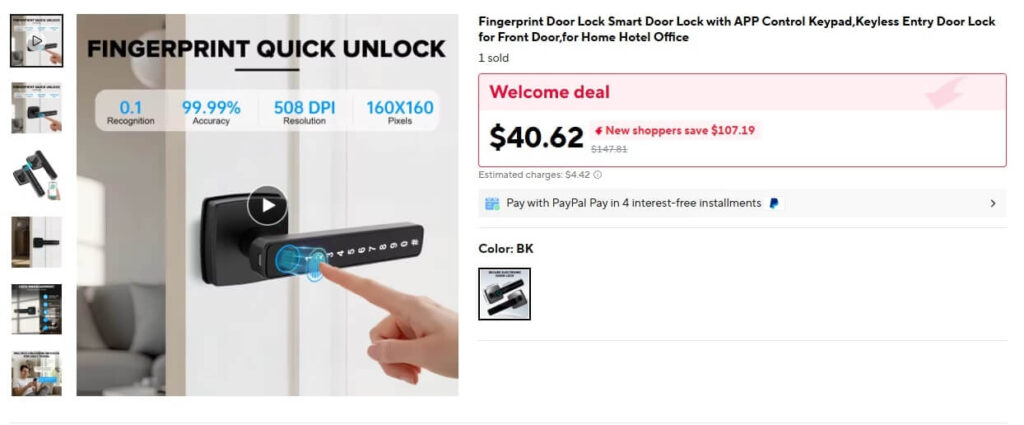
This next-gen door lock combines fingerprint scanning, Bluetooth access, and optional keypads for a secure, keyless entry experience.
Homeowners and short-term rental hosts appreciate features like one-touch unlock, temporary access codes, and auto-lock timers.
With smart lock adoption rising sharply, and over 65% of new homes expected to include them by 2028, this product upgrades the evergreen deadbolt into a tech-forward, value-added item.
Average 2025 Sourcing Price: $40–$60 for a Bluetooth model with fingerprint reader; keypad-only units are ~$35.
Estimated Profit Margin: 30–45%. Typical retail ranges from $99–$199 depending on features and finish.
Sourcing Insider Tip: Request ANSI/BHMA durability grade (Grade 2 or better preferred). Ensure the lock includes a mechanical key backup and confirm FCC and CE certifications if wireless. Cheap sensors often lag, test fingerprint responsiveness before committing to bulk orders.
7. 4K Dashcam with ADAS Features
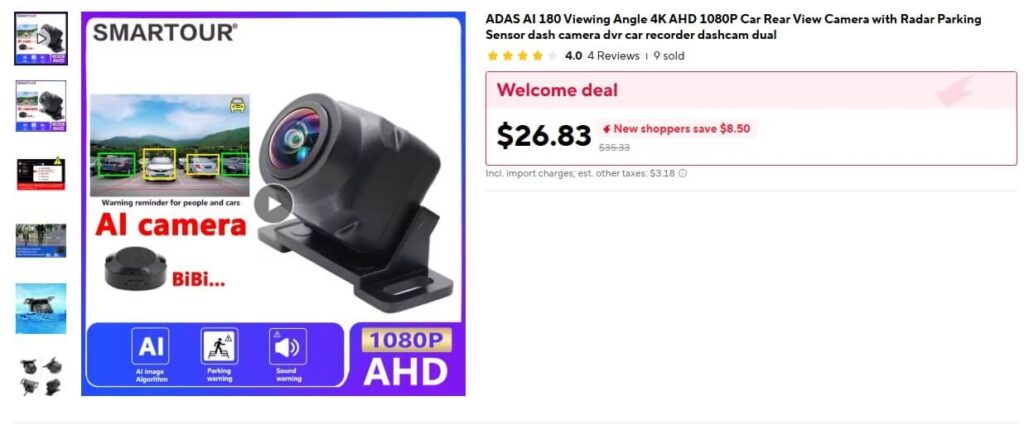
This dual-lens dashcam records crystal-clear 4K footage and offers ADAS alerts like lane departure warnings, making it a favorite among rideshare drivers, commuters, and safety-conscious fleet owners.
The built-in AI elevates it beyond the basic cam, helping prevent accidents and resolve disputes.
With growing demand for smart auto accessories, this is a premium spin on a proven product.
Average 2025 Sourcing Price: $25–$35 for 4K dual-lens models with GPS and ADAS features.
Estimated Profit Margin: 45–60%. Models retail from $70–$150 depending on feature set and branding.
Sourcing Insider Tip: Look for capacitor-based power (more heat-resistant than lithium batteries) and Sony STARVIS sensors for night clarity. Confirm ADAS features are functional, not just marketing fluff, and always include mounts and cables to prevent buyer frustration.
8. Smart Bicycle Helmet with LED Turn Signals
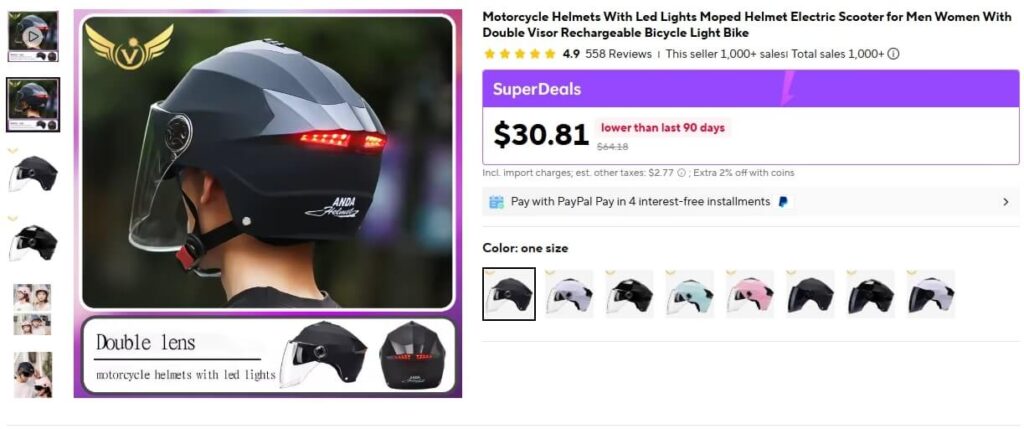
This upgraded helmet features integrated LED lights, remote-activated turn signals, and often Bluetooth audio, blending safety with commuter convenience.
It’s a hit among urban cyclists, e-scooter riders, and fitness users looking for better visibility on the road.
Unlike traditional helmets, this one earns its premium positioning through function, not just form.
Average 2025 Sourcing Price: $25–$35 for models with full LED array and remote.
Estimated Profit Margin: 35–50%. These helmets retail between $60–$100 depending on styling and extras.
Sourcing Insider Tip: Demand CPSC (U.S.) or EN 1078 (EU) certification, non-compliance can get listings pulled.
Check IPX rating (ideally IPX4+) to ensure electronics survive rainy rides, and confirm the remote has a secure mount system included in packaging.
9. Portable Power Station (500Wh Mini Solar Generator)
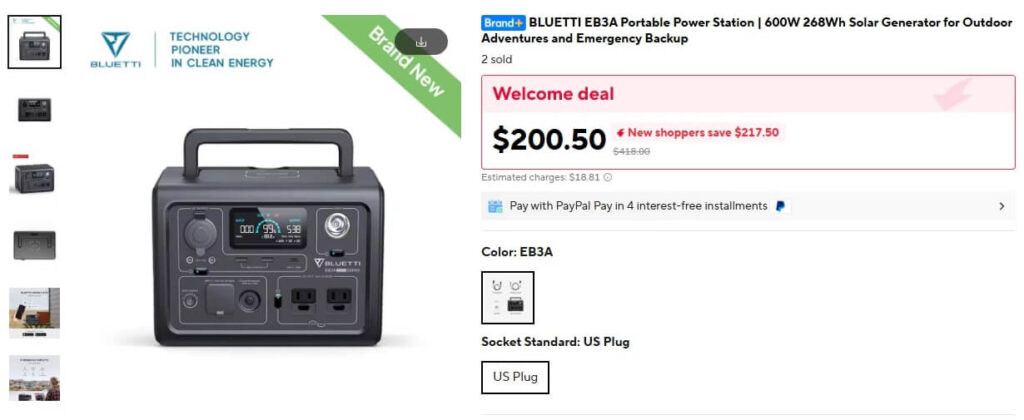
A mid-size portable power station can charge laptops, phones, and even small appliances, ideal for camping, emergency kits, or van-lifers.
LiFePO4 batteries now make them safer and longer-lasting, while solar charging adds eco appeal.
It’s a trending category with strong seasonal spikes and growing relevance during power outages.
Average 2025 Sourcing Price: $150–$250 depending on capacity and features.
Estimated Profit Margin: 20–35%. Retail price for 500Wh units ranges from $299–$399.
Sourcing Insider Tip: Require UN38.3 + MSDS for safe battery shipping. Ask for pure sine wave inverter specs, and test charge cycles if claiming LiFePO4 (2,000+ expected). Highlight CE or ETL safety certifications for North American markets, buyers won’t skimp on safety at this price.
10. Mini 1080p Portable Projector
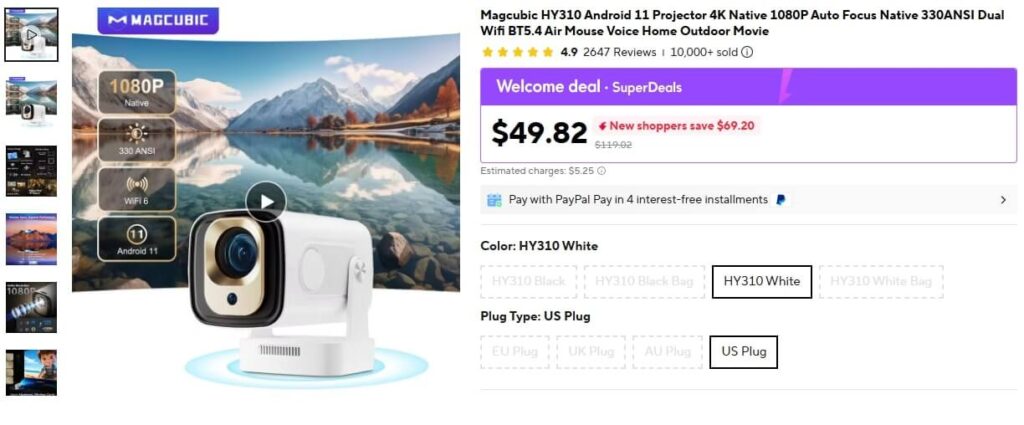
Compact projectors bring big-screen experiences to bedrooms, dorms, and outdoor movie nights.
Today’s top models feature native 1080p resolution, Wi-Fi casting, and built-in speakers, making them perfect gift items under $100.
They appeal to budget-conscious consumers who still want smart features in a portable form.
Average 2025 Sourcing Price: $30–$50 for native 1080p LED models with wireless casting.
Estimated Profit Margin: 50–70%. Most resell between $80–$120, depending on brightness and feature bundle.
Sourcing Insider Tip: Ignore fake “6,000 lumen” specs, ask for ANSI lumen numbers or demo footage. Stick to native 1080p chips, confirm cooling fan noise levels, and include small extras (like remote, tripod, or HDMI cable) to reduce returns and boost perceived value.
11. Room Air Purifier (HEPA Filter)
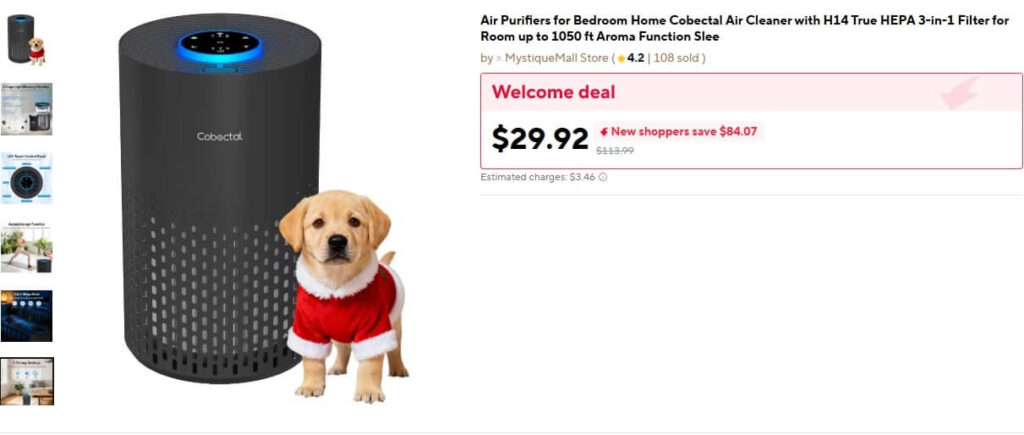
Home air purifiers remain in steady demand, driven by allergy concerns, wildfire smoke, and growing consumer awareness of indoor air quality.
HEPA and activated carbon filters remove dust, allergens, and odors, making even budget units attractive for everyday use.
While the pandemic initially fueled the surge, post-2025 consumers continue to prioritize wellness, eco-consciousness, and clean air.
Compact purifiers with features like UV sterilization or aromatherapy add extra appeal in this evergreen category.
Average 2025 Sourcing Price: $10–$30 depending on room size and features. Small desktop units start around $8–$10 in bulk; mid-range digital-display purifiers cost ~$20–$30.
Estimated Profit Margin: 45–60%. Purifiers retail from $39–$89+. Sourcing at $15 and selling at $59 yields ~60% margin.
Sourcing Insider Tip: Insist on true HEPA filters (preferably H13) and get CADR specs. For models with ionizers or UV, check for CARB compliance to meet U.S. ozone limits. Request ABS flame-retardant casing for safety and consider bundling spare filters to generate recurring sales and boost listing trust.
12. AI Robot Vacuum & Mop Combo
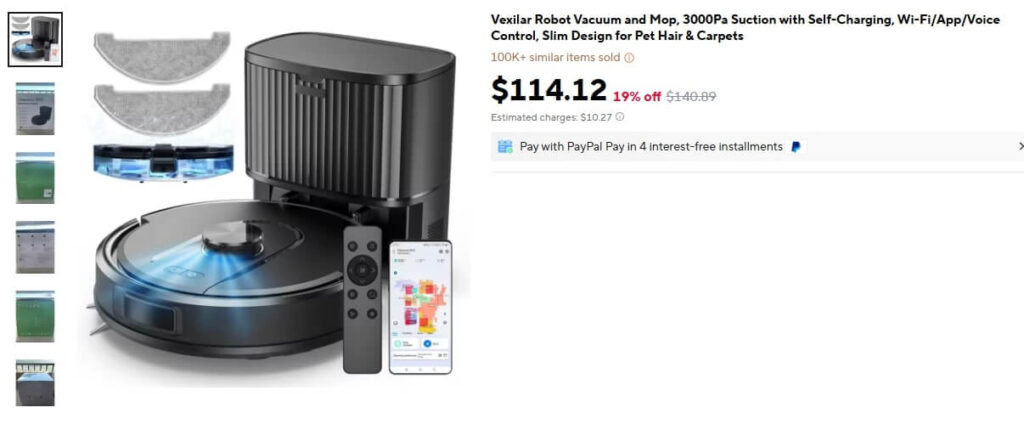
This all-in-one robot cleans floors with a vacuum and mopping function while using LiDAR or AI navigation to avoid socks, cables, and pet messes.
Smart mapping, app control, and quiet operation make it an upgrade from basic vacuums.
In 2025, even mid-range models deliver strong performance, tapping into a robust global market that values hands-free home cleaning. It’s a high-ticket category where thoughtful sourcing pays off.
Average 2025 Sourcing Price: $90–$120 for 2-in-1 units with LiDAR navigation and app support.
Estimated Profit Margin: 35–50%. A unit sourced at $100 can retail for $299. Margins are strongest with volume pricing and smart bundling.
Sourcing Insider Tip: Test mapping accuracy and motor power on carpet transitions.
Ensure battery cells are UN38.3 certified, and software is polished (bad apps = high returns). Secure FCC, CE, and RoHS certificates for listing.
Ask for extra mop pads and brushes to include, small additions increase perceived value and reduce post-sale issues.
13. Advanced Budget Smartwatch (Health & Fitness Focus)
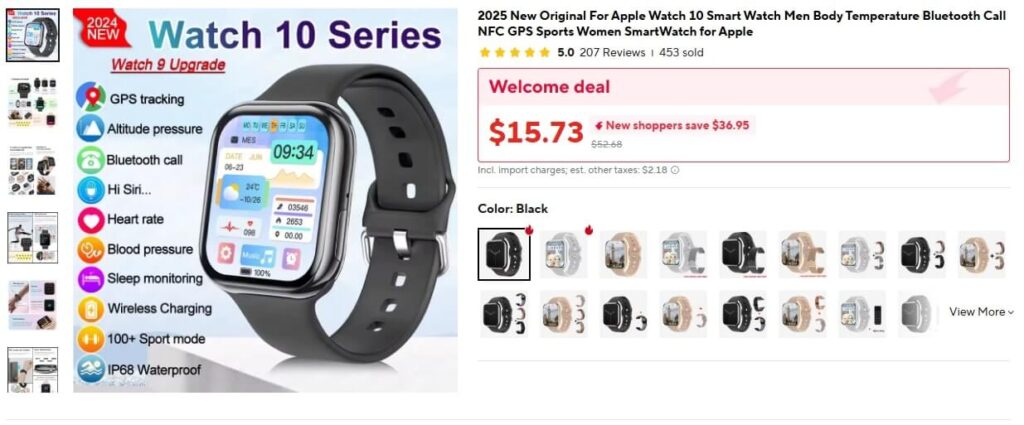
Smartwatches under $50 now offer heart rate, SpO2, sleep tracking, and step counting, making them attractive alternatives to high-end brands.
In 2025, consumers expect full-featured watches even at budget prices, especially with health and wellness tracking in demand.
This upgraded evergreen is popular across multiple buyer segments: fitness users, kids, seniors, and casual tech fans.
Average 2025 Sourcing Price: $10–$20. Fitness-focused models with IP67, Bluetooth 5.2, and full-color screens are commonly sourced at ~$12–$15 in bulk.
Estimated Profit Margin: 50–70%. Retail ranges from $30–$60+. A $15 unit sold at $49.99 offers ~70% gross margin.
Sourcing Insider Tip: Test the OEM’s app (often “GloryFit” or “Da Fit”), buggy apps cause more returns than hardware flaws.
Confirm FCC/CE compliance, and check for nickel-free backplates to avoid skin irritation.
Inspect packaging and UI for unauthorized branding, avoid models with copycat Apple-style menus that could trigger IP flags.
14. Bone Conduction Sport Headphones
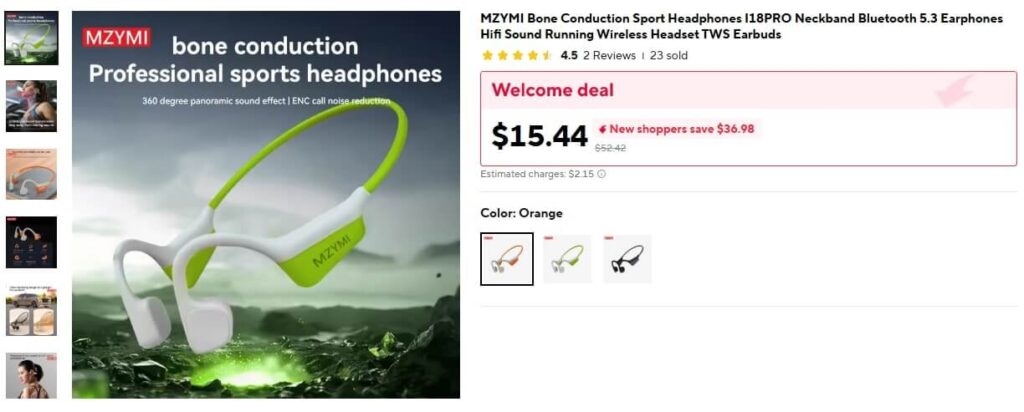
Bone conduction headphones deliver sound via cheekbone vibrations, keeping ears open to ambient noise, ideal for runners, cyclists, and outdoor workers.
The 2025 models offer improved sound quality, comfort, and water resistance.
As awareness grows, consumers seek budget-friendly alternatives to Shokz, making this a timely niche within the broader headphone market.
Average 2025 Sourcing Price: $10–$18 for Bluetooth 5.0–5.3 models, with IPX6+ waterproofing and 6–8 hour battery life.
Estimated Profit Margin: 50–65%. Units retail from $30–$70+. At $12 cost and $39.99 sale price, margin is ~60%.
Sourcing Insider Tip: Comfort matters: test band tension and material, titanium alloy frames offer better flexibility.
Check for IPX6/IPX7 water rating and minimize sound leakage.
Ask for FCC, CE, and RoHS certificates, and offer a reflective accessory or hard case to boost differentiation at minimal cost.
15. LCD Writing Tablet for Kids
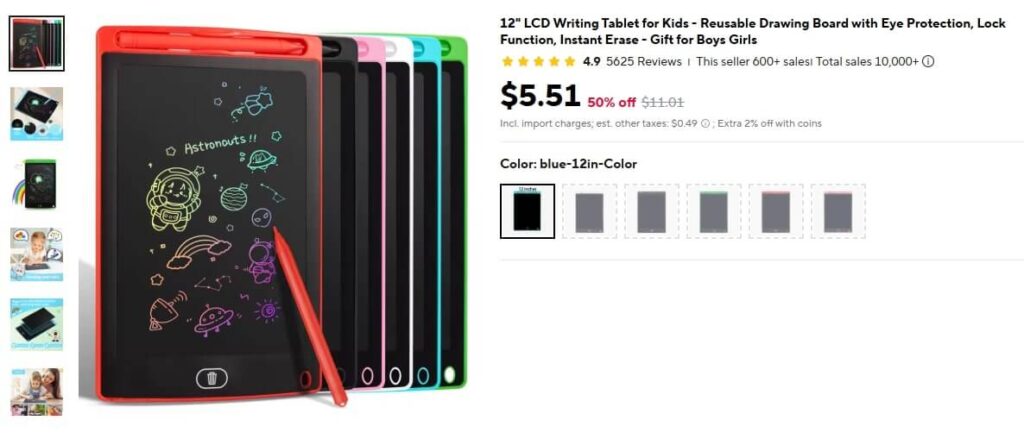
This erasable digital doodle board is a mess-free favorite for kids learning letters or drawing, no ink, no paper.
Popular with parents and schools alike, these tablets are also trending as screen-free educational tools.
With fun designs, lock screens, and light weight, they’re an affordable, giftable hit for ages 3 and up.
Average 2025 Sourcing Price: $2–$6 for 8.5–10-inch units. Bulk orders often secure prices under $2.50 for simple models.
Estimated Profit Margin: 60–80%. Common retail is $10–$20; even 2-packs at $19.99 yield excellent margins.
Sourcing Insider Tip: Confirm ASTM F963/CPSIA toy safety compliance. Battery doors should be screw-secured to prevent choking hazards, Amazon strictly enforces this.
Include a spare CR2032 battery and instruction sheet to reduce confusion and returns. Drop-test samples for durability before scaling.
16. Reusable Silicone Food Storage Bags
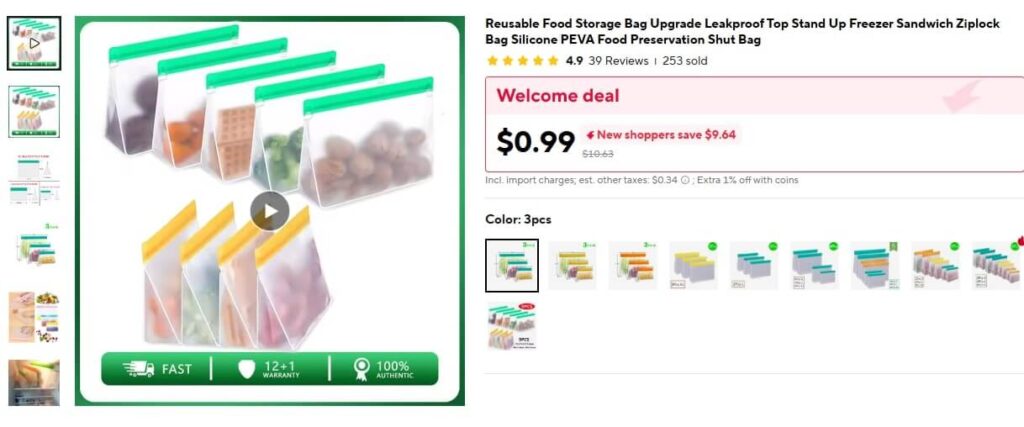
Reusable silicone bags offer a sustainable, food-safe alternative to disposable plastic bags.
Perfect for storing snacks, produce, or leftovers, they’re microwave-, freezer-, and dishwasher-safe.
The demand for eco-friendly kitchenware continues to grow, and 2025 models improve on older designs with better seals, thicker silicone, and stand-up or slider-closure options.
These bags combine daily utility with environmental impact, making them a top choice for sustainability-minded shoppers.
Average 2025 Sourcing Price: $0.80–$2.50 per bag. A 4-pack of high-grade, certified silicone bags may cost ~$5 in bulk.
Estimated Profit Margin: 50–70%. A set retailing for $15–$20 on a $5 cost yields margins of 60–72%.
Sourcing Insider Tip: Always source FDA/LFGB-certified, BPA-free silicone. Run a pinch test on samples (pure silicone won’t turn white) and ensure the seal holds water when inverted.
Highlight minimal, eco-conscious packaging in listings, and include care instructions to reduce complaints (e.g. don’t microwave fully sealed).
17. Solar-Powered Outdoor Security Light (Motion Sensor)
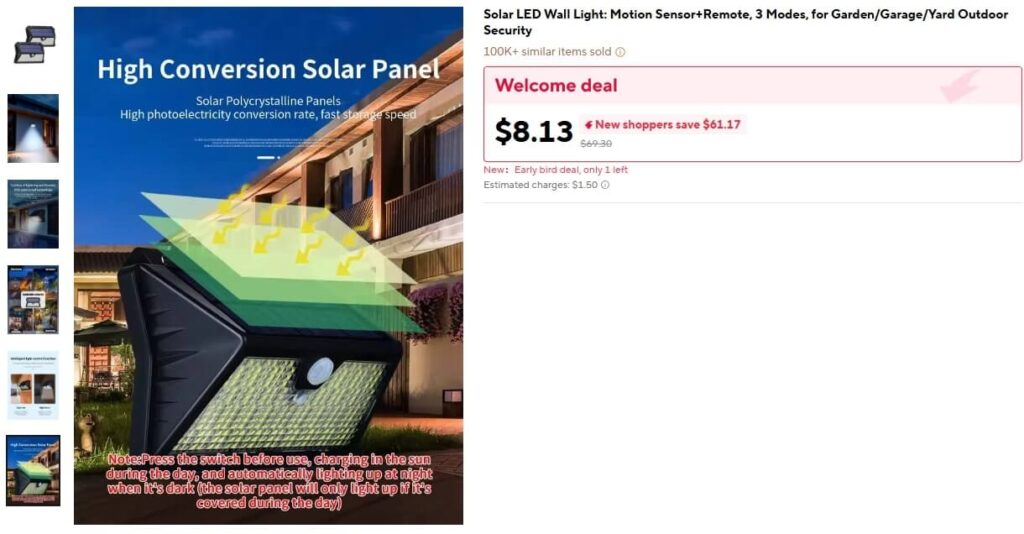
These solar lights charge during the day and illuminate walkways or entry points when motion is detected at night, no wiring needed.
They’re popular for home security, especially in spring/summer, and appeal to eco-conscious buyers. 2025 models feature brighter LEDs, wider detection, and dual modes (ambient + motion burst).
It’s an evergreen product with sustained demand and increasingly better tech at lower prices.
Average 2025 Sourcing Price: $5–$10 for a mid-range 100–120 LED model. 4-packs typically cost ~$20.
Estimated Profit Margin: 50%+. A 4-pack sold at $39.99 on a $20 cost gives solid room for profit.
Sourcing Insider Tip: Check for IP65+ waterproof rating and upgraded 1800mAh batteries to avoid common failure points.
Validate sensor range, and confirm CE/RoHS certification. Include installation tips in packaging (like “face south for better sun”) to reduce returns.
18. Personal Safety Alarm Keychain
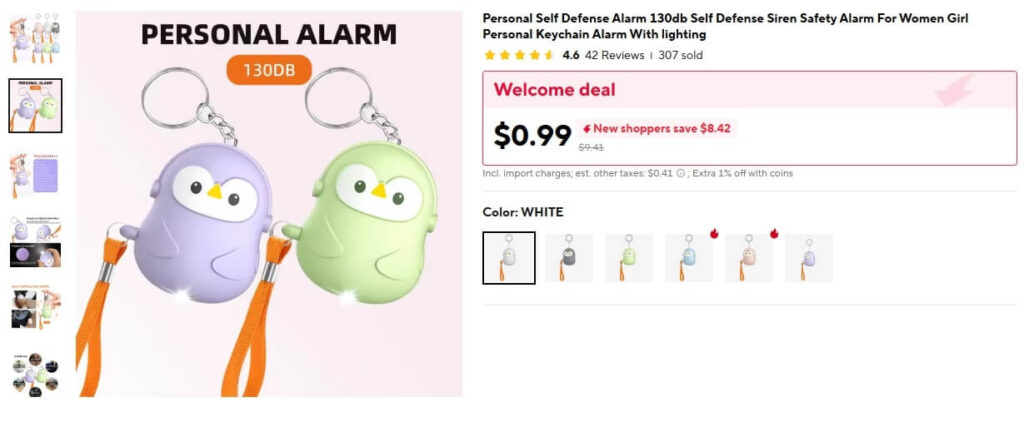
This compact keychain emits a 120–140 dB siren when triggered, designed to deter attackers or call for help. It’s widely used by students, commuters, and elderly individuals.
Popularized by viral campaigns, these alarms now include LED lights and sleeker designs.
With low cost, high utility, and emotional appeal, it’s an evergreen with broad B2C and gifting potential.
Average 2025 Sourcing Price: $1.50–$3.00 each. Advanced models with accessories or designs may cost more.
Estimated Profit Margin: 70%+. A $2 unit sold at $12.99 offers exceptional margin, especially in 2-packs.
Sourcing Insider Tip: Test activation reliability, the pin/button should work easily under stress but avoid false triggers.
Check sound level against a smoke alarm (should be much louder).
Ensure CE, FCC, RoHS compliance, and include clear instructions + optional extras like carabiners or lanyards.
19. Portable Door Lock (Travel Safety Device)
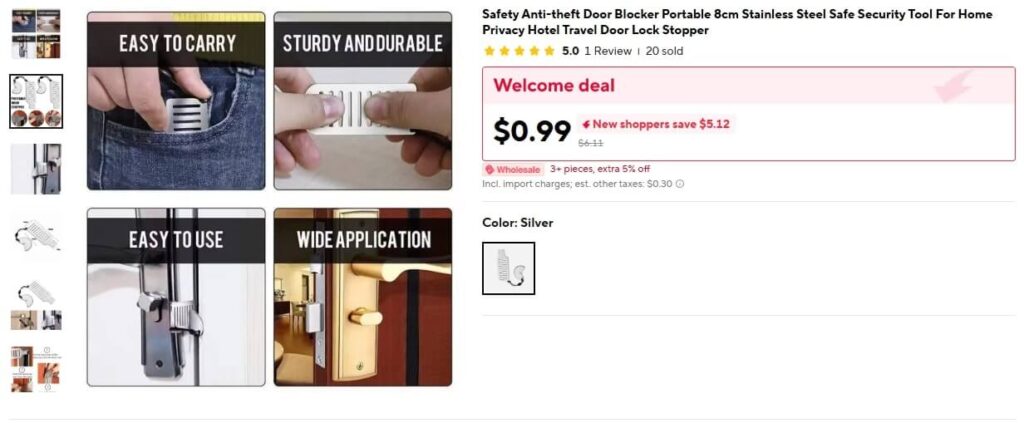
This lightweight, tool-free lock adds an extra layer of door security, ideal for hotels, dorms, or short-term rentals.
With growing safety awareness, this simple mechanical product has surged in popularity, especially among solo travelers and students.
It’s compact, effective, and a great impulse or seasonal purchase with broad use cases.
Average 2025 Sourcing Price: $1.00–$1.50 per unit. Custom colors or carry pouches may add minimal cost.
Estimated Profit Margin: ~70%. A $1.20 cost with a $12.99 sale price yields up to 90% gross margin.
Sourcing Insider Tip: Confirm fit across standard doors, test on metal, wood, and interior doors. Prioritize sturdy metal and smooth edges (no burrs). Include simple usage instructions and highlight in your listing that it’s for inward-swinging doors. Add a pouch or bold color options to differentiate.
20. USB Rechargeable Portable Blender
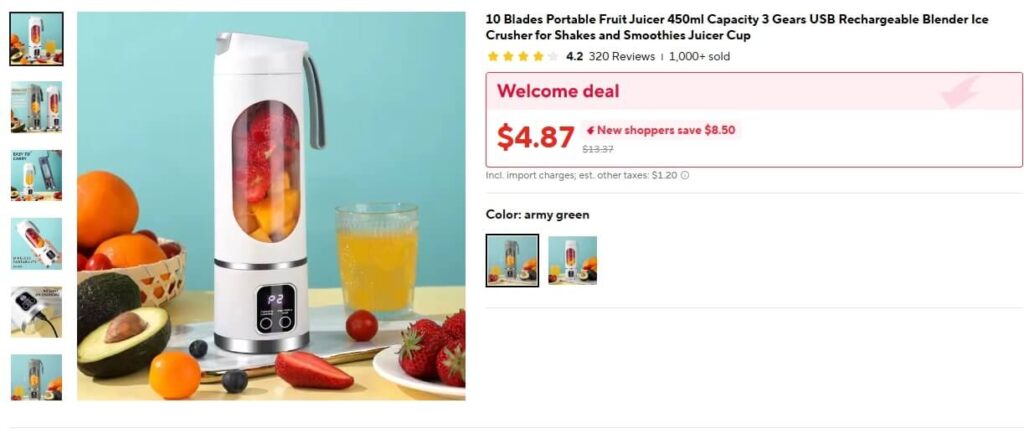
Designed for smoothies or shakes on the go, these battery-powered blenders are ideal for offices, gyms, or travel.
Riding the wellness wave and TikTok trends, modern units now have USB-C charging, stronger motors, and better leak-proofing.
It’s a practical, giftable product with year-round demand, especially post-holiday and during fitness seasons.
Average 2025 Sourcing Price: $5–$10 depending on size and motor quality. Mid-range 12–16 oz units typically cost ~$6–$8.
Estimated Profit Margin: 50–65%. A $7 unit sold at $29.99 yields 76% margin pre-fees, ~50% net margin.
Sourcing Insider Tip: Look for 7.4V dual-cell motors (can crush ice) and safety interlock features. Test leak-proofing and blending power with ice/frozen fruit.
Ensure UN38.3, CE/FCC, and FDA/LFGB approvals. Include care warnings like “don’t submerge base” and package attractively for gift-giving, recipe cards or spare gaskets add great value.
Advanced Guide: A Sourcing Agent’s Guide to Importing Cheap Goods in 2026
Importing low-cost products is about finding the right factory, understanding total landed cost, and avoiding the hidden risks that wipe out your margins.
The landscape has changed: regulations are tighter, shipping fees fluctuate fast, and buyers expect higher quality even at low price points.
Here’s how professional sourcing teams approach “cheap goods” without compromising quality or compliance.
1. Quality Control: How to Spot “Fake Quality” Before You Order
Factories know how to make samples look perfect. The real skill is identifying red flags before you commit.
What sourcing agents check:
- Material substitution: Silicone with fillers, hollow metals, thin plastics, “HEPA-style” filters that aren’t true HEPA.
- Too-good pricing: If a product is 30–40% cheaper than comparable quotes, assume downgraded materials or inconsistent production.
- Supplier transparency: A good factory will show production photos, certifications, and test reports without hesitation.
- Version control issues: Many small factories change materials without informing buyers. Agents insist on a signed spec sheet before mass production.
Pro Tip: Request videos of the production line. Real factories will send footage of molding, assembly, and QC stages. Trading companies often cannot.
2. Landed Cost ≠ Factory Cost (The 2026 Calculation Formula)
A product that costs $3 at factory level rarely costs $3 to sell. Experienced importers calculate the full picture.
Your Landed Cost Formula: Factory Cost + Packaging Cost + International Freight + Import Duties + FBA/Prep + Marketing Cost per Unit
Why it matters:
- A product with “cheap factory cost” may end up being expensive to ship due to weight, size, or lithium batteries.
- Many 2026 EU/US regulations (battery rules, chemical restrictions, toy standards) increase testing and compliance costs.
Sourcing Agent Advice: Always demand a packaging size estimate (weight + dimensions) before sampling. In 2026, dimensional weight fees can shift your entire profitability.
3. Sourcing Cheap Doesn’t Mean Sourcing Low Quality
Low price does not equal poor product, if you work with the right tier of factory.
There are three levels of Chinese suppliers:
- Tier 1 OEM/ODM Factories – higher MOQs, best quality, stable pricing.
- Tier 2 Mid-Level Factories – perfect for eCommerce sellers, good balance of price + quality.
- Tier 3 Commodity Factories – lowest prices, highest risk (material shortcuts, inconsistent QC, unreliable certifications).
Your job is not to buy the cheapest version but to buy the best value version.
Pro Tip: Ask every supplier directly: “What material or component changes affect price the most?” This reveals whether they cut corners on batteries, motors, silicone grade, or plastic thickness.
4. Compliance Is Now Non-Negotiable
Cheap goods are the most likely to fail compliance checks, and Amazon now requires documentation for many categories.
Common compliance checks by product type:
- Electronics: CE, FCC, RoHS, UN38.3 (for lithium batteries)
- Kitchenware: FDA/LFGB
- Kids products: CPSIA, ASTM F963
- Beauty tools: MSDS, electrical safety documentation
Sourcing Agent Insight: Factories with real compliance documents will have:
- Matching test reports for the exact model
- Expiration dates still valid
- Traceable certification numbers
If a factory hesitates or sends outdated certificates? Walk away.
5. Packaging & Branding Hacks to Increase Perceived Value
Cheap goods become premium with small upgrades, a rule every sourcing agent uses.
High-impact, low-cost improvements:
- Switch plastic trays to molded kraft pulp (eco-friendly look).
- Add simple illustrated instructions to reduce returns.
- Offer one extra accessory or spare part (gasket, filter, cable).
- Use neutral, minimal branding to attract broader audiences.
These upgrades cost cents but increase your selling price by dollars.
6. Choosing the Right Supplier in 2026 (Not Just the Lowest Price)
Professional sourcing agents evaluate suppliers using a weighted scorecard rather than instinct.
Key evaluation criteria:
- Product specialization (Does the factory only make this item or hundreds of random SKUs?)
- MOQ flexibility
- Communication speed & clarity
- Past export markets (EU/US factories are stricter with quality)
- Quality consistency (request 2024–2025 production photos)
Red flag: Factories offering too many product categories often outsource production completely.
7. Negotiating in 2026: The Tactics That Work Now
As costs rise in China, negotiation is no longer just about lowering unit price.
What sourcing agents negotiate instead:
- Better materials at same price (stronger ABS, thicker silicone, higher mAh battery)
- Batch QC inspections included
- Free spare parts included
- Stronger packaging
- Lower mold fee
- Priority production slot
Pro Tip: For cheap goods, shaving $0.20 off cost can ruin quality. Negotiate value upgrades, not just price drops.
8. Shipping Strategies for 2026: The Real Margin Breaker
Freight volatility makes or breaks product profitability.
Best practices in 2026:
- Ship sea freight whenever possible, air freight destroys margins for bulky cheap goods.
- Use China warehouse consolidation to combine multiple SKUs and save on CBM.
- For FBA sellers, split shipments:
- Slow sea freight for bulk
- Small air shipment to avoid stockouts
Sourcing Agent Tip: Always run a “stockout simulation” the cost of losing the Buy Box or dropping in ranking is higher than temporarily using pricier shipping.
9. When Cheap Goods Become High Risk
Certain products look profitable but turn into liabilities.
High-risk categories include:
- Items with batteries + water exposure (solar lights, blenders, humidifiers)
- Products with moving parts (motors, pumps)
- Kids items requiring strict compliance
- Electronics under $5 factory cost (usually unreliable)
If your profit margin depends on zero defects, avoid these categories.
10. Work With a Sourcing Agent (Or Build an Internal QC Workflow)
Success with cheap goods is all about execution, not random supplier selection.
What agents do that sellers struggle with:
- Visiting factories
- Checking production materials
- Verifying certifications
- Conducting pre-shipment inspections
- Managing unexpected delays
- Handling language and communication barriers
Even experienced FBA sellers rely on agents for cheap goods because the failure rate is higher, and detecting issues early saves thousands.
FAQ about Cheap Products from China
Why Are Products from China Cheaper?
The low cost of goods made in China is caused by multiple factors. They include:
- Government goodwill – the Chinese government supports the manufacturing industry through fair taxation, subsidies, and general ease of doing business. Consequently, businesses do not incur high costs that they have to recoup through pricing.
- Economies of scale – most factories in China manufacture products in bulk which means they source raw materials at wholesale rates. They also produce hundreds/thousands of units in one cycle which is cheaper than many small cycles.
- Access to raw materials – most raw materials needed for product manufacturing are either available within China or in neighboring Asian countries. Wood and bamboo, for example, are sourced from controlled forests while most plastic is recycled.
- Unrivaled infrastructure – whether a manufacturer operates in Yiwu, Shenzhen, or Chengdu, they have easy access to quality road, rail, water, or air transport to transport their products. This lowers transport costs which often inflate product prices.
- Technology – the automated machines used in China’s factories incomparably lower the cost of production. They increase productivity, lower labor costs, and increase efficiency. Manufacturers, therefore, still make a profit even if they sell at cheap prices.
How Much Cheaper Are Products from China?
The percentage varies based on the type of product in question. However, as a ballpark estimate, it is fair to say that most products made in China are about 20-30% cheaper than those made in the EU and the USA.
In an interesting twist, it may be cheaper to source some goods in other Asian countries like Vietnam or Pakistan. Nevertheless, they have not made themselves as accessible to international buyers as China has. Government red tape and other factors also present hurdles.
What Is the Safest Way to Buy Cheap Products from China?
Buying goods in collaboration with a verified professional sourcing company is arguably the safest way to shop in China.
Let’s expound on this a bit more for a better perspective.
Sourcing goods in China is an immersive experience. There are tons of options and every product seems more innovative than the last. Manufacturers, middlemen, and wholesalers also offer lots of great bargains that you may be hard-pressed to ignore.
However, the devil, as they say, is in the details. Whether you are shopping online or in-person, you may encounter challenges such as:
- Language barriers – Mandarin is the official language in China and not all businesses have staff that are fluent in English. Signs, price tags, and other important information is also presented in Mandarin and you may manage to make it out.
- Unscrupulous middlemen – most middlemen sell goods at higher prices than you would get if you bought them straight from the factory. Their reliability and the authenticity of their goods are also questionable.
- Quality issues – at first impression, most goods may look appealing but their quality drops drastically after the first few uses.
- Complexities of import-export procedures – if you are not familiar with shipping Incoterms, quality certificates, export clearance documents, and so on, buying goods from China may be an uphill climb.
A credible China-based sourcing agent understands the ins and outs of the manufacturing industry and the processes that come with import-export trade. So, whether you plan to visit China or want to buy remotely, they would be able to help you:
- Find the right manufacturers for the products you need
- Negotiate fair prices, MOQs, and other supply terms
- Perform quality inspections
- Organize shipping
How Do I Source Cheap Goods from China?
The Chinese government and the manufacturing community have significantly invested in making the country and its suppliers accessible to international buyers. As a result, you can source goods:
- Online – lots of manufacturers have well-designed websites where you can view or request their product catalogs. You can also find countless suppliers of cheap products on e-commerce platforms like CJ Dropshipping or Alibaba.
- At trade fairs – Chinese manufacturers lead the rest when it comes to hosting and attending trade fairs both locally and internationally. You can visit any of these events, interact with them, view their products, and negotiate favorable buying terms.
- By visiting China – you can plan to visit China and save up in advance. A guide or sourcing agent can help you explore factories and wholesale markets for cheap goods. Tourists are now also allowed to access Alipay for safe and easy payments.
- A sourcing company – you can hire a sourcing company to find suppliers or source cheap products on your behalf. They can also handle the buying processes upon your approval, collect the goods, and arrange shipping to your country.
Final Word
It is easy to state that China offers cheap products but listing them alongside their prices offers a clearer perspective. Plus, these are only a scratch of the surface; there are still lots of other products that you can explore.
Do you have ideas for cheap products from China that you would like to buy and resell? Not sure where to start? Let us help. We provide top-tier sourcing services and have the experience and networks to find all the products you need.
Send us a brief detailing your product sourcing requirements, request a free quote, and we will get back to you with all the solutions you need.