Shipping goods from China to the UAE offers huge opportunities but only if you understand how to navigate the process.
With trade between the two countries growing steadily, businesses are under more pressure than ever to get shipping right: fast, cost-effective, and customs-compliant.
Whether you’re a first-time importer or scaling your operations, knowing the best routes, freight options, and required documents can save you time, money, and unnecessary delays.
In this guide, we’ll walk you through everything you need to know to optimize your shipping strategy from choosing between air or sea freight to understanding customs regulations and cost breakdowns.
We’ve covered shipping costs in detail later in the article, but if you want a quick overview then here are the updated costs for 2025.
Estimated Shipping Costs (April 2025)
Note: These are average market rates and may vary depending on the season and service provider.
| Shipping Method | Estimated Cost | Details |
| 20ft Container (FCL) | $1,100 – $1,600 | Port-to-port, sea freight |
| 40ft Container (FCL) | $1,700 – $2,500 | Better value per unit if you have volume |
| LCL (per CBM) | $90 – $140 | Shared container space |
| Air Freight (per kg) | $5.00 – $9.00 | Based on weight, volume, and urgency |
| Express Courier (DHL/UPS) | $8.00 – $12.00 per kg | Best for small parcels under 20kg |
Popular Shipping Routes from China to the UAE
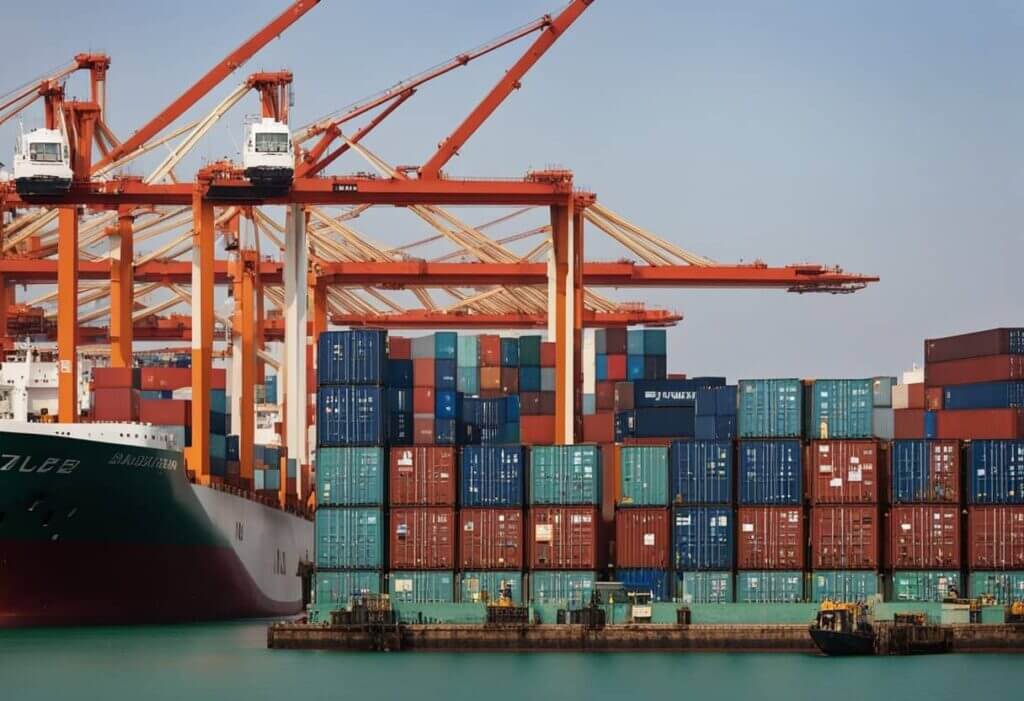
When you’re planning to ship goods from China to the United Arab Emirates (UAE), your main options for export are air freight and ocean freight. Each has distinct routes, transit times, and costs.
Ocean Freight Routes
Most goods shipped by sea from China to the UAE travel through major ports in southern and eastern China. Common origin ports include:
- Shenzhen (Yantian Port) – Ideal for electronics and consumer goods
- Guangzhou (Nansha Port) – Well-connected to factories across South China
- Shanghai Port – One of the world’s busiest and most reliable deep-water ports
- Ningbo-Zhoushan Port – Known for bulk shipments and industrial goods
The main destination in the UAE for sea freight is:
- Jebel Ali Port (Dubai) – The largest port in the Middle East and a major regional hub for re-export
- Khalifa Port (Abu Dhabi) – Gaining traction with newer infrastructure and growing trade volume
Sea routes typically pass through the Indian Ocean and the Strait of Hormuz, with an average transit time of 18 to 30 days, depending on the origin and shipping line.
Full Container Load (FCL) services offer a container for your exclusive use, while Less than Container Load (LCL) allows for sharing space with other shippers’ goods, which can be more cost-effective for smaller shipments.
Air Freight Routes
For urgent shipments, air freight provides a faster option. While more expensive, it reduces transit time significantly.
From Chinese airports such as Shanghai-Pudong and Guangzhou, flights are available to key UAE airports, including Dubai International and Abu Dhabi.
Now, let’s look at a table summarizing key routes:
| Origin Port / Airport | Destination Port / Airport | Ocean FCL | Ocean LCL | Air Freight |
| Shanghai | Jebel Ali | 30 days | 33 days | 5 days |
| Guangzhou | Jebel Ali | 36 days | 24 days | 7 days |
| Xiamen | Jebel Ali | 27 days | 30 days | 8 days |
| Qingdao | Jebel Ali | 30 days | – | 6 days |
| Shekou | Jebel Ali | 18 days | 27 days | 5 days |
| Shanghai | Abu Dhabi | 36 days | 30 days | 6 days |
| Guangzhou | Sharjah | 25 days | 38 days | 8 days |
Remember, these are estimated times. Your final choice between ocean and air will depend on your shipment’s urgency, volume, and your budget. Be prepared for some variation in shipping times due to factors such as weather, routing, and customs clearance.
China to UAE Shipping Methods Explained
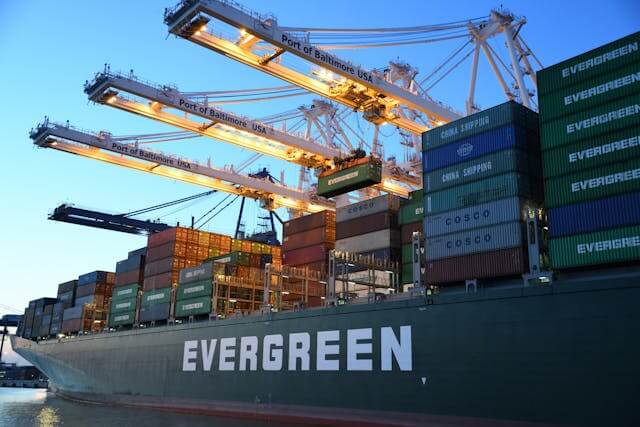
When deciding on the best way to ship goods from China to the UAE, you’ll need to consider factors like transit time, cost, and the nature of your items. Each shipping method has its set of advantages tailored to different business needs.
Air Freight
Air freight is the expedient choice for time-sensitive items. If your goods need to reach the UAE quickly, this is your best bet. Air shipments typically have shorter transit times compared to sea freight, which means you can expect your cargo to arrive in the UAE within days.
Pros
- Faster transit time than sea freight.
- Ideal for high-value and perishable goods.
Cons
- Generally more expensive than sea freight.
- Limited in capacity and weight of goods.
Sea Freight
Sea freight is the economical option, notably for large, heavy, or non-urgent shipments. Utilizing ocean shipping, you can choose between Less than Container Load (LCL) or Full Container Load (FCL), based on the volume of your cargo.
Pros
- Cost-effective for bulk shipments.
- You can choose between LCL or FCL to best match your volume needs.
Cons
- Slower transit time can range from a couple of weeks to months.
- Vulnerable to weather conditions and port delays.
Comparing Air and Sea Freight
| Factor | Air Freight | Sea Freight |
| Transit Time | 2–7 days | 18–30 days |
| Cost | Higher | Lower |
| Cargo Size | Limited (lightweight/small) | Suitable for large or heavy shipments |
| Speed | Fast | Slower |
| Best For | Urgent, fragile, high-value items | Non-urgent, bulk, or oversized cargo |
Shipping Methods and When to Use Them
Your choice between air and sea freight should align with your priorities and the specifics of your cargo.
Air Freight: Choose air freight for urgent deliveries or when shipping high-value, fragile, or perishable goods.
Sea Freight: Opt for sea freight for larger shipments that are not time-sensitive. FCL is suitable for substantial quantities, while LCL makes more sense for smaller amounts.
Container shipping rates from China to Dubai are generally more cost-efficient when you can fill an entire container.
Where door-to-door delivery is necessary, consider DDP (Delivered Duty Paid) terms to ensure hassle-free shipping, as this includes all associated costs and risks until the goods reach your premises in the UAE.
The Documentation Process for Shipping from China to UAE

When shipping goods from China to the UAE, having the correct paperwork is key to clearing customs without delays or unexpected fees. Mistakes in documentation are one of the most common causes of clearance issues so it’s important to get this step right.
Understanding Customs Clearance
Customs clearance is the official process of submitting required documents to government authorities so your goods can enter or leave a country legally. Both China and the UAE have strict customs rules, and your paperwork must align with regulations on both sides.
Submitting accurate documents ensures your shipment complies with trade laws, qualifies for the correct import duties, and avoids costly delays at the port or airport.
Required Shipping Documents
To prevent any hold-ups with customs, ensure you have the following:
- Commercial Invoice: This document provides information about the seller and buyer, a detailed description of the goods, their value, and the terms of sale.
- Packing List: Details the specifics of your shipment, including quantities, weights, and packaging types.
- Bill of Lading (for ocean freight) or Airway Bill (for air freight): Serves as a contract between the owner of the goods and the carrier, outlining the destination and giving title to the goods.
- Certificate of Origin: Verifies the country in which the goods were manufactured, which can affect import duties.
Each of these documents must be accurate, consistent, and clearly filled out, as customs officials will use them to assess your shipment and apply the appropriate duties.
Documentation for Specific Items and Prohibitions
Certain product categories require extra certifications or permits to meet UAE import standards:
- Certificate of Conformity (CoC): For goods regulated under safety or technical standards
- Inspection Certificates: May be needed for food, electronics, chemicals, or pharmaceuticals
- Health or Sanitary Certificates: Often required for food, supplements, or cosmetics
- Product Registration (e.g., with ESMA or Dubai Municipality): For regulated consumer goods entering UAE markets
Attempting to ship prohibited or restricted goods such as narcotics, counterfeit items, or certain weapons can result in seizure or legal penalties. Always cross-check your product against the UAE’s restricted items list.
Key Factors to Consider When Selecting a Freight Forwarder
Choosing the right freight forwarder is crucial for a smooth shipping experience from China to the UAE. Here’s what to look for:
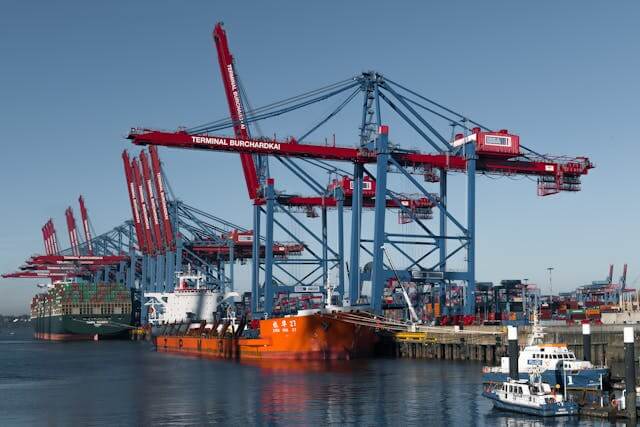
- China–UAE Shipping Experience: Work with a forwarder that regularly handles shipments between China and the UAE. They’ll be familiar with documentation, customs requirements, and port operations on both sides.
- End-to-End Services: Look for providers that offer full shipping support including pickup, warehousing, freight booking, customs clearance, and last-mile delivery. Door-to-door or DDP services save you time and reduce coordination hassles.
- Flexible Shipping Options: Your forwarder should support multiple freight modes (FCL, LCL, air freight) and Incoterms like FOB, EXW, or DDP. Value-added services like cargo consolidation and bonded warehousing are a bonus.
- Transparent Pricing: Quotes should include a clear breakdown of all costs: freight charges, origin/destination fees, customs clearance, documentation, and delivery. Avoid forwarders who are vague or underquote without details.
- Reliable Local Network: Make sure they have agents or warehouses in key ports like Shenzhen, Ningbo, Jebel Ali, or Khalifa Port. A strong network speeds up customs clearance and reduces risk.
- Communication and Tracking: Choose a forwarder that offers shipment tracking or proactive updates. Responsive communication is especially important when dealing with delays or documentation issues.
Red Flags to Watch Out For
- Unusually low pricing without explanation
- No client references or license information
- Poor responsiveness or lack of clarity in quotes
- Requests for full payment without a signed contract
A good freight forwarder acts as an extension of your business. streamlining logistics and minimizing risk.
How Much Does It Cost to Ship from China to the UAE?
Shipping costs vary depending on your cargo type, volume, urgency, and delivery preferences. While we’ve shared a cost snapshot earlier, here’s how pricing breaks down in more detail.

1. Cargo Volume and Weight
Shipping rates are largely based on size and weight.
- Air freight is charged per kilogram, considering both actual and volumetric weight.
- Sea freight uses container-based pricing (FCL) or cost per cubic meter (LCL). The larger or heavier your shipment, the more you’ll pay.
2. Shipping Method
- Air freight is fast but costly—best for urgent or high-value goods.
- Sea freight is slower but cost-efficient—ideal for bulk cargo or when time is flexible.
- Express courier (DHL, FedEx) offers door-to-door service for small, urgent shipments but at a premium rate.
3. Service Level
Costs vary depending on your delivery arrangement:
- Port-to-port is cheaper but requires more coordination.
- Door-to-door or DDP (Delivered Duty Paid) includes all shipping, customs, and delivery fees—more expensive upfront, but predictable and hands-off.
4. Customs Duties and VAT
- Import duties in the UAE are typically 5% of the CIF value (Cost + Insurance + Freight).
- VAT is also charged at 5% and applies to most goods.
These taxes are calculated based on the declared value and tariff classification of your products. A customs broker or freight forwarder can help ensure accurate declarations and avoid overpaying.
5. Incoterms and Their Impact on Cost
Incoterms define who pays for what and when. Here’s how a few common ones affect your costs:
- EXW (Ex Works): You handle everything from factory pickup to delivery—lowest product cost but highest shipping responsibility.
- FOB (Free On Board): Supplier delivers to the port; you manage shipping and clearance.
- CIF (Cost, Insurance & Freight): Supplier covers shipping to your port; you handle duties and delivery.
- DDP (Delivered Duty Paid): Supplier (or your agent) covers all costs to your door, including customs and VAT—simplest, but most expensive.
6. Additional Fees to Consider
- Port handling and documentation charges
- Export clearance in China
- Last-mile delivery inside the UAE
- Optional: cargo insurance, warehousing, or packaging fees
Quick Tip:
Ask your forwarder for an all-inclusive quote based on your Incoterm, delivery address, and product type. This gives you the clearest picture of your actual landed cost.
Transit Time from China to UAE
Knowing how long your shipment will take is essential for planning inventory, managing delivery timelines, and avoiding surprises. Transit time depends largely on your shipping method, air freight or sea freight and the origin and destination ports.
Air Freight (Fastest Option)
Air freight typically takes 5 to 10 days, depending on:
- Airport handling and capacity
- Customs clearance on both ends
- Airline schedules and route availability
While it’s faster, it also comes at a higher cost and is best suited for urgent or high-value goods.
Sea Freight (More Economical)
Sea freight is significantly slower but more cost-effective for larger shipments. Transit times vary depending on whether you’re using FCL (Full Container Load) or LCL (Less than Container Load). FCL is often quicker because it skips the consolidation process required for LCL shipments.
Here are some example transit times based on actual shipping routes:
| Mode of Transport | Port of Origin | Port of Destination | Transit Time (Days) |
| FCL Shipping | Ningbo | Sharjah | 36 |
| FCL Shipping | Chiwan | Jebel Ali | 18 |
| FCL Shipping | Wuhan | Jebel Ali | 29 |
| LCL Shipping | Shekou | Jebel Ali | 27 |
| LCL Shipping | Zhongshan | Jebel Ali | 23 |
What Affects Transit Time?
- Port congestion (especially during peak shipping seasons)
- Adverse weather or shipping delays en route
- Customs clearance delays due to missing documents or inspections
- The type of shipping service (direct vs. transshipment)
Pro Tip:
If time is a factor and your shipment is large enough, consider FCL. Not only does it often move faster, but it also avoids the delays associated with LCL consolidation and deconsolidation.
To get the most accurate estimate for your shipment, check schedules using carrier tools or consult a freight forwarder. They can provide updates based on real-time conditions and help you select the most efficient shipping route.
What Are The Customs Regulations When Shipping from China to UAE?
Understanding customs regulations is essential for a smooth shipping process. Whether you’re importing by sea or air, full compliance with UAE customs is non-negotiable.

Compliance with UAE Customs Procedures
The UAE is known for efficient customs clearance, but accuracy is key. When shipping from China:
- Declare your shipment’s value, origin, and contents clearly
- Make sure all documentation is complete, especially for goods shipped under FOB terms (as customs fees in China and port handling in the UAE are not included under FOB)
Failure to comply can result in delays, fines, or seizure of goods.
Prohibited and Restricted Items
The UAE has a strict list of banned and restricted imports. Common examples include:
- Narcotics and controlled substances
- Items conflicting with religious or cultural values (e.g., certain media, alcohol, gambling-related products)
- Wildlife products like ivory
Some items aren’t banned but require approval from UAE regulatory bodies before entry. Check this before shipping to avoid penalties or confiscation.
Required Certificates and Permits
Depending on what you’re importing, you may need additional documentation:
- Certificate of Origin (COO): Confirms where your goods were manufactured. This is required for duty calculation and trade eligibility.
- Conformity Certificates (e.g., ESMA): For electronics, toys, food, and other regulated items
- Import Permits: Required for certain restricted goods (e.g., cosmetics, supplements, chemicals)
Customs Duty and VAT in the UAE
- Import duty: Generally 5% of the CIF value (Cost + Insurance + Freight)
- VAT: 5% applied to most imports at the point of entry
Your freight forwarder or customs broker can help classify your product correctly and calculate the correct taxes.
Tips for Smooth Customs Clearance
- Work with a shipping agent familiar with China–UAE trade
- Double-check documentation: Invoice, Packing List, Bill of Lading, COO
- Keep up with changes in UAE import regulations (they may evolve)
- For high-risk or regulated products, allow extra time for clearance and inspection
Best Practices for Efficient Shipping from China to UAE
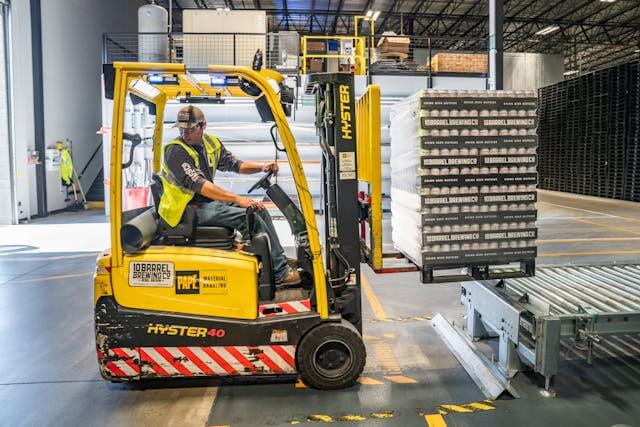
- Evaluate Logistics Partners: Choose reputable logistics companies with proven expertise in shipping from China to the UAE. They should offer reliable tracking systems and an understanding of local and international shipping regulations.
- Prepare a Comprehensive Packing List: Clearly itemize the contents on your packing list for smooth customs clearance. Ensure your packing list is detailed, accurate, and matches the accompanying invoice.
- Pack Goods Safely: Use quality materials and secure packing methods to protect the goods during transit. This is essential for both air freight and sea freight shipments to ensure your products arrive safe and intact.
- Select Appropriate Freight Options: Based on urgency and budget, decide between air freight for faster delivery and sea freight for larger, less time-sensitive shipments. Consider the transit time and costs associated with each option.
- Understand Transit Times: Be aware of the typical duration from pick-up to delivery. Transit times vary; air freight can take approximately 3-5 days, while sea freight may take 15-30 days to reach the UAE from China.
- Opt for Door-to-Door Delivery: Where possible, choose door-to-door delivery services for convenience and efficiency. This service includes local handling and delivery from the pick-up point in China to the final destination in the UAE.
- Stay Informed on Delivery Updates: Keep track of your shipment’s progress and be prepared to handle any customs or delivery issues. Effective tracking minimizes the risk of delays and ensures a smoother delivery process.
- Navigate Customs with Ease: Familiarize yourself with UAE’s customs regulations. Accurate documentation and adherence to import/export guidelines are essential to avoid delays when importing from China to the UAE.
Remember, each step is important for a successful shipping process, from choosing the right method of transport to ensuring your goods are delivered on time and undamaged to your destination in the UAE, whether to major hubs like Dubai or elsewhere.
FAQs about Shipping from China to UAE
Can You Explain the Trade Relations and Policies between the UAE and China?
The UAE and China have strong trade relations, with China being one of the UAE’s largest trading partners.
Bilateral agreements and policies have been established to encourage trade, and comprehensive strategic partnerships often include preferential trade terms.
It’s important to be aware of the latest trade policies to navigate this trade route effectively.
What Are the Estimated Shipping Times for Maritime Transport from China to Dubai?
Maritime transport from China to Dubai usually takes between 20 to 30 days. This duration can vary depending on the shipping line, the exact departure and arrival ports, and the route taken.
How Much Does It Typically Cost to Ship Goods from China to the UAE?

The cost to ship goods from China to the UAE depends on various factors including cargo size, weight, and the type of transportation. Rates fluctuate and it’s best to get a current quote for the most accurate pricing.
What Is the Average Duration for a Flight to Transport Goods from China to the UAE?
A flight to transport goods from China to the UAE typically takes about 6 to 8 hours, but this doesn’t include the time needed for preparations, loading, and customs clearance.
How Can I Calculate the Import Duty When Importing Goods from China to the UAE?
To calculate the import duty for goods entering the UAE from China, you’ll need to determine the customs value and then apply the appropriate duty rate. It’s advisable to consult with a customs broker or the UAE customs authorities for precise calculations.
Shipping from China to UAE with NicheSources
Shipping from China to the UAE can be smooth and cost-effective—if you plan it right. The key is choosing the right shipping method based on your timeline and budget.
Sea freight is ideal for larger shipments. It’s more affordable but takes longer, typically 25 to 35 days, depending on the route. Air freight is faster, often delivering in under a week, but comes at a higher cost. It’s best for urgent or high-value items.
If you need something in between, air express (like DHL or FedEx) offers door-to-door speed for smaller packages, perfect when you’re shipping under 20 kg.
For growing businesses, using an overseas warehouse can also speed up deliveries. Storing your products closer to your customers means you can fulfill orders faster without waiting for every shipment to clear customs.
Above all, keep your documentation in order and work with a trusted freight partner who understands the China–UAE shipping process. A little preparation goes a long way toward avoiding delays and unexpected costs.
That said, if you’re looking to source products from China with effective shipping to the UAE, it’s essential to work with seasoned experts. Feel free to request a quick quote from us for insights tailored to your business needs.
To further simplify your shipping process, consider our comprehensive freight forwarding services.
We handle everything from pickup at the supplier to final delivery in the UAE, ensuring a smooth and efficient shipping experience. For a customized logistics solution that covers all aspects of your China-to-UAE shipping needs, request a freight forwarding quote today.