Singapore is often called the “crown jewel” of Southeast Asian e-commerce. With high internet penetration, English as the working language, and the highest spending power in the region, it seems like the perfect market for international sellers.
However, the “Gold Rush” era of simply dropshipping generic products from China to Shopee Singapore is over.
In 2025, the Singaporean market is sophisticated and ruthless. Competition is fierce, and consumers demand speed and quality. Many foreign businesses enter the market only to find their e-commerce profit margins eaten alive by logistics fees, unexpected taxes, and regulatory fines.
At NicheSources, we don’t just help you find products; we help you build a business that makes money. This guide moves beyond the basics of “opening an account.” We will show you how to structure your backend supply chain and navigate Singapore’s strict regulations to ensure your venture is actually profitable.
Before you list a single product, you need to do the math. The biggest mistake we see new sellers make is focusing on Revenue (GMV) instead of Net Profit. In Singapore, the costs that kill your business are often the ones you don’t see on the Alibaba invoice.
1. The “Last-Mile” Reality
While shipping from China to Singapore is relatively affordable due to geographical proximity, the “last-mile” delivery within Singapore is expensive due to high labor costs.
- The Trap: If you ship individual parcels directly from China for every order (traditional dropshipping), you are paying a premium base rate for every single package.
- The Reality: Shipping 100 separate 0.5kg parcels is significantly more expensive than shipping one consolidated 50kg shipment. You must also understand how volumetric weight affects your shipping costs, as light but bulky items can ruin your budget.
2. The GST Minefield (2025 Update)
Gone are the days of tax-free imports on small items. The Singapore government has tightened regulations on Low Value Goods (LVG). As of recent updates, GST (Goods and Services Tax) now applies to imported goods valued under S$400 via air or post.
If you don’t calculate this into your pricing—or worse, if you make your customer pay this upon delivery—your package will likely be rejected. A rejected package means you lose the product and pay for return shipping.
3. The High Cost of “Poor Quality”
Singaporean consumers have extremely high standards. They do not tolerate “cheap” quality, even if the price is low. Returning a defective product from Singapore back to a factory in China is almost never financially viable.
The Bottom Line: To succeed, you cannot be reactive. You need a proactive supply chain strategy.
This is the chapter most new sellers ignore, leading to seized goods and fines.
Singapore is known for its strict laws, and e-commerce is no exception. Unlike selling to some other markets where regulations are lax, Singapore Customs and Enterprise Singapore actively enforce product safety standards.
1. The “Safety Mark” for Electronics
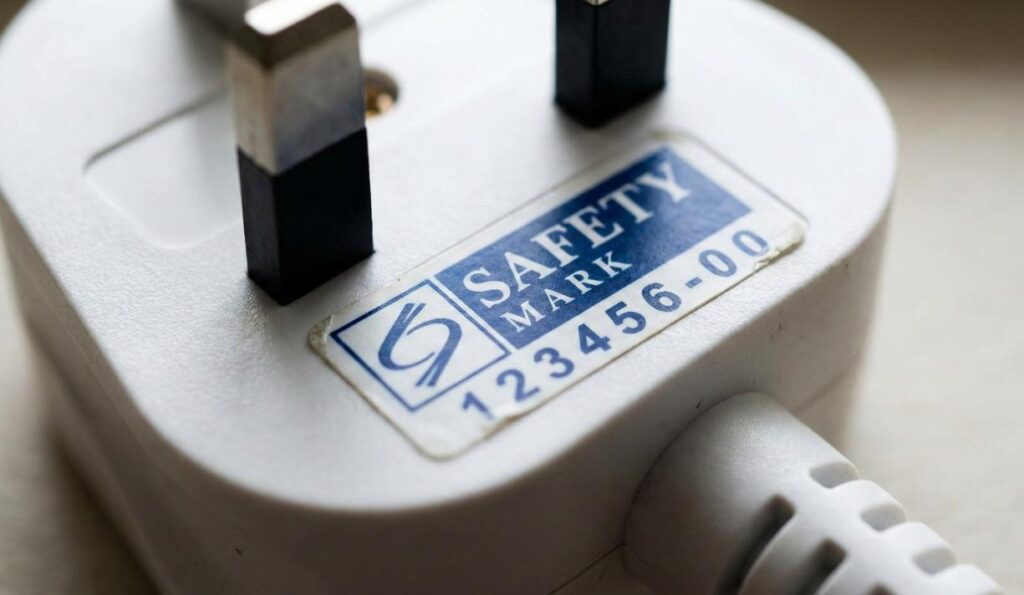
If you plan to sell household electronics (like hair dryers, kettles, or adapters), they must carry the valid SAFETY Mark.
- The Risk: Selling non-compliant electronics is illegal. Your goods can be seized, and you can face fines up to S$10,000.
- The Sourcing Challenge: Many suppliers on 1688 will tell you their products are “international standard.” This is not enough.
- Our Solution: As your agent, we verify if the factory actually holds valid testing certificates recognized by Singaporean authorities before you place an order. This is crucial when sourcing Huaqiangbei electronics or home appliances.
2. Prohibited and Controlled Goods
Certain categories like chewing gum (for resale), e-cigarettes, and specific food products are strictly prohibited or require special licenses. Before you source wholesale toys in China, you must ensure they meet safety standards (e.g., EN71) to avoid issues with Singapore’s Consumer Goods Safety Requirements (CGSR).
Chapter 3: Product Sourcing Strategy
Finding a product is easy. Finding a profitable product for the Singapore market is a different story. Because Singapore is a small market with high exposure to Western trends, consumers here are trend-sensitive but practical.
1. Understand the “Singaporean Context”
Your sourcing strategy must align with local living conditions. Over 80% of the population lives in HDB flats (public housing). Space is a luxury.
- Winning Categories: Multi-functional furniture, space-saving organizers, and high-quality pet accessories. For example, rather than bulky items, consider sourcing compact wholesale pet supplies or precision wholesale kitchen knives that appeal to home cooks with limited kitchen counter space.
- The Lesson: Don’t just source “products”; source solutions that fit in a compact 3-room HDB flat.
2. Avoid the “Generic Trap” (Differentiation)
If you are selling the exact same item as 50 other sellers on Shopee, your only lever is price. That is a race to the bottom. To command a higher price, you need differentiation.
- Private Labeling: You don’t need to invent a new product. You just need to make it yours. We often recommend browsing private label products for small business to see how simple branding changes can increase perceived value.
- The Solution: Most factories require huge MOQs to customize packaging. However, a sourcing agent can help you repackage generic products into branded, retail-ready packaging at a consolidation warehouse, even for smaller batches.
3. The “Consolidation” Superpower
This is the secret weapon of successful B2B sellers. Instead of buying from one supplier and shipping it immediately, successful sellers source from 5 or 6 different factories.
They send all goods to a central warehouse in China. We strip away the excess packaging, check the quality, and consolidate everything into one single shipment. This drastic reduction in shipping frequency is how you protect your margins.
Chapter 4: Mastering Logistics & GST Compliance
Logistics in Singapore isn’t just about moving boxes; it’s about navigating the new tax regulations without ruining the customer experience.
1. Choosing the Right Mode: Air vs. Sea
- Air Express: Use this only for testing new products or emergency restocks. It eats into your margins.
- Sea Shipping: This is where the profit lies. For a deeper dive into specific routes, read our guide on shipping from China to Singapore.
- Optimization: You should also understand the difference between FCL vs LCL. If you don’t have enough stock for a Full Container Load (FCL), LCL (Less than Container Load) allows you to share container space efficiently.
The Logistics Cheat Sheet: Which Mode Should You Choose?
| Shipping Mode | Typical Transit Time | Cost Level | Best Used For |
| Air Express (DHL/FedEx) | 3 – 5 Days | High ($$$$) | Samples, Emergency Restocks, High-margin Electronics |
| Air Freight (Traditional) | 5 – 7 Days | Medium ($$$) | Batches between 100kg – 500kg urgent stock |
| Sea Freight (LCL) | 12 – 15 Days | Low ($) | Most Recommended. Restocking standard inventory (Small to Medium volumes) |
| Sea Freight (FCL) | 10 – 14 Days | Lowest ($) | Large volume restocks (Full Container) for established sellers |
2. The GST Solution: Why You Need DDP
As mentioned in Chapter 1, GST rules have complicated imports.
- The Nightmare Scenario: Your customer gets a call from SingPost demanding payment for GST before they can release the parcel. Result: An angry customer and a 1-star review.
- The Professional Solution: Use DDP Incoterms (Delivered Duty Paid).
- How it works: We calculate and collect the GST upfront and pay it to Singapore Customs on your behalf.
- The Benefit: Your customer receives the package directly at their doorstep with zero friction. It feels like a local delivery, which builds immense trust.
3. Quality Control (QC): The Final Firewall
Before that ship leaves China, one final step remains. Given that return shipping from Singapore to China is prohibitively expensive, quality control must happen in China.
We perform quality inspection services to check for functionality, scratches, and correct labeling. If we find a defect, we return it to the factory immediately for a refund or replacement. It costs you nothing to fix it in China, but it costs you everything to fix it in Singapore.
Chapter 5: Corporate Structure & Payments
To truly scale in Singapore, you need to look like a local business.
1. Registering with ACRA
If you are serious about the Singapore market, consider registering a business entity with ACRA (Accounting and Corporate Regulatory Authority). This builds immense trust with consumers and is often required to access local payment gateways.
2. Mastering Local Payments: PayNow
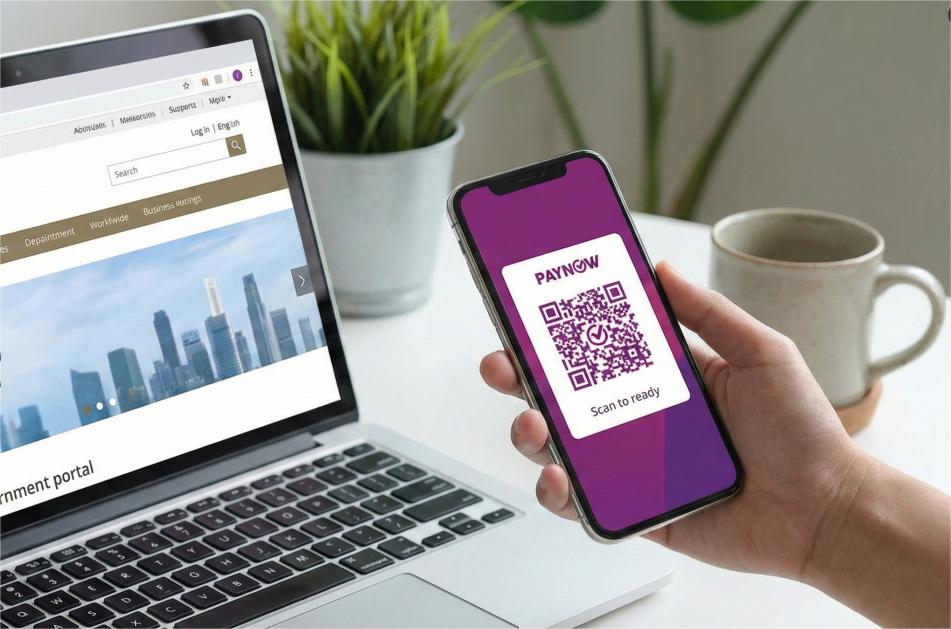
While credit cards are common, Singaporeans love PayNow (a seamless bank transfer method).
- The Advantage: PayNow fees are typically lower than credit card processing fees.
- The Strategy: Ensure your e-commerce platform supports PayNow. This reduces cart abandonment rates significantly. When sourcing, you also need to know is Alibaba safe and legit for B2B payments to ensure your funds are secure before they even reach the supplier.
Chapter 6: Choosing Your Platform & Launching
With your products sourced, compliance checked, and logistics established, you are ready to sell.
1. The Marketplaces: Shopee & Lazada
These are the undisputed traffic kings in Singapore.
- The Game: High volume, price-sensitive.
- Supply Chain Strategy: You need speed. Because price competition is fierce, you must utilize consolidation to keep your landed cost as low as possible.
2. The Brand Route: Shopify / WooCommerce
If you are selling high-ticket items, such as wholesale home decor or customized goods, a dedicated website builds more trust.
- The Game: Higher margins, brand loyalty.
- Supply Chain Strategy: Quality is everything here. Use our QC services strictly. One defect can ruin your brand’s reputation on social media.
Marketplace vs. Brand Website: A Supply Chain Perspective
| Feature | Shopee / Lazada | Shopify (Brand Website) |
| Traffic Source | High organic traffic (Platform generated) | You must pay for ads (FB/TikTok/Google) |
| Price Sensitivity | Extreme. Customers compare prices instantly. | Low. Customers buy for the brand/story. |
| Profit Margins | Low (Volume game). | High (Value game). |
| Sourcing Requirement | Speed & Cost. Needs simple packaging and consolidated sea freight. | Quality & Experience. Needs private label packaging and strict QC. |
| Compliance Risk | Moderate (Platform delists products). | High (You are fully liable for ACRA/Consumer laws). |
Chapter 7: Why Partner with a China Sourcing Agent?

You might be asking: “Can’t I just do this all myself via Alibaba and a freight forwarder?”
Technically, yes. But let’s look at the operational reality.
The “DIY” Method:
- You spend hours chatting with 5 different factory sales reps.
- You risk buying non-compliant electronics (No Safety Mark).
- You pay 5 separate shipping fees to get samples.
- You navigate customs clearance alone.
- Result: You are busy, stressed, and your margins are leaking.
The “NicheSources” Method:
- One Contact: We act as your dedicated China sourcing agent.
- Compliance Checks: We verify certificates for Singaporean standards.
- Consolidated Shipping: We combine shipments to save you 30%+ on logistics.
- DDP Service: We handle the GST and customs paperwork.
- Result: You focus on marketing and selling. We handle the dirty work.
Frequently Asked Questions
Do I need to register a company in Singapore to sell on Shopee?
For cross-border sellers, strictly speaking, no. However, registering with ACRA allows you to use local payment gateways like PayNow and builds higher trust with customers.
What is the cheapest way to ship from China to Singapore?
Sea Freight LCL (Less than Container Load) via a consolidation service is the most cost-effective method for small to medium businesses. It takes about 12-15 days.
How does the 2025 GST rule affect my pricing?
You must account for GST (currently 9%) on all imported goods, including low-value items under S$400. We recommend using DDP shipping so this cost is handled upfront, preventing “sticker shock” for your customers.
Can I sell electronics in Singapore without a Safety Mark?
No. Controlled goods like adapters and home appliances must carry the SAFETY Mark. Selling non-compliant goods is illegal and can lead to heavy fines.
Conclusion
Selling online in Singapore offers tremendous opportunity, but the barrier to entry for a profitable business has risen. The winners won’t be the ones who just “open a store.” The winners will be the ones who build a professional, cost-efficient, and compliant supply chain from China to Singapore.
Don’t let hidden logistics costs, GST confusion, or regulatory fines destroy your business before it starts.
Ready to streamline your Singapore supply chain?
Contact NicheSources today for a free consultation on how we can consolidate your shipments, ensure product compliance, and handle your DDP logistics to Singapore.