Finding products on Alibaba is easy. The real challenge begins when you need to verify a supplier, negotiate prices, check product quality, and arrange shipping without unexpected costs eating into your margins.
We’ve seen how much these details matter in China sourcing. A competitive supplier quote means little if the final product doesn’t meet your specifications or import duties push your costs beyond budget.
In this guide, we’ll walk you through seven practical steps to source products from China in 2026, from finding reliable suppliers to calculating your final landed cost.
Quick Facts
- Typical timeline: 6–12 weeks for a first order, depending on production and shipping.
- Starting budget: Approximately 2,000-5,000 for an initial factory order.
- Biggest risk to avoid: Skipping supplier verification before payment.
- First step: Prepare a detailed product specification sheet before contacting suppliers.
What Does Sourcing from China Actually Mean?
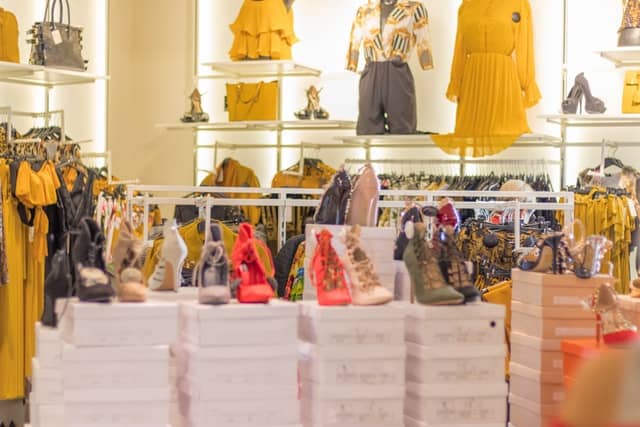
Sourcing products from China involves finding reliable suppliers, comparing quotations, negotiating terms, checking product quality, and arranging delivery to your destination.
It’s a broader process than simply buying products wholesale. For example, you might purchase 500 ready-made products from an existing wholesaler. But if you’re sourcing those products yourself, you’re also responsible for evaluating manufacturers, confirming specifications, arranging inspections, and managing shipping.
There are three main ways to approach this:
- DIY sourcing: You find suppliers through platforms like Alibaba or 1688 and manage everything yourself. You save on sourcing fees but spend more time communicating with suppliers, verifying their credentials, and coordinating orders.
- Sourcing agent: A local individual or team helps you find suppliers, negotiate prices, and oversee production. This is useful when language barriers, factory verification, or multiple suppliers make the process difficult. Learn more about how China sourcing agents work.
- Sourcing company: A company like NicheSources can coordinate the process, including supplier selection, product customization, quality inspection, and shipping. You can explore our product sourcing services to understand what’s included.
We generally recommend handling sourcing yourself if you’re ordering straightforward products from established suppliers and have time to manage the process.
However, if you’re developing custom products, working with several factories, or placing larger orders, having someone on the ground in China can make coordination and quality control easier.
Whichever approach you choose, the seven steps below will help you understand what needs to happen before your products reach you.
How to Source Products from China in 7 Steps
Sourcing products from China typically follows seven steps, from defining your product requirements to arranging shipping and customs clearance.
We’ve broken down the process below so you can see what each stage involves, where common mistakes happen, and what to check before moving forward.
| Step | What You Need to Do | Where Things Go Wrong | Detailed Guide |
| 1. Define Your Product | Prepare specifications, quantities, and a budget. | Vague requirements lead to inconsistent quotes and unexpected costs. | Product Specification Sheet |
| 2. Find Suppliers | Compare manufacturers and suppliers across multiple channels. | Relying on one platform limits your options and price comparisons. | Chinese Wholesale Websites |
| 3. Verify Suppliers | Check business licenses, manufacturing capabilities, and credentials. | Unverified suppliers may misrepresent their capabilities or fail to deliver. | How to Find Reliable Alibaba Suppliers |
| 4. Order Samples | Request samples and test them against your requirements. | Skipping samples can leave material, sizing, or functionality issues undiscovered. | Questions to Ask Suppliers |
| 5. Negotiate and Pay | Agree on pricing, MOQ, production timelines, and payment terms. | Unclear agreements and risky payments can lead to disputes or financial losses. | Buying from Alibaba |
| 6. Inspect Product Quality | Arrange inspections before the final payment and shipment. | Defective products may reach your warehouse before problems are identified. | Order Fulfillment Guide |
| 7. Ship and Import | Choose shipping terms, calculate duties, and arrange delivery. | Overlooking freight charges, tariffs, and customs fees reduces your margins. | Shipping Incoterms Explained |
You can manage these steps independently or work with a sourcing partner. Either way, we recommend treating each stage as a checkpoint before committing more money to your order.
Let’s go through each step in detail.
Step 1: Define Your Product and Specifications

Before contacting suppliers in China, you need to know exactly what you’re sourcing. A clear product specification sheet helps manufacturers understand your requirements, provide accurate quotations, and produce consistent results.
We recommend preparing this document even if you’re sourcing an existing product rather than developing something from scratch.
Your specification sheet should cover:
- Materials: Specify the material type, grade, and finish. For example, if you’re sourcing stainless steel kitchen knives, identify the steel grade rather than simply requesting “high-quality steel.”
- Dimensions and tolerances: Include measurements, weight, and acceptable variations. A product measuring 20 cm with a ±2 mm tolerance gives manufacturers clearer expectations than an approximate size.
- Colors and design: Provide reference images, Pantone codes, or technical drawings where applicable.
- Packaging: Specify individual packaging, carton dimensions, labeling, and any branding requirements.
- Order quantity: State your expected quantity and whether you plan to reorder regularly.
- Compliance requirements: Identify the regulations and testing requirements in your destination market. Depending on the product, these may involve CE marking, FCC requirements, FDA regulations, or CPSIA rules.
Set a Budget Based on Your Landed Cost
Your budget should cover more than the factory’s quoted product price.
For example, suppose you’re ordering 500 units at $4 each.
| Cost | Estimated Amount |
| Product cost (500 × $4) | $2,000 |
| Samples and courier | $150 |
| Quality inspection | $250 |
| Freight | $700 |
| Import duties | $630 |
| Customs and port fees | $180 |
| Total estimated cost | $3,910 |
| Estimated cost per unit | $7.82 |
Illustrative scenario, not a live shipping quote. Actual duties depend on product classification, destination, and applicable tariff rates.
As you can see, a $4 product can cost nearly twice as much by the time it reaches your warehouse.
We recommend working backward from your target selling price to determine the maximum landed cost you can afford. This helps you eliminate unsuitable supplier quotes early.
Also, remember that product compliance can affect both your budget and timeline. If your destination market requires testing or certification, clarify those requirements before ordering samples.
A detailed specification sheet makes supplier quotations easier to compare and gives you a reference for quality inspections later.
For a ready-to-use structure, see our product specification sheet guide.
Step 2: Where to Find Suppliers in China
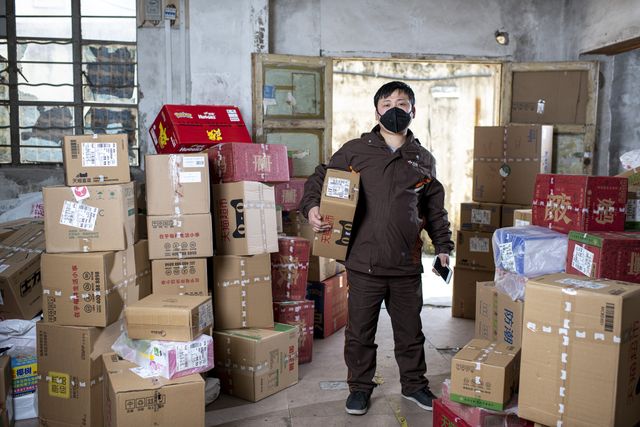
You can find Chinese suppliers through B2B platforms, wholesale marketplaces, trade fairs, or local sourcing agents. The best channel depends on your product, order quantity, customization needs, and how much of the sourcing process you’re comfortable managing yourself.
We recommend comparing suppliers across at least two channels before making a decision. This gives you a better understanding of market pricing, minimum order quantities (MOQs), and available manufacturing options.
Best Channels for Finding Chinese Suppliers
| Sourcing Channel | Cost to Use | Buyer Protection | Best For |
| Alibaba | Free to search and contact suppliers | Trade Assurance on eligible orders | International buyers, wholesale orders, and private labeling |
| 1688 | Free to browse; intermediary fees may apply | Limited practical protection for overseas buyers | Domestic Chinese wholesale pricing and bulk sourcing |
| Global Sources | Free supplier search | Supplier verification programs; payment protection varies | Electronics and export-oriented manufacturers |
| Canton Fair | Travel and accommodation expenses | Direct meetings; no automatic transaction protection | Meeting manufacturers and inspecting products in person |
| Sourcing Agents | Often commission-based, around 5–10% of order value | Depends on the agent’s agreement and services | Supplier verification, negotiation, and order coordination |
| Wholesale Marketplaces | Generally free to browse; platform-specific terms | Depends on the marketplace | Ready-made products and smaller wholesale purchases |
Alibaba vs. 1688: Which Should You Use?
Alibaba is generally the more accessible option for international buyers. Many suppliers have export experience, communicate in English, and offer international shipping arrangements.
1688 primarily serves China’s domestic market, where suppliers may offer lower prices because their listings aren’t necessarily priced around international exporting services.
Some sourcing comparisons suggest 1688 listings can be 20–40% lower than comparable Alibaba listings. However, this is an indicative range, not a guaranteed saving. Differences in specifications, MOQs, domestic taxes, and intermediary fees can eliminate the apparent price advantage.
The main challenges with 1688 are Chinese-language communication, domestic payment methods, and arranging export logistics. If you’re sourcing internationally, you may need an agent or forwarding partner to handle these steps.
For first-time buyers, we’d generally suggest starting with Alibaba and comparing 1688 prices once you have a clear product specification and order quantity.
How Many Suppliers Should You Contact?

Rather than requesting quotations from dozens of suppliers, start with a manageable shortlist.
Here’s the approach we recommend:
- Identify 10–15 potential suppliers across two or three sourcing channels.
- Contact 5–8 suppliers with the same product specification sheet and target quantity.
- Compare quotations based on unit price, MOQ, production lead time, customization options, and quoted shipping terms.
- Shortlist 3–5 suppliers for verification before ordering samples.
Using identical requirements is particularly important. One supplier might quote $3.50 per unit for a basic product, while another quotes $4.20 for upgraded materials and retail packaging. Without checking specifications, you could easily select the wrong option.
Tip: Alibaba’s Request for Quotation (RFQ) feature lets you submit your requirements and receive quotations from interested suppliers. Our Alibaba RFQ guide explains how to use it effectively.
Where Should You Look for Specific Products?
China has different manufacturing clusters, so your product category can also influence where you search.
For example:
- Kitchen knives: Yangjiang is a major production center, while Longquan is known for traditional blades. See our Yangjiang vs. Longquan knife manufacturing guide.
- Handbags: Guangzhou and other Guangdong manufacturing areas offer established handbag supply chains. Explore our wholesale handbag manufacturers in China.
- Toys: Chenghai in Shantou is a major toy manufacturing hub. Our China wholesale toy manufacturers guide covers supplier options.
You don’t necessarily need to visit these locations. Many manufacturers accept international inquiries, and a sourcing partner can help coordinate factory communication remotely.
If you’re still comparing platforms, explore our guides to Chinese wholesale websites and wholesale marketplaces.
Once you have your shortlist, the next step is verifying whether these suppliers are legitimate and capable of producing what you’ve requested.
Step 3: Verify Chinese Suppliers Before Paying
Before sending money to a Chinese supplier, verify that the business is legally registered, capable of producing your product, and operating from the location it claims.
A professional-looking Alibaba profile or a Verified Supplier badge is a useful starting point, but neither guarantees that your order will meet expectations.
We recommend completing these checks before ordering samples or paying a production deposit.
1. Verify the Supplier’s Business License
Ask the supplier for a copy of their Chinese business license (营业执照). Registered Chinese businesses have an 18-character Unified Social Credit Code (USCC) that you can use to check their registration.
You can verify the information through China’s official National Enterprise Credit Information Publicity System.
Check that:
- The registered Chinese company name matches the supplier’s documents.
- The business is active and has no significant registration irregularities.
- Its registered business scope is consistent with the products or services offered.
- The company name on the invoice matches the intended payment recipient.
Our advice: Verify the Chinese legal name rather than relying on the supplier’s English trading name. If the bank account belongs to a different company, ask for documentation explaining the relationship before transferring funds.
2. Confirm Whether You’re Dealing with a Factory or Trader
Not every supplier advertising factory-direct prices actually manufactures the products.
Manufacturers operate production facilities, while trading companies purchase from factories and resell products, sometimes adding services such as consolidation, export handling, and communication.
Trading companies aren’t necessarily a poor choice. They can be useful for smaller orders or sourcing multiple product categories. However, working through one may affect pricing, customization options, and your visibility into production.
We suggest asking suppliers:
- Do you manufacture this product in-house?
- Which production processes are outsourced?
- Can you show the production equipment used for this product?
- What is your monthly production capacity?
The answers help you determine whether the supplier can meet your requirements directly or depends on another manufacturer.
3. Request a Live Factory Video Tour

If you cannot visit the factory, arrange a live video call.
Ask the supplier to show their production lines, machinery, raw material storage, and quality inspection area. You can also request a demonstration of a product similar to yours.
A live tour provides more useful evidence than promotional photos because you can ask questions about specific manufacturing processes.
However, a video call alone cannot establish factory ownership or guarantee production quality. Use it alongside business registration checks and independent verification.
4. Consider a Third-Party Factory Audit
For larger orders, custom products, or unfamiliar manufacturers, an independent factory audit provides an additional layer of verification.
Companies such as QIMA, SGS, and other inspection providers can assess manufacturing facilities, equipment, production capacity, and quality management processes.
As a planning reference, some independent providers advertise factory audits starting around 280-400 per inspector-day, while larger inspection firms may provide customized quotations. Actual costs depend on the factory’s location and audit scope.
An audit is particularly useful when you’re investing in custom tooling or committing to substantial production volumes.
One important distinction: A factory audit evaluates the supplier’s capabilities. You’ll still need a separate product inspection to confirm that your finished order meets your specifications.
If you’re sourcing through Alibaba, our guide on how to find the right Alibaba suppliers covers additional verification methods and warning signs to watch for.
Once you’re comfortable with a supplier’s credentials and capabilities, you can move forward with product samples.
Step 4: Order and Test Product Samples

Before placing a bulk order, request product samples from at least two or three shortlisted suppliers. Samples let you evaluate materials, workmanship, and functionality before committing to hundreds or thousands of units.
We recommend testing samples against the specification sheet you prepared in Step 1, rather than judging them on appearance alone.
How Much Do Product Samples Cost?
For standard consumer products, samples may cost around 20-100 per unit, with international express shipping adding approximately 25-80. Customized products, prototypes, and products requiring special tooling can cost considerably more.
Some suppliers may deduct the sample fee from your first bulk order, so it’s worth asking before making payment.
While ordering multiple samples adds to your initial expenses, it also helps you compare suppliers using actual products rather than quotations and photographs.
What Should You Check When Testing Samples?

Focus on the characteristics that could affect customer satisfaction, product safety, and returns.
- Materials and finish: Confirm the supplier used the agreed materials, coatings, and components.
- Dimensions and weight: Measure the product against your specifications, including acceptable tolerances.
- Functionality and durability: Test the product under realistic conditions, including repeated use where appropriate.
- Packaging: Check product protection, labeling, and whether the packaging can withstand shipping and handling.
- Consistency: Compare multiple samples where possible to identify differences in appearance or construction.
- Compliance: Request relevant test reports and verify that they cover the correct product or model. A sample’s appearance alone cannot establish regulatory compliance.
For example, if you’re sourcing kitchen knives, inspect blade alignment, handle attachment, finish, and cutting performance. For handbags, focus on stitching, zippers, hardware, and material consistency.
Why Can Bulk Production Differ from Samples?
One issue we always recommend watching for is the difference between sample quality and mass production.
Factories may prepare samples using experienced workers, additional finishing, or more careful inspections. Once bulk production begins, different workers, material batches, or production speeds can introduce inconsistencies.
An approved sample confirms what the supplier can produce. It doesn’t guarantee every unit in your bulk order will match.
To reduce this risk, keep an approved reference sample and ask the supplier to confirm that production will follow the same materials, components, and specifications.
If a sample doesn’t meet your requirements, document the problems with photographs and measurements. You can request revisions and another sample, but repeated failures may indicate that the manufacturer cannot reliably meet your specifications.
Before approving production, make sure all changes are reflected in your written agreement.
For more guidance on evaluating manufacturers, see our questions to ask Alibaba suppliers.
Once you’ve approved the samples, you’re ready to negotiate order quantities, payment terms, and production schedules.
Step 5: Negotiate Terms and Pay Safely

Once you’ve approved the product samples, the next step is negotiating pricing, minimum order quantities (MOQs), production timelines, and payment terms.
We recommend getting every agreed detail in writing before paying a deposit. This gives both parties a clear reference if issues arise during production.
How to Negotiate MOQ and Pricing
Chinese manufacturers often set MOQs to cover material purchases, production setup, and labor costs. However, these quantities aren’t always fixed.
If a supplier’s MOQ exceeds your budget, consider these three approaches:
- Offer a higher unit price for a smaller order. A factory quoting $4 per unit for 1,000 pieces might accept a smaller quantity at a higher price. Ask for quotations at multiple order volumes.
- Combine product variations. Some suppliers may allow multiple colors or designs within one order, provided they share materials and production processes. Confirm whether MOQs apply per SKU or to the total order.
- Use existing materials and designs. Choosing stock colors, standard packaging, or existing molds can reduce setup costs and make smaller production runs more practical.
We also suggest negotiating production lead times, defective-product remedies, packaging requirements, and shipping terms alongside the price.
A lower unit price won’t help much if production delays or unexpected charges reduce your margins.
What Are the Standard Payment Terms?
A common payment arrangement for factory orders in China is 30% upfront and 70% before shipment.
For example, on a $5,000 order:
- Initial deposit: $1,500 to begin production.
- Remaining balance: $3,500 after production, ideally following a satisfactory pre-shipment inspection and before the goods are released.
However, payment terms vary by supplier, order size, and product type. Some manufacturers require full payment for samples, small orders, or customized materials.
For larger orders, we recommend negotiating the right to inspect finished goods before releasing the balance.
What Is the Safest Way to Pay Chinese Suppliers?
Payment protection depends on the method you use, the transaction terms, and whether the supplier has been properly verified.
Here’s how common payment methods compare:
| Payment Method | Risk Level | What to Know |
| Alibaba Trade Assurance | Lower | Offers protection for eligible orders when payment and agreed transaction terms meet the program’s requirements. |
| PayPal Goods & Services | Lower to moderate | Eligible transactions may qualify for Buyer Protection, subject to exclusions and dispute deadlines. |
| Bank Transfer (T/T) | Moderate to high | Common for factory orders, but transfers can be difficult to recover. Verify the beneficiary and use staged payments. |
| 100% Upfront Bank Transfer | High | Leaves limited payment leverage if production or delivery problems arise. |
| Personal Bank Account or Untraceable Payment | Very high | Avoid payments to unrelated personal accounts or through methods with little transaction protection. |
For first-time Alibaba orders, we generally recommend using Trade Assurance where available and keeping specifications, payment terms, and supplier agreements documented within the platform.
If paying through a bank transfer, confirm that the beneficiary details match the supplier’s verified legal entity. Any last-minute request to change bank accounts should be independently verified through a trusted contact channel.
One final tip: Don’t release the remaining balance simply because the supplier says production is complete. Request inspection results, confirm the quantities and specifications, and resolve any documented defects before approving shipment.
For more details on payment protection and supplier negotiations, read our guide to buying from Alibaba.
Need help verifying suppliers, negotiating terms, or inspecting your order? NicheSources offers free sourcing inquiries, quotations within two business days, and no upfront sourcing fee. Request a free quote.
Step 6: Inspect Product Quality Before Shipment
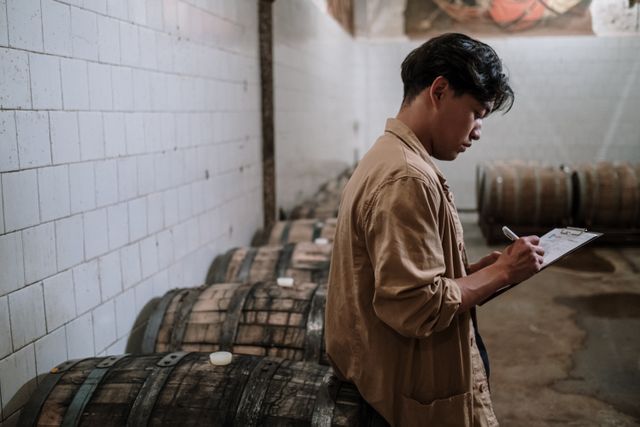
Before your products leave China, arrange a quality inspection to confirm that the finished order meets your approved specifications. This is particularly important for first-time orders, when you haven’t established a supplier’s production consistency.
We recommend scheduling the inspection before releasing your final payment. If defects are discovered while the products are still at the factory, you have a better opportunity to negotiate repairs, replacements, or rework.
What Types of Quality Inspections Are Available?
There are three common types of inspections, each serving a different purpose.
| Inspection Type | When It Happens | What It Checks |
| Pre-Production Inspection (PPI) | Before manufacturing begins | Raw materials, components, and production readiness |
| During Production Inspection (DUPRO) | While manufacturing is underway | Early production quality, consistency, and manufacturing defects |
| Pre-Shipment Inspection (PSI) | Once production is complete, typically with at least 80% packed | Finished product quality, quantities, packaging, labeling, and workmanship |
For a straightforward first order, a pre-shipment inspection is usually the most practical starting point.
However, if you’re manufacturing custom products or working with an unfamiliar factory, inspecting during production can help catch problems before the entire batch is finished.
How Much Does a Quality Inspection Cost?
A standard third-party inspection in China can cost approximately 100-300 per inspector-day, depending on the inspection company, factory location, and scope of work.
Providers such as QIMA, SGS, and Bureau Veritas offer inspection services, although their pricing and included checks vary.
For example, spending $200 to inspect a $5,000 order adds 4% to your product cost. That may be worthwhile if it helps you identify a manufacturing issue before paying the remaining balance.
Ask the inspection provider for a written scope and quotation. Additional testing, travel, or multiple inspection days may cost extra.
What Is AQL 2.5 in Quality Inspections?
Many consumer-product inspections use Acceptance Quality Limit (AQL) sampling to evaluate a batch without checking every individual unit.
AQL 2.5 is a commonly used inspection level for major defects. Inspectors select a sample based on the lot size, sampling plan, and inspection level, then compare the number of defects against the applicable acceptance and rejection limits.
It doesn’t mean that exactly 2.5% of defective products are automatically acceptable.
For example, an inspection might classify defects as:
- Critical defects: Safety hazards or serious regulatory noncompliance, commonly subject to zero acceptance.
- Major defects: Problems that significantly affect product functionality, appearance, or usability.
- Minor defects: Small cosmetic imperfections that don’t substantially affect normal use.
We recommend agreeing on defect classifications and acceptance criteria with your supplier before production begins.
What Happens If the Inspection Fails?
If an inspection identifies unacceptable defects, request a detailed report with photographs, defect counts, and references to your specifications.
The next steps generally involve asking the supplier to correct the defects, replace affected products, and arrange a reinspection before shipment.
Whether the supplier pays for rework or additional inspections depends on your purchase agreement, so these responsibilities should be established in advance.
Once the products pass inspection, you can approve the final payment and proceed with shipping arrangements.
If you’re planning to consolidate products from multiple factories or use a warehouse in China, our order fulfillment guide explains how storage, packaging, and shipment preparation fit into the process.
Step 7: Arrange Shipping, Duties, and Delivery
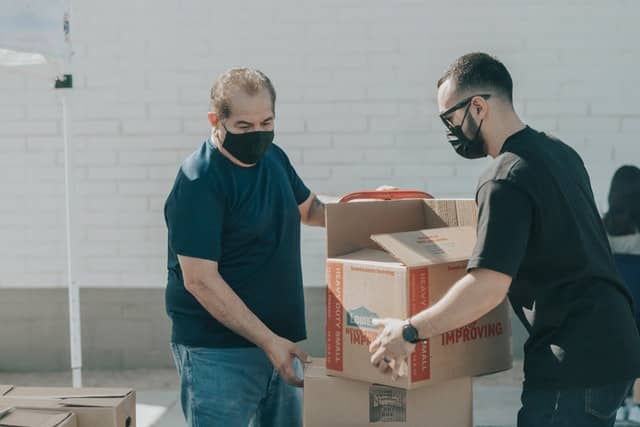
Once your products pass inspection, the final step is arranging shipping from China to your destination. You’ll need to choose a shipping method, agree on who handles transportation and customs clearance, and calculate the total cost of getting your products delivered.
We recommend confirming these details before production begins. Otherwise, an attractive factory quote can become considerably more expensive once freight, import duties, and destination charges are added.
Understand Shipping Incoterms
Incoterms are internationally recognized trade rules that define the responsibilities of buyers and sellers during shipping.
Three common terms you’ll encounter are:
| Incoterm | What It Means | Best For |
| EXW (Ex Works) | The supplier makes goods available at the agreed location. You handle collection, export arrangements, shipping, and import clearance. | Experienced importers with their own freight forwarders |
| FOB (Free on Board) | The supplier handles export clearance and delivery onto the vessel at the agreed port. You arrange main freight, import clearance, and onward delivery. | Buyers who want control over international freight |
| DDP (Delivered Duty Paid) | The seller arranges delivery to the agreed destination, including import clearance and applicable duties. | Buyers who prefer a more inclusive shipping arrangement |
For many first-time importers, DDP can simplify shipping coordination. However, we recommend confirming who will act as the importer of record, how duties will be documented, and whether the quotation includes all destination charges.
If you already work with a reliable freight forwarder, FOB often provides greater control over shipping costs.
Our shipping Incoterms guide explains these responsibilities in more detail.
How Long Does Shipping from China Take?
Shipping time depends on your destination, shipment size, transport method, and customs processing.
For China-to-US shipments, these are approximate planning ranges:
| Shipping Method | Estimated Transit Time | Best For |
| Sea Freight | 2–6 weeks, depending on port and route | Large or heavy shipments |
| Air Freight | 5–10 days | Time-sensitive commercial orders |
| Express Courier | 3–7 business days | Samples and smaller shipments |
These are indicative transit estimates. Customs clearance, inland transportation, and warehouse delivery can extend the total timeline.
For sea freight, you’ll also need to choose between Less than Container Load (LCL) and Full Container Load (FCL).
LCL allows you to share container space with other importers, making it practical for smaller shipments. FCL gives you an entire container and can become more cost-effective as order volume increases.
Our FCL vs. LCL guide explains how to compare the two.
What Import Duties Apply in 2026?
If you’re importing products from China into the United States, tariffs need to be included in your sourcing budget from the beginning.
As of November 2026, two important considerations are:
- De minimis exemption: The US suspended duty-free de minimis treatment for eligible low-value imports effective August 29, 2025. The previous $800 threshold no longer provides automatic duty-free entry.
- Additional China tariffs: Products covered by Section 301 may face additional tariffs on top of their standard Harmonized Tariff Schedule (HTS) duties. Other applicable tariffs and exclusions depend on the product classification and current trade measures.
For example, if a product carries a 6.5% standard duty and an additional 25% Section 301 tariff, those two rates produce a combined 31.5% before considering any other applicable measures.
This is only an illustration. Your actual rate depends on the product’s classification, country of origin, and tariffs in effect when the goods enter the US.
We recommend checking the official USITC Harmonized Tariff Schedule and confirming the applicable rates with your customs broker before placing an order.
You can also read our US-China tariffs guide for a more detailed explanation.
Calculate Your Total Shipping Costs

Before approving shipment, request an itemized freight quotation that includes transportation, customs clearance, applicable duties, destination handling, and final delivery.
Ask your supplier or freight forwarder to clarify which charges are included and which remain your responsibility.
For a broader overview, see our shipping from China guide.
You can also explore destination-specific shipping requirements for the USA, UK, and Canada.
Once you have these figures, you can calculate your true landed cost and determine whether the product still meets your target profit margin.
How Much Does Sourcing from China Cost?
Sourcing products from China involves more than paying the manufacturer’s quoted price. Your total cost also includes samples, quality inspections, international shipping, import duties, and customs clearance.
We recommend calculating your landed cost per unit before placing an order. This tells you what each product actually costs by the time it reaches your destination and helps you determine whether there’s enough room for a profitable selling price.
What Costs Should You Budget For?

Here’s a breakdown of the main expenses involved in sourcing products from China.
| Cost Component | What It Covers |
| Product Cost | The manufacturer’s unit price multiplied by your order quantity. |
| Samples | Product samples, customization, and courier charges before bulk production. |
| Quality Inspection | Factory or third-party checks to verify that products meet your specifications. |
| International Freight | Sea, air, or express shipping from China to your destination. |
| Import Duties and Tariffs | Customs duties and additional tariffs based on product classification and destination. |
| Customs and Handling Fees | Customs brokerage, port handling, and other applicable clearance charges. |
| Sourcing Agent Fees (if applicable) | Typically a percentage of the order value or a fixed service fee, depending on the provider. |
Example: Calculating Landed Cost for 500 Units
Let’s say you’re sourcing 500 units of a consumer product from China at a factory price of $4 per unit under EXW terms.
Here’s how the costs could add up for a shipment to the United States:
| Expense | Estimated Cost |
| Products (500 × $4) | $2,000 |
| Samples and courier | $150 |
| Pre-shipment inspection | $250 |
| Sea freight (LCL) | $700 |
| Import duties (illustrative 31.5% combined rate on $2,000) | $630 |
| Customs broker and port fees | $180 |
| Total Landed Cost | $3,910 |
| Landed Cost Per Unit | $7.82 |
This is an illustrative first-order calculation using the brief’s cost assumptions, not a current freight quotation or a verified tariff rate for a specific product. Actual duties depend on the HTS classification, applicable trade measures, and customs valuation. The example assumes a $2,000 customs value and excludes any sourcing-agent commission.
In this example, a product quoted at $4 actually costs $7.82 per unit once the additional expenses are included. That’s almost double the original factory price.
And these figures don’t yet account for domestic fulfillment, marketplace fees, advertising, returns, or other selling expenses.
How Can You Reduce Your Sourcing Costs?
There are several ways to improve your landed cost without compromising product specifications.
- Compare landed costs instead of unit prices. A supplier with a slightly higher product price may offer better packaging, lower defect rates, or more favorable shipping arrangements.
- Consolidate shipments. If you’re buying from multiple factories, combining orders at one warehouse can reduce duplicated shipping and handling expenses.
- Optimize packaging. Smaller cartons and efficient packing can reduce chargeable weight or shipping volume.
- Increase order quantities strategically. Larger orders may lower unit production and freight costs, but they also increase inventory investment.
- Avoid unnecessary customization. Existing molds, materials, and packaging can reduce development costs and minimum order requirements.
For repeat orders, you may also save on sampling and product development expenses once your specifications are finalized.
However, we wouldn’t recommend removing pre-shipment inspections simply to reduce costs, especially when working with a new supplier or producing customized products.
Our advice: Calculate landed costs for each shortlisted supplier using the same assumptions. A quotation that appears more expensive initially may turn out to be the better option once shipping, duties, and quality-control costs are considered.
DIY vs. Sourcing Agent: Which Is Better?
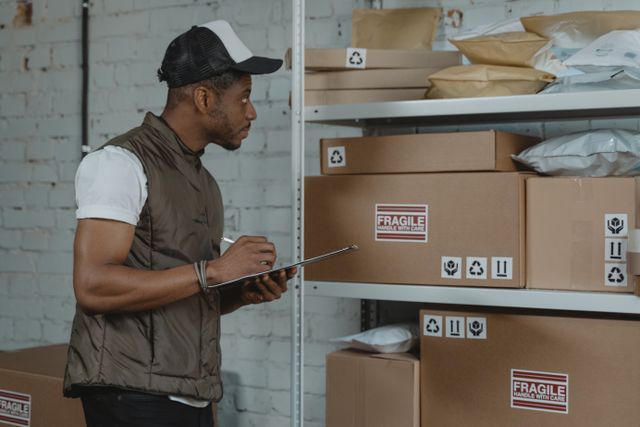
You can source products from China independently or hire a sourcing agent to manage some or all of the process. Both approaches can work, and the right choice depends on your order size, product complexity, experience, and available time.
We generally recommend DIY sourcing for straightforward products and established suppliers. However, when you’re developing custom products or coordinating multiple factories, a local sourcing agent can help simplify supplier communication, inspections, and logistics.
When Does DIY Sourcing Make Sense?
Handling sourcing yourself can be cost-effective when:
- You’re ordering standard products: Ready-made items usually require less production coordination than custom manufacturing.
- Your orders are relatively small: For orders below approximately
10,000, an agent’s fee may outweigh the additional support you need.
- You have sourcing experience: You’re comfortable evaluating suppliers, negotiating terms, and arranging inspections.
- You have time to manage suppliers: You can handle communication delays, quotations, production updates, and shipping arrangements.
The biggest advantage is avoiding sourcing commissions while maintaining direct communication with your suppliers.
However, you remain responsible for supplier verification, quality control, and resolving production issues.
When Should You Hire a Sourcing Agent?
A sourcing agent becomes more valuable when managing suppliers yourself creates additional risks or takes too much time.
We suggest considering one if:
- You’re developing private-label or custom products that require multiple samples, specialized materials, or production monitoring.
- You’re purchasing from several factories and need products consolidated into one shipment.
- You’re sourcing regulated products that require closer attention to testing and documentation.
- You face language or communication barriers when dealing with domestic Chinese suppliers.
- You’re placing larger orders where manufacturing defects or shipping mistakes could become expensive.
For example, if you’re ordering products from four manufacturers, you’ll need to coordinate production schedules, inspections, payments, and deliveries.
An agent can help bring these activities together, although the level of support depends on the services included in your agreement.
How Much Do China Sourcing Agents Charge?
Many sourcing agents charge around 5–10% of the order value, although fees vary depending on order size, product complexity, and the services provided.
Common pricing models include:
| Fee Model | How It Works | What to Consider |
| Commission-Based | The agent charges a percentage of your order value, often around 5–10%. | Confirm which services are included and whether fees apply to freight or other charges. |
| Fixed Fee | You pay an agreed amount for a specific sourcing task or project. | Useful when the scope is clearly defined. |
| Hybrid Pricing | Combines a fixed service fee with a commission or additional service charges. | Check for separate inspection, warehousing, and shipping fees. |
| Supplier-Paid Commission | The agent earns money from the supplier rather than charging you directly. | Ask how suppliers are selected and whether commissions create conflicts of interest. |
We recommend requesting an itemized fee structure before working with any agent. Clarify who pays for samples, inspections, storage, freight, and any additional services.
For a detailed breakdown, see our China sourcing agent fees guide.
How Does NicheSources’ Pricing Work?
Since we provide sourcing services ourselves, we believe it’s important to be transparent about our pricing.
At NicheSources, we offer free sourcing inquiries and typically provide quotations within two business days, without requiring an upfront sourcing fee.
Our service fee is generally 5–10% of the order value, depending on the sourcing requirements. We can also coordinate supplier verification, product customization, quality inspections, and shipping.
We encourage buyers to compare our quotations and service scope with other providers before making a decision.
If you’re evaluating agents, our China sourcing agent guide explains what to look for. For products sourced through Yiwu’s wholesale markets, you can also explore our guide to Yiwu sourcing agents.
Ultimately, there’s no need to outsource every order. Many businesses can manage repeat purchases from established suppliers independently while using sourcing agents for new products, complex orders, or supplier verification.
Mistakes to Avoid When Sourcing Goods from China

Even experienced buyers can run into problems when sourcing products from China. Most issues come from unclear agreements, insufficient supplier checks, or costs that weren’t accounted for before placing an order.
Here are some common mistakes we recommend avoiding:
- Choosing suppliers based on price alone. The lowest quotation isn’t always the most cost-effective. Compare product specifications, MOQs, production timelines, and total landed costs before making a decision.
- Skipping supplier verification. A professional website or Alibaba profile doesn’t guarantee that a supplier is reliable. Verify business registration, confirm manufacturing capabilities, and check company details before transferring money.
- Paying into personal bank accounts. Avoid sending business payments to unrelated personal accounts. Always verify the beneficiary details and use payment methods that provide appropriate transaction protection.
- Approving bulk production without clear specifications. Vague instructions about materials, dimensions, or packaging can lead to disputes. Provide a written specification sheet and approve samples before manufacturing begins.
- Skipping pre-shipment inspections. Discovering defects after products arrive is much harder to resolve. Arrange quality inspections before releasing your final payment, especially when working with a new supplier.
- Relying on a single sourcing platform. Limiting your search to Alibaba or another marketplace can prevent you from finding competitive alternatives. Compare suppliers across multiple channels to understand pricing and manufacturing options.
- Ignoring import duties and tariffs. US import rules have changed significantly since 2025, including the suspension of duty-free de minimis treatment. Check applicable duties using your product’s HTS classification before committing to a supplier’s price.
- Overlooking production and shipping timelines. Manufacturing delays, customs clearance, and freight congestion can affect delivery schedules. Build reasonable buffers into your inventory planning rather than relying solely on a supplier’s estimated dispatch date.
Our advice: Before placing your first order, make sure you’ve verified the supplier, approved the sample, agreed on payment and inspection terms, and calculated your landed cost. These checks can prevent many of the expensive sourcing problems buyers encounter.
Source Products from China with NicheSources
Sourcing from China can become challenging when you’re dealing with unfamiliar suppliers, custom product requirements, or multiple factories.
At NicheSources, we’re a Yiwu-based sourcing company with over 10 years of experience helping ecommerce businesses, retailers, and importers source products from China.
Whether you’re launching your first product, developing a private-label brand, or consolidating orders from multiple suppliers, we can help you manage the process.
Our services include:
- Product sourcing: Find suitable manufacturers, compare quotations, and negotiate order terms.
- Supplier verification and quality control: Evaluate suppliers and arrange pre-shipment inspections.
- Product branding and customization: Develop private-label products, custom packaging, and branded designs.
- Order consolidation and international shipping: Coordinate products from different suppliers and arrange delivery to your destination.
Getting started is free. Submit your product requirements, and we’ll aim to provide a quotation within two business days. There’s no upfront sourcing fee, and our standard service fee is typically 5–10% of the order value once you proceed.
Request Your Free Sourcing Quote
FAQs About Sourcing Products from China
What Are the Advantages of Sourcing Products from China?
Sourcing products from China offers benefits such as:
Affordable prices- whether you are shopping retail or wholesale, the prices of commodities in China are exceptional. It is also easy to find items for low, average, or high-end budgets.
Product Variety- factories in every industry differentiate themselves by designing different products. For example, if you are shopping for toys, you will find them in different materials, indoor/outdoor options, as well as designs for different ages.
Global access- China has made it easy to ship products from almost any of its cities to the rest of the world. It is a convenient source if you are working towards global distribution or international fulfillment.
Manufacturing expertise– most factories in China use some of the most advanced production methods in the world and are continuously innovating new products. They can execute almost any custom design you have in mind.
Product quality– it is a false assertion to state that products made in China are all poor-quality items. The truth is, your budget determines the quality of products you can afford. China has no shortage of high-quality products or premium suppliers.
How Do I Find a Sourcing Agent in China?
Online research could point you in the direction of some top sourcing agents. More so if you incorporate tips from dropshipping forums or other business-oriented forums.
Another option would be to try and seek referrals from entrepreneurs that have used sourcing agents before.
In either case, always be sure to do your due diligence and only work with companies that you can verify. Look out for their scope of services too to ensure that they can meet your needs and offer you value for your money.
Is It Better to Source Products from Factories or Wholesalers?
This depends on the scale of products you would like to source. China factory sourcing is ideal if you are sourcing in bulk but if you only need a few items for gifts or personal use, there is no harm in buying from wholesalers or even online platforms.
How Long Does It Take to Source Products from China?
A first sourcing order typically takes 6–12 weeks, although custom manufacturing and sea freight can extend the timeline.
The biggest variable is often product development. Ready-made products may be available immediately, while custom designs require additional sampling, revisions, and production setup.
We recommend asking suppliers for separate estimates for sampling, manufacturing, and dispatch rather than accepting one overall delivery date.
Can I Source Products from China Without an Agent?
Yes. Many international buyers source directly through Alibaba, Global Sources, and other B2B platforms without hiring an agent.
The key consideration is whether you can independently manage supplier communication, documentation, inspections, and freight arrangements.
For straightforward repeat orders, this can be manageable. If you’re sourcing from domestic platforms such as 1688, you may still need a local payment or forwarding service even if you handle supplier selection yourself.
What Is the Minimum Order Quantity When Sourcing from China?
Minimum order quantities vary considerably by product and manufacturer. Some suppliers accept small orders for ready-made goods, while custom manufacturing may require hundreds or thousands of units.
One detail worth checking is whether the MOQ applies to the entire order or each product variation.
For example, a supplier advertising a 500-unit MOQ might require 500 units per color. Clarifying this early can prevent unexpected inventory commitments.
Can I Source Products from China Without Visiting the Country?
Yes. You can complete most sourcing activities remotely using supplier platforms, video meetings, independent inspection companies, and international freight forwarders.
However, remote sourcing requires clear documentation because you cannot personally examine production facilities or finished inventory.
For complex or high-value orders, consider commissioning an independent factory audit. Visiting China becomes more valuable when you’re developing specialized products, evaluating several factories, or establishing long-term manufacturing relationships.
What Is the Difference Between Sourcing and Dropshipping from China?
Traditional bulk sourcing involves purchasing inventory before selling it, while dropshipping allows suppliers or fulfillment partners to dispatch individual customer orders.
With bulk sourcing, you typically have greater control over packaging, product consistency, and inventory availability.
However, you also take on inventory and storage costs.
Dropshipping reduces your initial inventory commitment, making it useful for testing demand. Some businesses eventually transition to bulk sourcing once sales become predictable.
How Do I Pay Chinese Suppliers Safely?
For first-time orders, use payment arrangements that provide clear transaction records and appropriate buyer protection.
If using Alibaba Trade Assurance, confirm that the order details, specifications, and payment are covered by the platform’s terms.
For bank transfers, independently verify the supplier’s account details before sending funds.
We also recommend avoiding last-minute payment changes communicated only through email, as compromised supplier accounts can be used to redirect legitimate business payments.
Do I Still Pay US Tariffs on Chinese Goods in 2026?
Yes, Chinese imports may be subject to standard customs duties and additional trade-related tariffs, depending on their classification and applicable rules.
The US suspended duty-free de minimis treatment for most low-value imports effective August 29, 2025, so shipments under $800 no longer automatically qualify for that exemption.
As tariff measures can change, we recommend checking the latest US Harmonized Tariff Schedule and confirming the applicable charges with a customs broker before importing.