Buying a product for $4 per unit sounds like a great deal. But once you add shipping, import duties, and handling fees, that same product might cost $6.90 before it even reaches your warehouse.
That’s why knowing how to buy wholesale involves more than finding suppliers offering lower prices.
Buying wholesale means purchasing products in larger quantities from manufacturers or distributors, usually at discounted prices, for resale. To make it profitable, you need to understand supplier requirements, minimum order quantities (MOQs), and the total cost of getting products ready to sell.
In this guide, we’ll walk you through the requirements, costs, and best places to buy wholesale products in 2026, including what to check before placing your first order.
Quick Facts: Buying Wholesale in 2026
| Requirement | What to Expect |
| Documents | Business details, potentially an EIN, and a seller’s permit or resale certificate, depending on your location and supplier |
| Starting budget | 500-1,000 for small marketplace orders; 2,000-5,000 for an initial overseas factory order |
| Typical MOQ | 1–10 units from small-lot sellers, 50–200 from distributors, and 500–1,000+ factory-direct |
| Wholesale discounts | Can reach 40–60% below retail, depending on product category, supplier, and order volume |
| 2026 consideration | US imports no longer automatically qualify for duty-free treatment just because shipments are valued at $800 or less |
These figures are planning estimates, not guaranteed supplier pricing or minimums.
For US buyers, import costs deserve particular attention. Since August 29, 2025, the US has suspended the general de minimis duty exemption, meaning even low-value shipments may face applicable import duties and fees.
Understanding these costs before ordering can help you avoid tying up money in inventory that leaves little room for profit.
Where Should You Start? A 30-Second Guide
The best way to buy wholesale depends on what you’re buying, how you plan to sell it, and whether you already have a business.
| Your Situation | Where to Start |
| Buying for personal use | Learn how to buy wholesale without a business, including suppliers that don’t require a resale certificate. |
| Starting a resale business | Check the documents you need, then follow our online wholesale buying process. |
| Already running a retail business | Jump to choosing a reliable wholesaler to compare pricing, payment terms, and supplier reliability. |
| Selling on Amazon or other marketplaces | Start with buying wholesale for resale online, paying particular attention to brand authorization, resale restrictions, and supplier invoices. |
What Does It Mean to Buy Wholesale?
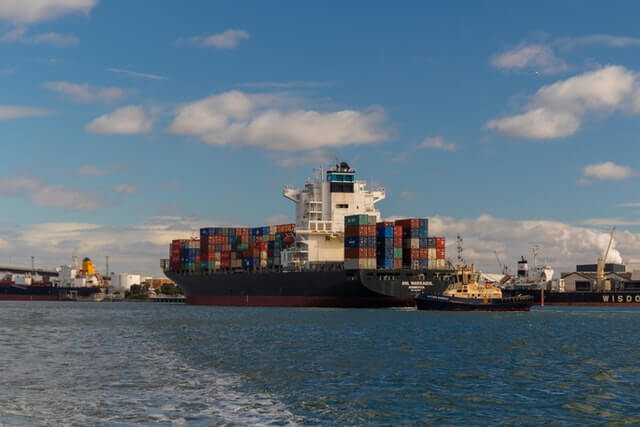
Buying wholesale means purchasing products in larger quantities directly from manufacturers, distributors, or wholesalers at a lower price per unit, usually with the intention of reselling them for a profit.
For example, a retailer might purchase 200 kitchen organizers at $5 each and sell them individually for $12. The difference creates room for profit, although shipping, storage, taxes, and selling fees must also be considered.
Why Are Wholesale Prices Lower?
Wholesale suppliers offer lower prices because larger orders reduce their per-unit selling and handling costs. Instead of processing hundreds of individual customer orders, they can sell inventory in bulk through fewer transactions.
As a buyer, you’re also taking on responsibilities that would otherwise remain with the supplier:
- Inventory risk: You pay for products before knowing whether every unit will sell.
- Storage costs: You need space to hold inventory until customers purchase it.
- Upfront investment: Larger orders require more capital, often tied to a minimum order quantity (MOQ).
- Sales responsibility: You’re responsible for marketing, finding customers, and managing unsold products.
This explains why wholesale pricing can be attractive for retailers with predictable demand. The potential savings increase with order volume, but so does the financial risk.
Wholesale Buying vs. Bulk Buying
Although the terms are often used interchangeably, wholesale buying and bulk buying typically serve different purposes.
| Factor | Wholesale Buying | Bulk Buying |
| Main purpose | Purchasing inventory for resale | Buying larger quantities for personal or business use |
| Typical buyers | Retailers, ecommerce sellers, and resellers | Individuals, households, and businesses |
| Pricing | Trade pricing based on quantity and supplier agreements | Volume discounts, often through retail channels |
| Minimum orders | Often requires meeting supplier MOQs | May involve purchasing a case or multipack |
| Documentation | May require business credentials or a resale certificate | Usually no business documents required |
| Where to buy | Manufacturers, distributors, and B2B marketplaces | Warehouse clubs and retailers offering multipacks |
The distinction matters when choosing suppliers. If you’re purchasing inventory to resell, wholesale accounts may provide better pricing and repeat-order opportunities. If you simply need products in larger quantities for personal use, buying in bulk from a retailer may be more practical.
What Are Wholesalers and Their Types?
Wholesalers are businesses that purchase or supply products in large quantities and sell them to retailers, resellers, and other businesses at trade prices.
The traditional supply chain follows a simple structure:
Manufacturer → Wholesaler → Retailer → Customer
However, you don’t always need to go through every stage. Some manufacturers sell directly to retailers, while certain wholesalers also serve individual buyers.
Understanding the different types of wholesale suppliers helps you choose the right option for your budget, order volume, and business model.
1. Manufacturers
Manufacturers produce the goods themselves and can sell them directly to businesses, eliminating intermediary markups.
Buying factory-direct often gives you access to competitive unit pricing, especially at higher order volumes. You may also be able to request OEM or ODM services, custom packaging, and private labeling.
However, factories typically require larger minimum orders, and you’ll need to manage production timelines, quality inspections, and shipping arrangements.
Best for: Established retailers and ecommerce brands with proven demand or custom product requirements.
2. Merchant Wholesalers
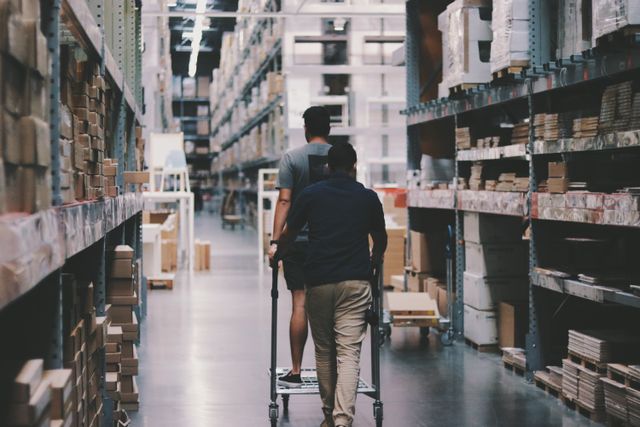
Merchant wholesalers purchase products from manufacturers, own the inventory, and resell it to retailers at a markup.
They handle bulk purchasing, warehousing, and inventory availability, allowing smaller retailers to source products without negotiating directly with factories.
Some merchant wholesalers also sell directly to consumers. If that’s the case, check whether their retail pricing could put them in direct competition with your business.
Best for: Small and medium-sized retailers that want ready-made products without managing factory production.
3. Distributors and Retail Wholesalers
Distributors typically work with manufacturers or established brands to supply products to retailers within specific markets.
Some are authorized distributors with permission to sell particular brands. This distinction matters for Amazon sellers, who may need invoices from a manufacturer or authorized distributor when applying to sell restricted products.
Distributors may also offer smaller order quantities, established product catalogs, and more predictable replenishment schedules.
Best for: Retailers sourcing established brands, particularly those needing repeat inventory and reliable documentation.
4. Liquidators and Closeout Wholesalers
Liquidators purchase surplus inventory, discontinued products, customer returns, or stock from businesses closing down.
These products may be available at substantial discounts, but inventory conditions and availability can vary. Some lots contain damaged, incomplete, or unsellable items.
We suggest requesting an inventory manifest and checking the condition grades before purchasing liquidation stock, especially when returns aren’t accepted.
Best for: Discount retailers and resellers comfortable with inconsistent inventory and one-time purchasing opportunities.
What About Wholesale Brokers?
Wholesale brokers act as intermediaries between buyers and suppliers, usually earning a commission or service fee without owning the inventory.
They can help you find suppliers, but you should verify who actually manufactures or holds the products, who receives your payment, and who is responsible if something goes wrong.
Before committing, ask whether you’re dealing directly with the supplier or paying an additional intermediary.
How Do Wholesale Supplier Types Compare?
| Supplier Type | Typical MOQ | Main Advantage | Main Trade-Off |
| Manufacturers | 500–1,000+ units | Factory-direct pricing and customization | Higher upfront commitment |
| Merchant wholesalers | Often 50–200 units | Ready-to-sell inventory | Additional markup |
| Distributors | Varies by brand and case pack | Branded products and repeat supply | Resale restrictions may apply |
| Liquidators | Lot-based, sometimes pallets | Discounted surplus inventory | Inconsistent quality and availability |
| Brokers | Supplier-dependent | Access to supplier networks | Additional fees and less direct control |
MOQ ranges are illustrative. Actual minimums depend on the supplier, product category, and order arrangement.
For most new resellers, distributors and merchant wholesalers offer a manageable starting point. Once you’ve validated demand and can commit to larger orders, sourcing directly from manufacturers may offer better unit economics.
Do You Need a Wholesale License to Buy Wholesale?
No, you don’t need a special nationwide wholesale license to buy wholesale products in the US. What people commonly call a “wholesale license” is usually a seller’s permit or resale certificate issued under state tax rules.
If you’re buying products for resale, these documents can allow qualifying purchases without paying sales tax upfront. However, the exact requirements depend on your state, business activities, and the supplier you’re purchasing from.
What Documents Do You Need?

Most US resellers should check these four documents before applying for wholesale accounts.
| Document | Purpose | Typical Cost | Processing Time | Where to Get It |
| Business registration | Establishes your business identity, where registration is required | Varies; LLC filings may cost hundreds | Same day to several weeks | State business registration office |
| EIN (Federal Tax ID) | Identifies your business for federal tax purposes | Free | Minutes online if eligible | IRS |
| Seller’s permit / resale certificate | Authorizes taxable sales and/or documents purchases intended for resale | Often free; fees vary | Same day to several weeks | State Department of Revenue or tax agency |
| Local business license | Authorizes certain business activities within a city or county | Varies by location | Days to weeks | Local government |
These are planning guidelines. Not every reseller needs all four documents, and processing times vary.
There’s one distinction worth understanding: a seller’s permit and a resale certificate aren’t always the same document.
For example, in California, a seller’s permit authorizes a business to make taxable sales, while a resale certificate is provided to suppliers when purchasing qualifying inventory for resale. The seller’s permit is free, although a security deposit may sometimes be required.
You can review the requirements through the California Department of Tax and Fee Administration.
What If Your State Has No Sales Tax?
Five US states have no statewide general sales tax:
- Alaska
- Delaware
- Montana
- New Hampshire
- Oregon
Businesses in these states generally don’t need a statewide resale certificate for a general sales tax that doesn’t exist. However, Alaska permits local sales taxes, and businesses may still need local licenses, registrations, or documentation requested by suppliers.
What About Buyers Outside the US?
Wholesale purchasing requirements differ internationally. In the UK, VAT registration generally becomes mandatory when taxable turnover exceeds £90,000, while Canadian businesses may need a Business Number (BN) and GST/HST registration depending on their activities and taxable sales.
Before opening a wholesale account, we suggest checking your local tax authority’s requirements and asking suppliers which business documents they accept. This helps prevent delays when you’re ready to place an order.
What Do You Need to Buy Wholesale for Resale?
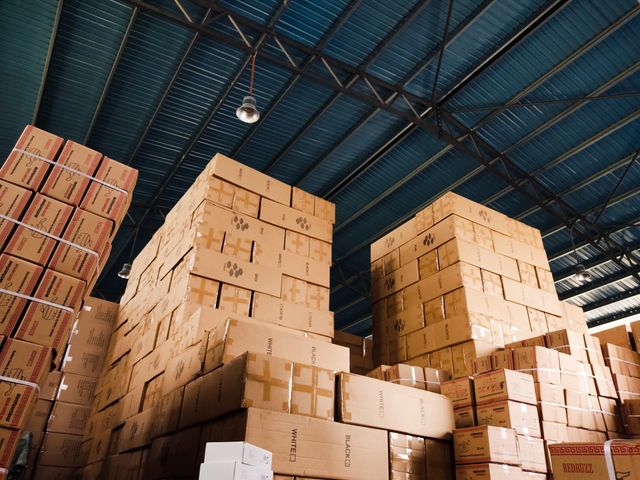
To buy wholesale products for resale, you’ll typically need business identification, the appropriate tax documents, and proof that you operate a legitimate retail business. Some suppliers also require an approved sales channel or commercial delivery address before opening a wholesale account.
Beyond the licenses and permits we’ve covered, here’s what you should prepare.
1. Business Information
Suppliers may ask for your registered business name, contact details, billing address, and business structure.
You don’t necessarily need an LLC. Sole proprietors can also qualify for wholesale accounts, although requirements vary between suppliers.
2. Proof of Your Sales Channel
Many established wholesalers want to know where you’ll sell their products before approving your application.
Depending on the supplier, you may need to provide:
- Your ecommerce store URL (Shopify, WooCommerce, etc.).
- Your Amazon, eBay, or Walmart Marketplace storefront.
- Details of your physical retail store.
If you’re just starting out, ask whether the supplier accepts new businesses without an established sales history.
3. Commercial Shipping Address
Some wholesalers, particularly those shipping pallets or large freight orders, require a commercial delivery address.
Residential delivery may still be possible, but it can involve additional freight charges or delivery restrictions.
You should also consider business insurance, especially if you’re selling products that could cause injury or property damage.
4. Permission to Resell on Your Chosen Platform
Being able to purchase wholesale inventory doesn’t automatically mean you’re authorized to sell it everywhere.
Some manufacturers and distributors restrict resale on Amazon, eBay, Walmart, or other third-party marketplaces.
Before purchasing branded products, ask your supplier:
- Are we authorized to resell these products on our intended platform?
- Do you require a separate reseller agreement?
- Are there restrictions on geographic markets or online advertising?
Get the answers in writing. Otherwise, you could end up holding inventory that your supplier agreement prevents you from selling through your intended channel.
5. Minimum Advertised Price (MAP) Policies
Some brands establish Minimum Advertised Price (MAP) policies that specify the lowest price authorized retailers may advertise.
For example, if a product has a $40 MAP, advertising it for $35 could violate the brand’s policy, even if you purchased it at a lower wholesale price.
MAP policies generally concern advertised prices, although the exact restrictions and legal treatment depend on the policy and jurisdiction.
Our advice: Request the brand’s current pricing policy before placing an order. This is particularly important if your business relies on discounts, promotions, or marketplace price competition.
6. Amazon Brand Approval and Supplier Invoices
If you plan to buy wholesale for resale on Amazon, check whether the product requires approval before committing to inventory.
Amazon restricts certain brands, categories, and individual products. Depending on the listing, you may need purchase invoices, brand authorization, or additional compliance documents.
Here’s how we’d approach it:
- Open Seller Central → Catalog → Add Products and search for the product.
- Check whether Amazon displays Sell this product, Apply to sell, or Not Available.
- If approval is required, review the documentation requested for that specific product.
- Confirm that your supplier can provide acceptable commercial invoices before ordering.
Amazon may request invoices from manufacturers or distributors, and a retail receipt or marketplace order confirmation may not satisfy its requirements.
You can review the process in Amazon’s official selling approval guidance.
Even with valid invoices, approval isn’t guaranteed. Checking eligibility beforehand can prevent an expensive inventory mistake.
Once you have the necessary documents and supplier permissions, you can start comparing wholesale products based on demand, landed cost, and potential resale margins.
How to Buy Wholesale Without a Business?
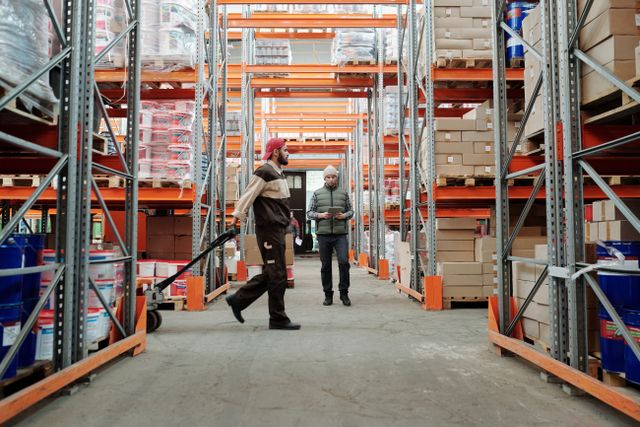
Yes, you can buy wholesale products without owning a registered business. Many warehouse clubs and online wholesalers sell bulk products directly to individuals without requiring business registration or a resale certificate.
However, there’s a difference between buying products for personal use and purchasing inventory to resell. Your intended use determines which tax requirements apply.
Can You Buy Wholesale Without an LLC?
You don’t need to form an LLC to start purchasing wholesale inventory for resale. In the US, you can operate as a sole proprietor, although you may still need a seller’s permit, local business license, or other registrations depending on your state.
Here’s how the requirements differ:
| Buyer Type | Can Buy Wholesale? | Tax Requirements |
| Individual buying for personal use | Yes, through suppliers open to the public | No resale certificate needed; applicable sales tax is paid |
| Sole proprietor buying for resale | Yes, subject to supplier approval | Seller’s permit or resale certificate where required; EIN may be needed in some cases |
| Registered business (LLC or corporation) | Yes, subject to supplier approval | Business tax identification and applicable sales tax registration or resale documentation |
Where Can You Buy Wholesale Without a Business?
Two accessible options in the US include:
- Costco Wholesale: Individuals can purchase bulk quantities using a regular Gold Star membership without registering a business. Costco also offers a Business Membership for eligible business owners purchasing inventory for resale.
- DollarDays: An online bulk supplier offering products such as school supplies, clothing, hygiene essentials, and household goods. You don’t need a paid membership, although you must create a free account to order.
Both are practical for buying products in larger quantities without opening a traditional wholesale account. However, pricing, product selection, and minimum order quantities may differ from those offered by dedicated B2B distributors.
You can also explore small-lot sellers on wholesale marketplaces, although individual suppliers may still require business credentials.
Can You Use a Resale Certificate for Personal Purchases?
No. Using a resale certificate to avoid sales tax on products intended for personal use is unlawful.
A resale certificate generally allows qualifying businesses to purchase inventory tax-free when those products are genuinely intended for resale.
For example, California explicitly prohibits issuing resale certificates for items purchased for personal use and imposes penalties for misuse.
If you’re simply buying household supplies or other products in bulk, use a supplier that sells to the public and pay any applicable sales tax.
Our suggestion: If you’re testing products for a future business, start with small quantities from suppliers that accept individual buyers. Once you’re ready to sell regularly, establish the necessary business and tax registrations before approaching wholesalers that require reseller credentials.
How to Buy Wholesale for Resale Online?

To buy wholesale products for resale online, start by validating product demand, calculating your potential profit margins, and confirming that your supplier allows resale on your chosen platform. Once these checks are complete, you can compare suppliers and place a small initial order.
Here’s the process we’d recommend following.
1. Validate Product Demand Before Buying
Before investing in inventory, make sure there’s an existing market for the product.
You can use a few tools to research demand:
- Amazon Best Sellers Rank (BSR): Check how products rank within their categories. Look at historical ranking trends where available, since a single BSR snapshot doesn’t tell you how consistently an item sells.
- Google Trends: Review search interest over the past 12 months to identify seasonal spikes, declining interest, or relatively stable demand.
- Competitor research: Compare selling prices, customer reviews, product variations, and common complaints to understand what customers expect.
We suggest prioritizing products with consistent demand rather than relying entirely on trending items. A product that sells steadily throughout the year is generally easier to plan inventory around.
2. Calculate Your Profit Margin Before Ordering
A low wholesale price doesn’t automatically mean you’ll make a profit. You need to calculate your landed cost, which includes the product price, shipping, import duties, and other costs required to get the inventory to your destination.
For example, suppose you’re sourcing a product with these estimated costs:
| Cost | Per Unit |
| Wholesale price | $6.00 |
| Shipping and import costs | $2.00 |
| Total landed cost | $8.00 |
| Expected retail price | $16.00 |
| Gross margin before selling fees | 50% |
This follows keystone pricing, where the retail price is approximately twice the product cost.
However, that 50% margin doesn’t account for marketplace commissions, payment processing, advertising, storage, or customer returns.
Different product categories also have different pricing constraints:
| Product Category | Pricing Considerations |
| Clothing and accessories | Returns, sizing issues, and seasonal inventory |
| Beauty and skincare | Expiration dates, compliance, and marketing costs |
| Home and kitchen | Shipping weight, dimensions, and competition |
| Electronics | Price competition, warranties, and rapid product changes |
We wouldn’t use a fixed 50% gross margin as a universal target. Instead, calculate what remains after your actual selling expenses and compare that amount against the profit you need.
3. Confirm You’re Allowed to Resell the Products
Before purchasing branded wholesale inventory, check whether the supplier permits resale through your intended sales channel.
This is especially relevant for Amazon, eBay, and Walmart Marketplace sellers.
Ask the supplier to confirm:
- Whether resale is permitted on your chosen marketplace.
- Whether the brand has a Minimum Advertised Price (MAP) policy.
- Whether commercial invoices or brand authorization documents are available.
- Whether any territorial or online resale restrictions apply.
For Amazon, we also recommend checking product eligibility directly in Seller Central before purchasing. Some brands and categories require approval, and providing an invoice doesn’t guarantee that Amazon will approve your application.
4. Compare Suppliers and Place a Test Order
Once you’ve validated demand and confirmed your resale permissions, shortlist at least three suppliers.
Compare their minimum order quantities, landed costs, lead times, payment terms, and return or defect policies.
Where practical, request samples or begin with a smaller order before committing to larger inventory quantities. This gives you an opportunity to evaluate product quality, packaging, delivery reliability, and actual customer demand.
You can then use your initial sales results to decide whether a larger wholesale order makes financial sense.
How to Buy Wholesale from a Manufacturer?

Buying wholesale directly from a manufacturer can give you lower unit prices, greater control over product specifications, and access to custom manufacturing. However, factories often require larger minimum order quantities (MOQs), and you’ll need to manage production, quality control, and shipping.
For factory-direct orders, 500–1,000+ units is a useful planning range, although actual minimums vary considerably by product, materials, and customization requirements.
Here’s how we’d approach buying directly from a manufacturer.
1. Find and Verify Manufacturers
You can connect with manufacturers through several channels:
- B2B marketplaces: Platforms like Alibaba, Made-in-China, and Global Sources let you compare factories, request quotes, and review supplier credentials.
- Trade shows: Events such as the Canton Fair allow you to meet manufacturers, examine product samples, and discuss production requirements.
- Sourcing agents: A local sourcing agent in China can help identify manufacturers, verify their capabilities, negotiate terms, and coordinate inspections.
Before requesting prices, confirm whether you’re dealing with an actual manufacturer or a trading company. Ask about factory location, production capabilities, previous product experience, and available certifications relevant to your product.
2. Compare MOQs and Production Requirements
Factories usually offer better unit pricing at higher quantities because production setup, materials, and labor costs can be spread across more units.
However, the advertised MOQ may apply to each product variation rather than the entire order.
For example, a factory quoting an MOQ of 500 units might require 500 units per color or design, which could significantly increase your initial investment.
We suggest confirming the MOQ for each SKU, sample costs, customization fees, production lead times, and price breaks at different order quantities before negotiating.
3. Understand EXW and FOB Shipping Terms
When requesting factory quotations, you’ll frequently encounter two shipping terms:
| Shipping Term | What It Means | Your Responsibility |
| EXW (Ex Works) | The supplier makes the goods available at an agreed location, usually its factory | Collection, loading, export arrangements, freight, and import clearance |
| FOB (Free on Board) | For sea shipments, the supplier handles delivery and loading onto the nominated vessel at the agreed port | Main ocean freight, insurance if required, import clearance, and destination costs |
These terms affect your total landed cost, so always compare factory quotations using the same shipping terms.
For a deeper explanation, see our guide to shipping Incoterms.
4. Arrange Samples and Quality Inspections
Always request a product sample before approving bulk production, particularly when ordering customized goods.
However, an approved sample doesn’t guarantee that every production unit will match it. Differences in materials, manufacturing processes, and workmanship can appear during larger production runs.
To reduce this risk:
- Provide written product specifications, including materials, dimensions, colors, packaging, and acceptable tolerances.
- Keep an approved sample as a production reference.
- Arrange a pre-shipment inspection when production is complete and the goods are ready for inspection.
- Review the inspection report and resolve any defects before authorizing shipment or releasing the remaining payment.
This is especially valuable when sourcing overseas, where returning defective bulk inventory can be expensive.
5. Agree on Payment Terms Before Production
Manufacturers commonly request an upfront deposit, with the remaining balance payable before shipment. A 30% deposit and 70% balance is one commonly used arrangement, although terms vary by supplier.
For your first order, we recommend using an established payment protection service whenever available.
For example, Alibaba Trade Assurance provides order protection for eligible transactions, including dispute resolution when goods fail to meet agreed quality or shipping terms.
Keep product specifications, delivery deadlines, and payment arrangements documented within the protected order. Avoid sending the full payment directly to an unfamiliar supplier’s bank account without adequate safeguards.
For a more detailed walkthrough, read our guide on how to buy directly from a China factory.
Factory-direct sourcing generally makes the most sense once you’ve validated demand and can comfortably meet production minimums. For smaller test orders, a distributor or low-MOQ wholesale marketplace may be a more practical starting point.
Where to Buy Wholesale Products?
You can buy wholesale products through B2B marketplaces, wholesale directories, domestic distributors, manufacturers, trade shows, and sourcing agents. The best option depends on your budget, minimum order quantity (MOQ), product category, and whether you need ready-made inventory or custom manufacturing.
If you’re starting with smaller quantities, wholesale marketplaces and domestic suppliers may be more practical. For larger orders or private-label products, buying directly from manufacturers can offer more competitive pricing.
We’ve compared 16 wholesale sourcing channels below to help you find the right fit.
16 Best Places to Buy Wholesale Products
| Wholesale Source | Type | MOQ | Buyer Protection | Best For |
| Faire | Curated wholesale marketplace | Low; brand-set | First-order returns; Net-60 for eligible buyers | Boutique retailers |
| Alibaba | Global B2B marketplace | Supplier-dependent | Trade Assurance | Factory sourcing and private label |
| Wholesale Central | US supplier directory | Supplier-dependent | None on-platform | Finding US wholesalers |
| Made-in-China | B2B marketplace | Supplier-dependent | STS; audited supplier reports | Industrial products and machinery |
| Global Sources | B2B marketplace | Supplier-dependent | Supplier verification | Asian manufacturers |
| DHgate | Small-lot marketplace | Low | Platform escrow | Small-batch testing |
| IndiaMART | Indian B2B marketplace | Supplier-dependent | No built-in escrow | Sourcing from India |
| SaleHoo | Paid supplier directory | Supplier-dependent | Membership refund policy | Supplier research |
| Worldwide Brands | Paid supplier directory | Supplier-dependent | Certified supplier listings | Amazon/eBay reseller research |
| Costco / DollarDays | Open-to-public bulk suppliers | Case-level | Retail return policies | Personal and small-volume purchases |
| Chinavasion | Electronics wholesaler | From 1 unit | Limited | Electronics sourcing |
| eBay wholesale lots | Liquidation marketplace | Lot-based | Eligible purchases covered by eBay protection | Clearance and liquidation stock |
| Trade shows | Offline sourcing | Negotiable | In-person supplier assessment | Building supplier relationships |
| Direct manufacturers | Factory-direct | Often 500–1,000+ units | Contracts and independent inspections | High-volume and custom orders |
| Sourcing agents | Managed sourcing service | Negotiated | Supplier verification and inspections | Overseas sourcing support |
| Google Search | Supplier discovery | Supplier-dependent | None | Finding niche wholesalers |
MOQs and buyer protections vary by supplier, product, transaction, and eligibility.
Online B2B Marketplaces
These platforms connect buyers with wholesalers, manufacturers, and other suppliers. They’re useful for comparing products and quotations without contacting factories individually.
1. Faire
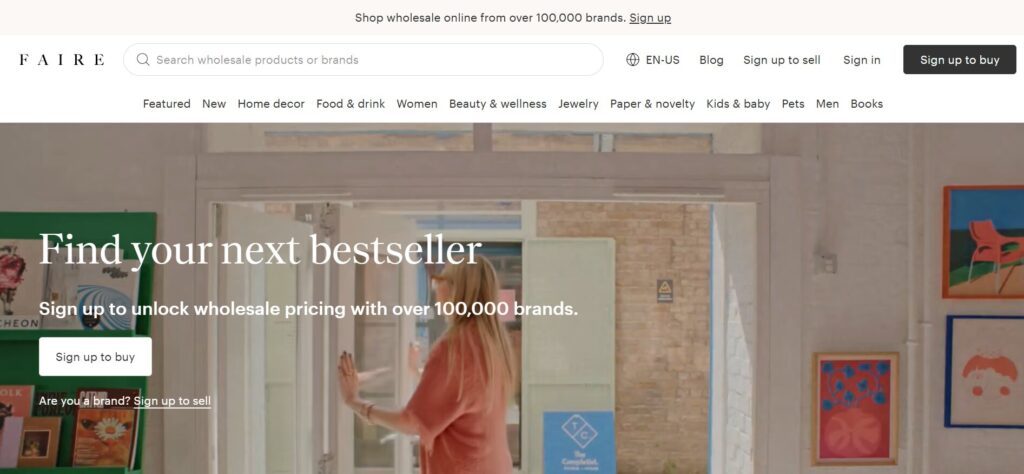
Faire connects independent retailers with wholesale brands across categories such as homeware, beauty, gifts, and apparel.
The platform is free for retailers and offers Net-60 payment terms to qualifying buyers, along with free returns on eligible first orders.
- Ideal for: Boutique stores and independent retailers seeking differentiated products.
- Limitation: Primarily finished branded products; unsuitable for custom manufacturing or private-label development.
2. Alibaba
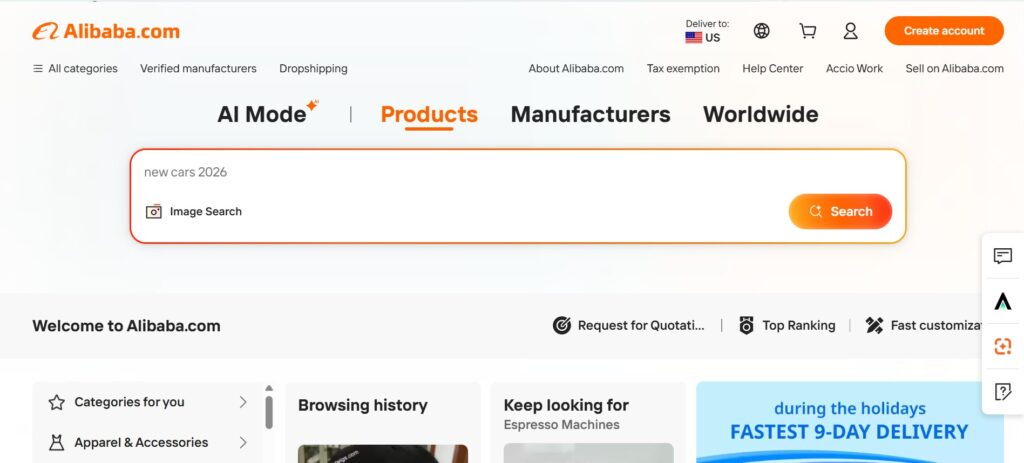
Alibaba is one of the most established B2B sourcing marketplaces, offering access to manufacturers and trading companies across numerous product categories.
Buyers can request quotations, negotiate MOQs, and source products for private labeling or custom production.
Alibaba also offers Trade Assurance for eligible transactions.
- Ideal for: Businesses sourcing factory-direct inventory, custom products, and private-label goods.
- Limitation: Not every supplier is a manufacturer. Gold Supplier and Verified Supplier badges don’t guarantee factory ownership or product quality.
Read our guide to buying from Alibaba before placing an order.
3. Made-in-China
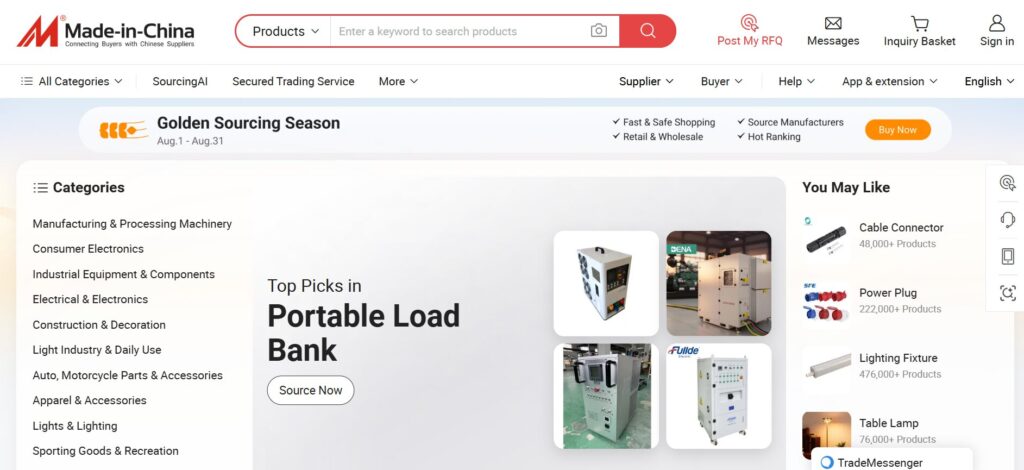
Made-in-China connects international buyers with Chinese suppliers, with a particularly strong presence in industrial equipment and machinery.
Its Audited Supplier program provides third-party inspection reports from organizations such as SGS, TÜV, and Bureau Veritas.
- Ideal for: Businesses sourcing machinery, industrial products, and bulk manufactured goods.
- Limitation: Buyer reviews from 2025–2026 report difficulties obtaining refunds through its Secured Trading Service (STS). Review payment and dispute terms carefully.
4. Global Sources
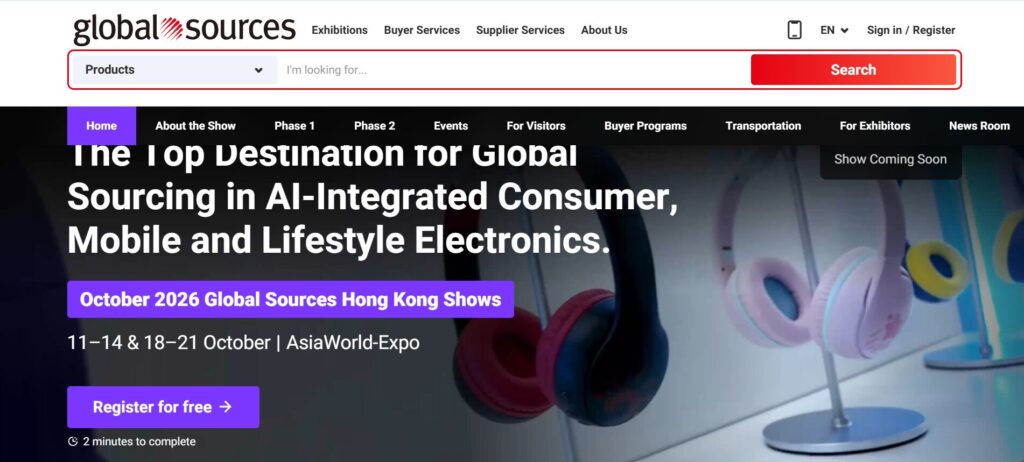
Global Sources is a Hong Kong-based B2B sourcing platform established in 1971.
Alongside its online supplier directory, it organizes trade shows in Hong Kong, typically in April and October, allowing buyers to meet manufacturers in person.
- Ideal for: Businesses sourcing from Asian manufacturers and wanting opportunities for face-to-face supplier evaluation.
- Limitation: Reports of fraudulent suppliers moving RFQ conversations to WhatsApp make independent verification essential. Keep negotiations and documentation on official channels.
5. DHgate
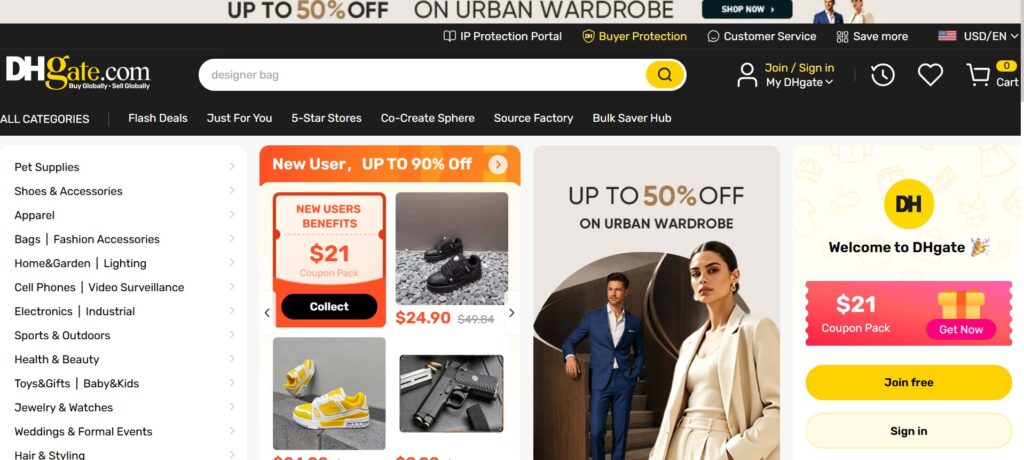
DHgate specializes in cross-border product sourcing, often with smaller minimum orders than traditional manufacturers.
Its low-MOQ listings can be useful when testing products without purchasing hundreds of units upfront.
- Ideal for: Resellers testing small quantities before committing to larger wholesale orders.
- Limitation: Counterfeit-product concerns and poor customer reviews are significant risks. Avoid branded replicas and check product authenticity before purchasing.
6. IndiaMART
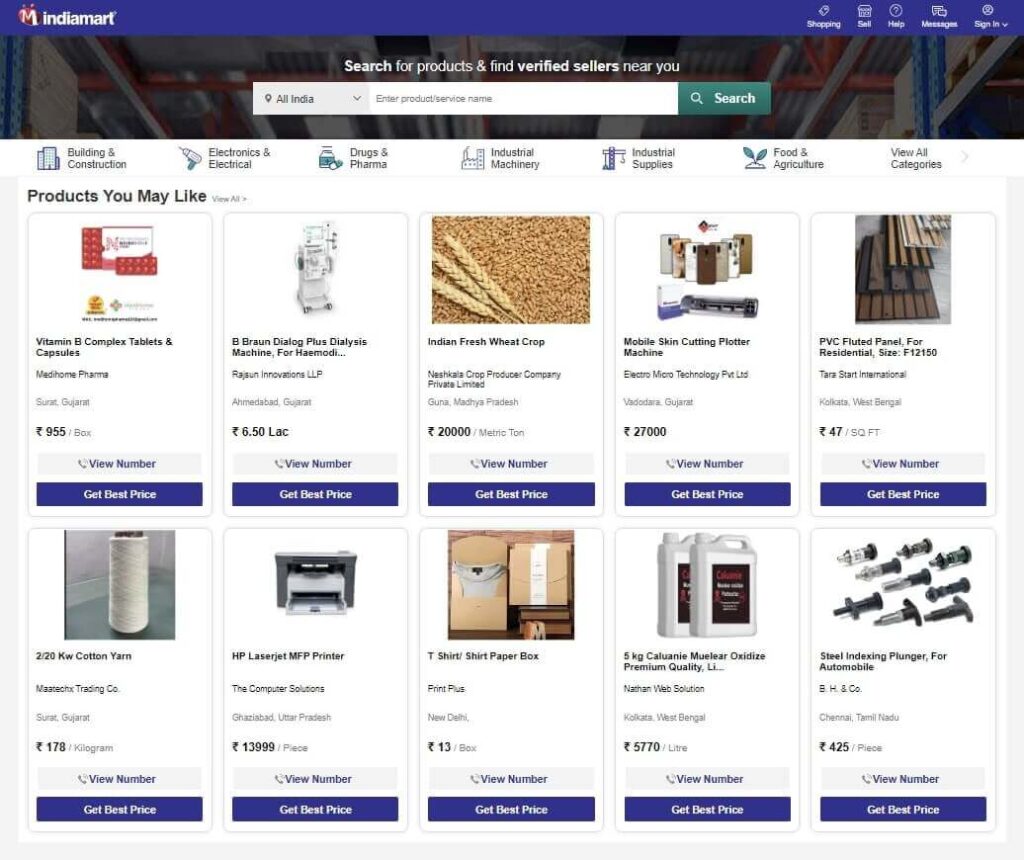
IndiaMART connects buyers with Indian manufacturers, wholesalers, and trading companies.
It can be useful if you’re considering alternatives to Chinese suppliers or diversifying production across countries.
- Ideal for: Businesses exploring Indian manufacturers as part of a China+1 sourcing strategy.
- Limitation: IndiaMART doesn’t provide integrated escrow, quality control, or logistics services. Independently verify suppliers and arrange payment protection before ordering.
Wholesale Supplier Directories
Unlike marketplaces, directories primarily help you discover potential suppliers. You’ll usually negotiate and place orders directly with the businesses listed.
7. Wholesale Central
Wholesale Central is a US-based wholesale supplier directory that has operated since the 1990s.
It’s free for buyers and lists wholesalers across a variety of product categories.
- Ideal for: Retailers looking for domestic US suppliers without paying directory subscription fees.
- Limitation: Wholesale Central doesn’t process transactions or protect payments. Supplier listings may also be outdated, so verify each company independently.
8. SaleHoo
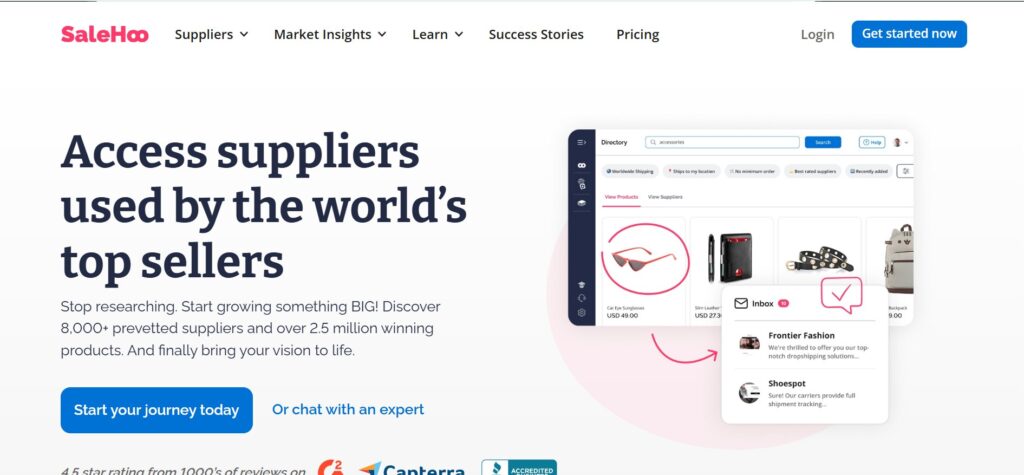
SaleHoo is a paid wholesale and dropshipping supplier directory founded in New Zealand in 2005.
It advertises access to more than 8,000 vetted suppliers and offers a membership refund policy.
- Ideal for: New resellers who prefer researching suppliers through an organized directory.
- Limitation: SaleHoo doesn’t handle supplier orders or fulfillment, and some users report generic product catalogs. Check its current membership prices and terms before subscribing.
9. Worldwide Brands
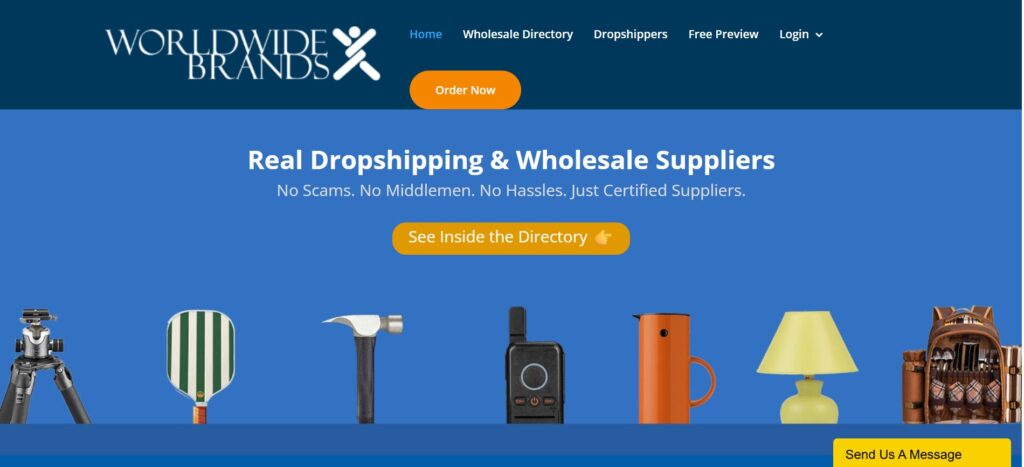
Worldwide Brands is a US-based supplier directory offering access to certified wholesalers and distributors.
Its database includes suppliers across multiple categories, with a lifetime membership model.
- Ideal for: Amazon and eBay resellers researching wholesale suppliers.
- Limitation: The directory requires an upfront membership fee, offers no trial, and has received complaints about outdated listings and its interface.
Open-to-Public Wholesale Suppliers
These suppliers are especially useful if you want to purchase products in larger quantities without establishing a traditional wholesale account.
10. Costco Wholesale and DollarDays
Costco allows individuals to buy bulk products through its membership warehouse-club model, while DollarDays sells case-level quantities online without a membership fee.
DollarDays offers products such as clothing, household goods, school supplies, and hygiene essentials.
- Ideal for: Individuals, organizations, and small buyers purchasing bulk products without a resale certificate.
- Limitation: Product selection and pricing are often closer to retail than factory-direct wholesale. Applicable sales tax may also apply.
Small-Lot and Liquidation Suppliers
These options help buyers test products or purchase discounted inventory, although they may be less suitable for building a consistent long-term product line.
11. Chinavasion
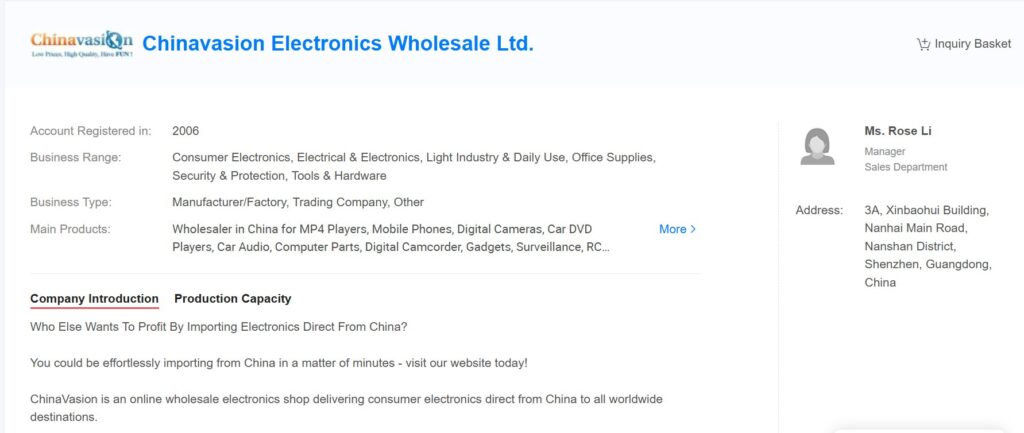
Chinavasion is a Shenzhen-based electronics wholesaler established in 2005.
It supports single-unit orders for some products, making it accessible to smaller buyers.
- Ideal for: Sellers sourcing specific consumer electronics products in small quantities.
- Limitation: Its current catalog is smaller than in previous years, and buyer protection is limited. Test customer support and review current ordering terms before committing substantial funds.
12. eBay Wholesale Lots
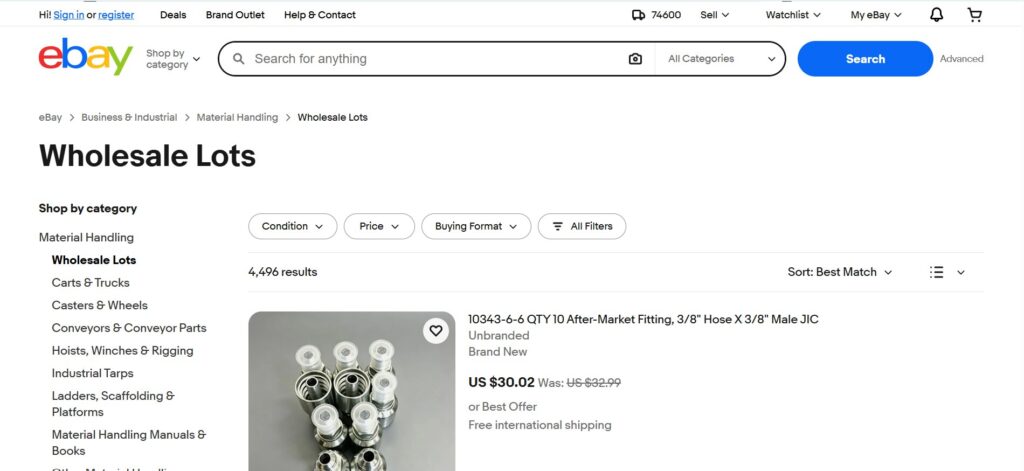
eBay includes wholesale lots, surplus inventory, and liquidation listings from independent sellers.
You can sometimes purchase discounted products through auctions or fixed-price listings.
- Ideal for: Resellers comfortable purchasing clearance, overstock, or liquidation inventory.
- Limitation: Product condition and availability are inconsistent, making it difficult to establish a repeatable supply chain. Check whether the listing qualifies for eBay Money Back Guarantee protection.
What About CJDropshipping?
CJDropshipping is primarily a dropshipping fulfillment service rather than a traditional wholesale marketplace.
It can still support a wholesale sourcing strategy. For example, you could test customer demand through no-MOQ fulfillment before purchasing the same product in bulk.
This reduces the risk of investing in inventory before you know whether customers will buy it.
Offline and Direct Wholesale Sourcing
For larger purchasing volumes, direct supplier relationships can provide more flexibility in pricing, product specifications, and production arrangements.
13. Trade Shows
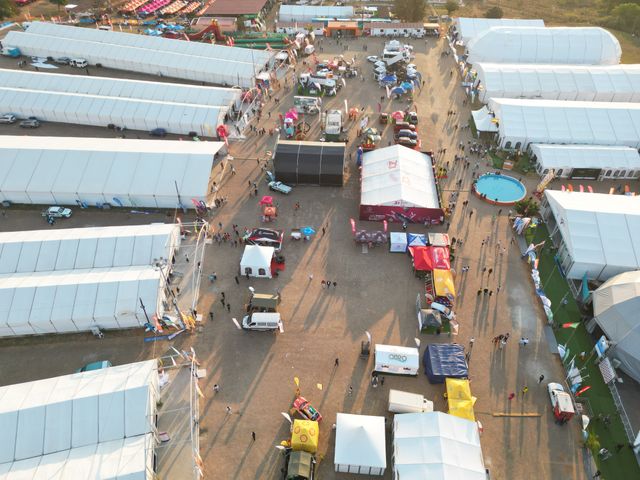
Trade shows such as ASD Market Week, NY NOW, and the Canton Fair bring manufacturers, wholesalers, and buyers together.
You can examine physical samples, compare competing suppliers, and discuss pricing or minimum orders in person.
- Ideal for: Retailers building long-term supplier relationships or evaluating products that require hands-on inspection.
- Limitation: Travel, accommodation, and attendance costs can make this approach impractical for smaller orders.
14. Buy Directly from Manufacturers
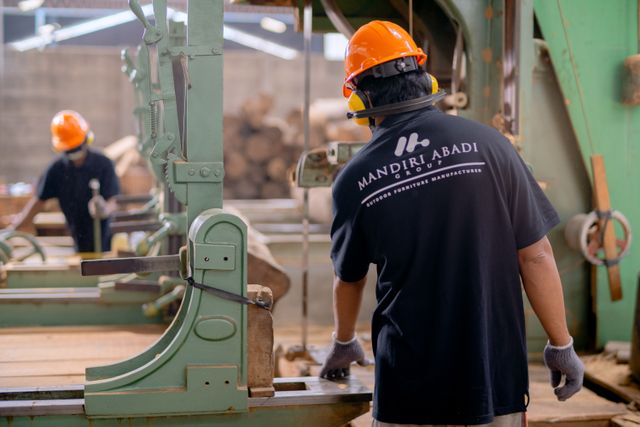
Buying directly from manufacturers removes intermediary supplier markups and can provide access to product customization and factory-level pricing.
You can also negotiate packaging, materials, production specifications, and order quantities.
- Ideal for: Established businesses with predictable demand, particularly those ordering 500–1,000+ units or developing private-label products.
- Limitation: You’re responsible for managing production, quality control, contracts, and shipping arrangements.
15. Work with a Sourcing Agent
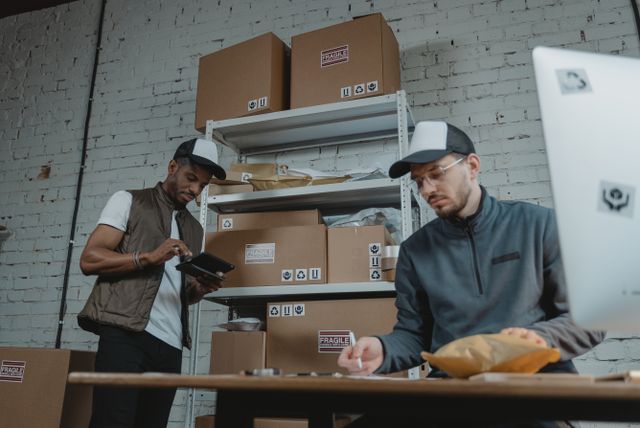
A sourcing agent helps businesses find manufacturers, compare quotations, negotiate orders, and coordinate production.
For overseas buyers, working with a local agent can also simplify factory communication and quality inspections.
For example, NicheSources provides product sourcing services in China, including factory identification, supplier verification, and pre-shipment inspections.
- Ideal for: Retailers and ecommerce businesses that want access to Chinese manufacturers without independently managing every sourcing stage.
- Limitation: Sourcing agents typically charge a service fee, often around 5–10% of order value. Compare the total cost against managing suppliers yourself.
16. Find Wholesale Suppliers Through Google
You can also source products directly by searching for manufacturers, distributors, and wholesalers online.
Try targeted search queries such as:
- wholesale [product] suppliers USA
- [product] distributor [state]
- [product] manufacturer wholesale
- [brand name] authorized distributor
This approach can uncover specialized suppliers that aren’t listed on major B2B marketplaces.
- Ideal for: Finding niche or domestic wholesalers and contacting suppliers directly.
- Limitation: There’s no built-in supplier verification or payment protection. You’ll need to evaluate each business independently.
Whichever channel you choose, we recommend comparing at least three suppliers before placing an order. Look beyond the advertised unit price and consider minimum order quantities, shipping costs, payment terms, and supplier reliability.
How to Choose a Reliable Wholesaler?
A reliable wholesaler should offer consistent product quality, transparent pricing, reasonable payment terms, and clear policies for defective goods. Before committing to a supplier, we recommend comparing at least three options based on their total landed cost, checking their business credentials, and ordering samples.
Use this checklist to evaluate potential wholesale suppliers.
1. Verify the Supplier’s Business and Reputation
Start by confirming whether you’re dealing with a manufacturer, authorized distributor, or independent wholesaler.
Check the supplier’s business registration, operating history, physical address, and reviews from independent sources. If you’re sourcing branded products, verify their authorization to distribute those brands.
For overseas suppliers, third-party factory audits can provide additional assurance about manufacturing capabilities.
You can also review our guide to the different types of suppliers in China.
2. Compare Landed Costs from Three Suppliers
Don’t choose a wholesaler based on the lowest advertised unit price.
Instead, request quotes from at least three suppliers and compare their total landed costs, including shipping, import duties, and handling charges.
For example:
| Cost Per Unit | Supplier A | Supplier B |
| Wholesale price | $4.00 | $5.00 |
| Freight, duties, and handling | $2.90 | $1.50 |
| Total landed cost | $6.90 | $6.50 |
Illustrative figures, not actual supplier quotations.
Supplier B offers a lower total cost despite charging more for the product itself.
When comparing quotes, also check MOQs, shipping terms, and whether the supplier can maintain the same pricing for repeat orders.
3. Request Samples and Confirm Production Standards
Always request samples before placing a substantial wholesale order.
Check the product’s materials, dimensions, functionality, packaging, and overall workmanship against your requirements.
However, samples don’t always reflect the quality of a full production run. A supplier might carefully prepare a sample, while mass-produced units can vary due to different materials, production batches, or manufacturing processes.
For factory orders, we recommend providing a written specification sheet and arranging a pre-shipment inspection before the goods leave the factory.
4. Review Payment Terms and Buyer Protection
New wholesale customers may be asked to pay upfront or provide a deposit before production. Established buyers can sometimes negotiate Net-15, Net-30, or Net-60 payment terms.
For unfamiliar suppliers, prioritize payment methods with transaction protection, such as escrow services or eligible Alibaba Trade Assurance orders.
Avoid sending large, unprotected wire transfers to suppliers you haven’t verified.
Before paying, confirm the supplier’s legal name, bank account details, payment schedule, and the conditions under which refunds or replacements are available.
5. Check Product Availability and Supplier Capacity
Your wholesaler should be able to supply the products and quantities your business needs consistently.
Ask about current inventory, production capacity, replenishment schedules, and lead times.
If you plan to increase order volumes, check whether the supplier can scale with your business without significantly affecting delivery schedules or product specifications.
For businesses sourcing customized products, also ask about private labeling, packaging options, and additional production requirements.
6. Confirm Return and Defect Policies
Wholesale return policies can be considerably more restrictive than retail returns.
Before ordering, ask the supplier to clarify:
- What qualifies as a defective or damaged product?
- How quickly must you report problems after delivery?
- Who pays for return shipping or replacements?
- Will the supplier offer refunds, replacements, or credit toward future orders?
Get these terms in writing, particularly for overseas orders where returning inventory may be impractical.
7. Evaluate Communication and Product Knowledge
A reliable supplier should understand the products they sell and respond clearly to questions about specifications, availability, pricing, and delivery.
Pay attention to how they handle your initial inquiries. Vague answers, inconsistent quotations, or reluctance to provide documentation can indicate potential problems.
We also suggest asking a few technical questions about materials, manufacturing methods, or product compatibility. Suppliers who understand their products are generally better positioned to resolve issues when they arise.
8. Check Customization and Additional Services
If you’re planning to build a private-label brand, confirm whether the supplier can support your requirements beyond standard wholesale orders.
These might include custom packaging, logo printing, product development, quality inspections, and warehousing.
Manufacturers typically offer greater production flexibility, while distributors focus more on supplying existing products.
Our recommendation: Shortlist three suppliers, compare their landed costs and payment terms, and evaluate samples before placing a larger order. If you’re importing directly from a factory, make sure your product specifications and inspection requirements are documented before production begins.
Should I Use Domestic or Overseas Wholesalers?
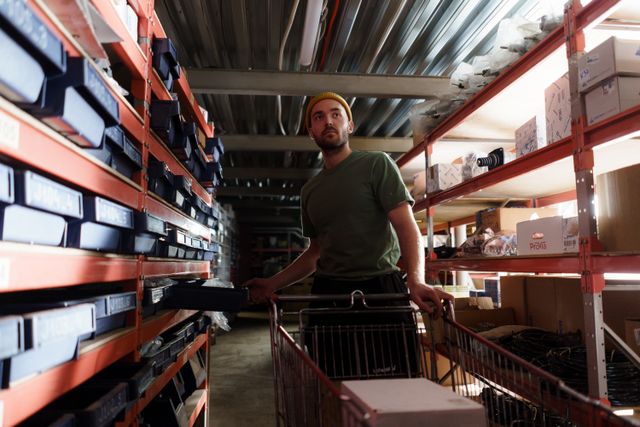
Domestic wholesalers are generally better for faster delivery, smaller orders, and simpler logistics, while overseas wholesalers can offer lower unit costs and more manufacturing options. The right choice depends on your order volume, profit margins, and ability to manage international shipping and customs.
For US businesses in 2026, import duties are especially important. Lower factory prices don’t always translate into lower landed costs once tariffs, freight, and customs fees are included.
Domestic vs. Overseas Wholesalers
| Factor | Domestic Wholesalers | Overseas Wholesalers |
| Unit prices | Generally higher | Often lower at larger volumes |
| Minimum orders | Often smaller | Typically larger for factory-direct orders |
| Shipping | Faster domestic delivery | Longer international transit |
| Import duties | No direct import clearance for the buyer | Applicable duties and customs costs |
| Quality control | Easier to inspect or return products locally | May require third-party inspections |
| Customization | Depends on supplier capabilities | Greater factory-direct options |
| Communication | Usually easier within the same market | Language and time-zone differences may apply |
When Should You Choose Domestic Wholesalers?
Domestic suppliers are often the more practical choice if you’re launching a retail business or need reliable inventory replenishment.
We recommend considering domestic wholesalers when:
- You’re placing your first wholesale order.
- You need smaller quantities or frequent restocking.
- You want to avoid handling international customs clearance.
- Your customers expect short delivery times.
- You prefer locally manufactured products.
Although domestic unit prices can be higher, shorter lead times and simpler returns may offset some of the difference.
When Should You Choose Overseas Wholesalers?
Overseas sourcing becomes more attractive when you have proven demand and can order enough inventory to make international freight worthwhile.
Consider overseas wholesalers if:
- You need factory-direct pricing at higher quantities.
- You want custom packaging, private labeling, or product development.
- You can accommodate longer production and shipping schedules.
- You have sufficient capital to cover inventory, freight, and import duties.
- You’re comfortable managing suppliers across different countries.
China remains a major sourcing destination for manufactured products. Depending on the supplier and shipping arrangement, sea freight from China to the US may take several weeks, with additional time needed for production, customs clearance, and inland delivery.
For more details, see our guide to sourcing products from China.
How Do US Import Tariffs Affect Wholesale Costs in 2026?
Two developments are particularly relevant to businesses importing wholesale inventory into the United States.
1. The de minimis exemption was suspended in August 2025.
Effective August 29, 2025, the US suspended the general duty-free de minimis exemption for shipments valued at $800 or less.
This means low-value imports are no longer automatically exempt from applicable duties and fees simply because their declared value falls below $800. Certain statutory exceptions and other duty-free provisions may still apply.
2. Section 301 tariffs can increase costs for Chinese products.
Many China-origin products face additional Section 301 tariffs on top of ordinary customs duties. Common additional rates include 7.5% and 25%, although some product categories have different rates or exclusions.
Before ordering, check your product’s Harmonized Tariff Schedule (HTS) classification through the US International Trade Commission and confirm applicable additional tariffs using the USTR Section 301 search.
We recommend asking your freight forwarder or customs broker for an itemized estimate covering freight, applicable duties, customs clearance, and destination charges before comparing overseas quotes with domestic prices.
What about sourcing outside China? Some importers use a China+1 strategy, sourcing selected products from countries such as India or Vietnam to diversify suppliers and manage country-specific tariff exposure. Platforms like IndiaMART can help identify Indian manufacturers, although each supplier and product still needs independent verification.
For most new resellers, starting with domestic wholesale inventory can simplify the purchasing process. Once your sales volume becomes predictable, compare overseas factory quotations using total landed cost to determine whether importing offers a meaningful advantage.
What Are the Benefits of Buying Wholesale for My Business?
Buying wholesale has many benefits, especially for a business that’s ready to scale and grow:
- Lower price per product unit
- Better profit margins
- Ability to negotiate the prices
- Better for stock management
- Consistent product quality
- Possibility for customization
- Lower shipping costs
Depending on the product category, supplier, and order quantity, wholesale prices may be 40–60% below retail prices. However, actual savings depend on your total landed cost, including shipping, duties, and handling fees.
What Are the Disadvantages of Buying Wholesale for My Business?
Buying wholesale can improve your profit margins, but it also comes with higher upfront costs, inventory risks, and additional responsibilities. The larger your order, the more money you commit before knowing whether the products will sell.
Here are the main disadvantages to consider:
- Higher upfront investment: Wholesale suppliers often require minimum order quantities (MOQs). For example, an initial overseas factory order might require 2,000-5,000, depending on the product, shipping, and order volume.
- Inventory and storage costs: You’ll need space to store products until they’re sold, whether that’s your own warehouse, a third-party fulfillment center, or a storage facility.
- Risk of unsold inventory: Suppose you purchase 500 units at $8 each, investing $4,000. If 30% remain unsold, that’s 150 units representing $1,200 in tied-up inventory at purchase cost. Discounts, storage fees, or disposal costs could further reduce your returns.
- Longer lead times: Overseas factory orders may require several weeks for production, followed by international shipping and customs clearance.
- Product trends and expiration: Seasonal products, fashion items, and goods with expiration dates can lose value if they don’t sell quickly enough.
- Quality control challenges: Defective products can be expensive to return or replace, particularly when importing directly from overseas manufacturers.
- Customs and import duties: International orders may face tariffs, customs clearance fees, and other import charges. For US buyers, applicable Section 301 tariffs on Chinese products can further increase landed costs.
Our recommendation: Start with quantities you can realistically sell based on demand research and your available budget. Once you understand your sales velocity and inventory turnover, you can negotiate larger wholesale orders with greater confidence.
Tips for Buying Wholesale
Successful wholesale buying starts with setting a realistic budget, choosing the right suppliers, and understanding your total costs before placing an order. We’ve put together some practical tips to help you avoid common sourcing mistakes and make better purchasing decisions.
1. Set a Realistic Wholesale Buying Budget
Your starting budget should reflect the type of supplier you’re working with and how much inventory you’re prepared to hold.
| Buying Approach | Estimated Starting Budget | What It Covers |
| Small marketplace test order | 500-1,000 | Low-MOQ inventory, basic shipping, and initial product testing |
| First overseas factory order | 2,000-5,000 | Inventory, freight, applicable duties, and basic inspection costs |
These are illustrative planning ranges. Actual requirements vary considerably by product, supplier, order size, and destination.
We recommend keeping some money available for unexpected expenses rather than spending your entire budget on inventory.
2. Calculate Your Total Landed Cost
The supplier’s quoted unit price is only part of what you’ll actually pay.
Use this formula when evaluating wholesale quotations:
Landed cost per unit = Unit purchase price + Freight per unit + Import duties per unit + Insurance per unit + Handling and clearance costs per unit
Depending on your shipping arrangement, you may also need to account for additional destination charges.
Always calculate landed cost before comparing supplier prices or setting your retail price.
3. Negotiate Prices and Minimum Order Quantities
Wholesale pricing is often negotiable, particularly when ordering larger quantities or establishing a long-term supplier relationship.
Ask whether your supplier can offer lower MOQs, volume-based discounts, or improved payment terms for repeat orders.
4. Order Samples Before Buying in Bulk
Request samples to evaluate product materials, dimensions, functionality, and packaging.
For larger factory orders, provide detailed specifications and arrange inspections to confirm that production units meet your requirements.
5. Check Supplier Reviews and Reliability
Research suppliers through independent reviews, business registrations, and available verification reports.
Also confirm that they have the production capacity and inventory availability to support larger orders as your business grows.
6. Plan Storage and Inventory Management
Before purchasing hundreds of units, decide where you’ll store them and how you’ll manage stock levels.
If you’re importing from China, using a China warehouse may help with inventory consolidation and fulfillment arrangements.
Consider storage fees, handling costs, and how long you expect the products to remain in inventory.
7. Confirm Shipping Methods and Lead Times
Ask suppliers how long production takes, which shipping methods they offer, and when your products are expected to arrive.
For international orders, clarify shipping Incoterms and whether customs clearance, duties, and destination delivery are included in the quotation.
8. Check Whether Your Supplier Sells Directly to Consumers
Some wholesalers operate their own retail stores or sell through major online marketplaces.
This isn’t necessarily a problem, but it can create direct competition if they’re selling the same products at prices you cannot match profitably.
Compare their retail pricing before committing to an ongoing supply agreement.
9. Validate Demand Before Increasing Order Volumes
Test whether customers will actually purchase your products before making a large inventory commitment.
Use sales data, competitor research, and demand trends to estimate how quickly you can sell through your stock.
Increase order quantities gradually once you have evidence of consistent demand.
10. Provide Detailed Product Specifications
When ordering from manufacturers, describe exactly what you need.
Include materials, dimensions, colors, product variations, packaging requirements, and any relevant quality standards.
For clothing, pay particular attention to sizing. Chinese and Western sizing conventions can differ, so request actual garment measurements and confirm size charts rather than relying solely on S, M, or L labels.
11. Use Secure Payment Methods
Avoid sending full payments through unprotected methods such as Western Union or direct transfers to unfamiliar personal accounts.
Where available, use escrow-style services or platform payment protection, and ensure the supplier’s terms are documented before paying.
For larger orders, consider milestone payments tied to production progress and inspection results.
12. Review Your Supplier’s Performance After Each Order
Keep records of actual delivery times, product defects, landed costs, and how the supplier handles problems.
These details will help you decide whether to reorder, negotiate improved terms, or find an alternative supplier.
Over time, reliable supplier relationships can make wholesale purchasing more predictable and easier to scale.
Worked Example: Wholesale Landed Cost in 2026
A supplier might quote you $6 per unit, but that doesn’t mean $6 is your final cost. When importing wholesale products, you also need to account for international freight, customs duties, and other expenses before calculating your potential profit.
Let’s say you’re purchasing 500 kitchen organizers from a Chinese manufacturer to resell in the US.
Step 1: Calculate Your Landed Cost
For this example, we’ll assume the product is subject to an additional 25% Section 301 tariff.
| Cost Breakdown | Per Unit | Total (500 Units) |
| Factory price (FOB) | $6.00 | $3,000 |
| Sea freight (LCL shipment) | $0.70 | $350 |
| Section 301 duty (25% of $6) | $1.50 | $750 |
| Illustrative landed cost | $8.20 | $4,100 |
Your $6 factory quotation has increased to $8.20 per unit, representing a 36.7% increase before selling expenses.
Important: This is a simplified example, assuming the $6 factory price is also the applicable customs value. It excludes ordinary customs duties, other potentially applicable tariffs, insurance, brokerage, handling, and destination charges. The 25% Section 301 rate is an illustration, not a verified rate for kitchen organizers.
For actual imports, check the product’s HTS classification using the USITC Harmonized Tariff Schedule and confirm the applicable duties with your customs broker.
Step 2: Calculate Your Potential Resale Margin
Suppose you use keystone pricing, setting your retail price at twice the illustrative landed cost.
| Pricing Breakdown | Per Unit |
| Retail selling price | $16.40 |
| Illustrative landed cost | $8.20 |
| Marketplace referral fee (assumed 15%) | $2.46 |
| Profit before other selling expenses | $5.74 |
At this price, you’d retain approximately 35% of your retail revenue after the illustrated landed cost and referral fee, before advertising, storage, fulfillment, returns, and other expenses.
If you’re selling through Amazon, your actual referral fee depends on the product category. Fulfillment fees may also apply.
Step 3: Check Whether the Order Is Profitable
With an estimated $5.74 contribution per unit, selling all 500 units would generate $2,870 before the other expenses excluded above.
But if you need to spend another $3 per unit on fulfillment and advertising, that contribution drops to $2.74.
This is why we recommend calculating your landed cost and expected selling expenses before ordering. A product that looks profitable at the supplier’s quoted price may leave considerably less room for profit once it reaches your customers.
Supplier Outreach Template (Copy and Paste)
Once you’ve shortlisted potential wholesalers, contact at least three to five suppliers using the same questions. This makes it easier to compare pricing, minimum order quantities, payment terms, and supplier reliability.
Be specific about the product, quantity, and where you intend to sell it. Suppliers can provide more accurate quotations when they understand your requirements.
Hello [Supplier Name],
I’m [Your Name] from [Business Name]. We’re based in [Country] and are interested in sourcing [Product Name] for our [online store/retail business/Amazon store].
Could you please share the following information?
- Product catalog: Your latest catalog and available product specifications.
- Wholesale pricing: Unit prices for [quantity] units and any volume discounts.
- Minimum order quantity (MOQ): Your minimum order requirements, including quantities per product variation.
- Case-pack quantity: How many units come in each carton, and can we order mixed products?
- Samples: Sample costs, shipping charges, and estimated delivery time.
- Lead times: Current stock availability and production or dispatch timelines.
- Shipping: Available shipping methods, Incoterms, and estimated delivery costs to [Destination].
- Payment terms: Accepted payment methods, deposit requirements, and available payment protection.
- Defect policy: Your process for handling damaged, defective, or incorrect products.
- Account requirements: Any business documents needed to open a wholesale account.
We are considering an initial order of [Quantity] units, with the possibility of repeat orders depending on product quality and sales performance.
Thank you. I look forward to your quotation.
Best regards,
[Your Name]
[Business Name]
[Website or Store URL]
Our tip: Ask suppliers to provide itemized quotations rather than just unit prices. You’ll need product costs, freight, and applicable duties or destination charges to compare the actual landed cost of each offer.
You should also pay attention to how suppliers respond. Clear answers about MOQs, defects, and payment terms are useful indicators of how they may handle future orders.
To Wrap It Up
Buying wholesale can help you lower product costs and improve profit margins, but success depends on choosing reliable suppliers and understanding your total expenses.
We recommend starting with smaller orders, validating demand, and comparing landed costs before committing to larger quantities.
Source Products from China with NicheSources
Looking for reliable wholesale suppliers in China?
With over 10 years of sourcing experience, NicheSources helps retailers and ecommerce businesses with:
- Free product sourcing with quotes in 2 business days.
- Supplier verification and quality inspections.
- Private labeling and product customization.
- Order fulfillment and international shipping.
There’s no upfront sourcing fee, and our team can help you find manufacturers that match your budget and product requirements.
FAQs about Buying Wholesale
Can a Normal Person Buy from a Wholesaler?
Yes. Some wholesalers and bulk suppliers, including Costco and DollarDays, sell directly to individuals without requiring business registration. However, traditional B2B suppliers may require business credentials or resale documentation. Individuals purchasing for personal use generally pay applicable sales tax.
Can I Buy Wholesale Without an LLC?
Yes. You can buy wholesale as a sole proprietor without forming an LLC. However, if you’re purchasing products for resale, you may still need a seller’s permit, resale certificate, or local business license, depending on your location.
Do I Need a Tax ID to Buy Wholesale?
For personal purchases, generally no. For business purchases, suppliers may request an Employer Identification Number (EIN) or other tax identification. Sole proprietors don’t always need an EIN, but state sales tax registration may still be required for resale activities.
Is It Cheaper to Buy Wholesale or Retail?
Wholesale products generally have lower unit prices because suppliers offer quantity-based discounts. However, shipping, import duties, storage, and unsold inventory can reduce those savings. Compare the total landed cost before deciding whether wholesale purchasing is worthwhile.
Is It Worth Getting a Wholesale License?
If you’re regularly buying products for resale, obtaining the required seller’s permit or resale documentation can help you access B2B suppliers and purchase qualifying inventory without paying sales tax upfront. Requirements and fees vary by state, and there isn’t a single nationwide wholesale license.
How Do You Buy Wholesale Clothing?
You can source wholesale clothing through manufacturers, clothing distributors, B2B marketplaces such as Alibaba, or trade shows. Before placing a bulk order, request samples and confirm fabric composition, sizing measurements, stitching quality, and return policies. This is especially important when importing clothing with different regional sizing standards.
What Products Are Best to Buy Wholesale and Resell?
Look for products with consistent demand, manageable shipping costs, and sufficient margins after selling expenses. Categories worth researching include home accessories, clothing, pet supplies, and jewelry.
We recommend validating demand using marketplace sales indicators, competitor research, and Google Trends before committing to inventory.
What’s the Difference Between Wholesale and Dropshipping?
With wholesale buying, you purchase inventory upfront and manage its storage and fulfillment. With dropshipping, a supplier ships products directly to customers after they place orders.
Wholesale can offer greater control over product quality, packaging, and margins at scale, while dropshipping generally requires less upfront inventory investment.
Read our dropshipping vs. wholesale comparison for more details.
Do Wholesale Suppliers Offer Returns or Refunds?
Some do, but wholesale return policies are often stricter than retail policies. Suppliers may accept claims only for damaged, defective, or incorrectly supplied products.
Before ordering, confirm the inspection window, documentation requirements, and whether the supplier offers refunds, replacements, or store credit. International returns may involve additional shipping and customs expenses.