Curious about Kizer knives? You might be surprised to learn where these popular EDC and pocket knives come from. Kizer has made a name for itself in the knife industry with its high-quality blades and innovative designs.
Kizer knives are made in China, which may surprise some given the country’s mixed reputation in manufacturing. However, these knives stand out for their exceptional quality and design.
Kizer imports materials from the USA and Japan, collaborating with custom knife makers to create top-tier products. Their commitment to quality has helped challenge preconceptions about Chinese-made knives in the global market.
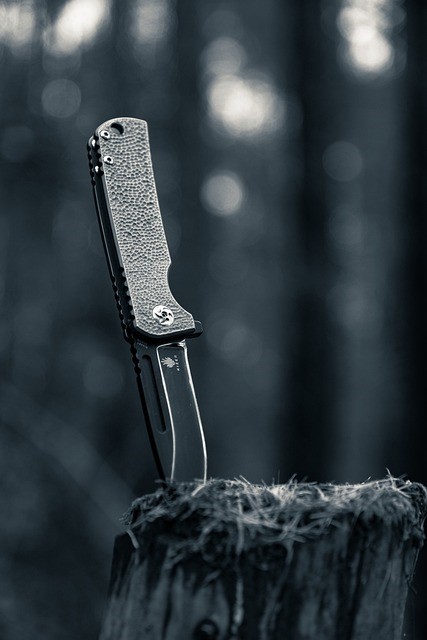
A Brief History of Kizer Knives
- Founded: 2012 (some sources cite 2013) in Yangjiang, China — a city known as the heart of China’s knife-making industry.
- Mission: To challenge the idea that “Made in China” means low quality by producing knives that could rival premium Western brands in craftsmanship and performance.
- Early Innovation: Among the first Chinese manufacturers to use CPM-S35VN, an American-made high-end steel praised for edge retention and durability.
- Designer Collaborations: Partnered with custom knife makers like Ray Laconico and Justin Lundquist, making their designs accessible through affordable production models.
- Breakthrough Moment: By 2014, Kizer’s knives were featured at major international shows, earning recognition for their fit, finish, and precision.
- Product Range: Expanded from everyday carry (EDC) knives to tactical and collector-grade pieces.
- Vanguard Series: Introduced a budget-friendly line using simpler materials while retaining Kizer’s build quality and design precision.
- Global Reach: Now sold in dozens of countries, Kizer is widely regarded as a pioneer that helped redefine what “Made in China” can mean in the knife world.
Where Are Kizer Knives Manufactured?
Kizer knives are made in China, with roots in Yangjiang, the country’s “Knife Capital,” and main operations in Guangzhou, Guangdong Province.
Yangjiang gave Kizer access to skilled craftsmen and a rich knife-making tradition, while the newer Guangzhou facility brings advanced technology and production scale.
Here’s why Kizer’s location makes strategic sense:
- Skilled Labor & Tradition: Yangjiang’s knife-making heritage means access to craftsmen experienced in grinding, sharpening, and assembly, skills that keep Kizer’s quality consistent.
- Modern Infrastructure: China’s knife industry now rivals any in the world. Kizer uses advanced CNC and EDM machinery to produce precise components at scale.
- Global Material Access: Proximity to major ports and suppliers lets Kizer import premium materials like S35VN (U.S.), M390 (Austria), and high-grade handle materials from Japan, then refine them in-house.
- Cost Efficiency: Manufacturing in China keeps labor and overhead low, allowing Kizer to offer mid-range prices with top-tier quality, competing directly with brands like Benchmade or Spyderco.
- Scale & Logistics: The Guangzhou factory spans around 50,000 sq. ft., employs 200+ workers, and produces roughly 10,000 knives a month. Its location ensures smooth exports and fast delivery worldwide.
For knife sellers, understanding Kizer’s manufacturing process can provide valuable insights. It shows how Chinese manufacturers can produce high-quality products at competitive prices, offering lessons for sourcing and product development.
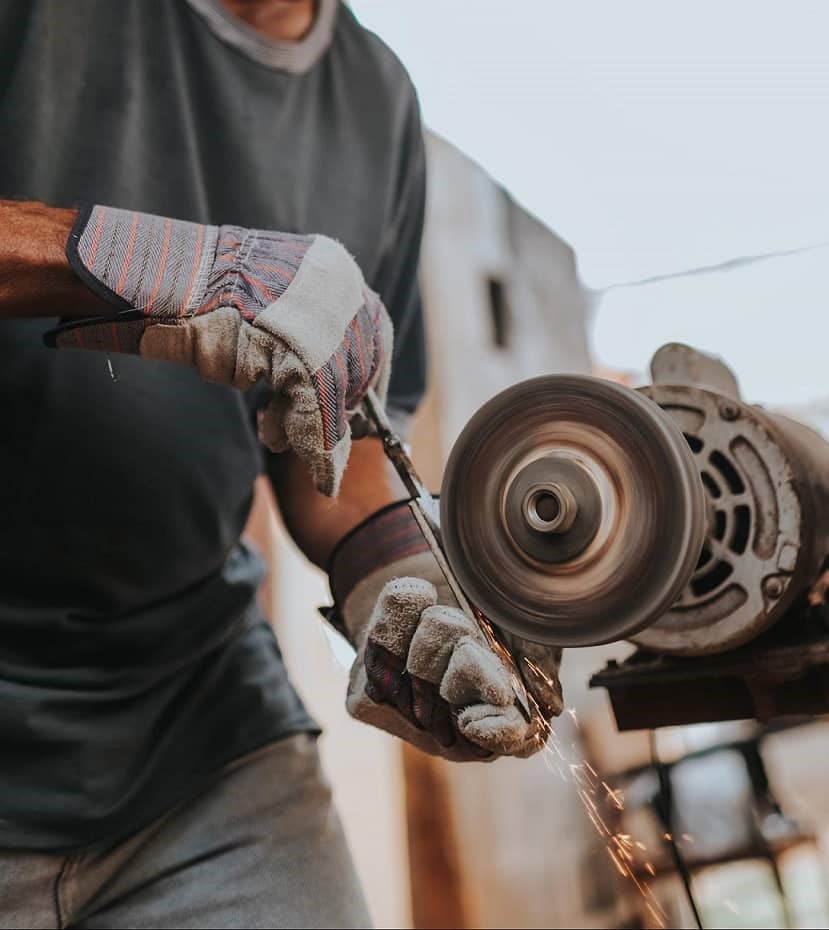
Inside Kizer’s Manufacturing Process
Kizer’s manufacturing process blends modern precision engineering with traditional craftsmanship. Every step—from raw materials to the final edge, is tightly controlled for consistency and performance.
Step 1: Materials Sourcing
It all starts with high-performance materials. Kizer imports premium steels such as CPM-S35VN, CPM-20CV, and Böhler M390 from the U.S. and Europe, known for their superior edge retention and toughness.
Handle materials include titanium, G-10 fiberglass laminate, carbon fiber, and Micarta, all chosen for durability and feel. By starting with top-tier materials, Kizer sets a high standard before the first cut is even made.
Step 2: Precision Machining
In production, Kizer uses advanced CNC and wire EDM machinery to mill blades, handles, and small components to exact tolerances. This automation ensures uniformity across large batches, every knife matches the designer’s specifications.
Kizer was one of the first Chinese knife makers to use CNC technology on par with top U.S. brands, resulting in perfectly centered blades, smooth action, and a flawless fit and finish.
Step 3: Heat Treatment
Each blade undergoes a multi-stage heat treatment to achieve the ideal balance of hardness and toughness.
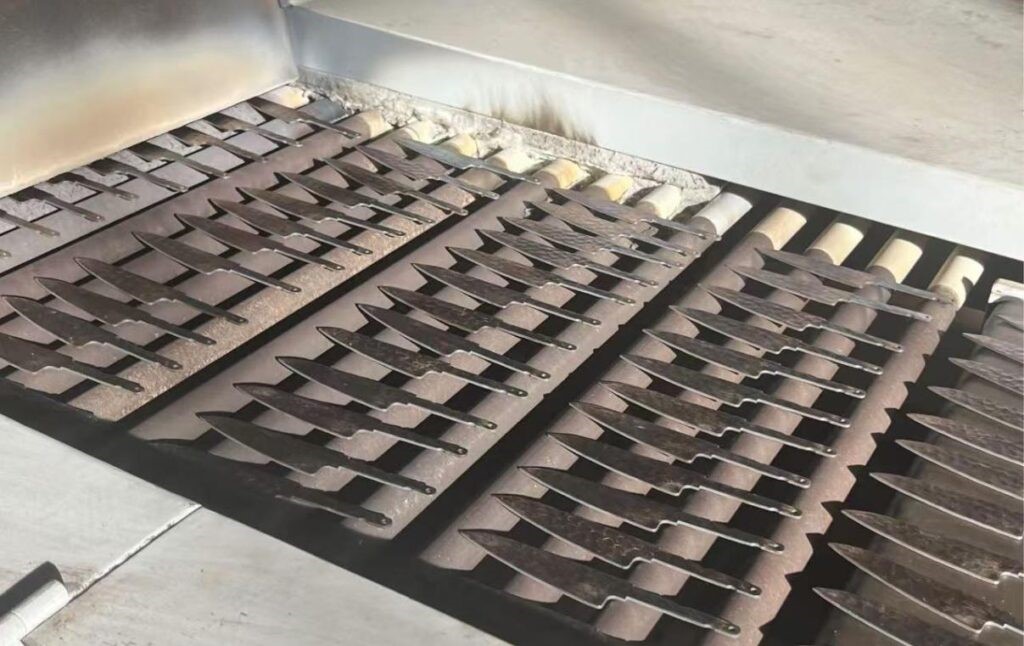
Blades are heated to roughly 760–900°C (depending on the steel), quenched in oil or water, and then tempered to relieve internal stresses.
This controlled process locks in strength while preventing brittleness, giving Kizer knives their long-lasting sharpness and resilience.
Step 4: Quality Control
Quality checks are built into every stage. Inspectors verify grinds, lockup, centering, and overall fit before final assembly. Every knife must pass multiple QC rounds before leaving the factory.
If an issue appears, even minor, Kizer pauses release until it’s corrected. This strict oversight has helped their knives consistently match or exceed Western quality standards.
Step 5: Hand Assembly & Finishing
Despite their precision machinery, Kizer still depends on skilled hands for the final touch. Technicians assemble each knife manually, tuning pivots, aligning parts, and hand-sharpening blades to a razor edge.
Handles are polished and refined to remove imperfections. The result is a knife that opens smoothly, locks solidly, and feels balanced in hand—a fusion of CNC precision and artisanal skill.
By combining technology with human craftsmanship, Kizer achieves both efficiency and soul in its products. For sellers and OEM brands, it’s a model of how attention to detail and quality control can elevate a product from good to world-class.
Kizer’s Competitive Advantage

Kizer Knives has carved out a strong position in the knife industry through several key factors.
Kizer selects high-quality materials for their knives. You’ll find they use premium steels like S35VN and M390. Handle materials often include titanium and G10, chosen for durability and ergonomics.
Knife enthusiasts appreciate this choice. These materials typically appear in more expensive knives, adding to Kizer’s value reputation.
Innovative Designs
Kizer partners with well-known designers such as Ray Laconico and John Gray. This collaboration results in popular models like the Feist and Gemini. On BladeForums.com, you’ll see many positive reviews for the Gemini. Users often praise its unique look and how well it functions.
Advanced Manufacturing
Kizer employs modern manufacturing techniques. They use CNC machines and precise heat treatment. Knife experts who’ve seen their processes note this attention to quality.
Pricing
Kizer offers clear value for money. On Reddit’s r/knifeclub, a comparison between the $75 Kizer Sheepdog and $200+ competitors attracted attention. The thread received over 1,000 upvotes. Many users pointed out Kizer’s superior value.
Customer Service
Kizer provides a warranty against defects. You’ll find numerous positive reports about their customer service on knife forums. Quick responses and willingness to address issues are common themes in these anecdotes.
As a sourcing agent with over 10 years of specialized experience in the knife industry, we’ve helped numerous startup brands successfully navigate this competitive market. Our deep industry knowledge and extensive network allow us to match you with the best manufacturers for your specific needs.
Kizer vs. WE Knife vs. CIVIVI: A Sourcing Agent’s Comparison for Sellers
China’s knife manufacturing industry is home to several world-class brands, and Kizer, WE Knife Co., and CIVIVI lead the pack.
All three produce high-quality knives with precision machining, strong QC systems, and access to premium materials. However, they cater to different segments of the market.
| Brand | Founded / Location | Price Range | Materials | OEM / ODM Capability | Target Market | Key Strengths |
| Kizer Cutlery | 2012 / Guangzhou, China | $70–$200+ | S35VN, M390, Titanium, Micarta | Yes (via Kimake) | Mid to Premium | Designer collabs, strong value, in-house production |
| WE Knife Co. | 2000 / Yangjiang, China | $150–$300+ | M390, 20CV, Titanium, Carbon Fiber | Yes | Premium to Luxury | Industry-leading machining, ISO-certified factory |
| CIVIVI | 2018 / Yangjiang, China | $30–$80 | 9Cr18MoV, 14C28N, G-10, Micarta | No (consumer brand) | Budget | Excellent value, WE-level QC at lower cost |
Kizer Cutlery
Founded in 2012, Kizer helped redefine what “Made in China” can mean. Their knives blend premium materials with affordable pricing, competing directly with Western brands on quality.
Kizer operates its own modern factory in Guangzhou and also offers OEM/ODM services through its Kimake division, ideal for sellers looking to launch their own knife line with proven quality control and design precision.
WE Knife Co.
Established in 2000 (originally as an OEM manufacturer), WE Knife Co. is now one of China’s most respected names in high-end cutlery.
With ISO-certified facilities and decades of experience, WE produces knives with flawless machining, tight tolerances, and advanced materials like M390 and titanium.
Their prices are higher, but the quality rivals top U.S. and Japanese brands. WE also continues to accept OEM projects, making it an excellent choice for premium private-label sourcing.
CIVIVI
Launched in 2018 as WE’s budget-friendly subsidiary, CIVIVI focuses on value-oriented EDC knives. It uses simpler but reliable materials such as 14C28N, D2, G-10, and Micarta, while maintaining the same attention to fit, finish, and smooth action found in WE’s premium line.
CIVIVI itself doesn’t offer OEM services, but its production model shows what’s possible when excellent QC meets cost-effective materials, a useful benchmark for sellers targeting entry-level price points.
In short:
All three brands operate in Guangdong Province, use similar machining technology, and maintain impressive QC standards. The difference lies in market positioning. For sellers, the key is alignment:
- Choose Kizer or WE for premium, OEM-ready partnerships.
- Look to CIVIVI- or CJRB-level factories for budget-friendly yet reliable knives.
China’s knife makers have proven one thing beyond doubt, with the right partner, quality and scale can coexist.
Key Factors to Consider When Choosing a Manufacturer
When selecting a knife manufacturer, you need to evaluate several crucial aspects.
- Production Capacity: Production capacity is a key consideration. Can the manufacturer meet your volume requirements and delivery timelines?
- Quality Control: Quality control is equally important. Look for manufacturers with robust quality assurance systems. Kizer Knives is known for challenging US quality standards, demonstrating the importance of thorough quality checks.
- Technical Capabilities: Technical capabilities matter too. Can the manufacturer design and produce various knife types? Some Chinese manufacturers have impressive R&D facilities.
- Pricing: Pricing is always a factor. Compare quotes from different manufacturers to ensure competitive rates. Remember, the cheapest option isn’t always the best value.
- Communication and Service: Communication and service are vital. Choose a manufacturer that responds promptly and offers good technical support. This can make a big difference in resolving issues quickly.
- Location and Logistics: Location and logistics play a role too. Consider how the manufacturer’s location might affect shipping costs and times. Many top knife manufacturers are based in China, which can offer cost advantages but may have longer lead times.
As your sourcing agent, by carefully weighing these factors, we’ll help you find the ideal knife manufacturer, ensuring quality products for your customers. And if you want to gain more inspiration then we’ve also covered other popular brands that you can use as case studies.
Read More:
- Where Are Asics Made
- Where are Hoka Shoes Made
- Where are Nike Shoes Made
- Where Are Adidas Made
- Where Are Puma Shoes Made
- Where Are Van Shoes Made
- Where Are Salomon Shoes Made
- Where Are Keen Shoes Made
Finding a Knife Manufacturer with Niche

In your quest to find a unique knife manufacturer, consider companies that have carved out a strong reputation in the industry. As your trusted sourcing agent, we offer:
- 10+ years of specialized experience in the knife industry: We’ve spent over a decade immersed in the knife market, gaining deep industry knowledge.
- Expertise in China’s “Knife Capital”: We have extensive experience working in Yang Jiang, China’s renowned knife manufacturing hub, giving us unparalleled access to top-tier producers and the latest industry trends.
- Access to top manufacturers: We identify and partner with the most experienced knife manufacturers, ensuring you get the best production quality.
- Competitive pricing: Without sacrificing quality Our established relationships and market expertise allow us to secure favorable prices while maintaining high product standards.
- Guidance for startup brands: We’ve successfully helped numerous new brands navigate the competitive knife market, from design to production to market entry.
Ready to take the next step? Contact us today for a free quote and discover how we can help you source high-quality knives at competitive prices.
Frequently Asked Questions
What Are Some of the Best Knife Manufacturers?
Several brands stand out in the knife industry. Kizer competes with well-known manufacturers like Spyderco, Benchmade, and Zero Tolerance. Chinese knife makers often blend traditional craftsmanship with modern techniques.
Are the components used in Kizer knives sourced locally or overseas?
Kizer sources materials globally to ensure quality. They use premium steels like S35VN and CPM-20CV for blades. Handle materials often include titanium and G10, chosen for durability and ergonomics.
How does the production location of Kizer knives compare to other brands like Civivi or CJRB?
Kizer, Civivi, and CJRB are all manufactured in China. This allows them to offer high-quality knives at competitive prices. Kizer’s production standards are often compared favorably to US-made knives.