A wholesale supplier can look legitimate and still be a poor fit for Amazon FBA. For example, an invoice may cover Amazon’s required quantity and still fail an ungating application if the business name or address doesn’t match the details in Seller Central.
Amazon FBA wholesale generally means buying products in bulk and sending them to Amazon for fulfillment. For branded resale, that usually means working with brands or authorized distributors whose invoices Amazon can verify. Private-label sellers take a different route, sourcing directly from manufacturers or marketplaces such as Alibaba and 1688.
Quick Facts
- Two main sourcing paths: authorized distributors for branded resale, or factory-direct suppliers for private labels.
- Ungating matters: if you sell restricted brands, supplier authorization and invoice quality can matter as much as price.
- China suppliers serve a different purpose: Alibaba, 1688, and similar platforms are primarily useful for factory-direct and private-label sourcing rather than brand ungating.
- Supplier type matters: some names on supplier lists are marketplaces, directories, or software platforms rather than wholesalers that actually hold inventory.
The Two Sourcing Lanes: US Distributors vs China Factories
For Amazon FBA sellers, most sourcing decisions fall into two lanes: authorized distributors for branded resale or China factory-direct sourcing for private label. The right lane depends on what you plan to sell, how much control you want over the product, and whether Amazon ungating is part of the process.
Lane 1: US Distributors for Branded Resale
If you want to resell established brands on existing Amazon listings, start with authorized distributors or the brands themselves.
The main advantage is documentation. A legitimate distributor can provide commercial invoices that Amazon may use to verify your supply chain when you apply to sell a gated brand or category.
This lane usually makes more sense when you want:
- Existing demand instead of building a new listing from scratch
- Faster replenishment and shorter domestic lead times
- Brand-authorized invoices for ungating
- Less involvement in product development and packaging
The trade-off is margin and control. You are usually competing with other sellers on the same ASIN, so pricing, Buy Box competition, and brand restrictions can limit profitability.
Lane 2: China Factories for Private Label
If you want to create your own product, packaging, or brand, China factory-direct sourcing is usually the stronger route.
Platforms such as Alibaba, 1688, Made-in-China, and Global Sources can connect sellers with manufacturers offering OEM, ODM, and custom production. This gives you more control over product specifications and usually more room to build margin into the product.
This lane makes more sense when you want:
- Your own brand and listing
- Custom packaging, materials, or product features
- Factory-direct pricing at higher volumes
- More control over positioning and long-term margin
The trade-off is complexity. You need to manage MOQs, sampling, quality inspection, production lead times, international freight, and FBA prep. From our sourcing side in China, this is where supplier verification and clear product specifications matter most; a low unit quote means very little if the factory cannot consistently meet the agreed standard.
30-Second Decision Box
| If this describes you | Best sourcing lane |
| I want to resell established brands | US/UK authorized distributors |
| I need invoices for Amazon ungating | US/UK authorized distributors |
| I want my own brand or custom product | China factories |
| Margin and product control matter most | China factories |
| I want faster domestic restocking | US distributors |
| I want both cash flow and a long-term brand | Use both lanes |
For many sellers, the long-term answer is a portfolio approach: use wholesale products for faster turnover while developing private-label products where stronger margins and listing control justify the extra work.
What Is Amazon FBA?
Amazon FBA, or Fulfillment by Amazon, is a service that allows sellers to outsource their order fulfillment to Amazon. With FBA, you store your products in Amazon’s warehouses, and they handle the picking, packing, and shipping to customers.
When you use FBA, you send your inventory to Amazon’s fulfillment centers. These are large warehouses strategically located across the country. Amazon then stores your products alongside their own inventory.
When a customer places an order for your product, Amazon takes care of the entire fulfillment process. They pick the item from their warehouse, pack it securely, and ship it to the customer. This happens quickly, often within 1-2 days for Prime orders.
FBA offers several key benefits for sellers:
- Prime eligibility
- Faster shipping speeds
- Increased visibility in search results
- Access to Amazon’s customer service team
- Easier management of returns and refunds
You can focus on growing your business while Amazon handles the logistics. This can be especially helpful during busy seasons when order volumes spike.
Amazon’s Seller Central provides detailed guides on how to get started with FBA. You’ll learn about preparing your products, creating shipping plans, and managing your inventory within their system.
Categories of Amazon FBA Wholesale Suppliers
Amazon FBA sellers typically work with six supplier types, but only four actually sell inventory directly. Directories and dropshipping platforms help you find or automate suppliers; they are not wholesale suppliers themselves.
| Supplier Type | What It Means | Best For | Amazon Ungating Fit |
| Brand-direct manufacturer | You buy directly from the brand owner or manufacturer | Established sellers seeking the strongest supply-chain documentation | Strong brand invoices or authorization letters can carry the most weight |
| Authorized distributor | A wholesaler formally approved to distribute specific brands | Reselling branded products on existing Amazon listings | Strong usually the most practical route for branded resale |
| Importer / master distributor | Imports products in bulk and resells them to retailers or smaller wholesalers | General merchandise, regional brands, and lower-MOQ wholesale sourcing | Mixed authorization can vary by brand, so verify before ordering |
| China marketplace | Platforms connecting buyers with factories, trading companies, and exporters | Private label, OEM/ODM, custom products, and factory-direct sourcing | Poor for branded ungating better suited to your own brand |
| Wholesale directory | A database of supplier leads rather than a company selling inventory | Finding wholesalers by category or location | Depends on the listed supplier |
| Dropship platform | Software or a supplier network built around direct-to-customer fulfillment | Sellers using a dropshipping model rather than stocking FBA inventory | Usually not relevant to FBA wholesale ungating |
The distinction matters because sellers often compare these options as if they serve the same purpose. They do not.
If your goal is branded resale and ungating, brand-direct suppliers and authorized distributors are usually the strongest fit. If your goal is private label, customization, and factory-direct pricing, China marketplaces belong in a different sourcing lane altogether. Directories are useful for lead generation, but every supplier you find through them still needs to be vetted independently.
What You Need Before Contacting Suppliers
Before contacting serious wholesale suppliers, have four things ready: a registered business, an EIN, a resale certificate, and a professional business email. Many distributors use these as basic screening criteria before they will share wholesale pricing or approve an account.
- LLC or corporation: A registered entity makes it easier for suppliers to verify that they are dealing with a real business. Amazon itself does not require an LLC, but many wholesalers prefer or require a formal business entity.
- EIN: Your Employer Identification Number is used for tax and business verification. US sellers can obtain one directly from the IRS.
- State resale certificate: This allows qualifying wholesalers to sell inventory to you for resale without collecting sales tax. Requirements vary by state.
- Business email: Use an address on your own domain, such as [email protected]. It gives suppliers another signal that you operate an established business rather than making a one-off personal purchase.
Why Do Wholesale Suppliers Reject Hobbyists?
Authorized distributors are selective because they are accountable to the brands they represent. Brands may impose marketplace restrictions, minimum advertised price policies, territory rules, and other channel controls, so distributors cannot necessarily approve every Amazon seller who applies.
There is also a tax and compliance reason. A distributor selling inventory tax-free needs the appropriate resale documentation from the buyer. If you cannot provide it, the supplier may be unable or unwilling to open a wholesale account.
In practice, we would have these documents ready before sending outreach. A supplier is much more likely to take the conversation seriously when you can immediately provide your company details, resale credentials, sales channel, and expected order size.
Amazon Invoice Requirements for Ungating
For many restricted brands and products, Amazon uses your supplier invoice to verify that your inventory came from a legitimate manufacturer or distributor. The safest approach is to check the exact requirements shown in your Apply to Sell application before ordering, because Amazon can vary the required quantity by brand.
Amazon’s published guidance says an invoice should generally include:
| Requirement | What Amazon Looks For | What We’d Do Before Ordering |
| Seller details | Your name and full address matching your selling account | Give the supplier the exact details used in Seller Central |
| Supplier details | Manufacturer or distributor name plus identifiable business information | Confirm these details will appear on the final invoice |
| Recent invoice | Issued within the last 180 days | Avoid relying on an old purchase |
| Required quantity | Commonly at least 10 units, although some applications now ask for substantially more | Check the live application before committing to inventory |
| Itemized products | A clear list of the products purchased | Ask for brand, model/SKU and other identifiers such as UPC where applicable |
| Final, readable invoice | A genuine invoice in an accepted, non-editable format | Use the final PDF/JPEG invoice, not a quote, order confirmation, packing slip, or pro-forma invoice |
Amazon specifically states that retail receipts, online order confirmations, sales quotes, pro-forma invoices, and editable documents are not accepted as substitutes for a qualifying manufacturer or distributor invoice.
The 10-Unit Rule Is No Longer Universal
Amazon’s general wholesale guidance still references 10 or more units, but sellers should not assume that number applies to every brand. Recent Amazon applications have required 100, 300, or even 400 units for certain brands, and Amazon staff have confirmed that higher quantities can apply depending on the specific selling application.
That changes the sourcing decision considerably. Before placing a $5,000 order because a distributor says its invoices are “Amazon compliant,” open the relevant application in Seller Central and verify the quantity Amazon is asking your account to document.
An invoice is not always the only route. Amazon’s own guidance says some approval applications can accept or request a brand authorization letter confirming that you are permitted to sell the brand’s products.
We would therefore confirm two things with any distributor before relying on them for ungating: Are they authorized by the brand, and can they provide the documentation Amazon is requesting for that specific application? Meeting the invoice format alone does not guarantee approval.
A List of Amazon FBA Wholesale Suppliers
We compared these options by supplier type, minimum order, buyer cost, Amazon suitability, and invoice strength. The biggest distinction is whether you need an authorized distributor for branded resale or a factory-direct source for a private label.
| Supplier | Type | Best For | MOQ / Minimum | Buyer Cost | Ungating-Ready Invoices? |
| Alibaba | China B2B marketplace | Private label and custom manufacturing | Supplier-set | Free to use | No better for own-label products |
| 1688 | China domestic marketplace | Factory-direct sourcing through an agent | Supplier-set | Free to browse/use | No |
| DHgate | Cross-border marketplace | Small generic test orders | Low / none | Free to use | No |
| Made-in-China | China B2B marketplace | Industrial products and audited factories | Supplier-set | Free to use | No |
| Global Sources | Marketplace + trade shows | Electronics and established importers | Often supplier-set | Free registration | No |
| HKTDC Sourcing | Trade-body sourcing platform | Hong Kong trade-fair sourcing | Supplier-set | Free registration | No |
| Banggood | Retailer + dropshipping program | Low-volume product testing | 1 unit | Free account | No |
| Nektova | US electronics distributor | Branded electronics | Not publicly stated | Free account | Verify by brand |
| Price Master | US importer / wholesaler | General merchandise | $200 | Free account | Mixed verify first |
| DollarDays | US wholesaler | Small case-lot general merchandise | Case-based | Free account | Varies |
| EE Distribution | Authorized distributor | Toys, games, and collectibles | $250 first order | Free wholesale account | Strong for authorized brands |
| Kole Imports | US importer / wholesaler | General merchandise + FBA prep | Verify before ordering | Free account | Inconsistent verify |
| Qogita | UK/EU B2B marketplace | Branded health and beauty | About €300 | Free to join | Stronger UK/EU option |
| SaleHoo | Supplier directory | Pre-screened supplier discovery | N/A | Paid membership | Depends on supplier |
| Worldwide Brands | Supplier directory | Certified US wholesale leads | N/A | $299 lifetime listed in our research | Depends on supplier |
| Wholesale Central | Supplier directory | Free US wholesaler discovery | N/A | Free | Depends on supplier |
China Marketplaces for Private Label and Factory-Direct Sourcing
These platforms are strongest when you are creating your own product or brand. We would not rely on marketplace invoices from these sources for ungating established third-party brands.
1. Alibaba
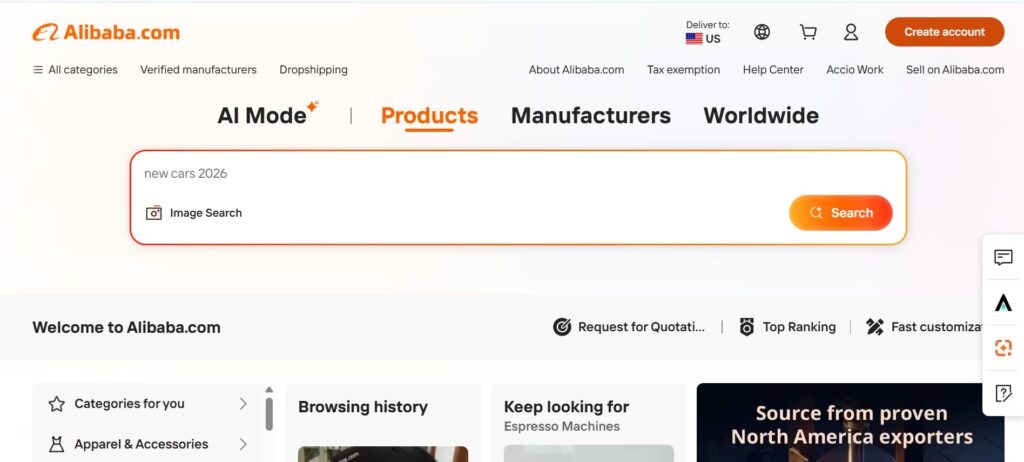
Alibaba is the most practical starting point for many international private-label sellers because it combines a very large supplier pool with RFQs, customization options, and Trade Assurance.
The main advantage is accessibility. You can compare multiple manufacturers, request samples, negotiate MOQs, and keep qualifying transactions on-platform. The downside is that supplier quality varies considerably, so a badge or high transaction count should never replace sample testing and supplier verification.
Ideal For: Amazon sellers developing private-label products who want a broad factory pool and relatively accessible buyer protection. Start with our guide to finding the right Alibaba suppliers and the Made-in-China vs Alibaba comparison.
2. 1688
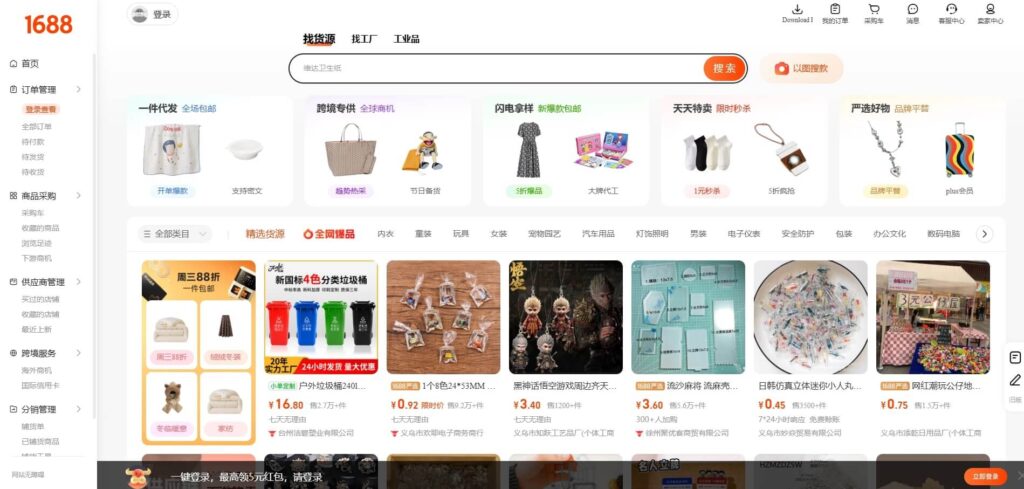
1688 is Alibaba Group’s domestic China marketplace and can expose buyers to suppliers and pricing that are harder to access through international B2B platforms.
From our perspective sourcing in China, the difficulty is rarely finding a listing on 1688. The harder part is communicating specifications, arranging RMB payment, consolidating orders, inspecting goods, and exporting them. Overseas sellers therefore often use a sourcing agent rather than dealing with the platform completely independently.
Ideal For: sellers already importing from China who prioritize factory-direct pricing and can manage the local sourcing process. See 1688 vs Taobao for platform differences.
3. DHgate
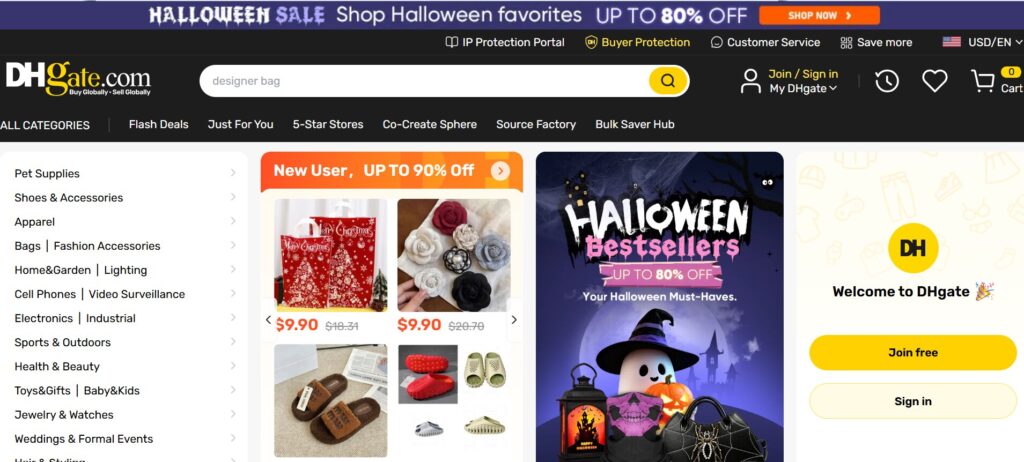
DHgate is better suited to small quantities of generic merchandise than serious branded wholesale.
Its low order quantities make it useful for testing products without committing to a factory MOQ. However, the platform has also been identified in the USTR’s Notorious Markets reporting for counterfeit-related concerns, so we would avoid branded inventory entirely and verify sellers carefully.
Ideal For: low-volume testing of unbranded products where customization is not yet required. Related: Why Is DHgate So Cheap? and How Long Does DHgate Take to Ship?
4. Made-in-China
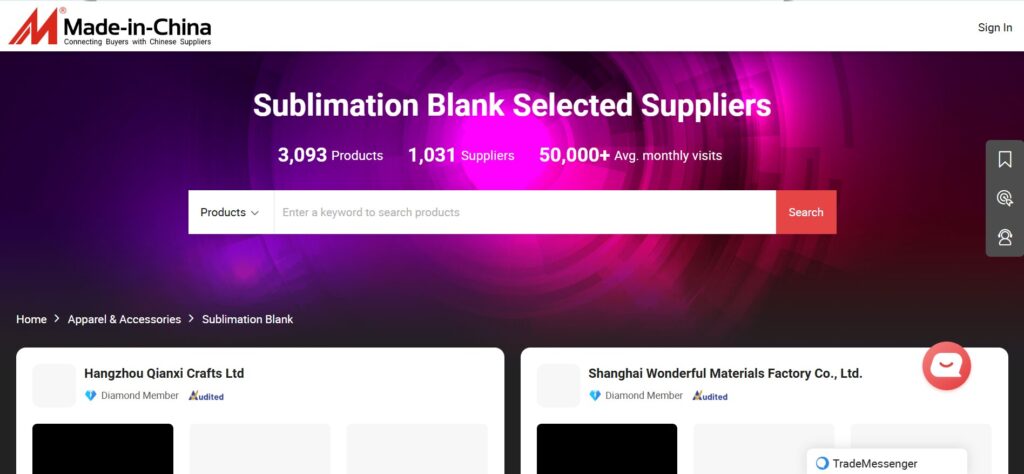
Made-in-China is particularly useful for industrial products, hardware, machinery, and manufacturing-heavy categories.
One useful differentiator is its Audited Supplier program, where participating suppliers can have onsite audits conducted by third parties such as SGS, Bureau Veritas, TÜV Rheinland, or CTI. That gives buyers another verification layer, although it only applies to participating suppliers and does not remove the need for your own due diligence.
Ideal For: sellers sourcing industrial, hardware, machinery, or technically specified products. More: Is Made-in-China Legit?
5. Global Sources
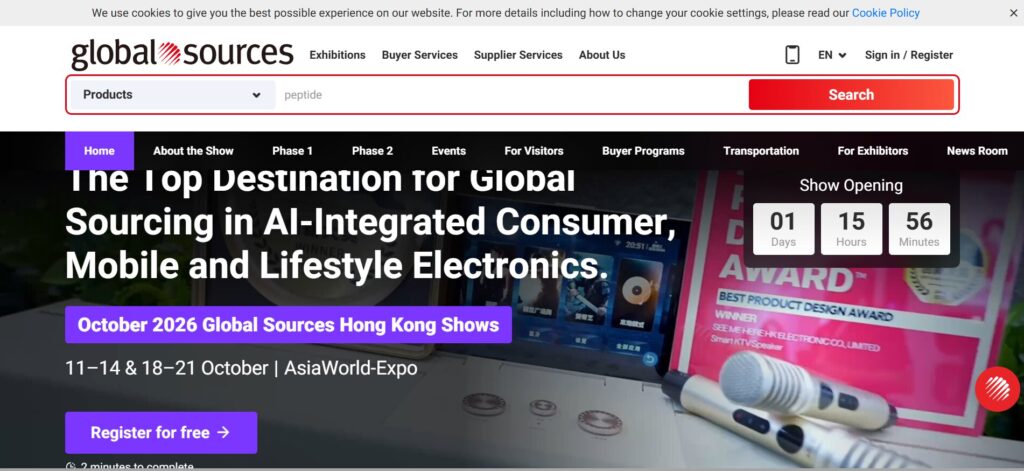
Global Sources combines online supplier discovery with established Hong Kong trade shows, making it especially relevant for electronics, accessories, and smart-home products.
We see the trade-show component as its biggest advantage. Meeting suppliers, inspecting samples, and discussing requirements face-to-face provides more information than relying on an online profile alone. Buyers still need to verify payment details and supplier identities before sending funds.
Ideal For: established importers and Amazon sellers sourcing electronics or attending Hong Kong sourcing fairs. More: Is Global Sources Legit? and Global Sources vs Alibaba.
6. HKTDC Sourcing
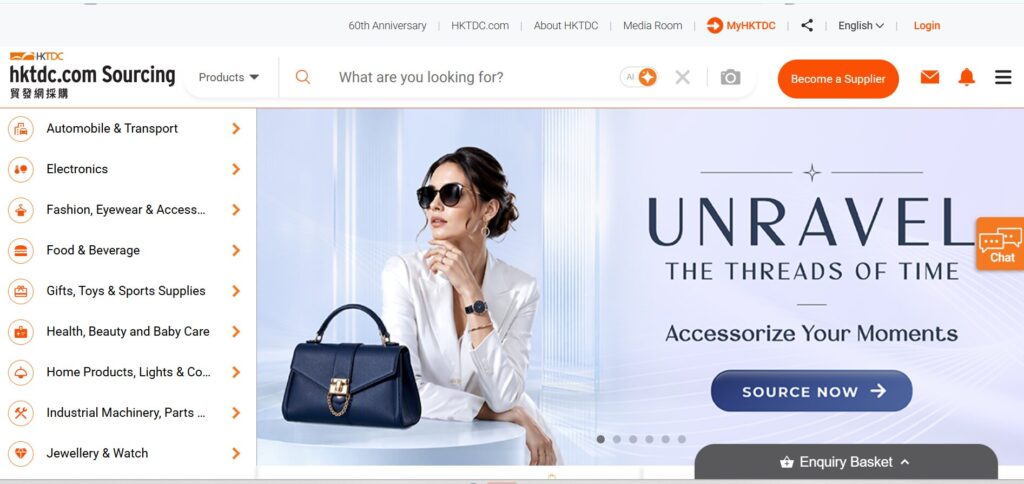
HKTDC Sourcing is operated by the Hong Kong Trade Development Council and connects international buyers with suppliers through its digital platform and trade fairs.
It is particularly useful if your sourcing strategy includes Hong Kong exhibitions or you want introductions to export-oriented suppliers rather than browsing a general marketplace.
Ideal For: sellers who value trade-fair sourcing and direct factory relationship building.
7. Banggood
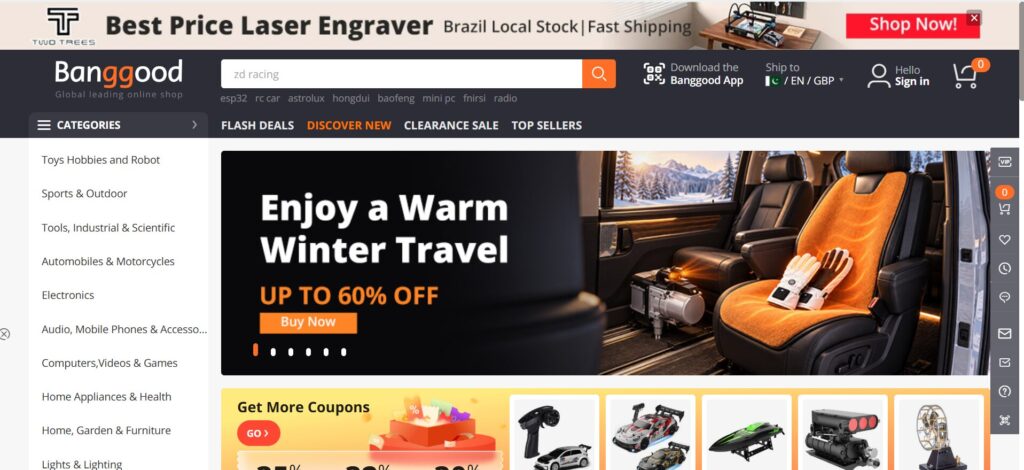
Banggood is better treated as a product-testing channel than a wholesale factory source.
Its ability to sell individual units can help sellers evaluate products before committing to bulk inventory. The trade-off is that retail-style pricing and limited manufacturing control make it less attractive once you are ready for private labeling or serious volume.
Ideal For: early product testing before moving to a direct manufacturer. More: Is Banggood Legit?
US and UK/EU Distributors for Branded Resale
For sellers reselling established brands, distributor authorization and invoice quality matter more than simply finding the lowest unit price.
8. Nektova
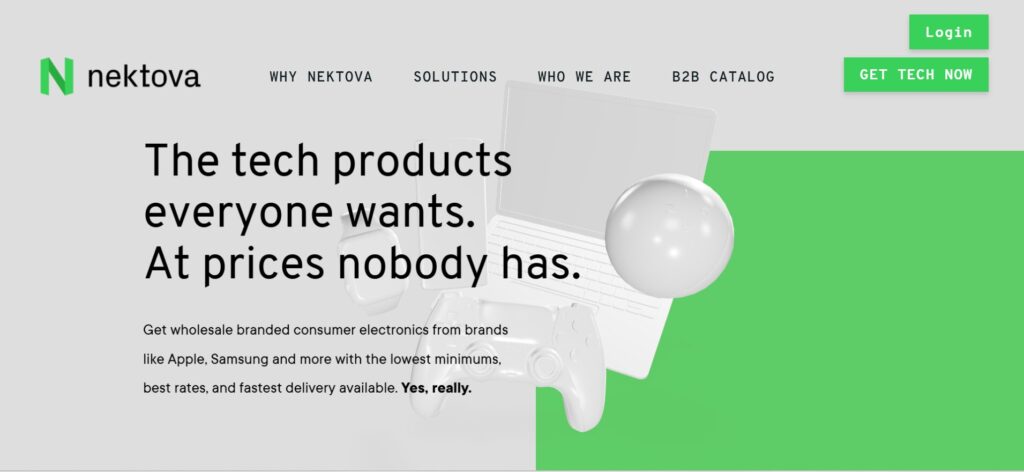
Nektova distributes branded electronics from the US, making it potentially useful for sellers already operating in that category.
Electronics also carry substantial brand-gating and intellectual-property risk on Amazon. We would therefore verify that Nektova is authorized for the specific brand you intend to sell and confirm that Amazon will accept its documentation before placing a large order.
Ideal For: experienced electronics sellers comfortable verifying authorization on a brand-by-brand basis.
9. Price Master
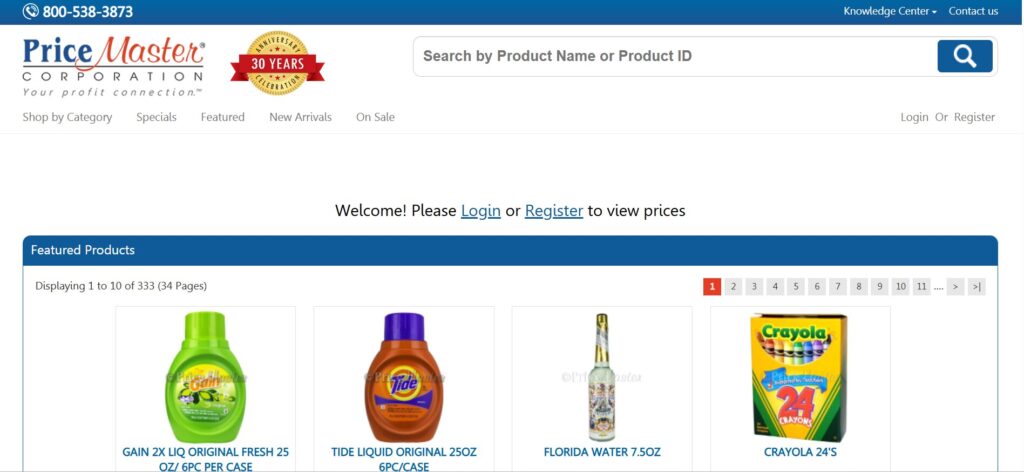
Price Master carries general merchandise across categories such as health and beauty, OTC products, batteries, and household goods, with a relatively accessible $200 minimum order according to the supplied research.
The lower entry point is attractive, but we would not assume every branded product comes with documentation suitable for Amazon ungating. Verify authorization and request a sample invoice first.
Ideal For: sellers testing lower-volume general merchandise, particularly in ungated products.
10. DollarDays
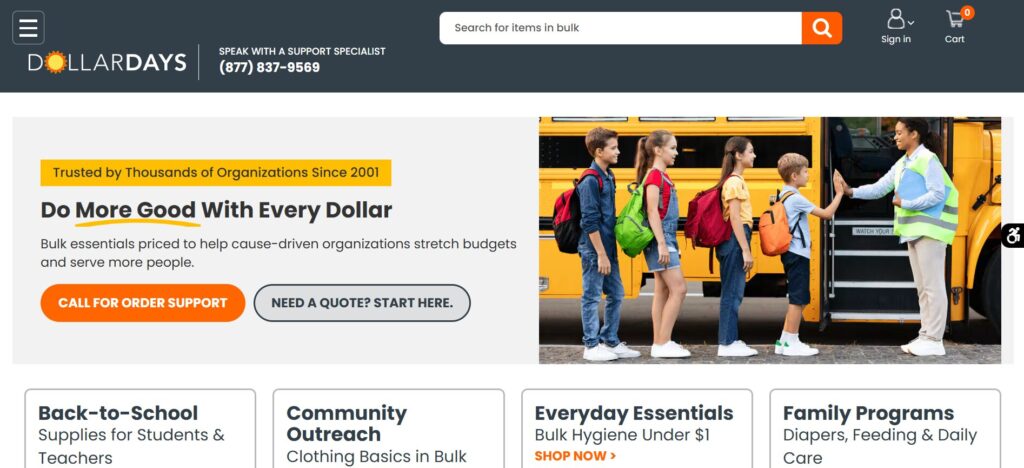
DollarDays focuses on small case lots across general merchandise, personal care, household items, and supplies.
Its case-based purchasing model can be useful when you do not want to commit thousands of dollars to a single SKU. Invoice suitability will still depend on the product and brand, so treat it as an inventory source rather than an automatic ungating solution.
Ideal For: sellers wanting smaller case quantities across general merchandise categories.
11. EE Distribution
EE Distribution is one of the strongest options on this list for sellers focused on toys, games, collectibles, and licensed merchandise.
The company distributes brands including Hasbro, Funko, Mattel, Bandai, NECA, McFarlane, Loungefly, and Pokémon. The supplied research also identifies a $250 first-order minimum and direct-to-FBA shipping.
That combination makes it particularly useful when your sourcing decision depends on having a traceable authorized distribution chain.
Ideal For: Amazon sellers needing branded toys and collectible inventory with stronger authorization documentation.
12. Kole Imports
Kole Imports carries broad general merchandise and also offers services such as labeling, bundling, bagging, and shipping inventory to Amazon FBA.
The key caveat is documentation. Our research found conflicting information around order minimums and Amazon-related paperwork, so we would verify the current terms directly before placing an order intended for ungating.
Ideal For: general-merchandise sellers who value integrated FBA prep more than brand ungating.
13. Qogita
Qogita is particularly relevant to UK and EU sellers sourcing branded health and beauty products.
The platform works with hundreds of suppliers and provides invoices along with supply-chain documentation. Our supplied research also identifies a roughly €300 minimum order value, making it relatively accessible compared with traditional distributor relationships.
The main limitation is geographic: its value proposition is considerably stronger in the UK and Europe than for US-based sellers.
Ideal For: UK/EU Amazon sellers sourcing branded beauty and personal-care inventory.
Directories for Finding More Wholesale Suppliers
Directories do not sell you inventory. Their value is in shortening supplier discovery, after which you still need to verify the wholesaler yourself.
14. SaleHoo
SaleHoo is a paid supplier directory rather than an actual wholesaler.
Its main benefit is pre-screening: sellers can search an established database instead of building a supplier list from Google searches alone. However, SaleHoo itself does not issue the invoice you’ll submit to Amazon; that depends entirely on the supplier you eventually choose.
Ideal For: newer sellers who want a more structured way to find wholesale leads.
15. Worldwide Brands
Worldwide Brands provides a database of certified wholesalers and has a stronger US and Canadian focus.
The supplied research lists a $299 lifetime membership, although pricing should be checked again before publication because promotions can change.
The advantage is access to supplier research in one place. The downside is that you still contact, negotiate with, and vet each supplier independently.
Ideal For: sellers who prefer paying once for a long-term US wholesale research database.
16. Wholesale Central
Wholesale Central is the simplest directory option on this list because buyers can use it without paying a membership fee.
That accessibility comes with a trade-off: supplier screening is weaker, so appearing in the directory should be treated as a lead rather than proof that a wholesaler is legitimate or Amazon-compatible.
Ideal For: sellers willing to do their own verification and wanting a free source of US wholesale leads.
Which Supplier Should You Start With?
We would choose based on the sourcing lane rather than ranking all 16 from best to worst:
- Branded toys and collectibles: EE Distribution
- UK/EU branded health and beauty: Qogita
- Low-minimum US general merchandise: Price Master or DollarDays
- Private label with broad factory choice: Alibaba
- More direct China pricing: 1688
- Industrial or hardware sourcing: Made-in-China
- Supplier discovery: SaleHoo, Worldwide Brands, or Wholesale Central
If you want to source a custom or private-label product from China rather than resell an existing brand, NicheSources can help with supplier sourcing, verification, quality inspection, and FBA preparation. Request a free sourcing quote.
How to Find Wholesale Suppliers for Amazon FBA
There are four practical ways to find legitimate wholesale suppliers for Amazon FBA: supplier directories, trade shows, direct outreach, and reverse sourcing from products already selling on Amazon. In practice, the best results usually come from combining at least two of them rather than relying on a single supplier list.
1. Use Wholesale Supplier Directories
Directories are useful for building an initial shortlist quickly, especially if you do not already have industry contacts.
Paid directories such as SaleHoo and Worldwide Brands do more supplier screening upfront, while free directories such as Wholesale Central give you more leads but leave more verification work to you.
We would still vet every supplier independently. A directory listing does not automatically mean the supplier is authorized for the brands it carries or that its invoices will satisfy Amazon.
2. Meet Suppliers at Trade Shows
Trade shows are one of the fastest ways to speak directly with wholesalers, distributors, and manufacturers.
For US wholesale sourcing, ASD Market Week in Las Vegas is a major option for general merchandise. For China and Hong Kong sourcing, events run by Global Sources and HKTDC can be useful for meeting export-oriented suppliers face to face.
The advantage is access. In one conversation, you can often discuss:
- Product range
- MOQ and price breaks
- Amazon resale policies
- Lead times
- Samples
- Invoice format
- Brand authorization
That is usually more efficient than exchanging ten emails with a generic sales inbox.
3. Contact Brands and Distributors Directly
Direct outreach works best when you already know the category or brands you want to sell.
Instead of sending a vague message asking for a “wholesale price list,” show that you are a real business and explain exactly what you need.
Wholesale Outreach Email Template
Subject: Wholesale account request [Company Name]
Hi [Name],
I’m [Your Name] from [Company Name]. We sell [product category] through Amazon FBA and are interested in opening a wholesale account for [brand/product line].
Could you share your current catalog, opening-order requirements, MOQs, and whether Amazon resale is permitted?
We would also like to confirm whether your invoices show the supplier details, buyer legal name and address, product description, and quantity required for Amazon verification.
We are prepared to place an opening order once the account and documentation requirements are confirmed.
Best,
[Name]
[Company]
[Website]
[Business Email]
The key is specificity. Suppliers are more likely to respond when they can immediately see who you are, what you sell, and whether you are ready to place an order.
4. Reverse Source from Amazon Listings
Reverse sourcing starts with a product rather than a supplier.
Find Amazon listings that fit your criteria, identify the brand, then contact the brand directly and ask who its authorized distributors are. This can be more effective than searching for generic terms such as “Amazon wholesale supplier,” because you start with a product that already has proven marketplace demand.
A simple workflow is:
- Find a product with established demand.
- Check how many sellers compete on the listing.
- Identify the brand or manufacturer.
- Visit the brand’s official website.
- Ask whether it sells wholesale or can refer you to an authorized distributor.
- Verify that Amazon resale is permitted before ordering.
For branded wholesale, this is often the cleanest sourcing path because it helps you work backward from a real product opportunity to the legitimate supply chain behind it.
Where to Buy Wholesale Products to Sell on Amazon
The best place to buy wholesale products for Amazon depends on one question: are you reselling established brands or building your own? Branded sellers should prioritize suppliers with traceable authorization and Amazon-compatible invoices, while private-label sellers usually get better economics from factory-direct sourcing.
| Channel | Best For | Typical Minimum | Ungating Invoice Strength | Main Trade-Off |
| Brand-direct | Established branded resale | Varies by brand | Strongest | Harder account approval and often higher opening orders |
| Authorized distributors | Branded Amazon wholesale | Often | Strong | Lower margins and competition on shared listings |
| US importers / wholesalers | General merchandise and smaller test orders | Often | Mixed | Brand authorization varies by product |
| UK/EU B2B marketplaces | Branded products for UK/EU marketplaces | Platform-specific | Can be strong | Less useful for US-focused sellers |
| China marketplaces / factories | Private label, OEM/ODM, custom products | Supplier-set | Not suitable for third-party brand ungating | Longer lead times and more QC/logistics work |
| Wholesale directories | Finding additional distributors | Membership or free | N/A | They provide leads, not inventory or invoices |
Buy Directly from Brands for the Cleanest Supply Chain
Buying from the brand itself usually gives you the clearest documentation because there are fewer links between the manufacturer and your Amazon account.
The challenge is access. Many established brands have minimum purchase requirements, existing distributor networks, or marketplace policies that restrict Amazon sellers. This route tends to work better once you can demonstrate consistent purchasing volume.
For most wholesale sellers, an authorized distributor is the practical middle ground. You gain access to multiple brands through one wholesale account while retaining a documented supply chain.
Before buying, we would confirm that the distributor is authorized for the specific brand and that Amazon resale is permitted. A wholesaler selling genuine merchandise does not automatically mean its invoice will satisfy an ungating application.
Use Importers and General Wholesalers for Ungated Products
US importers and general-merchandise wholesalers can be useful for lower opening orders and broad product catalogs.
They make more sense when you are selling ungated merchandise and do not require brand authorization. For gated products, ask for an invoice sample and proof of the supplier’s relationship with the brand before committing meaningful capital.
Use China Factories for Private Label Products
For private label, we generally look toward Alibaba, 1688, Made-in-China, Global Sources, or direct factory relationships.
The economics are different because you are sourcing the product itself rather than paying for an existing brand’s distribution chain. That creates more room for customization and margin, but you also take responsibility for sampling, specifications, quality inspection, freight, and FBA preparation.
From our side in China, we usually advise sellers to compare the landed cost, not just the factory quote. A product that looks cheaper at EXW pricing can become less attractive once inspection, domestic transport, international freight, duties, prep, and Amazon inbound costs are included.
Use Directories to Find Suppliers, Not Products
Directories such as SaleHoo, Worldwide Brands, and Wholesale Central can shorten the research process, but they do not sell the products themselves.
Think of them as lead-generation tools. Once you find a supplier, you still need to check its business registration, brand authorization, Amazon resale policy, order minimums, and invoice format independently.
What Should You Avoid?
For Amazon wholesale, we would be cautious with liquidation pallets and retail receipts if your goal is brand ungating. A low acquisition price is not very useful if Amazon cannot verify the supply chain.
A simple rule is:
- Selling an established brand? Buy brand-direct or through an authorized distributor.
- Selling general ungated merchandise? Importers and wholesalers can work.
- Building your own brand? Source factory-direct.
- Still looking for suppliers? Use directories as research tools, then verify every lead.
How to Vet an Amazon FBA Supplier
Before sending money to a new supplier, verify who they are, whether they are actually authorized to sell the products, and whether their paperwork will work for your Amazon model. A professional-looking website or marketplace badge is not enough.
Supplier Verification Checklist
| What to Check | What We Would Verify | Why It Matters |
| Business registration | Legal company name, registration status, and business license | Confirms you are dealing with a real operating entity |
| Physical address | Warehouse or office address that can be independently verified | Fake wholesalers often use virtual or unverifiable locations |
| Contact details | Published phone number, domain email, and named sales contact | Gives you a traceable point of contact if something goes wrong |
| Brand authorization | Whether the supplier is approved to distribute the specific brand | Genuine inventory alone does not guarantee Amazon will accept the supply chain |
| Sample invoice | Buyer/supplier details, itemization, quantity, and final invoice format | Lets you identify ungating problems before placing a large order |
| Samples or test order | Product condition, packaging, labeling, and consistency | Helps expose QC or authenticity issues before scaling |
| Payment terms | Credit card, escrow, or another traceable payment method for early orders | Gives you more recourse than irreversible payment methods |
| Independent reputation | Reviews, BBB/Trustpilot where relevant, domain history, and complaint patterns | Useful as supporting evidence, though reviews should never be your only verification step |
For China sourcing, we would add a business-license check and factory verification before moving from samples to production. A supplier calling itself a factory does not necessarily mean it owns the production line; trading companies commonly appear alongside manufacturers on B2B platforms.
Red Flags That Should Stop the Deal
Some warning signs justify walking away rather than trying to negotiate around them:
- Upfront fees just to access wholesale prices. Legitimate distributors may have account requirements or membership models, but unexplained fees simply to reveal a catalog deserve scrutiny.
- Wire transfer or cryptocurrency only. Wire transfers are normal later in established B2B relationships, particularly internationally. For a first order with an unverified supplier, refusing every traceable payment option substantially increases your risk.
- No verifiable business address. If you cannot confirm where the company operates, do not rely on its website alone.
- Branded inventory at implausible discounts. A supplier offering current branded merchandise at 80–90% below normal wholesale economics raises obvious counterfeit, grey-market, or distressed-inventory questions.
- Pressure to pay immediately. Statements such as “price expires today” or “send the deposit now to reserve stock” should not override your verification process.
- A dropshipping operation presenting itself as an authorized wholesaler. Ask whether the company actually owns inventory, where it ships from, and whether it can document its relationship with the brand.
One practical habit we recommend is requesting the sample invoice before the opening order. It is far less expensive to discover a documentation problem at the verification stage than after buying several hundred units.
Why We Don’t Recommend Faire for Amazon FBA Wholesale
Faire often appears in generic lists of Amazon wholesale suppliers, but its current retailer terms specifically prohibit fulfillment through Amazon unless Faire has approved the third-party website. Amazon is explicitly listed alongside eBay, Etsy, and Poshmark as a prohibited site.
That makes Faire a poor recommendation for sellers whose plan is to buy inventory there specifically for resale through Amazon FBA. It can still be a legitimate wholesale marketplace for boutiques and eligible independent retailers; the problem is the sales channel restriction, not Faire’s legitimacy.
This is exactly why we would check a supplier’s marketplace policy in addition to its price and product catalog. A wholesaler can be completely legitimate and still be incompatible with your Amazon business.
From our experience in Yiwu, supplier verification is where many sourcing problems begin. Our on-ground team can verify suppliers and factories, inspect goods before shipment, and help you avoid committing inventory capital before the basics check out. Discuss your project.
How to Negotiate with Wholesale Suppliers

The best time to negotiate is after you have shown that you are a serious buyer. We would not push for discounts in the first email; first confirm fit, place a clean opening order, and use actual volume or repeat-order potential as leverage.
1. Ask for Volume Pricing Tiers
Instead of asking, “What is your best price?”, ask for the supplier’s full price-break table.
For example:
- 100 units: $8.50 each
- 500 units: $7.90 each
- 1,000 units: $7.40 each
This tells you whether increasing the order genuinely improves landed economics or simply ties up more cash in inventory.
2. Negotiate Payment Terms
Once you have purchase history, ask whether the supplier offers terms such as Net 15, Net 30, or Net 60.
Better payment terms can improve cash flow even when the unit price stays the same. For scaling sellers, that can be more valuable than squeezing another few cents out of the product cost.
3. Use Channel Exclusivity as Leverage
If you have a strong sales channel, offer something the supplier values in return.
For example, you may be able to negotiate better pricing or protected territory if you agree to represent the product specifically on Amazon, commit to minimum annual volume, or avoid competing marketplaces.
The key is to make exclusivity reciprocal. Do not accept channel restrictions unless the supplier is giving you something meaningful in return.
4. Compare FOB and EXW Pricing
For China sourcing, we always recommend comparing FOB and EXW quotes, not just the unit price.
EXW puts more logistics responsibility on the buyer, while FOB includes transport and export handling up to the port of shipment. Depending on the factory location, cargo size, and forwarder setup, that difference can materially change the real landed cost.
A quote that looks 5–15% lower at EXW can lose that advantage once pickup, export handling, and local China charges are added.
5. Amortize Mold and Packaging Costs
For custom products, tooling and packaging costs are often negotiable even when the factory will not reduce them outright.
Instead of paying the full mold or packaging setup fee upfront, ask whether the supplier can spread the cost across a committed production run.
For example, a $2,000 mold cost could be allocated across 10,000 units rather than paid entirely before production. That lowers the initial cash burden and aligns the supplier with your long-term order plan.
What We Would Negotiate First
In order, we usually focus on:
- Volume price breaks
- Payment terms
- Shipping terms
- Packaging or tooling structure
- Exclusivity
The biggest mistake is negotiating every variable at once before the supplier has any reason to trust you. Stronger terms usually come after you prove that you can order consistently and pay on time.
How Much Money Do You Need to Start Amazon FBA Wholesale?
A realistic starting budget for Amazon FBA wholesale is around 2,000-5,000. You can technically start below that, but once inventory, prep, inbound shipping, and launch costs are included, very small budgets leave little room for mistakes or slow-moving stock.
| Cost | Typical Starting Range | What It Covers |
| Inventory | 1,500-3,000 | Opening wholesale order and enough stock to test demand |
| Amazon Professional account | $39.99/month | Seller account used by most wholesale operators |
| Inbound shipping + prep | 200-500 | Labels, cartons, prep-center fees, and delivery to FBA |
| Initial PPC | 300-1,000 | Advertising where additional listing visibility is needed |
| Practical starting budget | 2,000-5,000 | A workable first launch with some operating room |
Can You Start with Less Than $2,000?
Yes, but the options narrow considerably.
Some distributors have relatively low opening-order requirements, so you could start with one supplier account and a small number of SKUs instead of building a broad catalog immediately. Light-bulk programs can also reduce the amount of cash tied up in the first order.
The problem is resilience. If most of a $1,000 budget goes into inventory, you have very little left for shipping, prep, price changes, returns, or a product that simply takes longer to sell than expected.
When Will You Need More Than $5,000?
The 2,000-5,000 range is a starting estimate, not a universal requirement. Your actual capital requirement rises when:
- A distributor has a large opening-order minimum
- Amazon requires a higher quantity for a gated brand
- You launch several SKUs at once
- Freight or prep costs are unusually high
- You need deeper inventory to avoid going out of stock
Private-label sourcing from China also has different economics. Sampling, customization, molds or packaging, quality inspection, international freight, duties, and larger factory MOQs can push the first order well beyond the wholesale range above.
We would therefore treat 2,000-5,000 as a practical floor for a focused wholesale launch, rather than a promise that every Amazon FBA wholesale business can be started within that budget.
Shipping from Supplier to Amazon FBA
A supplier can ship directly to Amazon FBA, but the shipment must meet Amazon’s prep and labeling requirements before it reaches the fulfillment center. The main things to get right are FNSKU labels, packaging, carton labels, and carrier delivery requirements.
What Needs to Be Prepared Before Shipping?
- FNSKU labels: Each unit may need an Amazon-specific FNSKU label so inventory is tied to your seller account. Confirm the labeling setup in Seller Central before production or prep begins.
- Polybag requirements: Products packed in polybags may require a suffocation warning and must meet Amazon’s packaging rules.
- Carton labels: Every shipping carton needs the correct FBA box labels, and the carton contents should match the shipment plan.
- Delivery appointments: Palletized or freight shipments typically need to arrive through an Amazon-approved carrier process, including appointments where required.
A supplier saying “we ship to Amazon” does not necessarily mean they understand every current FBA requirement. We would send the final shipment plan, labels, and packing instructions in writing before dispatch.
Supplier Prep vs Prep Center vs DIY
| Prep Method | Best For | Typical Cost | Main Trade-Off |
| Supplier prep | Sellers shipping directly from the factory or wholesaler | Negotiated with supplier | Requires confidence in the supplier’s FBA experience |
| Third-party prep center | Sellers who want independent receiving and inspection | Around 0.50-1.50/unit in the supplied brief | Adds another handling step and fee |
| DIY prep | Small domestic orders and early-stage sellers | Labor + materials | Time-consuming and harder to scale |
Supplier Prep Can Be the Most Efficient Route
If the supplier already understands Amazon FBA, having them label and prepare inventory before shipment removes an extra warehouse step.
This is increasingly common with China suppliers serving Amazon sellers. In our sourcing work, factories and fulfillment partners can often handle FNSKU labeling, polybagging, bundling, carton preparation, and forwarding before the goods leave China.
The risk is execution. A labeling mistake made across 1,000 units is much more expensive to correct after the shipment reaches the US.
When a Prep Center Makes More Sense
A prep center gives you an independent checkpoint between the supplier and Amazon.
We would consider one when:
- The supplier has limited FBA experience
- You are buying branded wholesale inventory from several suppliers
- Products need bundling, relabeling, or inspection
- You want someone to verify quantities before Amazon receives them
The extra 0.50-1.50 per unit can be worthwhile if it prevents receiving delays or labeling errors.
DIY Works Best at Small Volume
Preparing inventory yourself can make sense when orders are small and domestic. You retain full control over labels and packaging without paying per-unit prep fees.
The trade-off is time. Once volume grows, printing labels, bagging products, assembling cartons, and coordinating shipments can quickly become an operational bottleneck.
For China orders, we generally prefer getting the product FBA-ready before international shipping whenever the supplier or sourcing partner can do it reliably. Fixing packaging or labeling after the goods arrive usually adds another warehouse transfer, handling fee, and several days to the lead time.
Wholesale Suppliers by Region
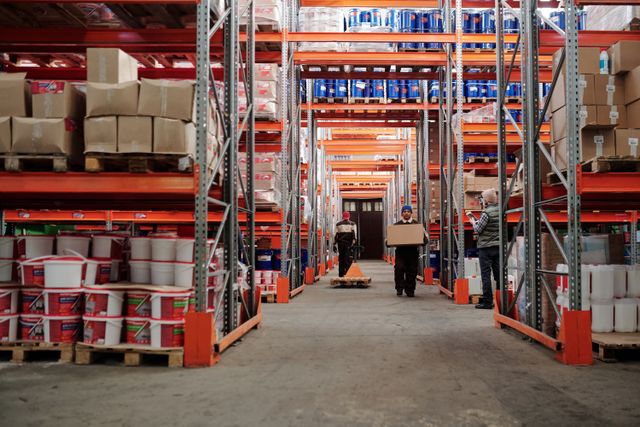
The strongest sourcing region depends on your Amazon model: the US is strongest for branded distribution and ungating, the UK/EU has solid branded health-and-beauty options, and China is the main lane for factory-direct and private-label sourcing.
| Region | Strongest Sourcing Lane | Examples from This List | Best For | Main Consideration |
| USA | Branded wholesale + authorized distribution | EE Distribution, Price Master, DollarDays, Nektova, Kole Imports | Existing brands, faster replenishment, domestic FBA supply | Authorization and invoice quality vary by supplier and brand |
| UK / EU | Branded wholesale, especially health & beauty | Qogita | UK/EU Amazon sellers sourcing established brands | Less relevant for US-focused sellers; verify marketplace and brand permissions |
| China | Factory-direct + private label | Alibaba, 1688, Made-in-China, Global Sources, HKTDC | OEM/ODM, custom products, packaging, margin control | Longer lead times, QC, freight, and supplier verification require more management |
For branded resale, geography usually follows the brand’s authorized distribution network. A US distributor may be ideal for Amazon.com, while a UK/EU platform can make more sense for Amazon.co.uk or EU marketplaces.
For private label, China offers the deepest manufacturing ecosystem and the most room for customization. From our side, the biggest advantage is not just unit price, it is the ability to coordinate factory sourcing, custom packaging, inspection, and FBA prep within the same supply chain.
The practical rule is simple: choose the region that best matches your sourcing lane, not the one that looks cheapest on paper.
Wholesale vs Private Label vs Dropshipping
For Amazon sellers, wholesale is usually the middle ground: it needs more capital than dropshipping but launches faster and with less product-development risk than private label. Private label offers more control and higher potential margins, while dropshipping keeps upfront inventory costs lowest.
| Factor | Wholesale | Private Label | Dropshipping |
| Typical startup capital | 2,000-5,000 | $5,000+ | Under $500 |
| Typical margin | 10–20% | 25–40% | 5–15% |
| Listing control | Shared existing listings | Full control over your listing | Little to none |
| Brand ungating | Often required for gated brands | Usually not required for your own brand | Depends on products sold |
| Product development | None | Sampling, customization, packaging, branding | None |
| Inventory ownership | Yes | Yes | Usually no |
| Speed to launch | Weeks | Usually months | Potentially days |
| Main risk | Buy Box competition and thinner margins | More capital tied up before demand is proven | Supplier reliability and policy compliance |
Choose Wholesale if You Want a Faster, Proven Route
Wholesale works well when you want to sell products with existing demand instead of developing something from scratch.
You can analyze an established Amazon listing before buying inventory, but you also share that listing with other sellers. That means your profitability depends heavily on wholesale cost, Amazon fees, Buy Box competition, and whether the brand permits marketplace resale.
Choose Private Label if You Want More Control
Private labels require more capital and operational work, but you control the product, packaging, positioning, and listing.
This is where factory-direct sourcing becomes more valuable. From our sourcing side, sellers can often improve the economics by modifying an existing factory product rather than developing an entirely new item—changing materials, bundles, packaging, or specifications while avoiding unnecessary tooling.
The trade-off is that you are responsible for proving demand yourself.
Choose Dropshipping if Capital Is the Main Constraint
Dropshipping removes the need to purchase inventory upfront because the supplier ships after an order is placed.
That makes testing easier, but margins tend to be thinner and you have less control over inventory availability, packaging, and fulfillment. Amazon also has strict dropshipping requirements, so your supplier must be able to fulfill orders without appearing as another retailer or seller to the customer.
Which Model Makes the Most Sense?
- Choose wholesale if you want existing demand and a faster route to market.
- Choose a private label if margin, brand equity, and listing control justify more capital and complexity.
- Choose dropshipping if you want to test with minimal inventory investment and have a supplier that can comply with Amazon’s fulfillment rules.
For scaling sellers, wholesale and private label can also complement each other: wholesale provides faster product turnover, while private label creates assets you control.
FAQs about Amazon FBA Wholesale Suppliers
Finding the right wholesale suppliers for Amazon FBA can be challenging. Let’s explore key strategies for sourcing, selecting, and negotiating with suppliers to maximize your profit margins and ensure a smooth business operation.
Start with the brand itself. Many brands publish distributor lists or will confirm authorization if you contact their sales team.
You can also ask the distributor for evidence of its relationship with the brand. For Amazon purposes, we would verify authorization before placing a large order, particularly in categories where counterfeit or intellectual-property complaints are common.
Can I Work with More Than One Wholesale Supplier?
Yes, and doing so can reduce supply-chain risk. Depending entirely on one supplier leaves you vulnerable to stockouts, price increases, discontinued products, or changes to marketplace permissions.
However, avoid opening dozens of accounts before you know what sells. A smaller group of reliable suppliers is usually easier to manage and negotiate with.
What Is a Good MOQ for a First Wholesale Order?
There is no universal target. A sensible first MOQ is one that lets you test demand without tying up most of your working capital.
For a new SKU, we would usually prioritize cash exposure over the lowest possible unit price. Ordering twice at a slightly higher cost can be safer than committing to several months of inventory purely to reach the next price tier.
Should I Ask for Samples from a Wholesale Distributor?
For standard branded products, samples are less critical than they are with private-label manufacturing because the product already exists.
They can still be useful when you are buying from importers, closeout suppliers, or unfamiliar distributors. A small test order lets you inspect packaging condition, expiration dates where relevant, labeling, and whether the delivered product matches the catalog.
Can International Suppliers Sell Inventory for Amazon US?
Yes, provided the products and supply chain comply with Amazon and US import requirements.
The bigger issue is whether using an overseas supplier actually makes economic sense. Factor in freight, customs duties, inspections, longer replenishment times, and the risk of running out of stock before assuming an overseas quote is cheaper than domestic distribution.
Are Closeout and Liquidation Suppliers Suitable for Amazon FBA?
They can work for some ungated products, but they are usually less reliable for a replenishment-based wholesale strategy.
Inventory is often opportunistic rather than consistently restockable, and documentation may not establish an authorized brand supply chain. Always verify condition, authenticity, expiry dates where applicable, and Amazon eligibility before buying.
Can I Use the Same Supplier for Amazon and My Own Store?
Often yes, but confirm the supplier’s channel restrictions first.
Some brands allow Amazon, Shopify, and physical retail, while others restrict specific marketplaces or territories. If you plan to sell across several channels, clarify those permissions during account setup rather than after inventory has already been purchased.
What Should I Do If a Supplier Refuses to Provide Documentation?
Treat that as a warning sign if you need the documentation for Amazon.
A legitimate wholesaler may protect confidential contracts, but it should still be able to provide normal commercial invoices and explain its relationship to the products it sells. If your Amazon strategy depends on documentation the supplier cannot or will not provide, choose another source.